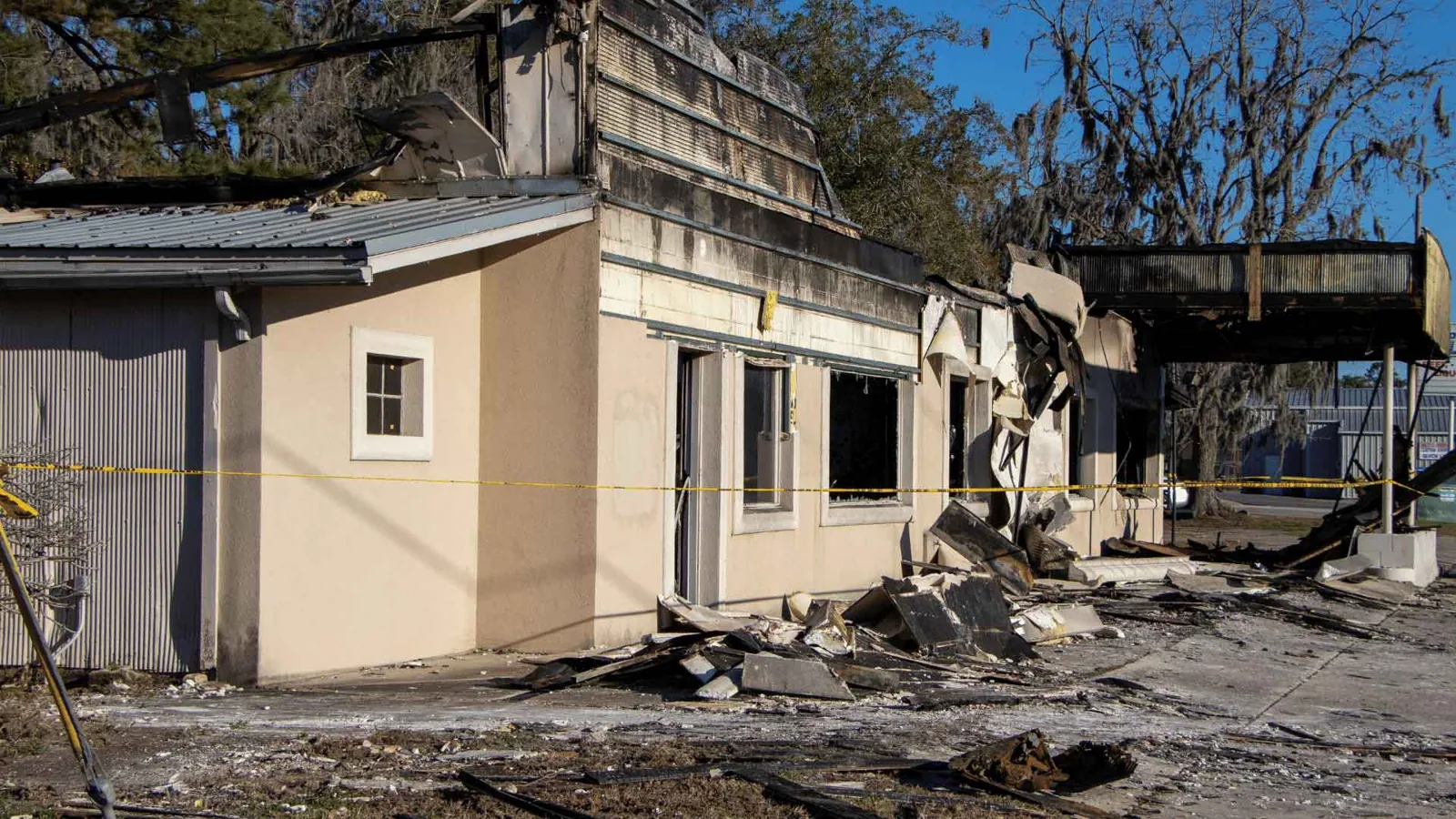
Production does not pause simply because a roof needs attention. Clarksville's warm summer normals and rain spread through the calendar make the weather window and the line schedule part of the same work plan. We inspect the assembly, mark the affected bay, and coordinate roof access with the person responsible for operations before opening material above a process area. A manufacturer may have separate offices, production, shipping, and utility zones, each with different shutdown limits. The scope identifies the roof detail, equipment connection, work boundary, and daily handback so a repair decision does not leave production guessing about what is open overhead.
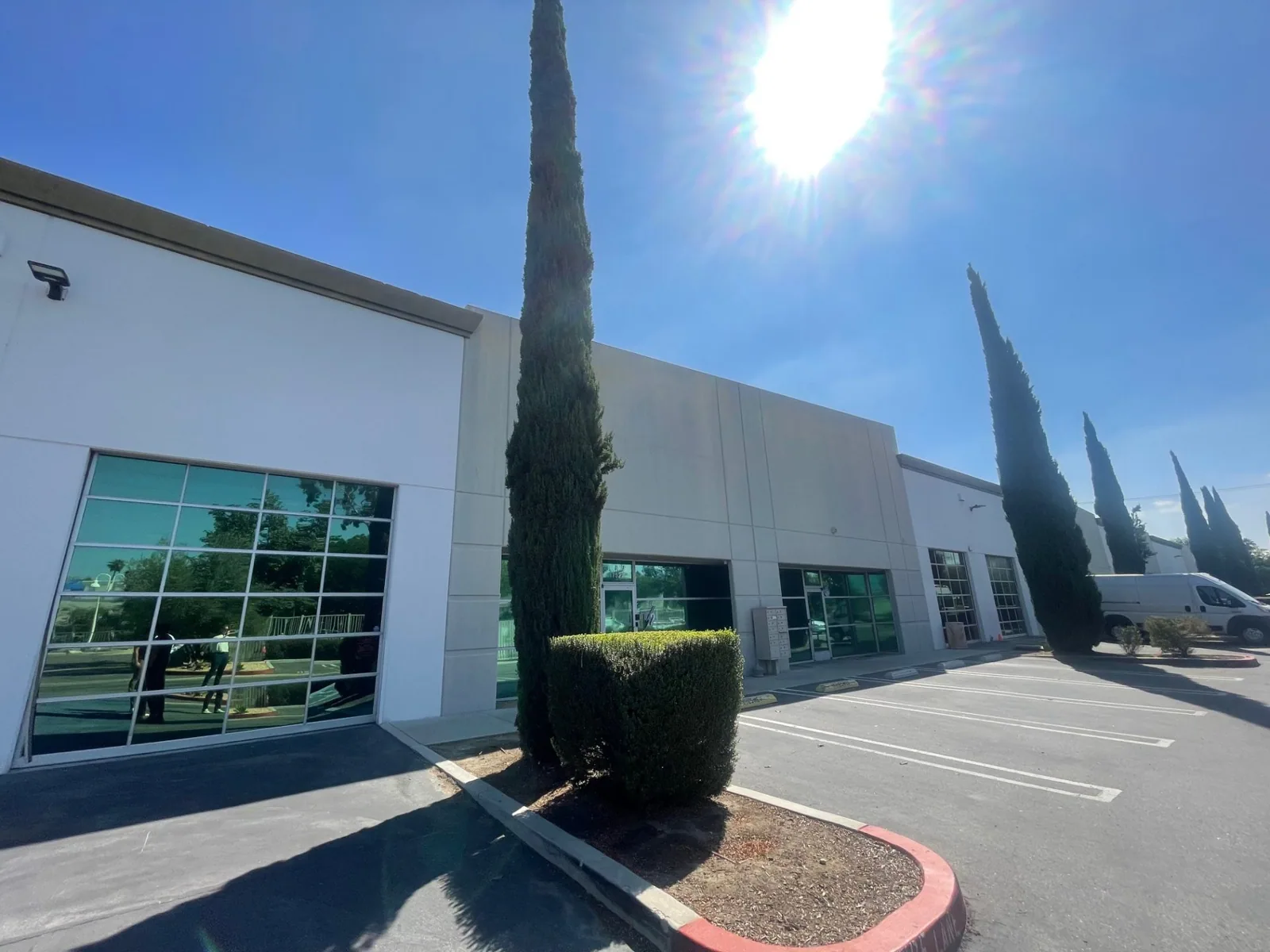
Start with the process area below the roof concern. The plant contact can identify sensitive equipment, clean areas, shift changes, deliveries, exhaust systems, and rooms that cannot be exposed to dust or water. We match that information to roof zones, penetrations, drains, and access paths. If a crane, lift, or equipment shutdown is needed, the owner and mechanical trade agree on who controls it before the roofing sequence reaches that detail.
The Clarksville-Montgomery County employer directory includes manufacturers such as LG Electronics, Hankook Tire, Trane, Jostens, and others. Those names show a varied local production base, not roof conditions at any named plant. Our assessment remains building-specific. A logistics roof plan can address dock and yard coordination, while property management records can keep multi-building work histories separated by address.
A drip over a machine may begin at a seam, curb, skylight, wall transition, or drain well away from the visible point. We compare the interior report and timing with the roof above, inspect likely water paths, and photograph each observation by location. If moisture extent is uncertain, a selective opening or survey may be needed before the owner approves removal. We mark confirmed wet materials separately from an area that only looks suspect from the surface.
May has the highest monthly average rainfall in Clarksville's cited normals, and November remains a wet month. That makes temporary dry-in and material protection important when the assembly is open. We set the opening size to the work that can be secured within the forecast, and identify the point where the roof can be left watertight at shift end. A roof inspection record provides the baseline; for moisture questions beyond visual review, an infrared survey can help target a test area.
Manufacturing roofs often serve ventilation, exhaust, make-up air, electrical runs, and utility lines. The work plan checks flashing and attachment at curbs, pipe supports, and penetrations, then confirms whether the equipment can stay on during the repair. A shifted support or a new line can interrupt drainage and create another leak path. We coordinate with the mechanical or electrical trade so each connection has a clear owner and the roof tie-in is not left between scopes.
Local employers and employment areas sit within a road and rail network shown on Clarksville's industrial map. A facility in North Park or an operation reached from I-24 still sets its own delivery and shutdown rules. We confirm the route, staging area, and crew access with that property's contact. If the equipment detail needs replacement, curb and support work can be scoped beside the membrane repair. The roof system choice, whether TPO, EPDM, built-up, or metal, follows the existing assembly and process needs; the system options should match those conditions.
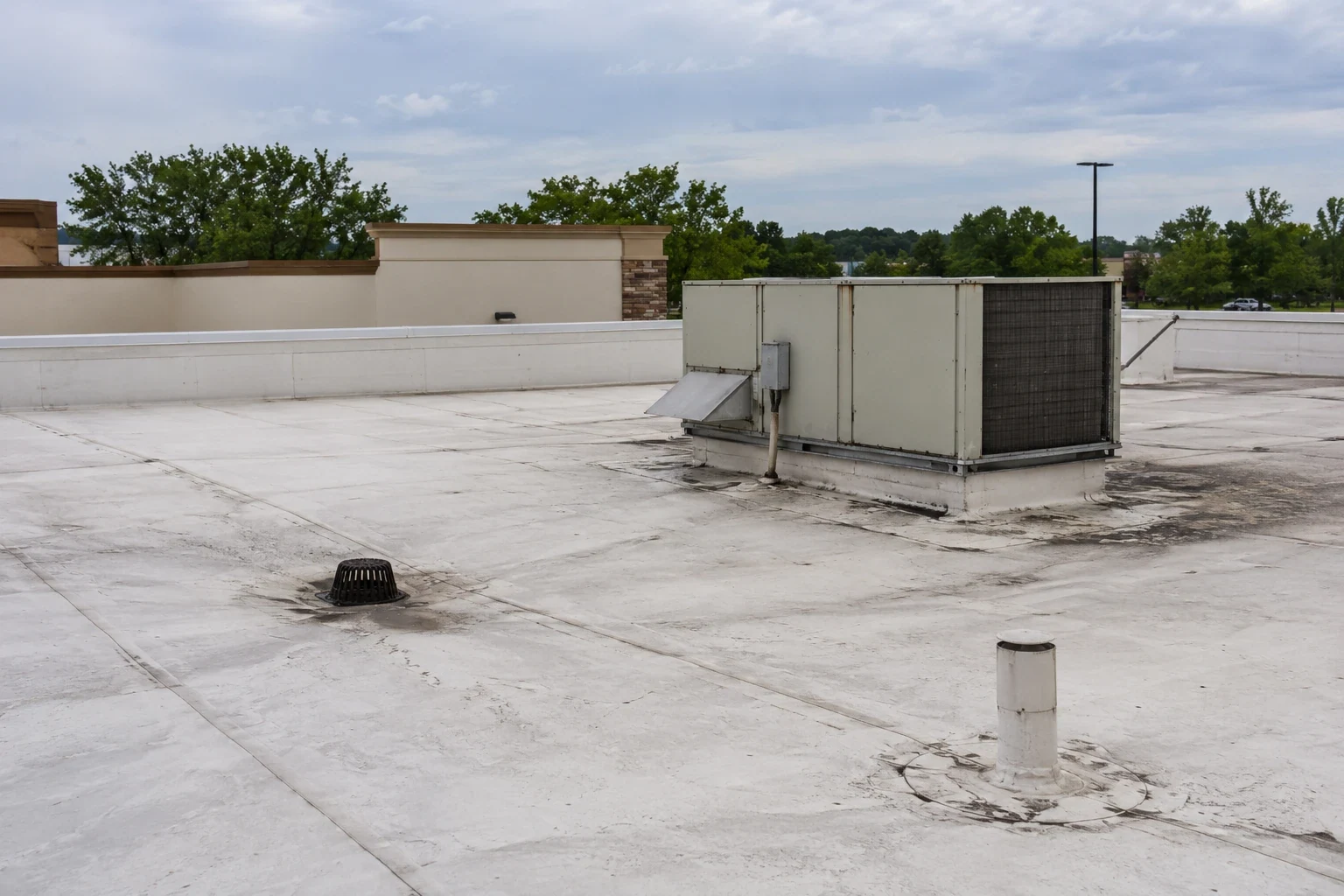
A localized repair may be practical when the opening is clear, surrounding material is stable, and the tie-in can be made on sound substrate. Repeated seam failures, widespread wet insulation, or deteriorated perimeter details may require a larger scope. We map the observations and identify the test or removal needed to verify the extent. The proposal names preparation, removal, replacement materials, tie-ins, edge work, protection below, access, and any approval point for concealed deck conditions.
Cost and timing depend on process shutdowns, equipment resets, deck repair, material delivery, hazardous-area controls set by the owner, disposal, and weather. We separate these drivers so an operations team can compare repair and replacement without mixing assumptions. A defined repair scope can be compared with a replacement plan using the same roof zones and production window. We do not assume the whole roof needs work because one bay has a leak.
Before material is removed, the facility confirms how production staff will know a roof area is under work. We set a marked boundary below, identify who receives schedule changes, and agree how a temporary condition gets escalated between shifts. The closeout records what has been secured and what remains open to inspection. That prevents an uncertain area from being handed back as if its condition had already been verified.
Sometimes, if the work zone, overhead protection, noise limits, and equipment access can be separated from active production. The plant contact identifies shutdown boundaries and sensitive areas before the schedule is set. We define the roof opening and the shift handback so the owner knows what can operate and what needs a controlled pause.
We inspect flashing and supports, then coordinate any disconnect, lift, or shutdown with the trade responsible for the equipment. The scope states who restores each connection and how the roof tie-in is checked. That avoids leaving a curb or penetration between the roofing and mechanical scopes.
Water can move along insulation or deck flutes before reaching the visible drip. We compare the report's location and timing with seams, curbs, penetrations, and drains above. When the path cannot be confirmed visually, we identify a test opening or moisture survey instead of expanding removal without evidence.
Share the affected bay, process restrictions, shift changes, access route, equipment that may need service, and any prior repair record. We use those constraints to plan the inspection and possible work zone. The roof findings remain tied to the actual assembly rather than the plant's general production profile.
Several roof zones with recurring seams, broad wet insulation, failing edge details, or continuing drainage trouble can justify a capital review. We document confirmed defects and areas needing tests, then compare a bounded repair with replacement on the same evidence. The facility can decide after the removal limits and approvals are clear.
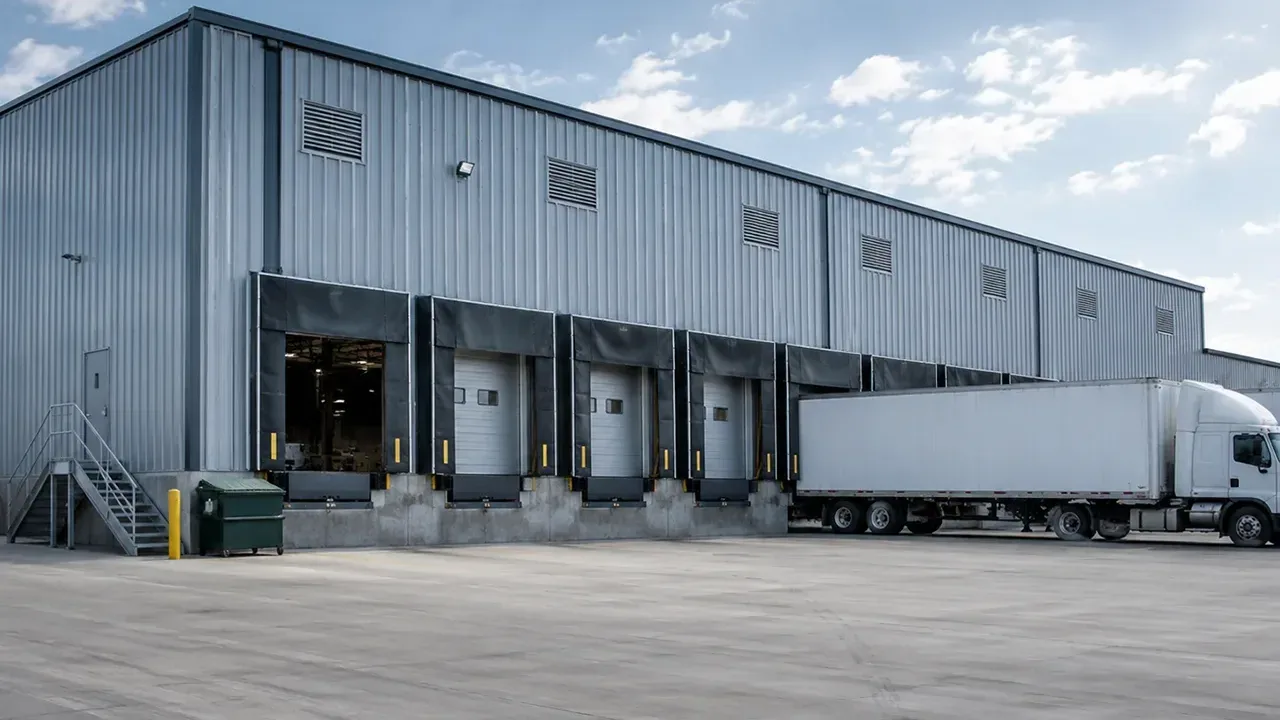
At shift end, the facility needs to know which roof section is closed, what was secured, whether any equipment is unavailable, and when the next crew access begins. We document the daily boundary and leave temporary protection clear to the owner contact. If an exposed area cannot be completed in one weather window, the sequence names the dry-in point and the condition that must be checked before work resumes.
After closeout, the facility file should include photographs, roof-zone names, material and tie-in notes, and unresolved follow-up. A photo condition report can preserve those details for maintenance and future capital review. Along Rossview Road or within the I-24 employment area, location helps orient the crew, but access and production constraints still come from the plant contact. We review the finished area with that person before equipment and production routes return to their normal schedule.
Schedule a Clarksville roof walk with your operations and facilities contacts. We will document the condition, identify a workable production window, and prepare a scope with clear shift handbacks.