
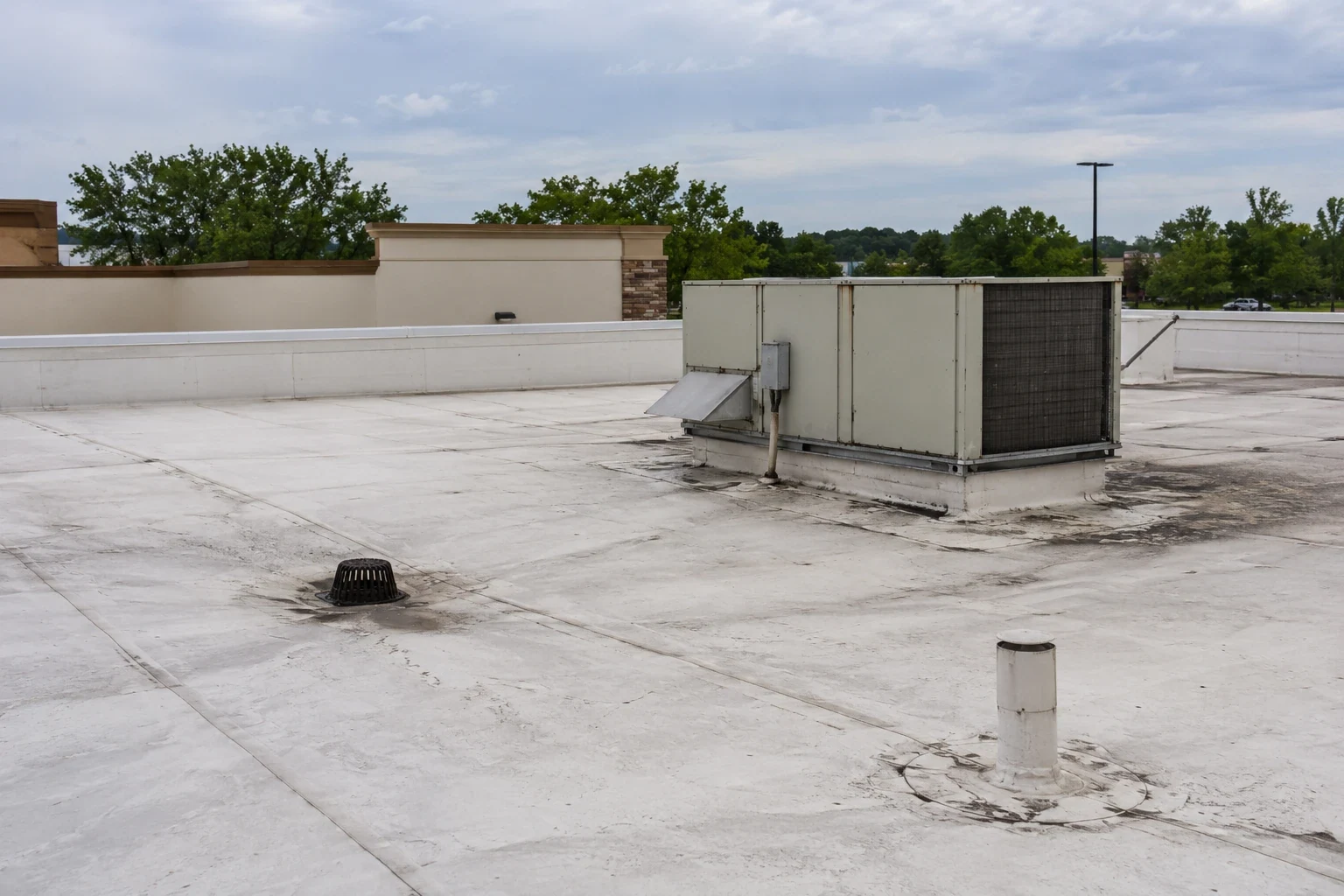
Freight schedules dictate where roof access fits into a Clarksville work plan. The industrial map shows employment areas in a road and rail setting, while Interstate 24 links the market to regional freight routes. Those details help orient a facility conversation; they do not establish the condition of a specific building. We inspect the reported roof zone, trace water toward its drain, and plan a secure opening that does not leave inventory exposed. The facility contact identifies peak receiving periods, trailer staging, and the aisle beneath the work so the daily handback gives operations a clear boundary.
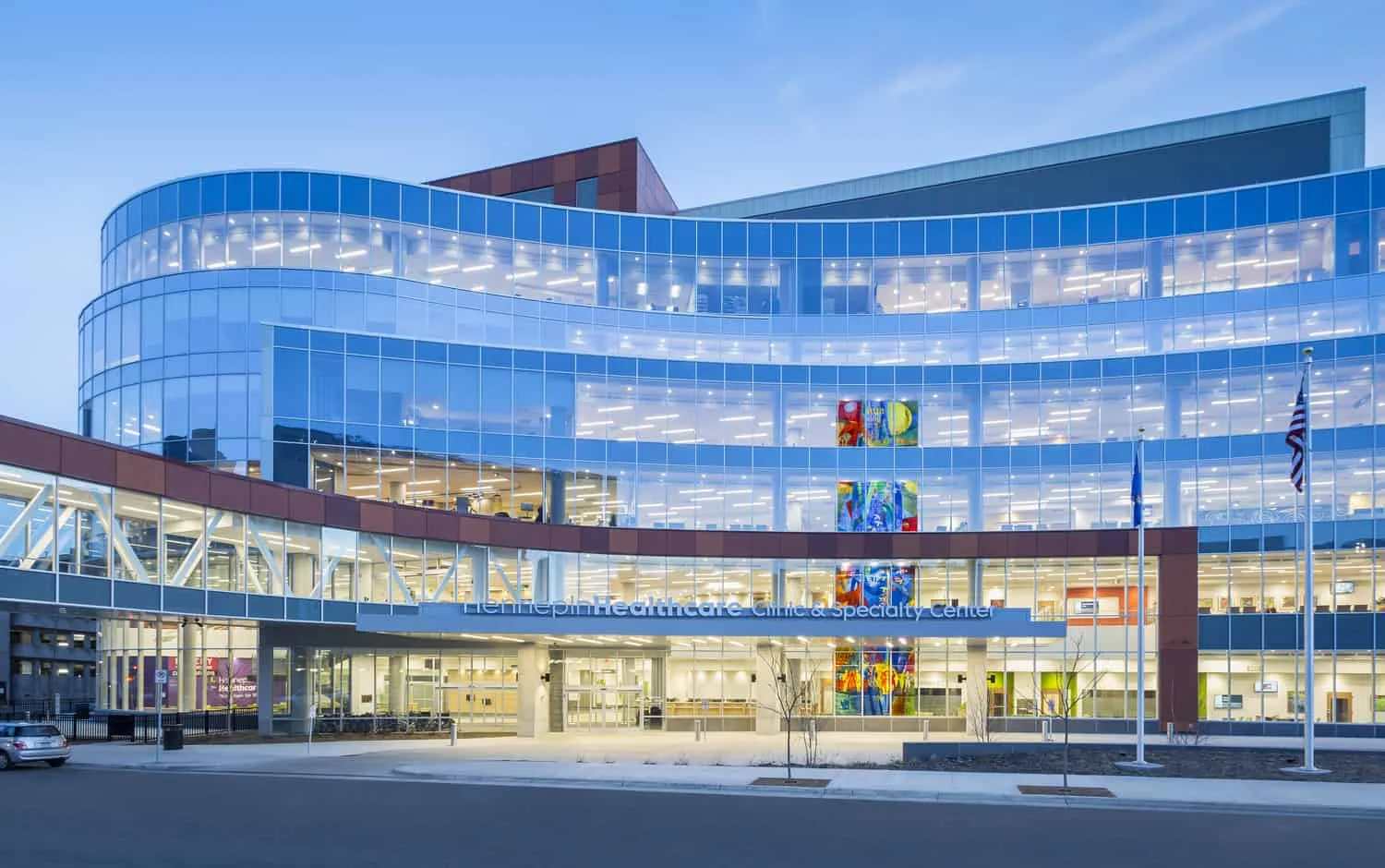
A distribution roof may cover docks, reserve storage, conveyors, offices, battery rooms, and refrigeration or ventilation equipment. Each area has different tolerance for noise, water, and restricted access. We ask where freight enters, what shifts cannot move, and whether a lift or material delivery would narrow a truck route. The scope identifies the roof section for each phase and states how the crew will protect goods below if a leak path crosses an active storage bay.
The local development context includes I-24 and the Exit 8 industrial area. That is useful for understanding why access and deliveries matter in the market, but the property manager still confirms gate rules and truck circulation for the individual site. A manufacturing roof review can help when a warehouse also supports production, while portfolio maintenance records keep distinct buildings from sharing an assumed roof history.
A stain over a pallet position may be several bays away from the opening. Water can travel along deck flutes or insulation before it reaches the floor. We compare the report's location and timing with seams, curbs, penetrations, drains, scuppers, and edge transitions above it. Photographs show both the defect and its roof-zone location. If the moisture boundary is not clear, we recommend a test opening or survey before defining removal limits.
For a Clarksville distribution roof, the May and November precipitation averages are useful calendar cues when planning staging, open-roof limits, and the daily dry-in. A roof opening needs a dry-in point that can be reached before the crew leaves the shift. We limit the area to work that can be secured, protect exposed insulation, and state who checks the temporary condition if the forecast changes. A hands-on inspection can map the baseline; drain and scupper work addresses an outlet when the finding is at the drainage path itself.
Conveyors, exhaust fans, HVAC units, solar supports, and service walkways can complicate a repair. We inspect the flashing at curbs and supports, note whether foot traffic has worn the surface, and check where runoff passes around equipment. The facility coordinates shutdowns or lifting with the responsible trade. Our scope states which party disconnects and resets equipment, who restores its operation, and how the new roof tie-in is inspected.
A truck route outside and a maintenance route above both belong in the work plan. We identify ladder or hatch access, tie-off needs, staging, and areas that should remain free of stored material. When work moves near a conveyor or unit, we keep the roof opening small enough to dry in within the available weather window. Curb and support repairs can be scoped with the membrane detail, and an occupied-building sequence can maintain operations by roof zone.
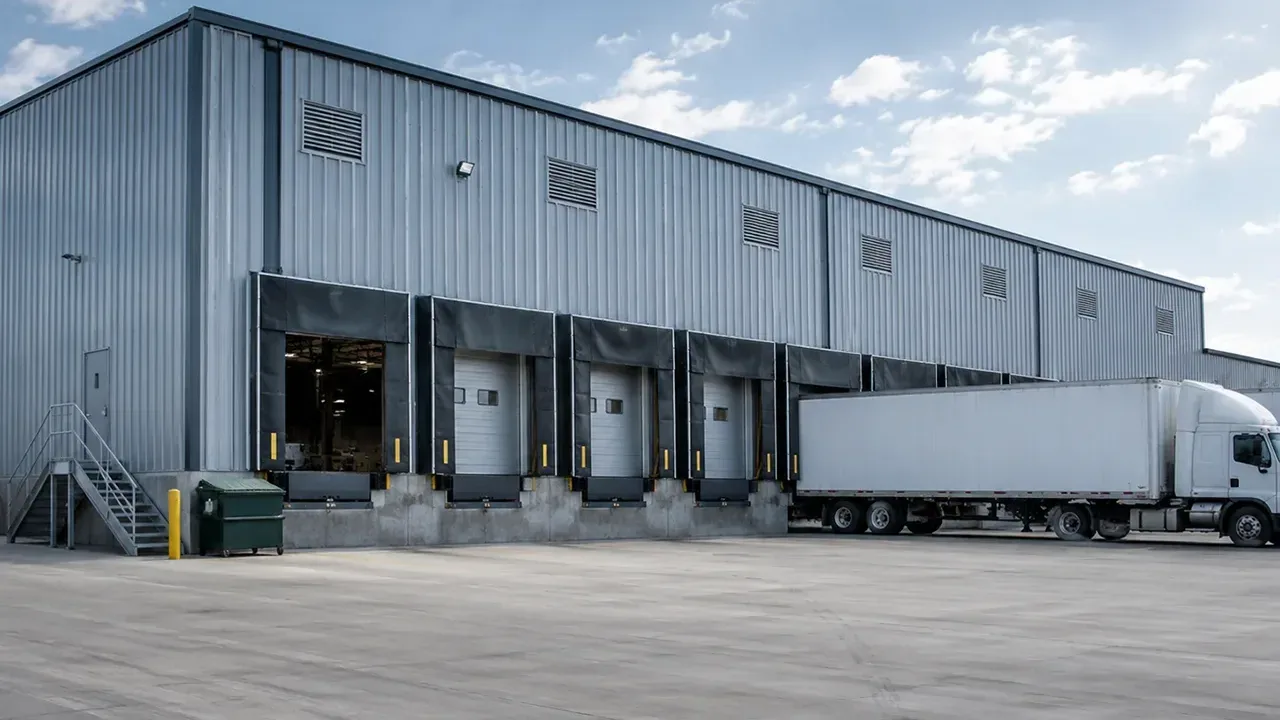
A defined repair can work when the opening is isolated, surrounding membrane is sound, and the tie-in can be made to stable material. If leaks recur across several seams, insulation is wet in multiple zones, or perimeter details are failing, the owner may need to review a larger replacement. We list confirmed defects, test areas, and repair limits separately. That makes the decision useful for an operations leader who must protect inventory while planning the next capital window.
Cost and duration depend on roof height, dock clearance, equipment moves, deck repair, material delivery, disposal, and protection below. The proposal identifies these drivers and approval points before removal begins. A localized repair scope and a replacement comparison should use the same roof map and access assumptions. The crew can work around freight only when staging and daily handbacks are agreed with the facility contact.
Only after the facility and crew set a safe boundary, a delivery window, and a plan for the area below. We identify lift placement, overhead work, temporary closures, and the handback point. If a door cannot be restricted, we schedule the roof section for another window or plan a different access route.
We map the affected roof area against inventory below and limit the opening to material that can be secured within the weather window. The plan identifies interior protection or a temporary relocation where the facility requires it. Photographs and the daily closeout show whether the zone is dry-in complete or still needs a check.
We inspect the roof above and adjacent to the reported aisle, following seams, deck direction, curbs, and drains. Water can travel before it becomes visible inside. If the path remains uncertain, we identify the next test instead of removing insulation across the warehouse without a verified boundary.
The operator identifies peak trailer times, staging lanes, and doors that cannot be blocked. We set deliveries and lift placement around that calendar, then divide roof work into zones when the assembly and weather allow. Every shift ends with a defined work boundary and a statement of what can reopen.
Repeated seam failures, wet insulation across several areas, deteriorated edges, and continuing drainage trouble can point beyond a single repair. We document the evidence, show any test limits, and compare repair with replacement on the same roof map. The owner can then plan around inventory, equipment moves, and an appropriate work window.
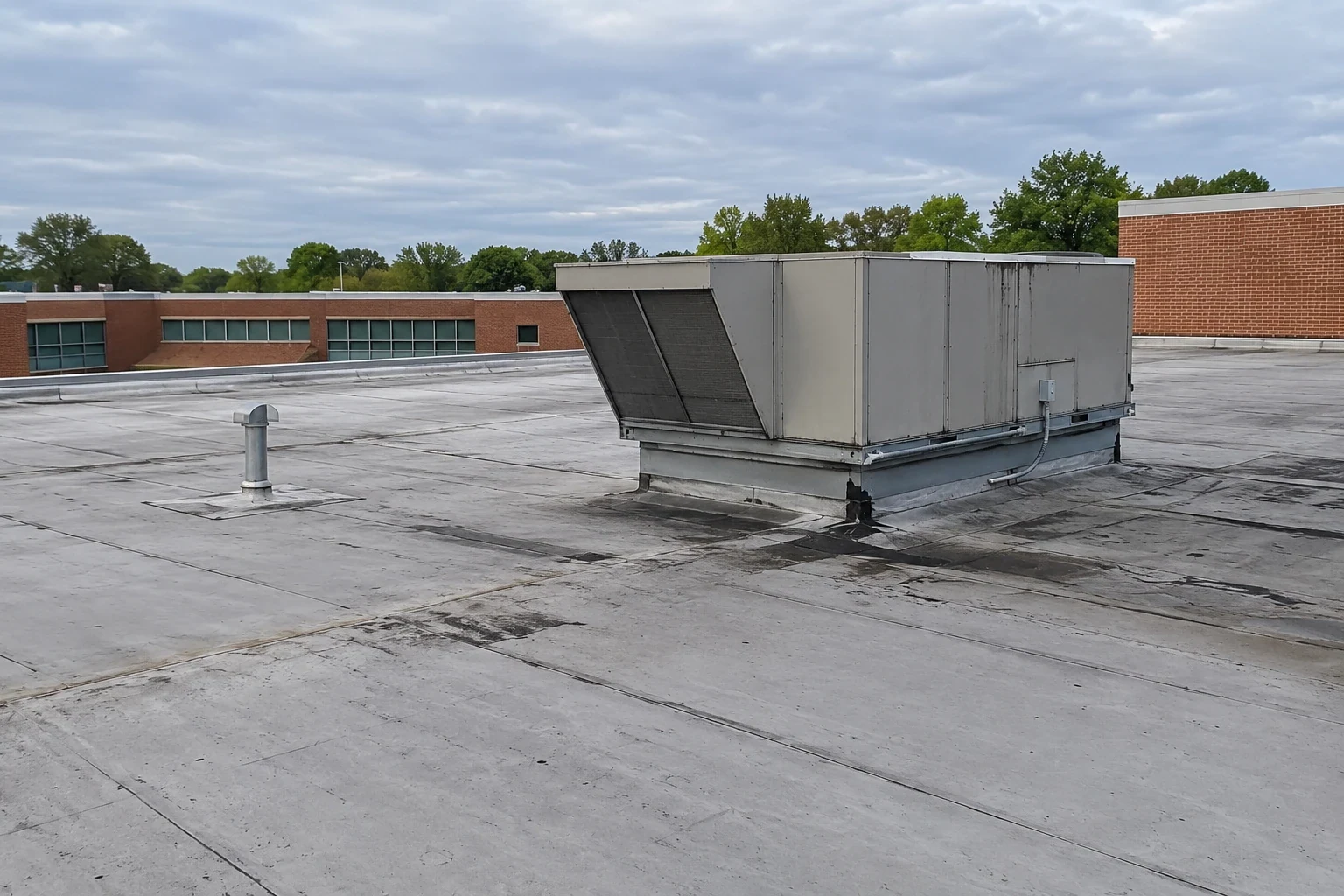
A daily handback should identify the roof section completed, any material still exposed, the condition of temporary protection, and which aisle or dock can return to normal use. We document repairs with close-up photographs and a roof-plan marker so the next shift can see the boundary. If a temporary dry-in remains, the record names the next inspection time and contact rather than leaving a general note to watch the area.
For a property reached from Rossview Road or within the Exit 8 employment area, we confirm the actual delivery route and contact with the operator. A photographic condition record keeps repaired seams, drains, and equipment curbs available for a later walk. The next inspection can compare the same point after rain, trailer vibration, or equipment service. That gives a warehouse manager a practical sequence: protect the active zone, release the aisle, record the work, and return to any deferred condition before it becomes a new operations problem.
We also review who releases a roof section back to warehouse staff. A marked route, updated work-zone map, and named contact reduce ambiguity at shift change. If the remaining work has to wait for a second weather window, the closeout identifies where the crew will resume and what protection to inspect first. Freight teams can then plan the affected bay without treating a temporary dry-in as final repair.
Coordinate a Clarksville roof walk with your facilities and operations leads. We will inspect the reported areas, map the work zone against freight activity, and set clear handbacks for each phase.