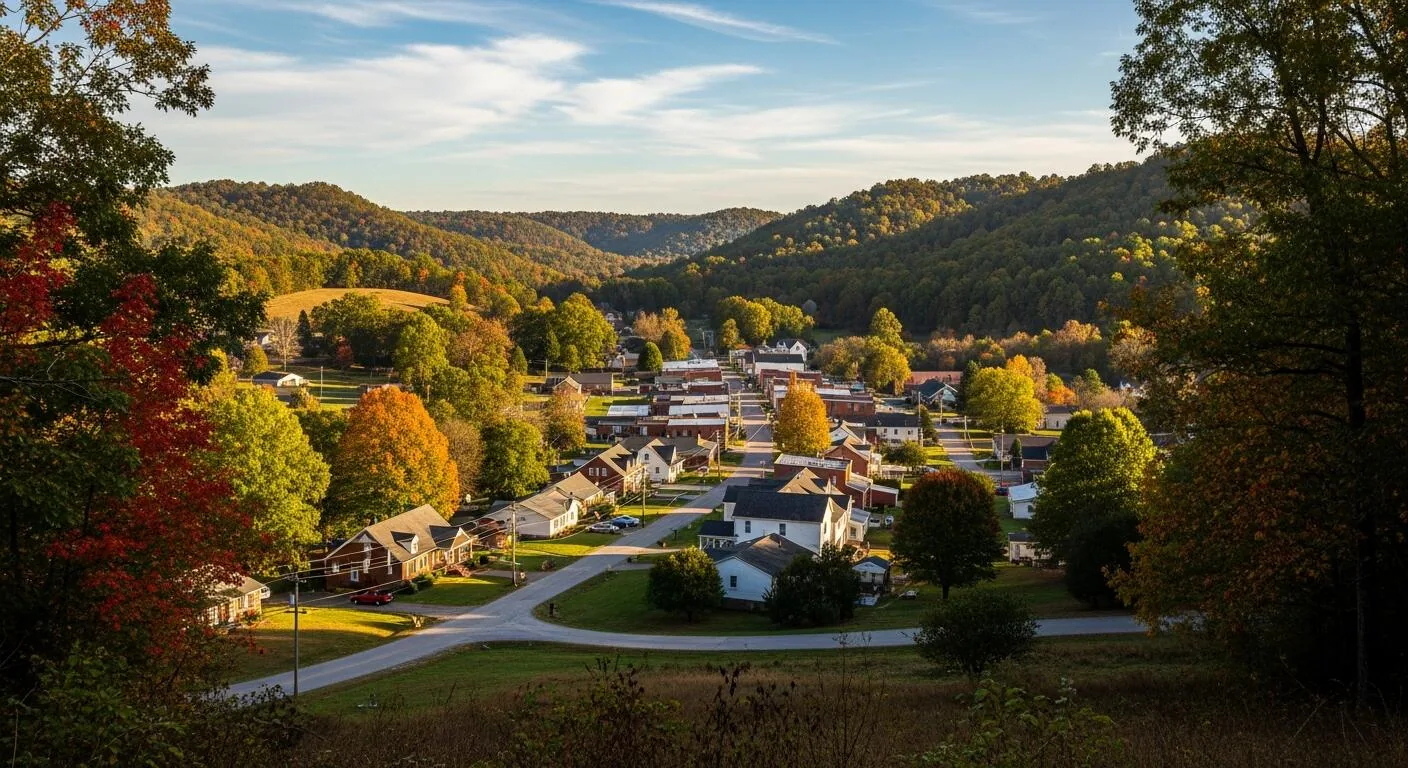
South Park is part of a broader Clarksville industrial geography, not a single property with one roof profile. It is a district-scale area with multiple properties, existing businesses, roads, Interstate 24, and rail in the surrounding employment context. For an owner, the useful starting point is still the building: roof age if known, active leak reports, drainage, access, and what the operation needs kept open. We walk the assembly, identify the work zone, and set a next step that can be checked at the property.
We identify the installed membrane or metal system, note transitions and penetrations, and trace water toward drains and overflow points. On the roof, loose edge metal, open seams, previous patches, or damaged flashing can define a repair question. Inside, the location of a stain or equipment report helps locate the investigation, but it may not sit directly below the roof opening. We record each observation by zone and state when a test is needed to confirm hidden moisture or deck condition.
South Park's district context does not describe an individual building's construction or roof history. Our recommendation comes from the actual assembly. A commercial roof inspection records material, details, and access limits; moisture readings can help prioritize areas for closer testing when conditions support that method. The report ties every indicated area to a field check rather than treating an instrument result as a repair order.
A December 2023 tornado crossed the Clarksville area, and preliminary hail observations were reported in Clarksville in May 2024. Those events make it sensible to inspect edges, seams, panels, and penetrations after a property reports exposure, but they do not establish what happened at a South Park address. We photograph actual movement or impact, compare the affected area with nearby details, and distinguish storm observations from earlier wear. The owner receives a bounded scope based on the roof, not an event label.
Rainfall and heat also affect how a repair is sequenced. Clarksville's monthly precipitation averages extend through summer and cooler months, with warm July and August mean temperatures. We choose the open area based on the immediate weather window, the repair material, and the time needed to prepare and close it. A temporary dry-in response can address an active opening while the permanent detail is evaluated. Drain paths stay clear, and the close-in boundary is recorded before the crew leaves.
A small puncture, failed seam, or loose flashing may be repairable if surrounding material is stable and the tie-in can be prepared correctly. Multiple wet areas, repeated failures, or movement across several roof sections can warrant broader testing. We show the repair boundary, what is being removed, how new material connects to sound roof, and what concealed condition could change the scope. An owner can then compare local repair with recovery or replacement using the same verified condition record.
Before comparing alternatives, we check whether separate additions created different roof assemblies, whether drains can handle runoff after a recover, and whether the perimeter can accept a new tie-in. A small opening can answer a larger question about insulation or deck condition, but the location and restoration need to be approved in advance. The estimate identifies that test as a separate decision rather than including unmeasured removal. If the findings stay localized, the repair can be limited. If they extend across several zones, the owner can compare phased work with full replacement using actual measurements and operating constraints.
Operational demands belong in that comparison. A limited repair may fit between shifts; a larger project may require staged access, material lifting, interior protection, and several daily handbacks. A repair recommendation defines the immediate work, while a recover review checks existing layers and drainage before adding a new system. If the assembly or concealed condition cannot support those paths, a replacement plan can lay out removal and close-in by zone.
Interstate 24, rail, and connecting roads give the South Park area a useful regional frame. Those routes do not identify a tenant entrance, roof hatch, staging pad, or loading schedule. The property contact confirms where crews report, which gate can accept a delivery, and what must remain open for daily operations. We check lift and fall-protection needs, overhead restrictions, tenant routes, fire access, and the point at which each work zone returns to service.
North Park and East Park are also multi-property areas in Clarksville. An owner managing more than one district may use a consistent inspection form, but each site's assembly and conditions stay separate. A North Park roof inspection plan and East Park repair sequence can use the same record fields. If the facility stays occupied, an occupied-building work sequence defines where staff can move while roof zones are active.
No. A regional weather event does not establish conditions at a particular building. We document the roof's observed condition, including edge movement, open seams, punctures, or interior water reports, and tie any recommendation to that evidence.
It can help identify areas for closer review when surface and weather conditions are suitable. We compare indications with the roof assembly and field observations, then use a test opening where needed to verify moisture before defining removal or replacement limits.
The facility contact confirms the gate, truck timing, staging area, and any route that must remain clear. We set the roof zone and daily handback around those restrictions, then notify the site before access or noise changes.
Repeated failures, moisture across multiple zones, unstable attachment, or a detail that cannot tie into sound material can support a broader review. We separate confirmed findings from concealed conditions and show what test or approval would change the recommendation.
Keep the mapped area, photographs, material notes, tie-in details, protection boundary, and any outstanding inspection together. We identify the next check and who needs the update so staff can compare future conditions without guessing which roof zone was repaired.
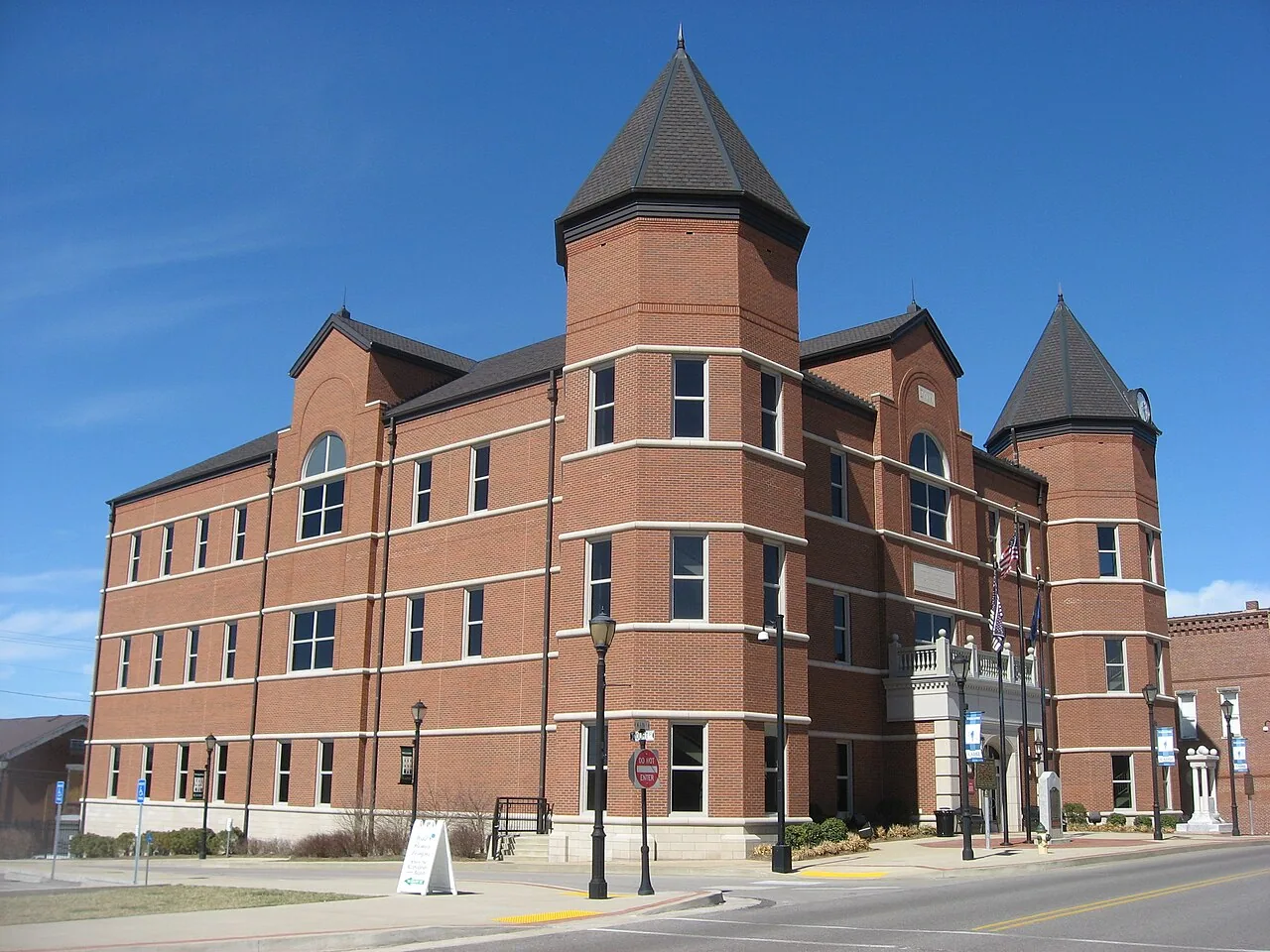
At closeout, the owner should receive the roof-zone map, before-and-after photographs, material and tie-in notes, temporary protection limits, and any item still awaiting a test or approval. We identify completed work separately from maintenance observations so the file does not blur an approved repair with future planning. If more than one building was inspected, each roof gets its own record and next inspection point.
South Park, North Park, and East Park are broad areas, while each roof's maintenance need remains specific. We can review drains, edge metal, seams, and prior repairs on a scheduled maintenance visit, then update the building record with conditions actually observed. A roof condition report gives facility staff a way to compare future findings with the same locations and understand whether a leak is new, recurring, or still under evaluation. Note who accepted the work zone, whether the crew restored displaced materials, and what equipment or interior finish still needs another trade. Those details make the closeout useful for the next roof walk. Store the final repair notes with the building plan and keep any area omitted for access or safety visible in the handoff, so later reviewers know what the crew did not inspect.
Provide the building plan, leak reports, operating hours, and access limits. We will inspect the roof, map confirmed conditions, and outline repair or capital options by zone.