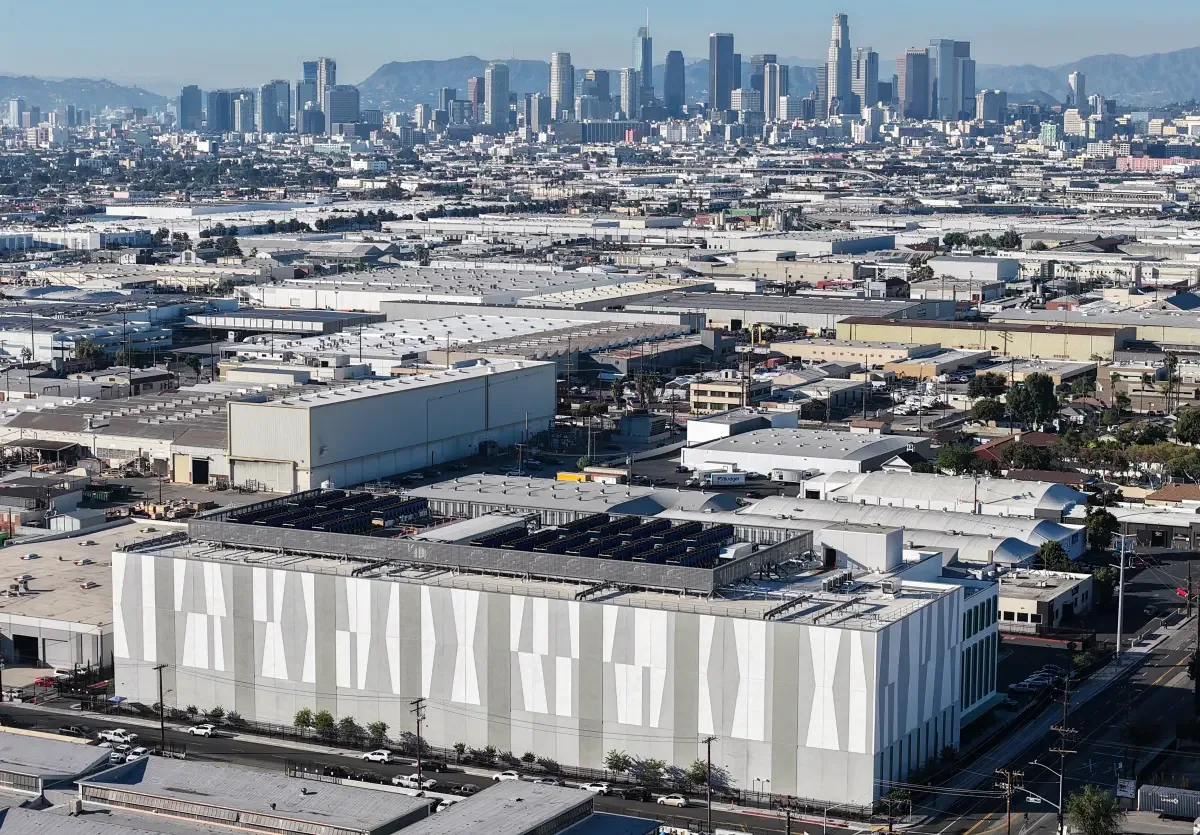
Rain reaches a warehouse roof in every season around Clarksville, and the warmest months bring their own membrane stress. The local normals show July and August mean temperatures near 79 degrees, with average precipitation of 3.64 inches in July and 3.17 in August. That record does not diagnose a particular roof. It does make drainage, seams, edge securement and protected inventory sensible first checks. We walk the roof, follow water toward each outlet, and record exposed details before recommending a repair or replacement. The sequence has to fit loading activity, tenant circulation and the access route as well as the roof condition.
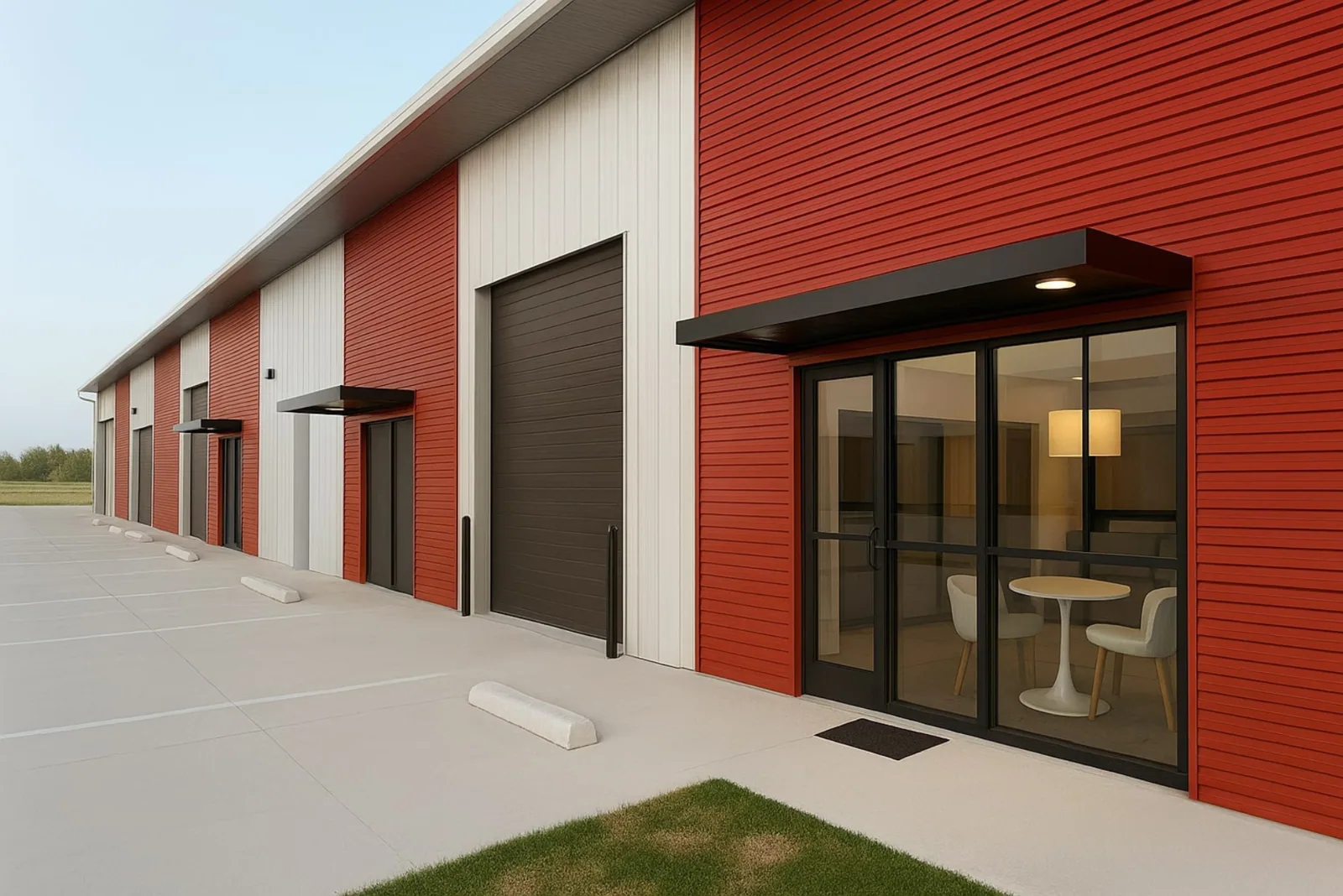
Long membrane runs over warehouse bays can hide an opening until water has traveled beyond the visible stain. We compare interior evidence with seams, penetrations, curbs, drains and perimeter metal above it. Summer heat can shorten the repair window, while recurring rain changes how we protect exposed insulation between shifts. The scope should state what gets opened, how the work zone stays dry and where the dry-in point sits. For system choices, our commercial roof systems start with the deck, existing assembly and operating constraints rather than a product label.
Equipment and traffic paths affect the inspection. We note units and service routes, then check whether curb flashing or conduit supports interrupt drainage. A wet insulation reading can justify a closer opening, but it does not establish how much material should be removed. We record the observation and next test separately, keeping a local repair in view when surrounding membrane remains sound.
Warehouse portfolios around Clarksville can be grouped by North, East, and South Park employment districts, but roof access and operating hours vary from property to property. Those districts help explain why a roof may serve storage, fulfillment and production at once; they do not tell us a building's age or assembly. On a roof walk, we mark low points, clogged strainers, open laps, loose edge metal and old patches. A drain or scupper repair can address a defined outlet problem, while broader ponding may point to slope or insulation concerns that need a different scope. The North Park employment area and East Park district are useful local reference points for warehouses with varied work and access patterns. The mapped employment districts connect with road and rail context near I-24 and the Exit 4 Retail District, where receiving access can affect a work window.
We photograph each finding and tie it to an identifiable roof zone. That matters when inventory and forklift routes continue below. If water is active, we isolate the opening and record temporary protection. We then decide whether repair stays within one bay or includes a nearby seam, curb or drain. The work sequence should show each boundary and daily handback instead of calling for a patch with no stopping point.
Warehouse work is easier to coordinate when the roof map and receiving calendar are reviewed together. We identify lift locations, loading doors that cannot be blocked, occupied offices and areas where debris could affect circulation. A phased occupied-building reroofing plan can move by roof zone with a clear daily handback. It should name the work area for each shift and protection needed below it.
A facility team in North Park, East Park or South Park may manage sections with different repair histories. We record each section's identifier, observed condition and recommendation. For multiple buildings, a roof asset record can keep photographs, repair dates and open decisions together. This helps separate an active leak from a capital project without treating every roof as the same age or condition. A distribution-center roof plan can also account for higher turnover at docks and staging areas.
A repair can fit when the defect is bounded, surrounding membrane is sound and the transition can be made watertight. Replacement deserves review when wet insulation, recurring seam failures, deteriorated flashing or poor drainage spans several zones. A recover requires evaluation of the existing assembly, attachment, moisture and code constraints. We separate confirmed findings from areas needing an opening or test, then give the owner a condition record before choosing a scope.
Timing and cost change with access, deck condition, insulation removal, equipment resets, edge metal, disposal, weather exposure and project phases. We itemize work by roof zone, explain what could trigger added repairs and identify decisions needed before materials arrive. The facility team can compare repair, recover and replacement using the same known conditions rather than different assumptions.
A manufacturing roof review may involve production hours and equipment access that differ from a warehouse, even when the roof systems appear similar.
We begin at the interior stain, then compare its position with roof seams, penetrations, curbs, drains and perimeter details. Water can travel along a deck or insulation before it shows indoors. Photographs and moisture checks help narrow the path; an opening may be needed to confirm the wet area. The repair scope should identify the source detail and the boundary of material removal rather than assume the stain marks the roof opening.
Often the work can be divided into zones, but the loading calendar, staff routes, equipment and work-at-height protection determine the sequence. We map the roof area against receiving activity, keep a defined work zone, and set a daily handback. If a door or aisle must be restricted, that window belongs in the schedule before mobilization. A phased plan is more useful than a blanket promise that operations will not be affected.
A single confirmed opening with sound surrounding materials may support a localized repair. Wet insulation in multiple zones, recurring seam problems, deteriorated flashings or widespread drainage trouble can change that decision. We record what is visible and what requires testing, then show the owner the limits of each option. The final scope should state whether wet material is removed, how the deck is checked and how the new work ties into the retained roof.
The assumptions often differ: one scope may include insulation removal or equipment resets while another excludes them. We break work into roof zones and identify access, deck repair, edge metal, drainage, disposal, temporary dry-in and weather windows. If concealed conditions could change the work, the proposal says how they will be documented and priced before proceeding. That gives the facility a fairer comparison than a single roof-wide figure with no boundaries.
Keep the roof plan, zone names, photographs, service dates and unresolved observations together. Each handback should note what changed and whether temporary protection remains. A later inspector can compare the same drain, seam or curb against earlier images instead of starting without context. We can provide a written condition record and help the facility establish a next-inspection list tied to the roof areas that were repaired or left for later work.
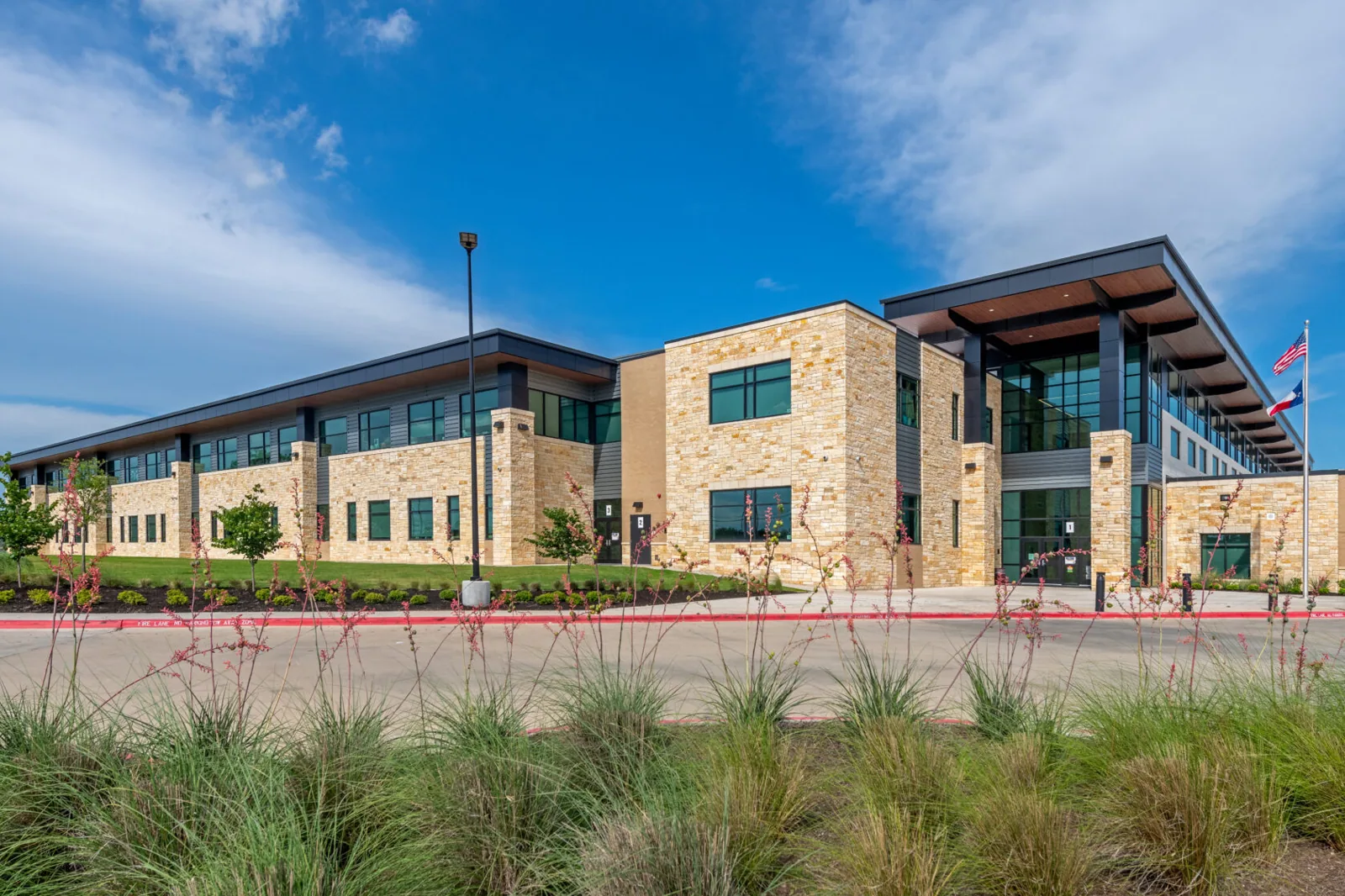
Each handback should show what was opened and repaired, where temporary protection remains and which zones are ready for use. We photograph seams, flashing and outlets before moving to the next area. Keep these observations with maintenance records and future capital planning.
The next inspection should revisit repaired transitions and drainage paths after substantial rain. We note whether the repair remains secure, water clears as intended and equipment work has disturbed any curb or walkway. A condition report separates a new finding from a recurring issue, helping staff direct the next service call to the right zone. In Clarksville, start with the active leak locations, operating schedule and safe roof access requirements.
Tell us where water is appearing, which receiving periods cannot move, and what roof access is available. We will inspect the affected zones, document the drainage path and prepare a repair sequence that gives your facility team a clear daily handback.