
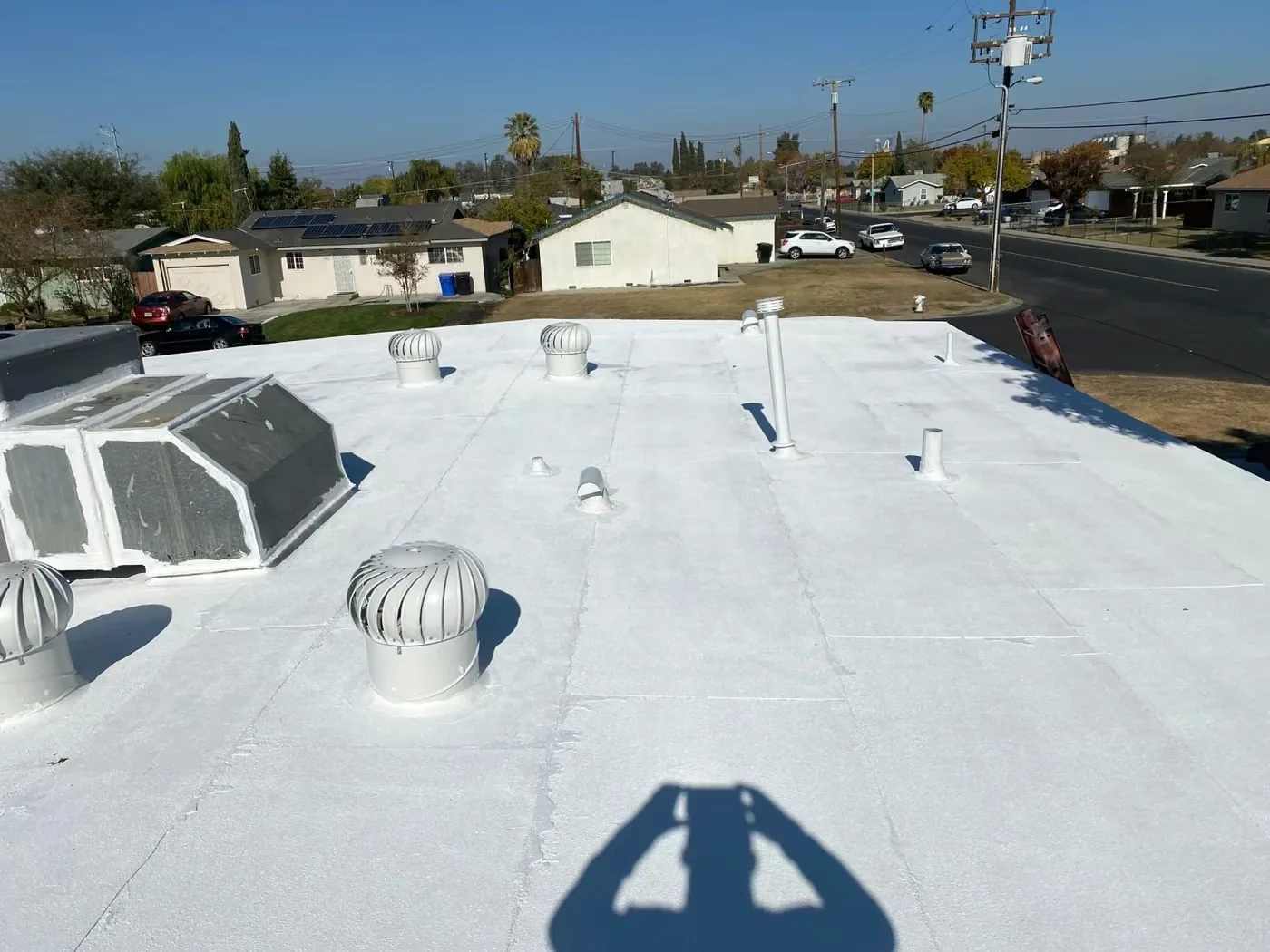
A leak during a Clarksville rain can interrupt an occupied shift before the leak entry is clear. The ceiling mark may sit below a seam, curb, drain, or wall transition some distance from where water entered. We first help the facility contain interior exposure, then trace the likely path from the room back to the roof detail. A tornado crossed the Clarksville area in December 2023, and hail was reported locally in May 2024; a response still needs to document the actual opening. Along Corporate Parkway and the Wilma Rudolph Boulevard corridor, commercial buildings have different operating hours and access routes. We confirm those conditions with the facility contact and keep the active work area small enough to protect and dry in before the crew leaves.
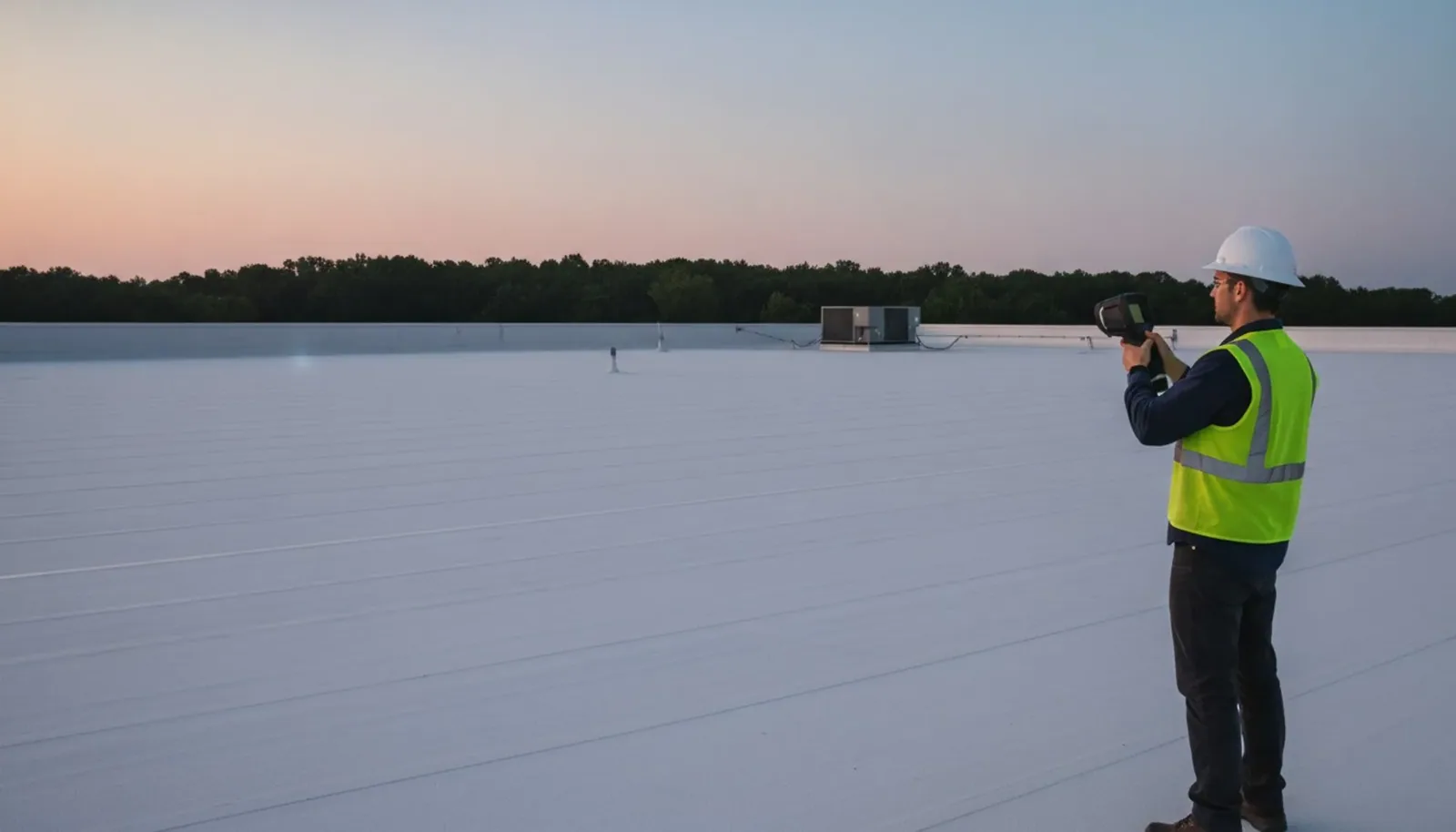
When water is entering, the first call should identify the room, equipment, inventory, and people that need protection. We coordinate temporary containment with the facility staff and locate the safest route to the affected roof area. If water is near electrical equipment or a critical process, the building's own safety lead determines the interior response. Our roof work begins after access and immediate hazards are addressed. We photograph the interior condition and note when it appeared so later findings can be compared with the weather and roof inspection.
A powerful tornado crossed Clarksville in December 2023, followed by local hail reports the next spring. Those events can inform what we examine, including perimeter metal, membrane impact, seams, and penetrations, but we do not assign a cause until the roof shows evidence. A temporary tarp or seal is a short-term dry-in, not a substitute for a prepared repair. For a fast response, emergency roof repair can secure the opening; a later hands-on inspection records adjacent conditions once the surface is safe to review.
We compare the stain or drip with the roof layout, then check the likely travel path above it. Water can follow a deck flute, insulation joint, framing member, or pipe route before it reaches a ceiling. On the roof, we look for split seams, loose flashing, punctures, open laps, failed sealant, backed-up drainage, and exposed fasteners. The repair has to fit the installed roof system and the condition around it. A patch on the nearest visible area will not help if the entry lies at another transition.
For a building close to the broad Exit 4 retail district, interior protection and access may need to preserve customer areas and deliveries; a property in North Park may have receiving and production routes to keep clear. Those are planning cues, not assumptions about any individual roof. We confirm the actual room, route, and roof zone with the facility director. If the entry is at a drain, we review the drain and scupper detail; if it follows a curb or wall, we examine penetration flashing and any adjacent seam before defining the repair boundary.
The work plan names the defect, preparation, material, tie-in, and dry-in point. We clean and prepare the compatible surface, remove unsound material where required, and rebuild the detail so the repair bonds to sound roof components. If moisture or a soft deck appears during the opening, we stop at a protected boundary and show the condition before proceeding. A change in scope is recorded instead of concealed under a new layer. That gives the owner a chance to approve the next step with the roof open and the evidence visible.
May averages 5.50 inches of precipitation in Clarksville, the highest monthly total, while rain also occurs in other parts of the year. Forecast timing can therefore affect surface preparation, cure, and how much area is opened. We confirm the weather window before removing material and keep drains clear during the repair. A daily handback records the completed detail, temporary measures still in place, and the next inspection point. If the problem repeats, the repair history can support a broader review of preventive roof maintenance or a photo-based condition report rather than another isolated call.
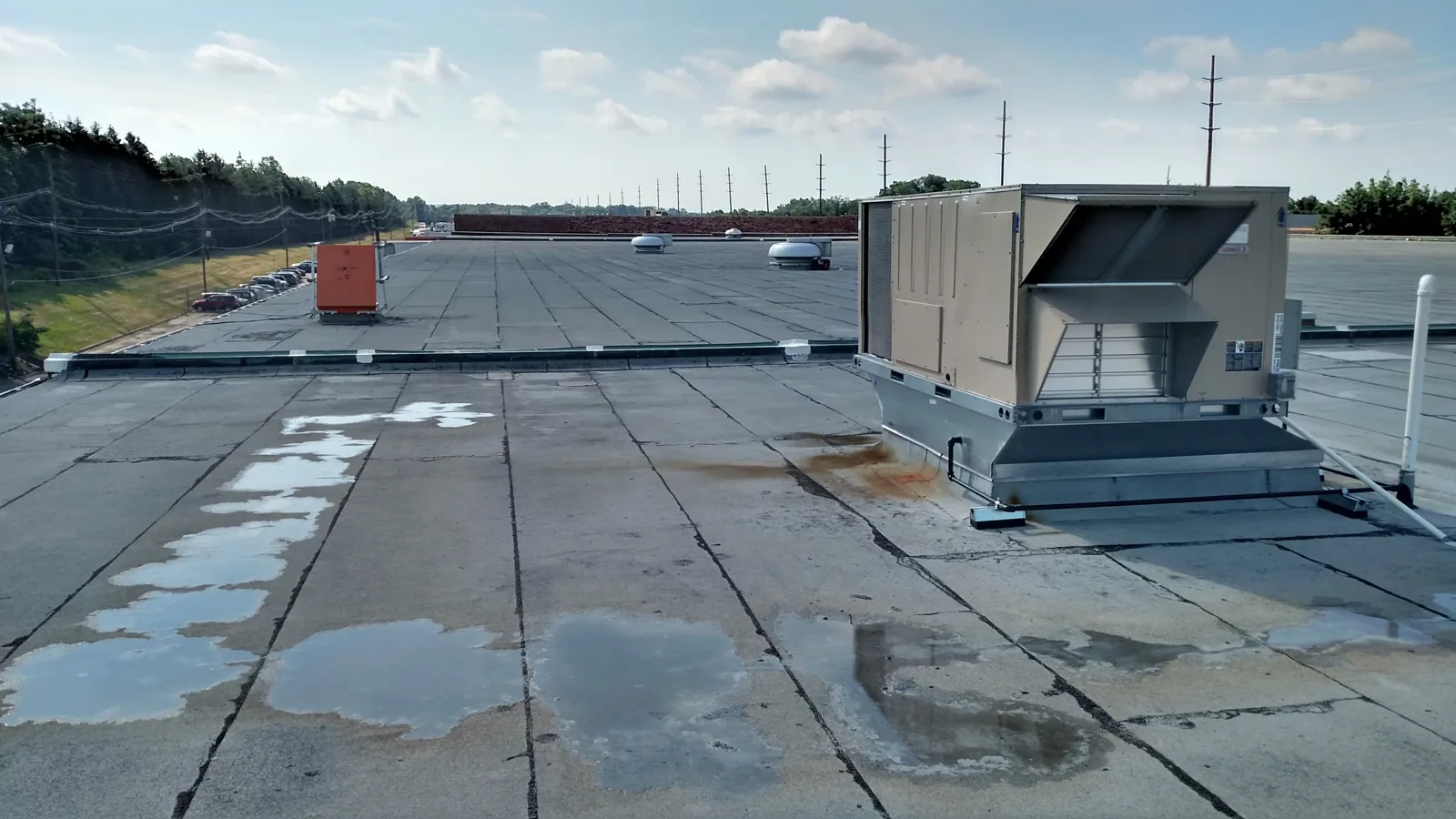
Access planning matters when the leak sits above a clinic room, production line, office suite, or active sales floor. We confirm the lift point, roof route, work-zone limits, equipment shutdown needs, and who can authorize access before dispatching a permanent repair crew. If the building cannot give access to a room or the roof safely, we explain what temporary protection is possible and what remains unresolved. A clear contact path prevents the crew from blocking loading or entering a controlled area without direction.
Corridors such as Wilma Rudolph Boulevard and Fort Campbell Boulevard connect different parts of Clarksville, but site access remains a property-level question. We coordinate arrival and staging with the facility, protect tenant circulation, and set a handback time. Any interior ceiling tile or stored item moved for access is returned or identified for the facility team. The record includes the repair photographs and follow-up observation, so a second rainfall can be checked against the same location and condition rather than treated as a fresh mystery.
Water may travel along a deck, insulation joint, framing member, or service route before reaching the interior. We inspect above the affected room and check nearby seams, curbs, penetrations, and drainage details. Photographs and a roof plan help us trace the path instead of patching the nearest visible area.
Give us the room or roof area, when the water appeared, what equipment or inventory is at risk, and who can provide safe roof access. Tell the facility safety lead about any electrical or process concern. Those details help us stage temporary protection and choose a work zone without disrupting required circulation.
A tarp or temporary seal can secure an opening until the roof can be prepared for a compatible permanent repair. We identify the temporary measure, its limits, and the follow-up it needs. The final repair depends on locating the leak entry and checking the surrounding membrane and flashing for connected damage.
We coordinate the room below, roof access, work zone, loading, and operating hours with the facility contact. The amount of work that can proceed depends on safe access and the forecast. When a larger opening cannot be dried in during the shift, we reduce the area or return under a workable weather window.
We compare the new report with the original repair record and revisit the tie-in, adjacent details, and drainage path. A repeat does not automatically mean the repaired seam failed; water may be entering through a different nearby detail. The follow-up documents what is confirmed and whether another test opening is warranted.
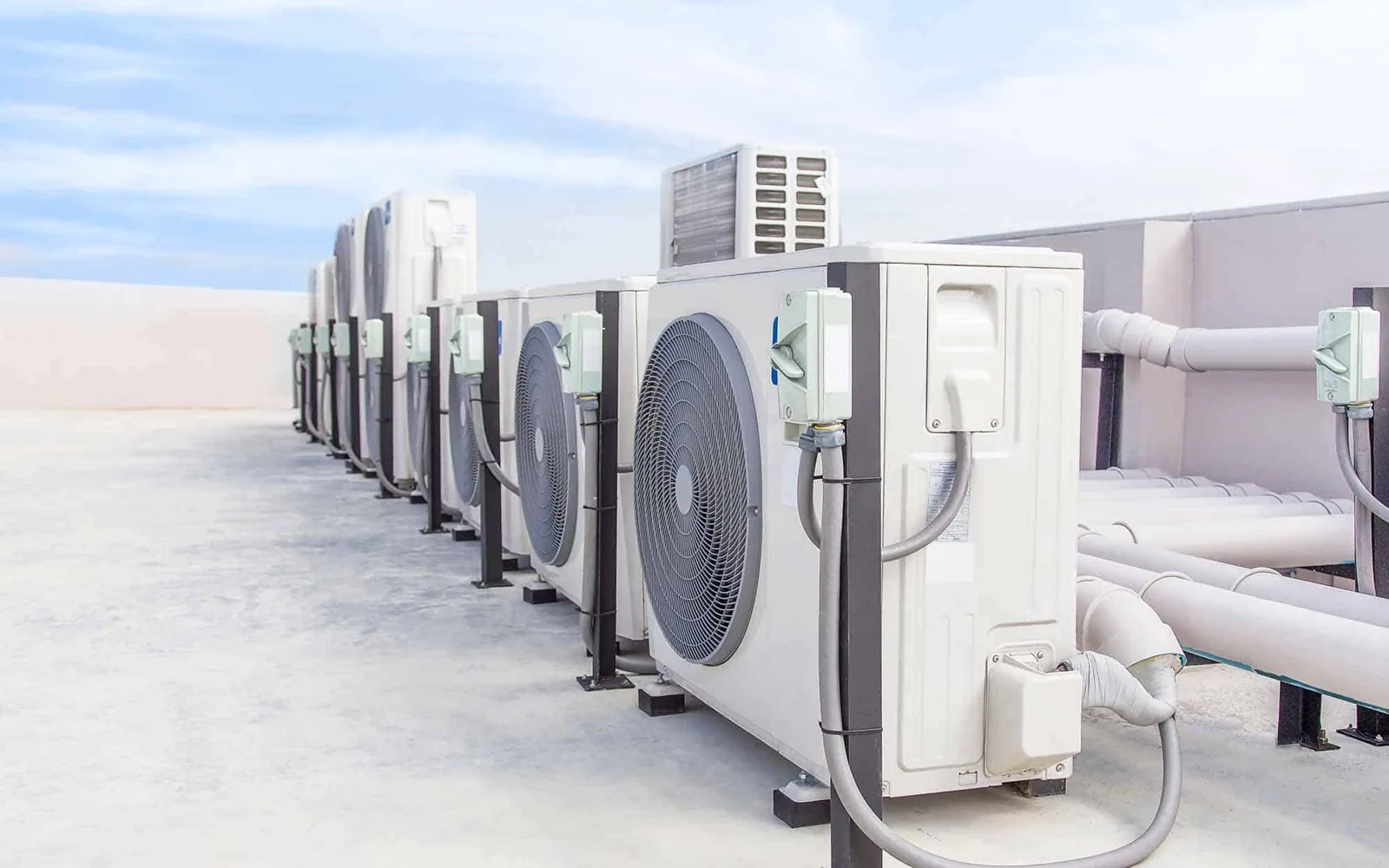
A successful response should tell the facility what has been sealed, what was not opened, and whether a temporary detail needs a permanent follow-up. We provide before-and-after photographs, the roof area repaired, materials and tie-in, and any condition discovered beneath the membrane. If the leak origin could not be confirmed during the first visit, the report says what additional test or access would resolve it. No repair record should imply that concealed roof areas were inspected when they were not.
The next step may be monitoring the repaired area after rain, scheduling a broader roof walk, or preparing a replacement scope if deterioration extends beyond the leak. We will help the owner distinguish that decision from immediate water control. Arrange a Clarksville visit near Corporate Parkway or Wilma Rudolph Boulevard, and provide the interior location, roof access contact, and operating window. The response then follows the evidence and the building's occupied schedule.
Call to coordinate a Clarksville leak response. We will protect the affected area, trace the roof-level entry, and leave the facility with a repair record and clear follow-up.