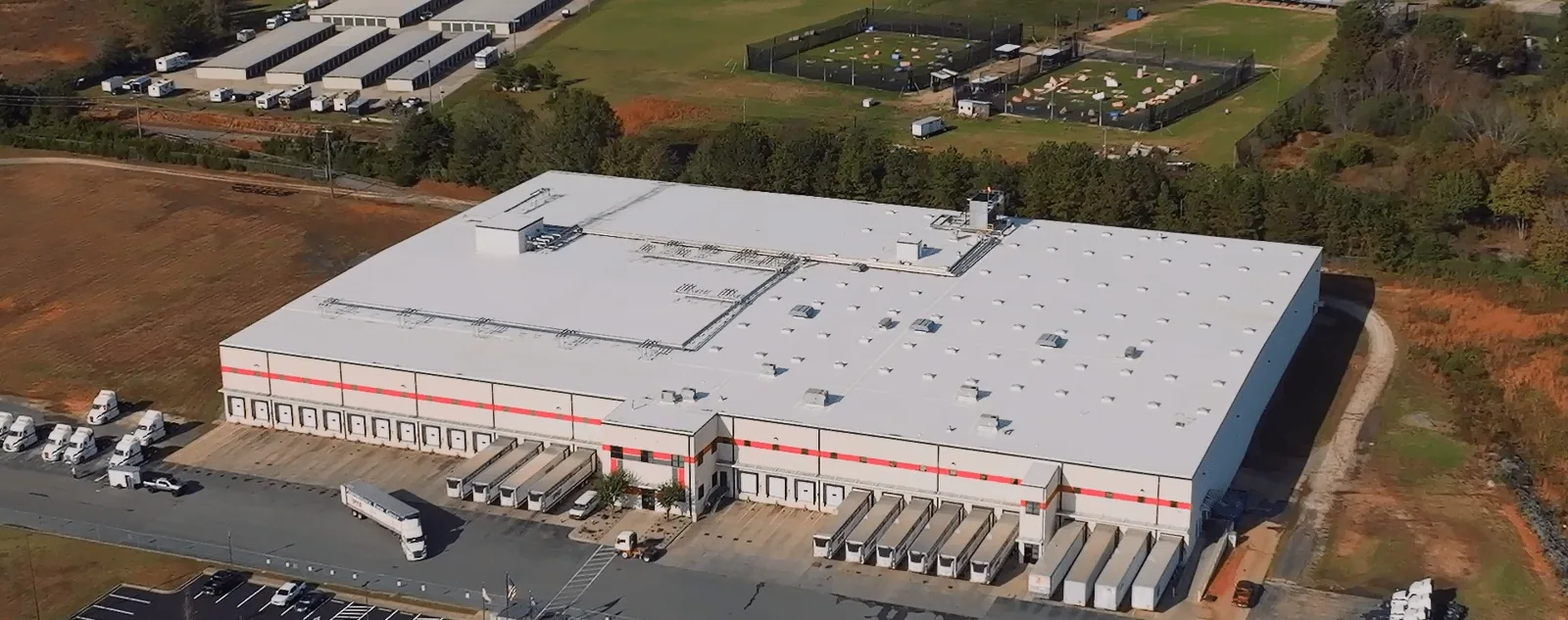
Warm, wet stretches can expose a roof detail that looked quiet during a dry inspection. For an EPDM roof in Clarksville, TN, we trace drainage, inspect seams and terminations, and record how movement affects the field sheet. July and August normals combine high mean temperatures with monthly precipitation, so the system needs a reliable drainage path and a repair sequence matched to the weather. Near East Park or along Trenton Road, the building still gets its own roof map, access plan, and observed condition before we recommend patching, recover, or replacement.
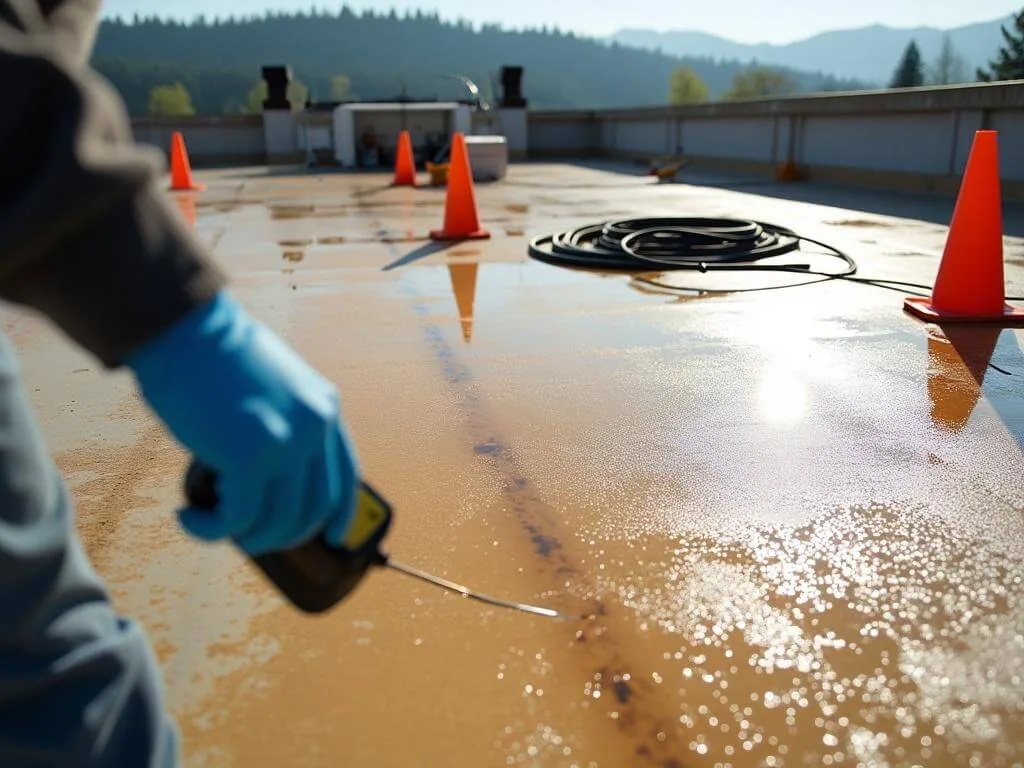
EPDM is an elastomeric membrane, and its details have to accommodate movement without pulling away from the roof edge or opening a seam. We inspect adhesive and taped laps where present, corners, penetrations, terminations, and repairs for separation, wrinkles, and changes in bond. A crack or loose lap is mapped by roof section, then compared with nearby drainage and foot traffic. The written finding identifies the material and connection that need repair. A loose termination bar or missing cover strip can allow pullback at the edge. We check the fastener line, wall counterflashing, and transition to metal, then note whether the defect is isolated or follows a longer run. If a section has been reworked, the repair boundary follows the field condition rather than an old plan. That record keeps an edge patch from hiding a continuing attachment question.
Clarksville normals show July and August mean temperatures near 79 degrees, with monthly precipitation in both months. Those conditions make movement and runoff sensible inspection topics, not proof of a defect. The roof walk checks the actual membrane, edge securement, and water path. A seam failure review can define a repair where the lap has opened, while a modified bitumen comparison is useful only after the owner knows the existing assembly and the desired service sequence.
Water entering near a curb can travel below a membrane before appearing inside. We compare reported rooms and dates with low points, drain bowls, wall transitions, and prior patches. A drain that is obstructed, a loose flashing edge, and a deck depression call for different corrective work. We photograph the suspected path, note any area that could not be accessed, and keep confirmed leakage separate from a moisture question that needs testing.
The local annual normals show rain through summer as well as during other months. We check outlets and overflow paths before specifying a membrane repair, then identify whether temporary protection is needed below the active zone. A targeted moisture survey can help identify areas for further testing when the roof surface and interior report do not line up. The next step stays limited to what the available evidence supports.
A compatible patch may fit an EPDM roof when the surrounding membrane remains secure and the defect has a clear edge. We define surface preparation, primer or seam tape where specified, patch shape, pressure application, and inspection of the completed bond. If the existing surface has several generations of patching, broad wet insulation, or unstable attachment, the owner needs a larger assembly review before another overlay is considered. The proposal states which detail is confirmed and what remains concealed.
East Park is a multi-property employment area shown with I-24, roads, rail, and property context. A TPO system comparison can help frame a future renewal after the installed EPDM assembly is confirmed. That district information helps frame access questions but does not tell us the age or roof system at a particular building. We document the assembly and delivery route at the facility itself. A recover eligibility review can compare added layers with edge height, drains, and roof loading; a hands-on inspection records the existing conditions before that choice is priced.
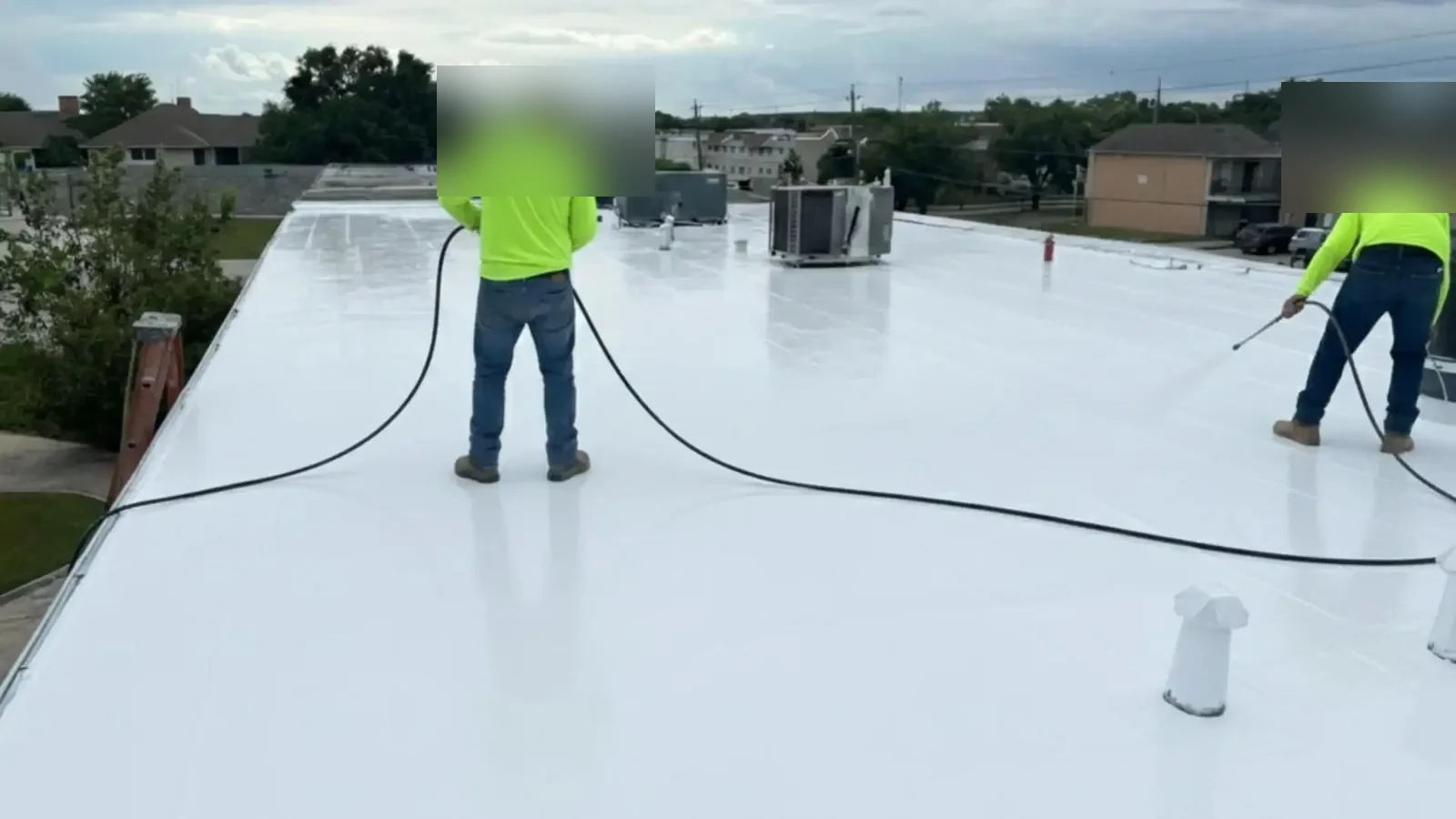
Adhesives, seam tapes, primers, and repair materials each have installation limits. We check the surface, forecast, and conditions below before opening the roof, then set the area that can be completed and protected during the shift. A prepared section cannot be left exposed while a crew waits for a later dry-in. The facility contact receives a stopping point, temporary protection plan, and daily handback that state what remains under review.
Trenton Road is among Clarksville's main thoroughfares, while East Park is a broader employment district. Those place references do not establish loading access. We confirm where a truck can turn, how material reaches the roof, and which occupied routes stay open. A property near Trenton Road may have different access rules from a site inside East Park; the route and roof entry are verified with the facility manager, not inferred from a map.
We pair the affected room and timing with seams, roof slope, drainage, wall transitions, and penetrations above it. Water can move under a membrane before appearing inside, so the roof walk records the likely path and any uncertainty. A test opening may be recommended when surface evidence cannot confirm the assembly.
The existing surface and prior materials have to be identified first. We check whether the area can be cleaned and prepared for a compatible repair, then document the patch boundary and inspection method. If a previous layer prevents a reliable bond, we compare a different detail or a broader scope.
Wet insulation, added roof height, edge conditions, drain transitions, attachment, and the number of existing layers can change the answer. We map those findings and list any concealed condition that needs approval when exposed. The owner can compare recover with replacement using a defined roof zone rather than an assumed uniform assembly.
We schedule from the forecast and the material limits, then set the daily area that can be prepared and secured. The facility contact confirms access and tenant routes before the crew opens the roof. If the window changes, we protect the completed edge and revise the handback before moving to another section.
Keep dated photographs, repair location, material and preparation notes, the area excluded, and any recommended follow-up together. A future walk can inspect the same seam or penetration and see whether the condition changed. Separate building records preserve the history when a portfolio includes several roofs.

Closeout photographs should show the EPDM section, seam or penetration corrected, repair limits, material used, and any nearby condition that was not included. The asset file also records the date, roof zone, access limitation, and a practical next inspection point. For a multi-building operator, each roof keeps its own history so a repair at one property does not become a condition assumption at another. That record helps facilities compare change over time.
Waiting on an open seam can let water reach insulation or interior finishes and complicate the eventual repair boundary. The owner receives the facts needed to choose a local correction or a broader review. For urgent water entry, we can arrange emergency roof response outside ordinary operating hours, then return to the permanent scope when the membrane can be prepared safely. A condition report can carry the photographs and open items into the capital review.
Share the roof plan, leak reports, repair history, and operating hours. We will trace the likely water path, document the membrane details, and return a weather-aware repair sequence.