May averages 5.50 inches of precipitation in Clarksville, and July and August bring mean temperatures near 79 degrees. For a property manager, those conditions make roof records and access timing part of the same decision. We inspect the reported building, map the water path, and document the repair boundary before the next weather window closes. A portfolio can include office, retail, warehouse, and medical properties, each with different tenants, roof systems, and approval contacts. We keep the findings separated by address and roof area so one active leak does not blur the condition of another building. The next step is a clear scope the owner can review without losing the operating details that matter at the property.
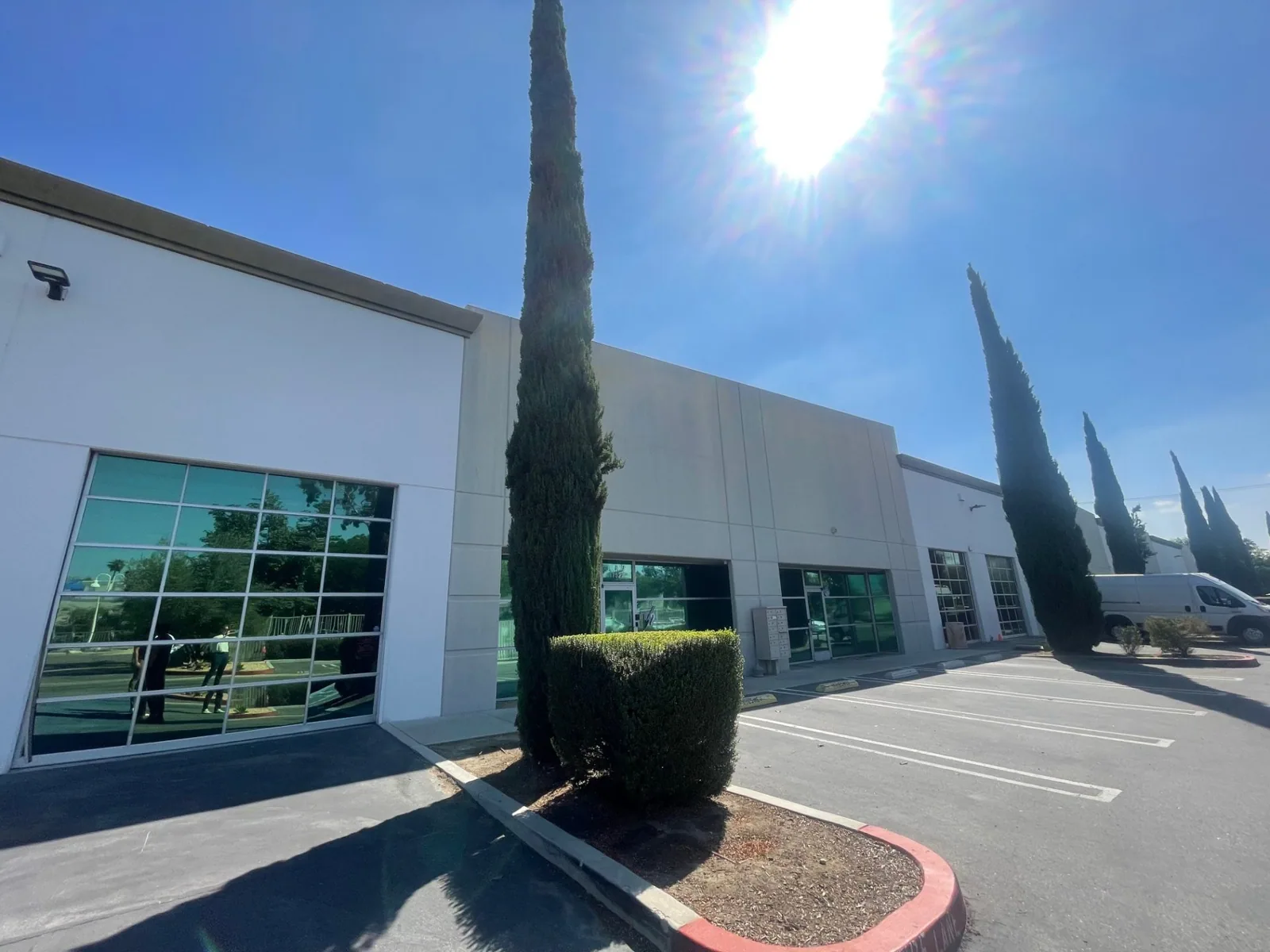
A property roster is useful when it identifies each building, roof section, known system, recent repair, access point, and person who can authorize work. It should not turn a group of roofs into one average condition. We start with the property where water is reported, then record visible seams, penetrations, edge metal, drains, rooftop equipment, and any interior evidence. If the available records do not identify the assembly, we note what needs verification rather than assume the roof type from the building use.
Managers can use the North, East, and South Park employment areas as portfolio groupings, then keep each building's roof assembly, access notes, and repair history in its own file. That local pattern supports keeping property files distinct: buildings in one district may have different tenants, loading schedules, and roof histories. A roof asset register can tie photographs and service dates to each roof, while portfolio-level capital planning helps an owner compare needs without flattening the differences.
A ceiling stain, a wet mechanical room, or a tenant's report gives us a place and time to investigate. We compare that record with the roof above it, trace possible paths across membrane and insulation, and inspect drains, curbs, laps, and wall transitions. Water can travel before it appears indoors. If the path remains uncertain, we identify a safe test opening or moisture survey instead of assigning a roof-wide cause from one room report.
The property manager can make that review faster by sharing the date of the report, recent roof work, room access limits, and any equipment shutdown window. We return a finding tied to the building and roof zone, with confirmed damage kept separate from follow-up questions. For work that must move while occupants remain, an occupied-building sequence can set the work zone and handback for each phase. A hands-on roof inspection records what is visible before repair options are compared.
Roof access is not only a key or ladder question. The tenant may need a clear entrance, a quiet period, a loading lane, or continuous use of a room beneath the work. We ask the manager to identify those constraints before scheduling a lift, material delivery, or temporary closure. The crew then marks the roof area, confirms where equipment can stage, and sets a daily handback that says what is open and what remains restricted.
Clarksville's roadway plan and local employer directory show varied commercial and institutional building users, from distribution and manufacturing to healthcare and education. That mix is a reason to coordinate with the actual operator rather than reuse an access assumption from another property. Along Rossview Road or within North Park, traffic and tenant circulation still depend on the individual site. A health-system roof plan may require a different shutdown discussion than a warehouse scope, even when both projects involve similar membrane details.
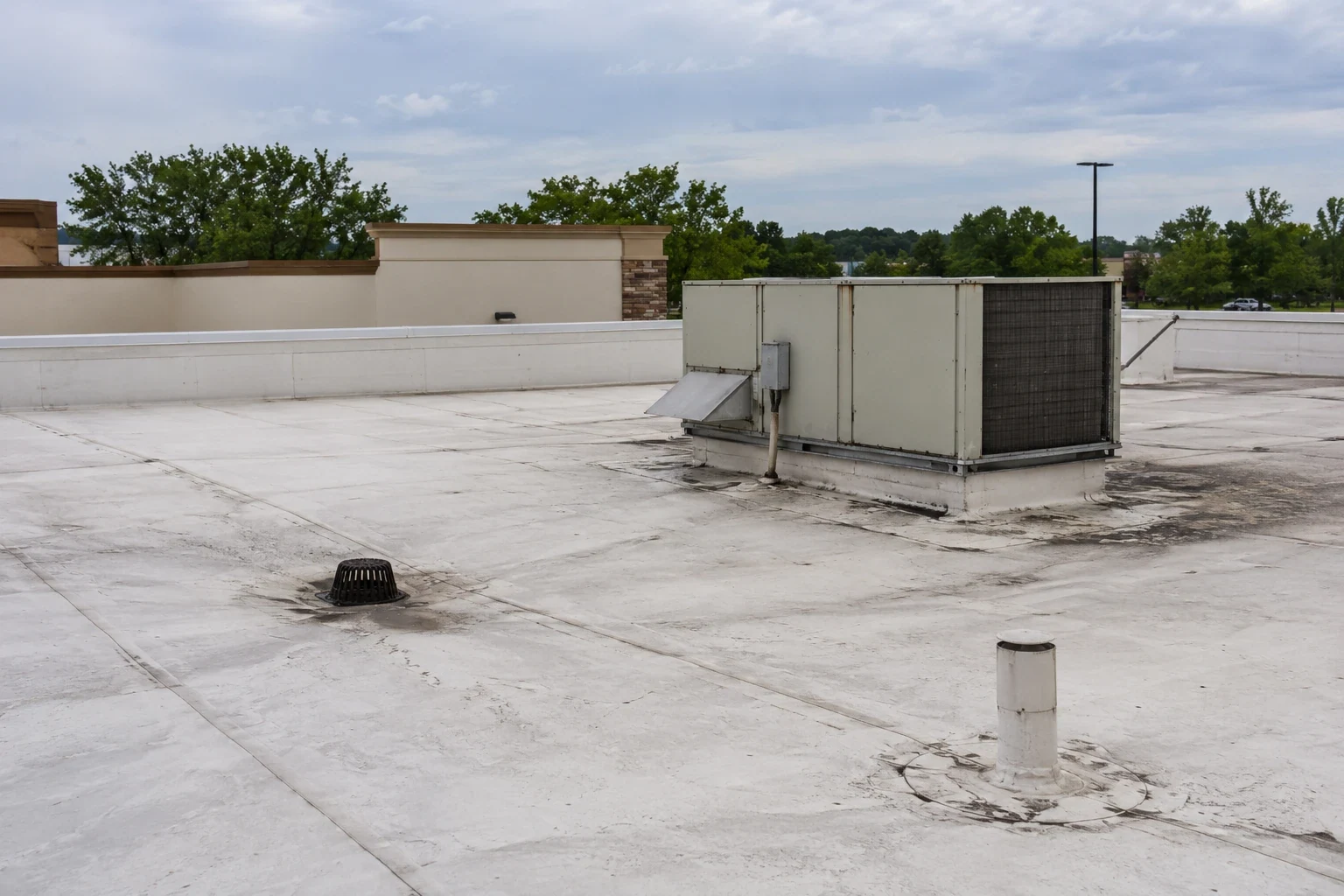
A local repair is a sound option when the defect is bounded and nearby membrane, insulation, and drainage remain serviceable. Repeated leaks, wet material across several areas, open seams, or deteriorated perimeter details may justify a broader review. We show which findings are confirmed, which require testing, and where the work can stop. The written scope names preparation, repair materials, tie-ins, protection below, access, and what happens if removal exposes a different condition.
Timing and cost change with roof height, equipment resets, material availability, weather exposure, deck repair, waste handling, and the number of phases. We separate those drivers so an owner can compare a repair with replacement using the same observed conditions. If the manager oversees public property, public-agency procurement planning can help clarify approvals and record requirements before a work window is set. For each property, the proposal should name its roof zones and avoid carrying assumptions from a neighboring building.
Keep each building's system, roof zones, photographs, repair history, and open questions separate. We can use consistent labels across the portfolio, but condition and scope remain property-specific. That lets an owner compare priority and timing without treating unlike roofs as one average.
We start with the room, timing, and weather report, then inspect above it for seams, curbs, drains, penetrations, and transitions that could carry water sideways. If the path is not visible, we state what test or opening would confirm it. The scope follows the evidence instead of stopping at the ceiling mark.
We plan access, deliveries, noise, and temporary closures with the manager and affected occupants. A project can move by roof zone when the assembly and weather window permit. Each handback identifies the area cleared for use and any restriction that continues into the next shift.
Record the building and roof zone, observed condition, work completed, materials and tie-ins, photographs, access notes, and any follow-up item. We can prepare the closeout so a later inspection can compare the same detail. Keep a temporary repair visibly distinct from a permanent scope in the property's history.
Repeated failures, widespread wet insulation, failing edge details, or drainage problems across multiple zones can change the decision. We document the confirmed condition and any testing still needed, then compare a bounded repair with replacement on the same assumptions. The recommendation should show what is known and what would be verified during removal.
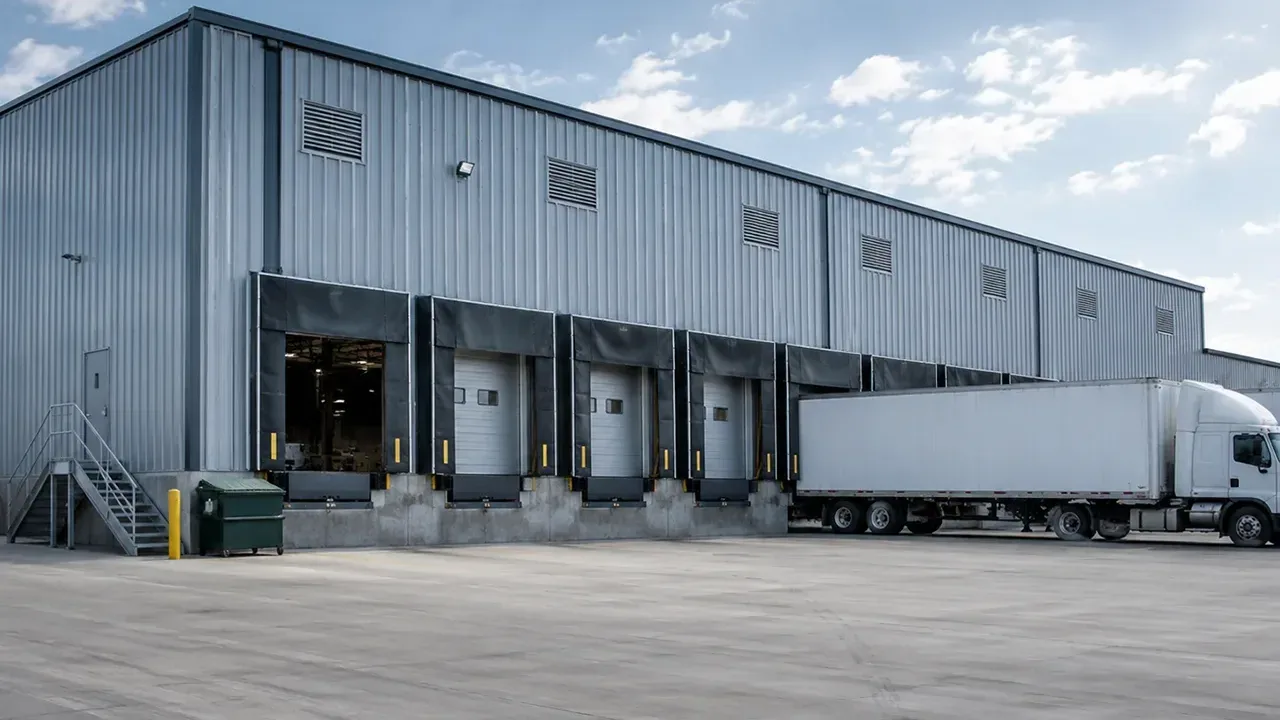
After the work, the property file should show the roof area repaired, photographs before and after, material and tie-in details, and any limitation that remains. We label findings so a future inspector can return to the same curb, drain, edge, or seam. If a repair is temporary, the record says what needs a later check and who should receive the follow-up. A photographic condition report gives an owner a useful basis for a capital discussion without presenting an estimate as a diagnosis of every roof.
The manager can keep one portfolio calendar while preserving a separate inspection and work history for each address. That makes it easier to see which buildings need attention before rain, which can wait for a planned phase, and which require a new observation. Whether a service call is in North Park or East Park, we confirm the building's own access and records. The district map's I-24 context helps orient the area, but each roof still needs a confirmed entry route. A roof walk with the manager, owner contact, and tenant representative can settle the immediate work area and leave the next decision documented.
Schedule a Clarksville roof walk with the property manager and building contact. We will document the reported condition, access limits, and repair boundary so the owner can review a clear next step.