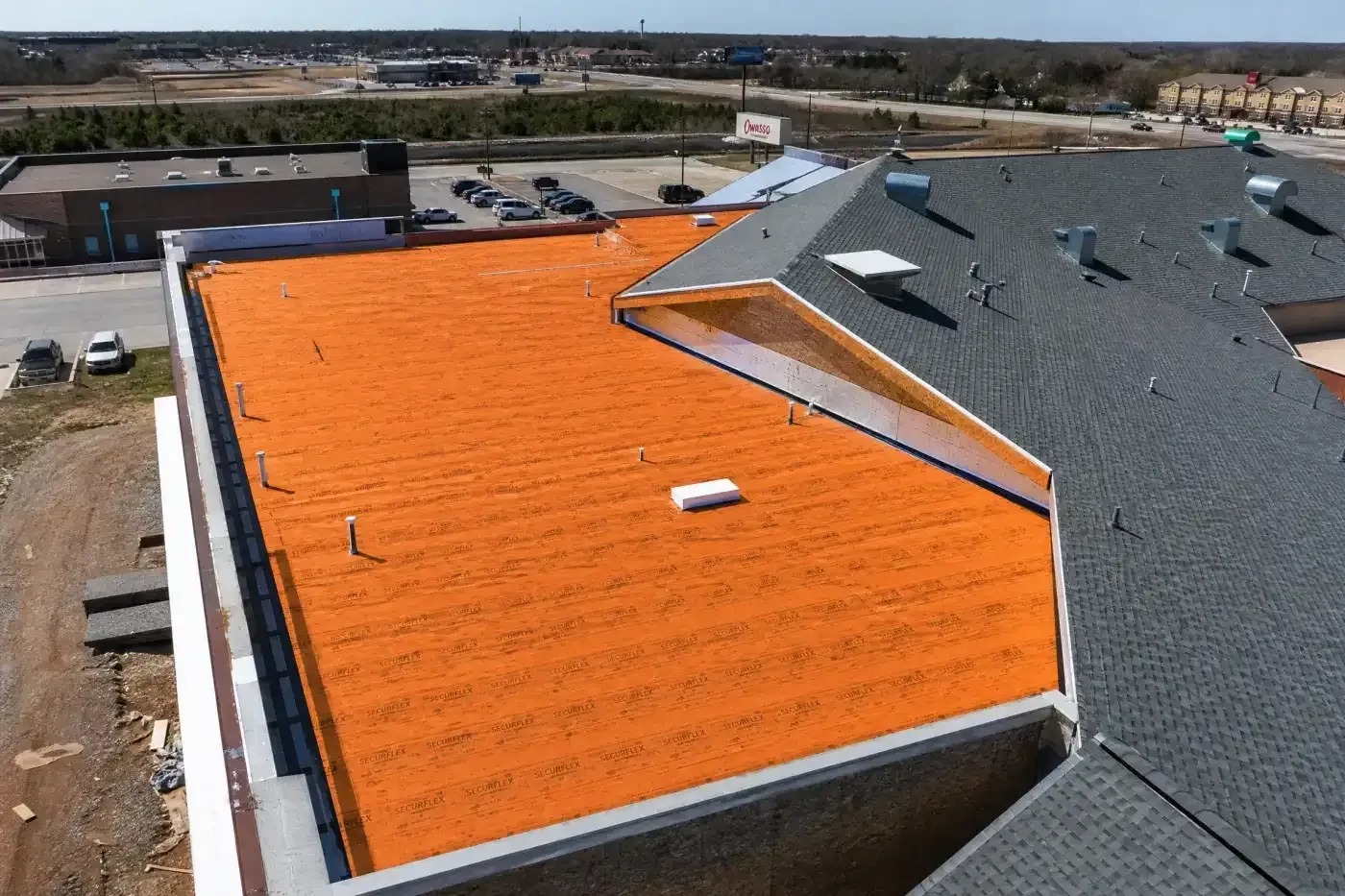
A roof opening during a storm changes the order of work: protect the people and equipment below, reach the roof safely, then secure a dry-in point before water enters again. Commercial Roofing Clarksville answers emergency calls around the clock, including nights and holidays. The facility contact can describe the affected rooms, operating hazards, and roof access so we can plan the first response. Clarksville's December 2023 tornado and May 2024 hail reports make severe weather part of the local record, but the crew still documents the actual opening before selecting a repair. Whether a building sits near 101st Airborne Division Parkway or the Exit 4 commercial district, we coordinate the work zone around its occupancy and receiving schedule rather than forcing a generic response plan.
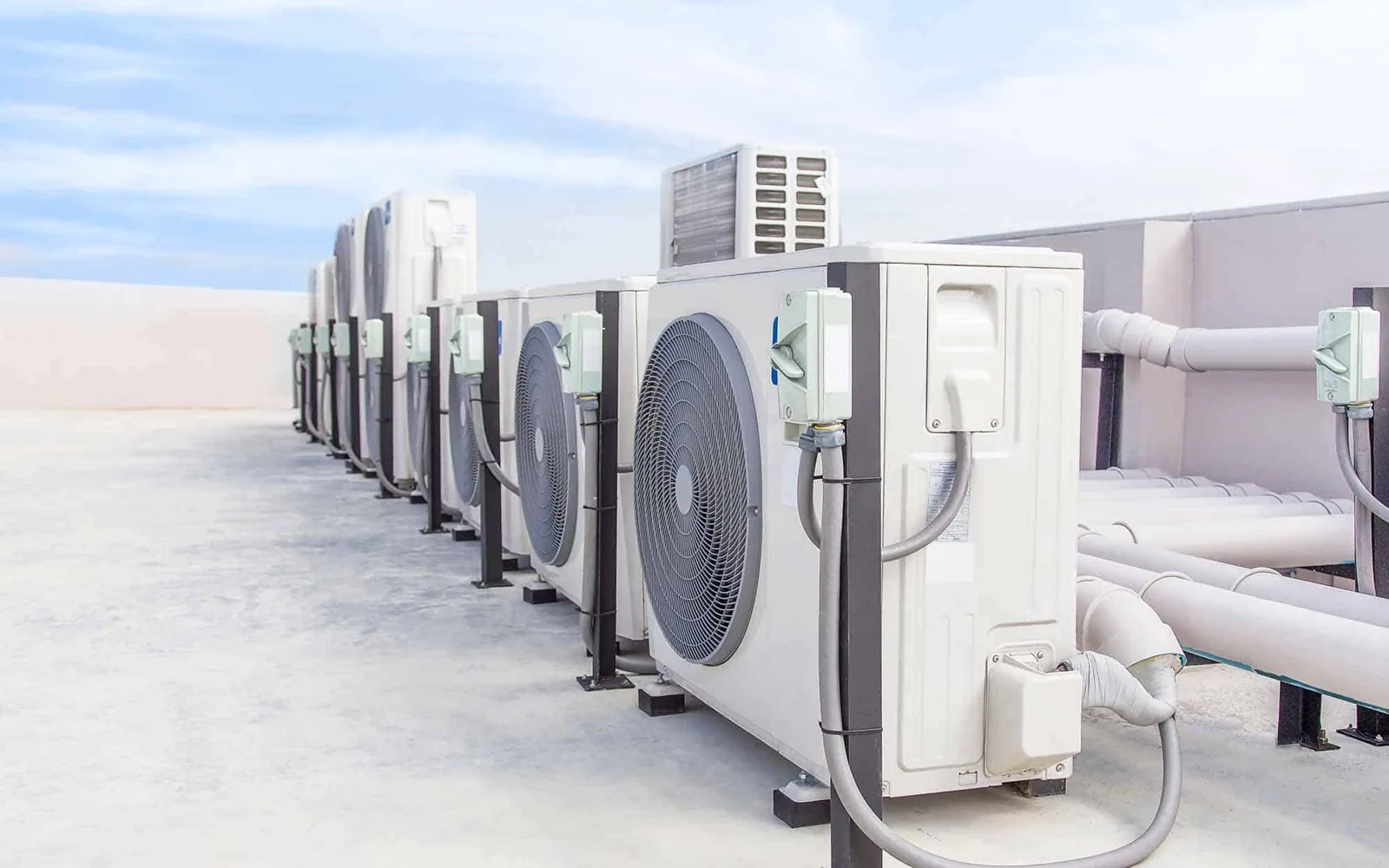
Tell us where water or debris is entering, whether people are in the affected space, what equipment or inventory is below, and who can authorize roof access. Identify electrical rooms, production lines, clinical areas, and any roof hatch or escort requirement. If structural damage, exposed wiring, or an unsafe interior condition is present, follow the facility's emergency procedures first. The roofing crew can secure the opening once the route and work area are safe to enter.
The first visit is not a full replacement survey. It is a focused response: make the exposed area safe, limit additional water, photograph visible damage, and record temporary measures. Severe-weather history in Clarksville includes a December 2023 EF3 tornado and hail reports the following May, useful context when triaging a new leak but not proof of its cause. That history helps set inspection questions but cannot identify the cause at a particular building. We look for displaced perimeter metal, membrane cuts, failed seams, punctures, or damaged flashing and compare them with the interior report. A commercial leak response can begin inside and continue to the roof when access is ready.
Temporary protection must match the opening and the weather. We choose a tarp, temporary membrane, or other suitable dry-in measure based on the roof surface and available attachment points. The crew limits the exposed area, secures the perimeter, keeps drains clear, and records what the temporary work can and cannot protect. If wind is still unsafe or rain prevents preparation, we explain the limits and coordinate the next safe entry rather than placing a person on a roof in hazardous conditions.
Clarksville averages 5.50 inches of precipitation in May, the largest monthly amount of the year. On an emergency call, the immediate forecast affects access, surface preparation, and how long a temporary measure can remain exposed. We identify the tie-in that needs a permanent repair, note any materials or interior protection still required, and agree on who receives the update. Near Wilma Rudolph Boulevard or Fort Campbell Boulevard, arrival routes can vary with traffic and site access, so the facility contact should identify the gate or loading entrance that is open at the time of response.
Once the roof is safe to work and the surface can be prepared, we inspect the damaged membrane, seams, edge metal, penetrations, and adjacent areas. A clean, compatible tie-in matters more than covering a broad patch. We remove material only as needed to reach a sound substrate and show the owner any wet insulation or damaged deck uncovered during the repair. If a broader condition appears, work pauses at the protected boundary while the facility reviews the added scope.
Where wind has lifted an edge, we check the attachment and termination along the affected run, not just the lifted corner. If hail has marked a membrane, we distinguish confirmed punctures or fractures from surface impressions that do not show an opening. A photo record keeps those findings separate. The permanent scope may call for wind damage repair, hail-related roof repair, or a detail-specific fix such as flashing repair. The recommendation follows what the crew can see and verify at the building.
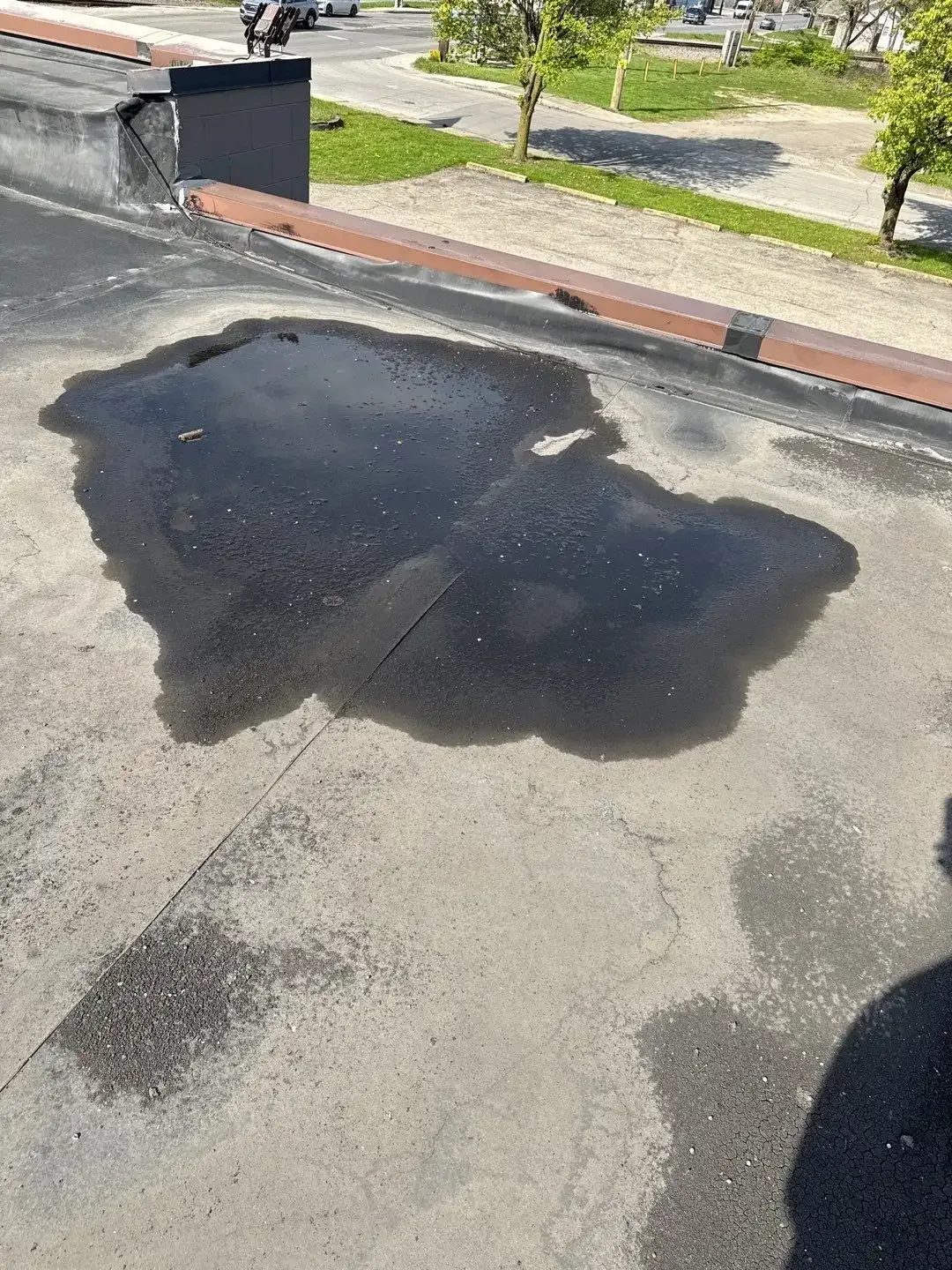
An emergency roof visit can affect tenants, deliveries, security, and work inside. We confirm who can provide keys or escort, which paths remain open, where materials can be staged, and when the facility needs the area returned. For an active sales floor or warehouse, the work zone can be separated from occupied circulation while the roof is accessed. For offices or schools, the facility may need to protect rooms below or move operations before a lift arrives. Those arrangements are agreed with the building contact, not inferred from the street address.
The scope records the initial condition, temporary dry-in, permanent repair if completed, and any open item. We identify when the roof can next be inspected and what weather condition would require another check. If the call begins at night, a written handoff gives the daytime facilities lead the location and status without a second round of guesswork. For properties along 101st Airborne Division Parkway or within the Exit 4 retail district, we still verify the correct entrance and contact before dispatch.
Our emergency line is answered around the clock, including holidays. Dispatch needs the affected area, interior hazards, roof access contact, and operating conditions to plan a safe response. Arrival depends on travel and conditions at the time, and roof work begins only when the route and weather allow safe access.
Staff should follow facility safety procedures and stay off a roof when weather, darkness, or damage makes access uncertain. Tell us what can be seen from a safe location and identify the access point. The crew will assess whether a temporary tarp or membrane can be installed once conditions permit entry.
We focus on immediate protection, document the visible condition, and record the limits of any temporary dry-in. The handoff identifies what remains exposed, what interior protection is still needed, and when a permanent repair can be evaluated. A daylight inspection can resolve details that could not be safely reached during the initial response.
We can provide dated photographs and a description of observed roof conditions and completed work. The record distinguishes visible damage from any cause that is not confirmed. The property team can use that material with its insurer and other project professionals while keeping the repair scope focused on the building's documented needs.
The handoff should name the roof area, temporary materials, remaining limits, interior rooms affected, and the next inspection or permanent repair step. We identify who has roof access and whether any operating restriction continues. That gives the daytime facility lead a clear record before another rain or shift change.
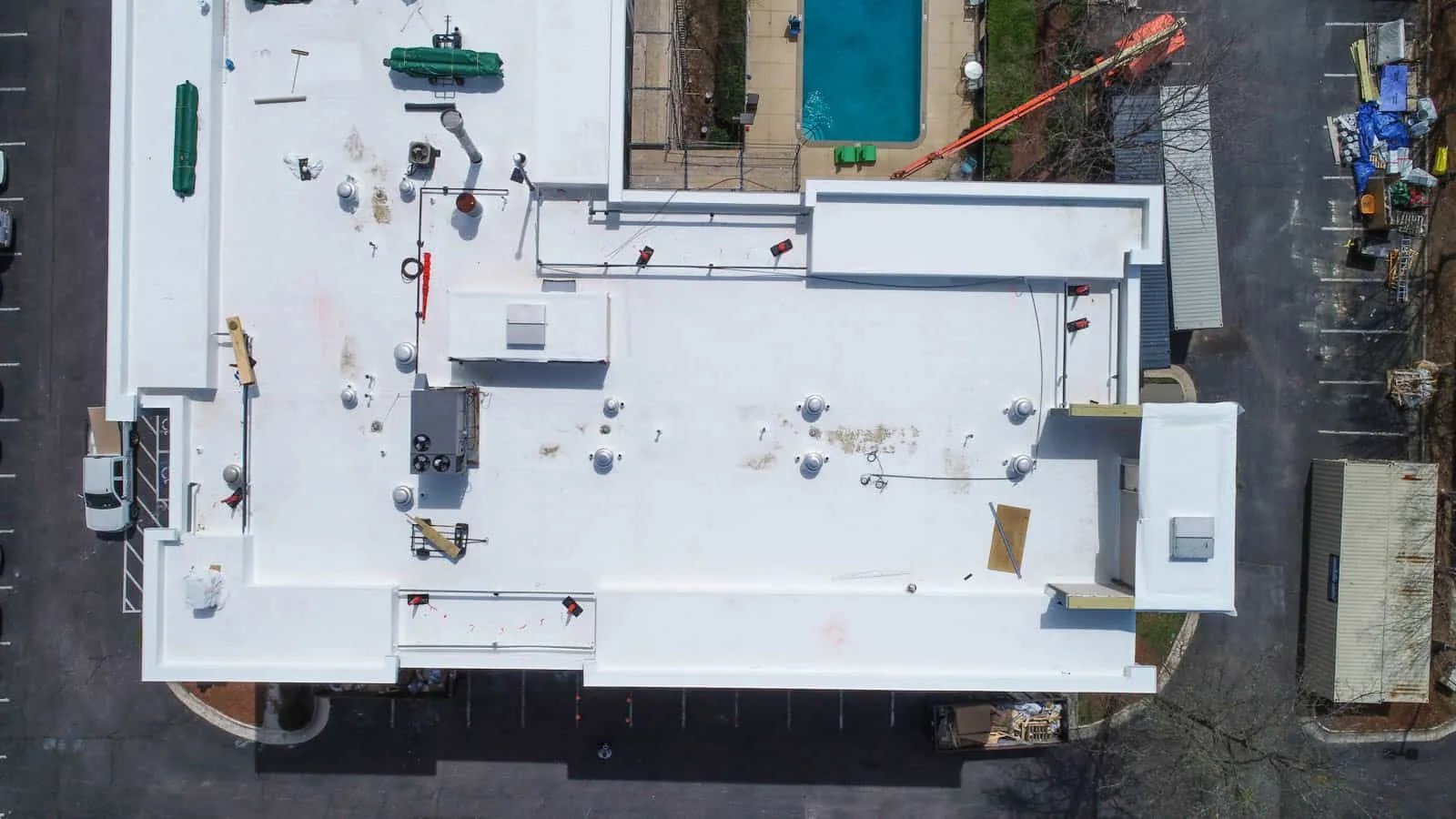
After the immediate threat is controlled, schedule a daylight review of the temporary boundary and nearby roof details. We confirm whether the dry-in remains secure, locate any newly visible damage, and decide if the permanent scope can proceed as written. If the facility is preparing an insurance file, we can organize dated photographs and a roof-level description of observed conditions; we do not assign a cause beyond the evidence recorded at the building.
A later condition inspection can also check drains, perimeter edges, rooftop curbs, and other areas outside the original opening. If the event affected several roof zones, we map the observed findings and separate urgent repairs from planned work. The facility director can then coordinate access and production around the occupied schedule. We will prepare a documented roof repair, identify the next dry-in point, and record the handback when the crew leaves. Emergency protection is the first decision. The follow-up establishes what the building needs next.
Call any time for commercial roof emergency service in Clarksville. Share the affected area and access contact, and we will coordinate protection, roof access, and the next repair step.