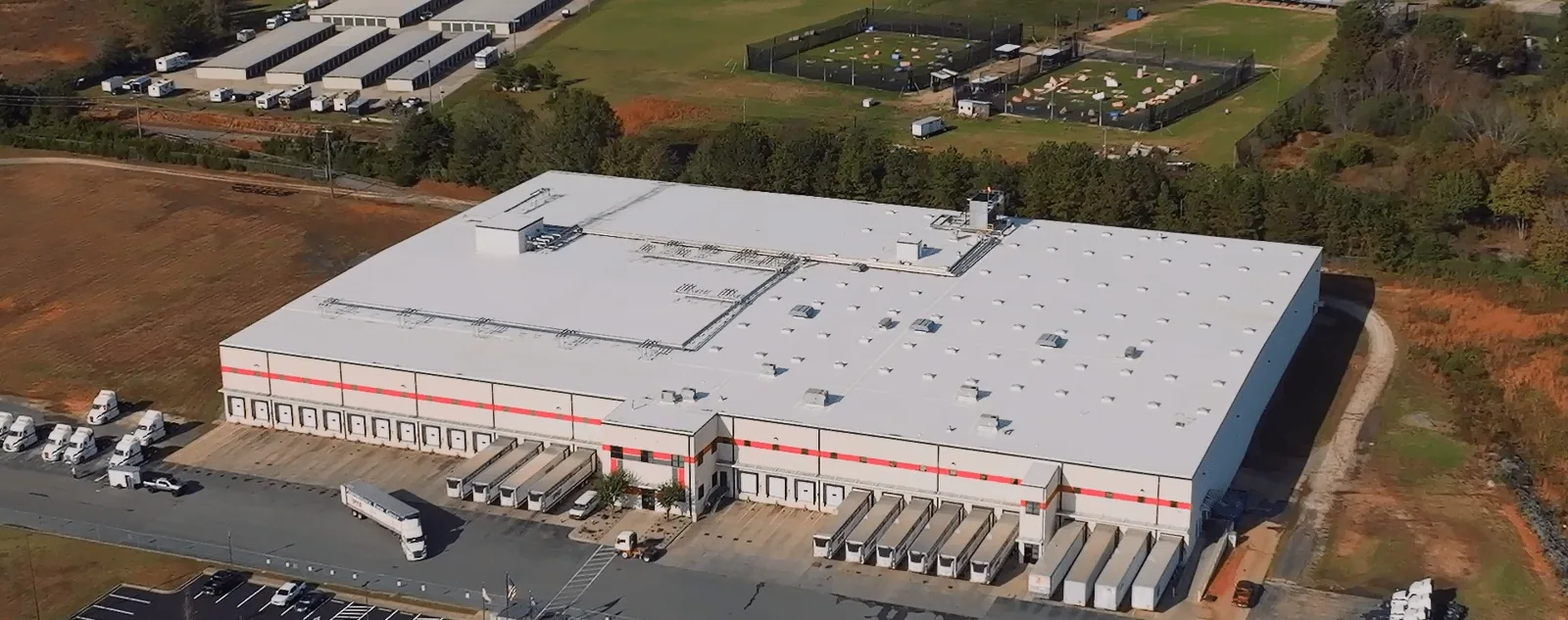
Rainwater behavior depends on the plies, surfacing, and slope of a built-up roof, not just its age. In Clarksville, TN, we record the visible assembly, note where aggregate or a cap sheet obscures inspection, and trace drains and edge transitions before recommending repair or renewal. The local industrial map places the market in an I-24, road, and rail network, while Fort Campbell sits north of the city. Those references shape delivery and access questions, but they do not tell us what is on any individual roof. The field review sets the work boundary.
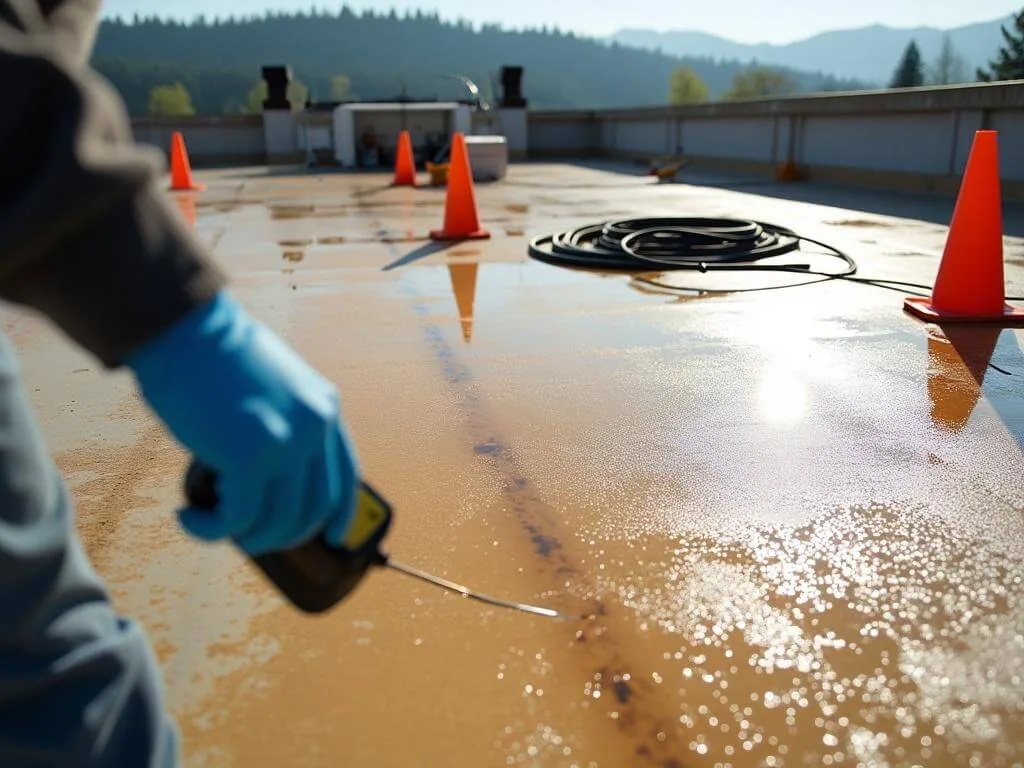
Built-up roofing can contain several bitumen plies and a surfacing layer, with later overlays changing the edge height and drain detail. We inspect exposed areas, cut edges where available, prior patches, and roof transitions to identify what the records can support. A condition report should distinguish confirmed layers from an estimate based on one opening or old invoice. That matters before a recover or replacement quantity is set.
Clarksville's industrial/property map shows multiple employment districts and business locations in the I-24 area rather than one continuous facility. On a multi-building portfolio, each roof section needs its own history, especially where one building has a different overlay or drainage layout. We label every roof by address and area plan, then use a photographic condition record to separate known layers from questions that need a test opening.
Gravel or coated surfacing can protect a built-up membrane, but it can also hide small blisters, open plies, or worn details. We identify visible surface type, areas where material has shifted, and locations where water collects or leaves the roof slowly. Around a drain, we check the bowl, clamping components, surrounding plies, and the path feeding the outlet. A drain and scupper review helps determine whether the repair belongs at the outlet or elsewhere in the assembly.
Clarksville rainfall is distributed across the year, and May averages the largest monthly precipitation in the local normals. That makes drainage checks and a practical dry-in plan relevant before tear-off or torch work. We compare field evidence with interior reports and photograph any suspected wet area. If the water path remains unclear, a moisture survey may help prioritize a test cut, provided the assembly and conditions support a meaningful reading.
A localized repair can fit when surrounding plies are bonded and the defect has a clear limit. The scope identifies preparation, reinforcement, surfacing, and how the repair ties into sound material. A recover may be possible where the existing assembly is stable, moisture findings permit it, and added height works at walls, drains, and edges. Multiple overlays, wet insulation, or a softened deck can move the decision toward selective removal or full replacement.
In an I-24-connected employment district, material delivery and roof access still need separate confirmation at the property. We tie recommendations to the building record and roof walk, then state which assembly finding supports each repair or renewal path. A modified-bitumen review can help compare another asphaltic system, while a single-ply EPDM comparison frames a different assembly. The owner sees the repair boundary and what a test opening could change.
Before a proposal is compared, we separate the cost drivers: confirmed tear-off layers, insulation replacement, deck repairs, edge-metal height, drain rebuilds, surfacing disposal, and the amount of protection needed each day. A built-up assembly can require more handling than a single membrane because new plies and hot asphalt or approved cold-applied materials must be staged and installed in sequence. Access limits at the roof hatch, hoisting point, or loading area can affect how much material reaches the work zone per shift. We list those constraints beside the repair boundary so a facility can compare scope, not just a total. If the building has sensitive operations, the method and odor controls need review before a weather window is reserved. A complete schedule names the section opened, its dry-in point, and the condition required for handback.
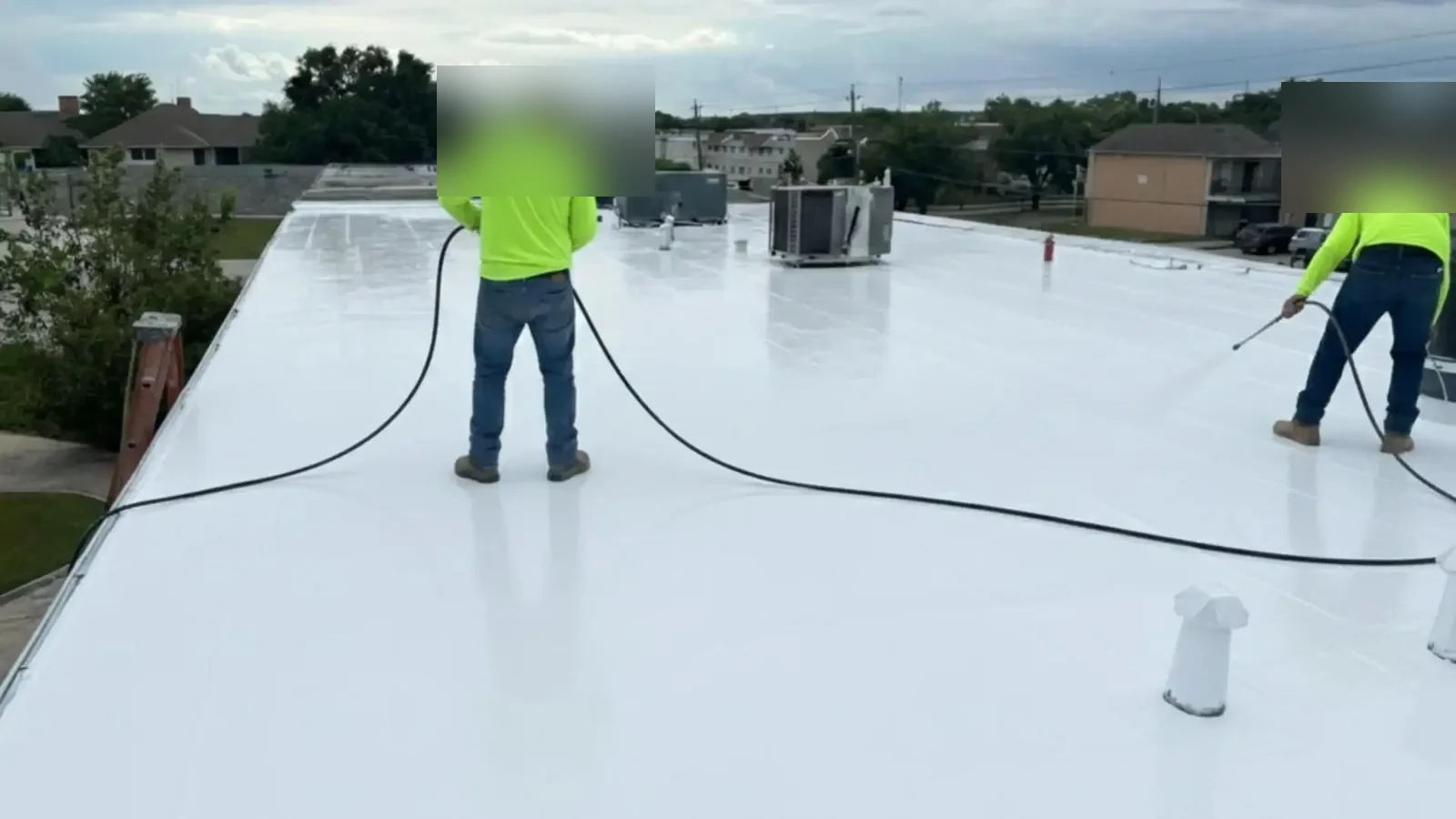
Built-up repairs need an installation method that fits the surface, temperature, moisture, and occupied conditions below. We define where material is removed, how the new plies or cap sheet will be applied, and the point at which the area is safe to hand back. The work plan also covers smoke or odor restrictions, fire prevention, delivery, and any method that requires special site controls. A daily close-in point keeps the open area manageable.
Clarksville's roadway network includes major routes such as Trenton Road, and regional movement also uses I-24. The delivery route may be straightforward while the roof access is not, so the facility contact confirms the approved entrance, staging limit, and any overhead restriction. For a property near Trenton Road, we map those details before setting quantities. A hands-on inspection can also record the roof sections that are not safely reached during the first visit.
We compare available plans, invoices, exposed edges, and any owner-approved test opening. The record identifies what was visible and what remains an estimate. If another layer would change recover height or tear-off quantities, we recommend confirming it before the scope is priced.
No. The aggregate is one surface feature, not a condition rating. We inspect drainage, exposed plies, flashing, edge details, and reported leaks, then map areas that need testing. A photograph of the surfacing alone cannot show hidden moisture or attachment.
A recover needs a stable existing assembly, acceptable moisture findings, and workable details at drains, walls, and roof edges. We document each condition and list any opening needed to confirm it. If layers are unstable or wet, the proposal compares removal rather than covering the uncertainty.
Rainfall through the year makes the drainage path and daily close-in limit important. We inspect outlets and low areas, then set the work boundary to what can be protected within the weather window. The facility receives a handback note if any section must wait for a later shift.
The closeout identifies the confirmed layer, work area, repair method, surfacing, photographs, and excluded details. We note any test opening or moisture question for follow-up. That record lets maintenance staff compare the same roof section and drainage point later.

Closeout should record the plies confirmed, surfacing, drain work, flashing changes, repair area, and any boundary left for a later phase. Photographs label each roof zone so an owner can compare the same details at a later inspection. On a portfolio with several buildings, the record stays specific to the structure reviewed. A recover evaluation can compare repair history and available layers with the capital window, while a replacement scope sets removal and deck-review limits when the assembly no longer supports a smaller fix.
Waiting on open plies can let water reach insulation and make the next repair less localized. Our emergency roof response is available around the clock, including weekends and holidays, to secure active water entry and document what remains for the permanent scope. The final file gives the facility a next inspection date, access note, and condition that would trigger renewed review rather than a broad label such as nearing end of life.
Share available roof records, leak reports, and access constraints. We will document the visible plies, surfacing, drainage, and repair limits, then compare the viable next steps.