
Heat and recurring rain put a report to work before the next roof decision. In Clarksville, TN, we inspect the accessible roof areas, photograph visible conditions, mark where each finding sits, and separate repair items from maintenance and follow-up questions. The record should help the facility director decide what to protect now, what to budget, and what needs another test. At a warehouse near North Park, an office on Wilma Rudolph Boulevard, and an occupied property elsewhere in town, the format stays consistent while the roof findings remain specific to that building. We coordinate access and note limits instead of implying a roof section was reviewed when it was not.
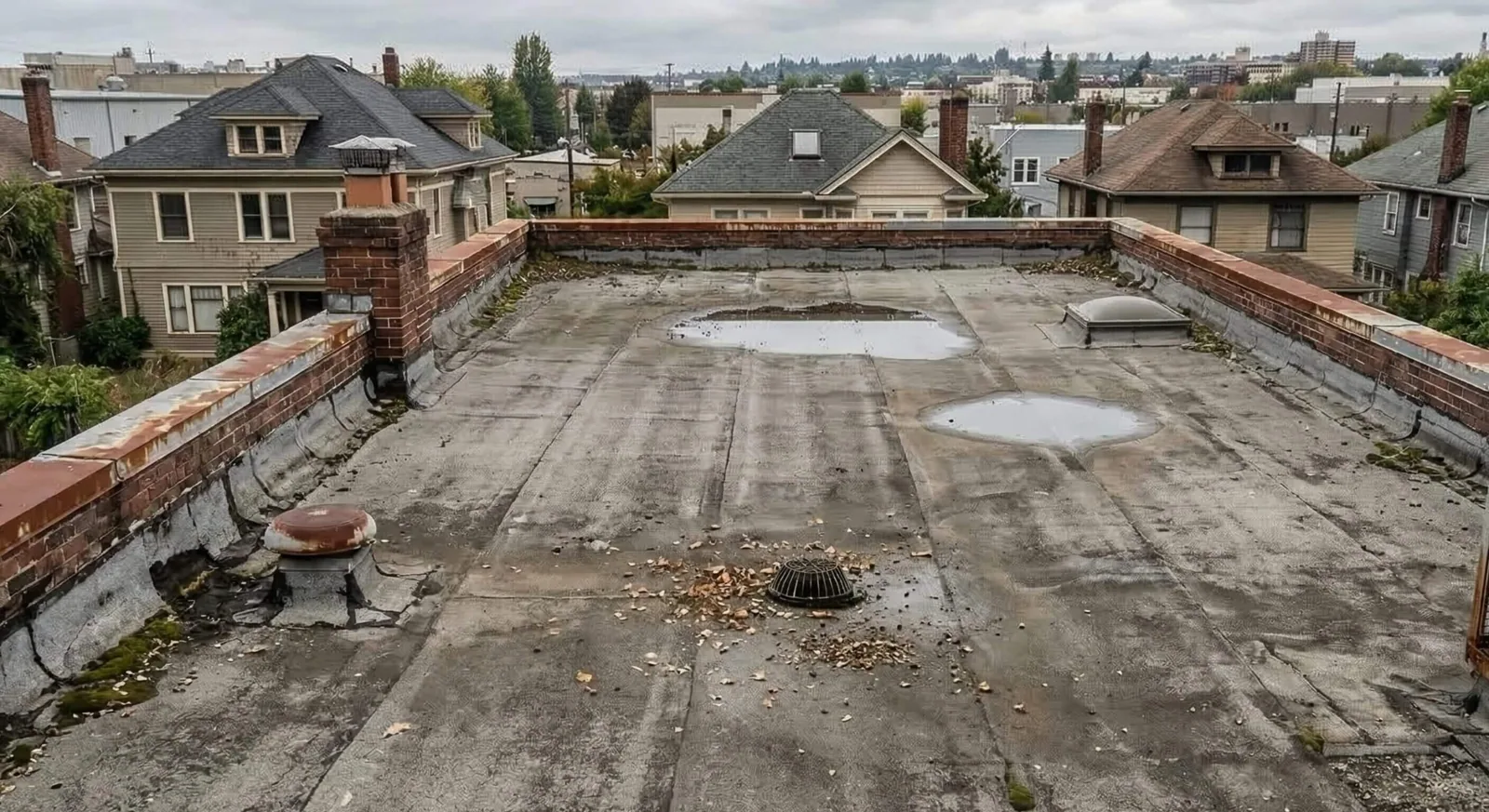
A useful report begins with a roof plan, access route, and the facility contact who can identify active leaks or restricted areas. We walk the drainage path, then record seams, penetrations, curbs, perimeter edges, flashing, surface wear, and visible ponding. Each photograph receives a roof-area label and a short observation. A close image shows the condition; a wider view helps the next person find it. Where the roof plan is incomplete, we identify the area in plain terms and note how the location was established. The record distinguishes a visible opening from a suspected concealed condition that would require a test cut or other investigation.
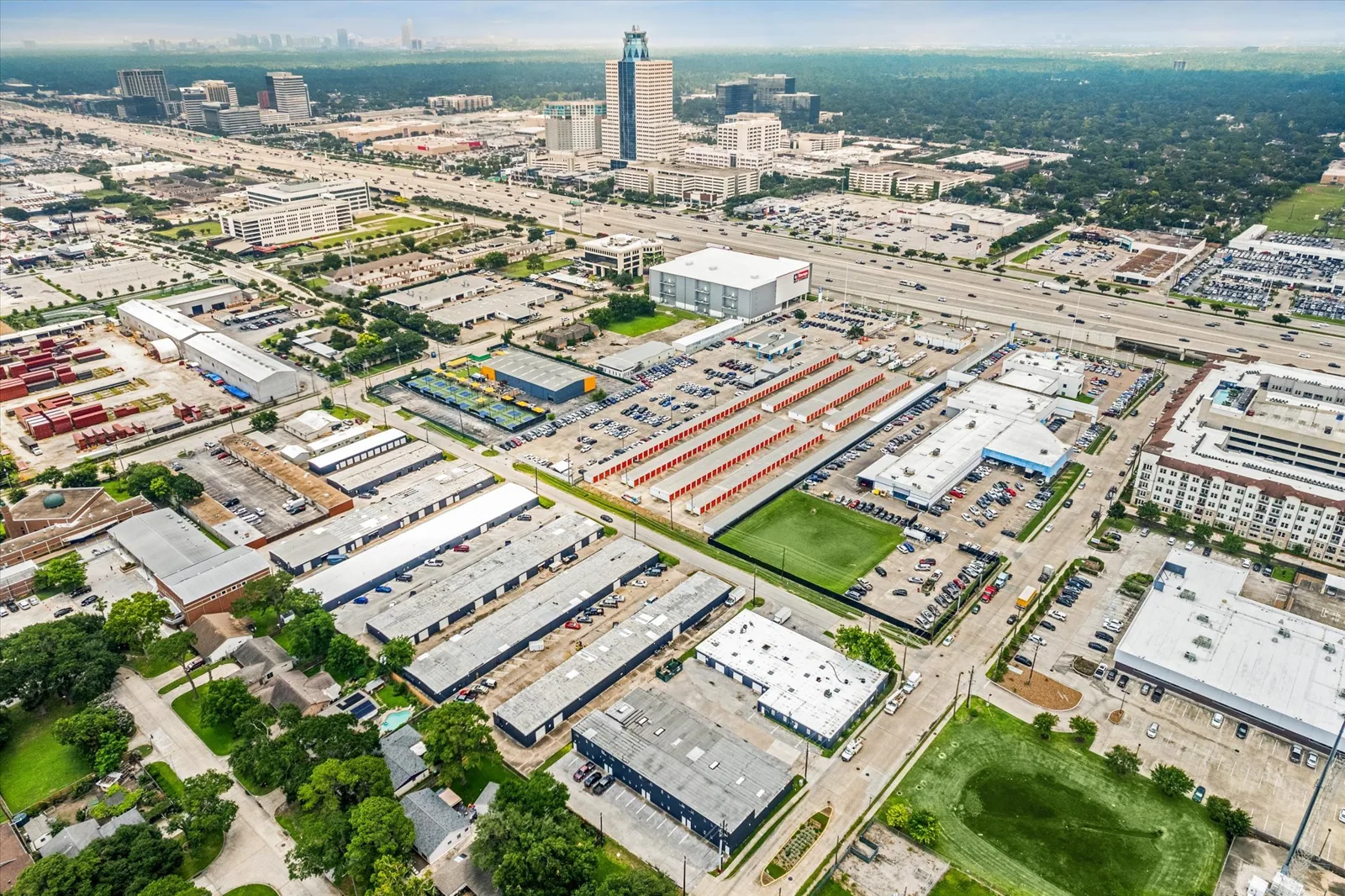
The county industrial map helps a portfolio lead coordinate visits by general area. It cannot establish a roof's membrane type, drainage, or access conditions. A hands-on inspection supplies the roof-level observations, while North Park's industrial district provides a broad dispatch reference rather than a roof diagnosis. We keep each property's photographs and findings tied to its own plan.
The report should not flatten every observation into a repair order. We classify active water entry, open laps, loose flashing, damaged edge details, debris, blocked drains, worn coating, and routine sealant checks according to what is visible. A note states the likely consequence if the condition stays open, the recommended action, and the priority. When evidence is incomplete, we say what must be tested or opened before a permanent scope is set. That gives the owner a practical decision instead of a list of photographs without context.
A Clarksville roof may include several membrane types, later patches, equipment curbs, or transitions between additions. We identify what can be seen and avoid naming a hidden assembly from surface appearance alone. If moisture is suspected but not visible, an infrared moisture survey can help focus test cuts. If water entry is active, a a leak repair assessment sets a nearer-term response. A broader roof asset record can keep the report useful across future inspections without replacing the field findings.
The Tennessee climate-normal record shows warm summer conditions alongside recurring precipitation. That background helps explain why a report should distinguish visible wear from a leak and should record drainage as well as surface condition. It cannot diagnose heat damage at an individual building. We record actual membrane wear, open details, water paths, and access conditions, then note whether a follow-up inspection should occur after a defined repair or weather event.
Storm records also help set a question, not a conclusion. The December 2023 Clarksville-area tornado and May 2024 hail reports make it sensible to photograph wind-facing edges, penetrations, metal transitions, and impact-sensitive areas when the roof walk is scheduled. The field record still identifies only what is observed at that property. For a wider exposure review, pair the condition report with wind-damage documentation or a hail-damage review. Facilities around East Park can use the same location-specific format, with their own access and roof boundaries recorded.
A report supports capital planning when it distinguishes immediate protection from work that can be scheduled. We group findings by roof area, note repeated conditions, and show when one detail could affect another. Cost and timing depend on the repair boundary, roof height, safe access, material compatibility, equipment movement, and whether concealed conditions require an opening. The report does not promise a budget number before those drivers are understood. Instead, it gives the owner a defined next scope and the questions that could change it.
When a repair changes insulation or the roof assembly, the report can flag a design review question for the project team. The inspection records the existing condition and proposed boundary; it does not decide which code provisions govern. For a possible renewal, compare the documented findings with a replacement evaluation and a restoration review. A roof walk near Wilma Rudolph Boulevard still depends on the building's own roof plan, access contact, and operating hours.
It should identify inspected areas, photographed observations, roof locations, access limits, repair priorities, and any test needed to resolve an unknown condition. We organize the findings so the facility team can act on active openings first and schedule other work deliberately.
A surface walk cannot confirm every concealed condition. We identify signs that warrant further investigation and can recommend an infrared survey or test cut where appropriate. The report distinguishes what was observed from what still needs verification.
A labeled close view and roof-area image connect the finding to a location the next crew can reach. We note the condition, likely action, and any access restriction, so a repair scope can start from the same record instead of a memory or unmarked image.
No, the local event record provides context for inspection questions, not a diagnosis. We examine the actual edge metal, seams, penetrations, and interior reports before describing damage or recommending work.
Update it after a repair, a material change, a significant weather event that prompts a roof walk, or a scheduled inspection that finds a changed condition. We carry forward the roof-area labels and identify which earlier items were repaired, remain open, or need another test.
Close the report with the date, inspected areas, access limits, photographs, open questions, and the next recommended action. A facility director should be able to hand it to maintenance, ownership, or a project manager without explaining every image from memory. We identify temporary protection, if used, and specify the point that needs another check. Where tenants or production occupy the space below, the record includes work-zone boundaries and a daily handback note for any repair that follows.The reviewer also names inaccessible zones so a later visit can close a specific gap, rather than repeating a full walk without a clear question.
Use the same roof-area labels on future inspections so a new observation can be compared with an earlier one. A changed seam, recurring drain issue, or repaired penetration is easier to recognize when the photograph and roof location match. If a roof includes multiple sections, keep each section's condition separate before rolling findings into a portfolio summary. For a multi-building program, see the portfolio coordination approach and scheduled maintenance planning. A roof walk should also name the building's street entrance separately from an SR 374 dispatch landmark. Facilities along that corridor can give the crew a verifiable arrival point without confusing the route reference with roof access.
Share the roof plan, access contact, recent leak locations, and any restricted areas. We will document the visible condition, label the photographs, and return priorities tied to the building's next decision.