A production line cannot pause because a roof crew needs access to a curb or seam. In Clarksville, summer normals bring mean temperatures near 79 degrees in July and August, while both months also record regular precipitation. Heat and rain affect material handling and the time available to close an opened roof area. They do not establish the condition of a particular plant. We inspect the membrane, edge details, drains, penetrations and equipment curbs, then match the work zone to the facility's operating window. The first written sequence should show what stays active, what gets isolated and where the roof will be secure at the end of each shift.
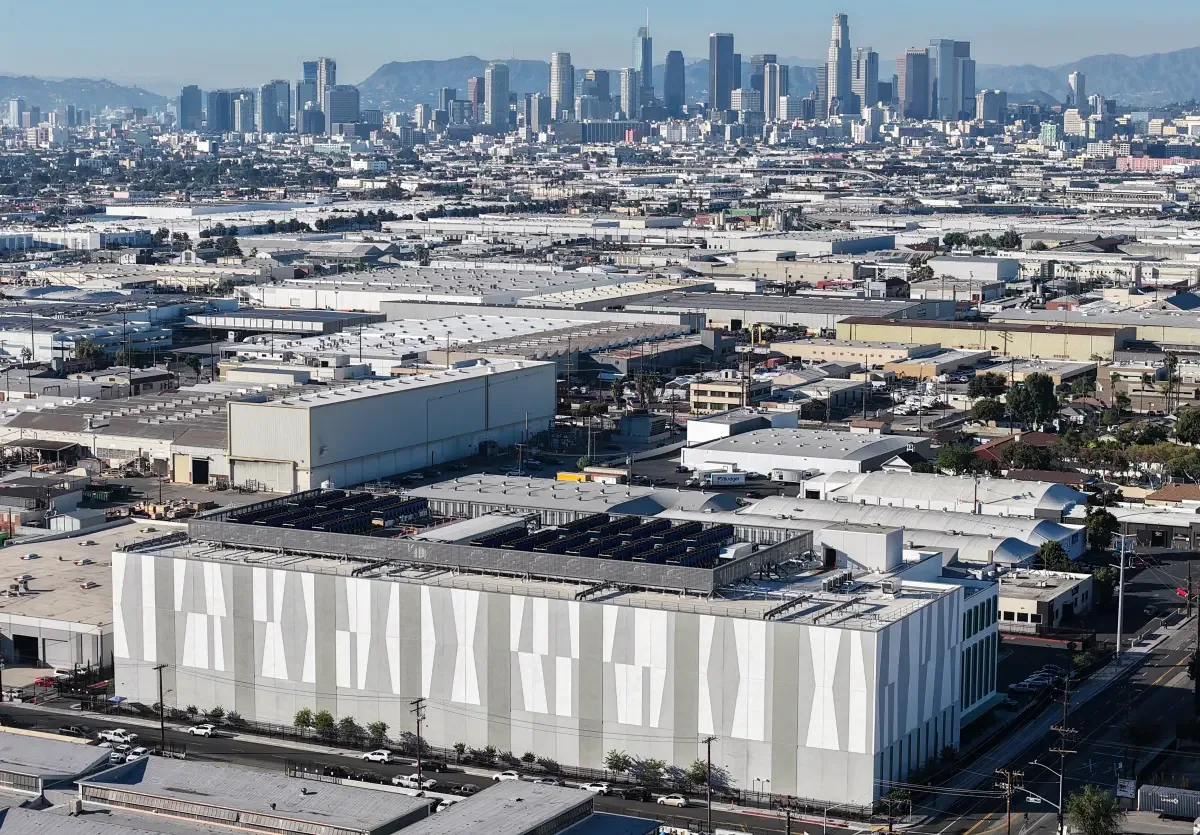
Manufacturing roofs often combine open production bays, office areas, utility rooms and equipment platforms. We mark those areas against the roof plan before deciding where to open the assembly. A leak near a process line may be traveling from a seam, curb or drain several feet away, so we compare interior observations with the drainage path above. Moisture readings can narrow the search; a test opening confirms what is beneath the membrane. A moisture survey with a follow-up roof walk helps identify which areas need closer inspection and which should remain undisturbed.
We record exhausts, duct supports, conduit, piping and service clearances because each interruption can create a flashing detail or limit crew movement. If plant maintenance must reach a unit during the project, that access remains part of the schedule. Our equipment curb and support work addresses the roof-to-equipment transition while protecting the drainage route around it. The work note should identify the unit, affected membrane and repair boundary, not leave the next shift to guess which area is ready.
Before mobilization, we review production hours, sanitation or contamination controls, overhead equipment, delivery lanes and required work permits. A phased occupied-plant roofing sequence divides the roof into areas operations can release and accept. The handback names the active section, interior protection, temporary cover and remaining access restrictions. If a process cannot tolerate dust, vibration or water exposure, that condition belongs in the plan before demolition.
The North Park service area sits alongside East Park and South Park in Clarksville's industrial network, which connects to I-24, local streets, and rail. Use those broad references for mobilization, then confirm the plant's authorized gate and delivery route. It shows a mix of manufacturing and distribution across the market, not any company's roof construction. We use the facility's own site map to confirm gate, staging and emergency access. The roof and plant safety plans should identify the same work area so deliveries or maintenance calls do not send people into a restricted zone.
Warm conditions can change how repair material is handled, while a shower can turn an open section into an immediate protection issue. We divide removal into areas that can be dried, inspected and closed within the weather window. The crew establishes a dry-in point before extending the opening and keeps temporary cover at hand. Clarksville's reported July and August precipitation averages are 3.64 and 3.17 inches per month. Those normals are background, not a forecast for an installation date. We check current conditions before deciding whether an area should remain unopened.
Water control also means keeping drains and overflow routes clear as work moves around units and exhausts. We inspect the membrane around drain bowls, curbs and transitions after each phase. A drainage repair may be narrow, while broad ponding may point to slope or insulation questions. We record whether the next step is repair, further investigation or a broader capital scope.
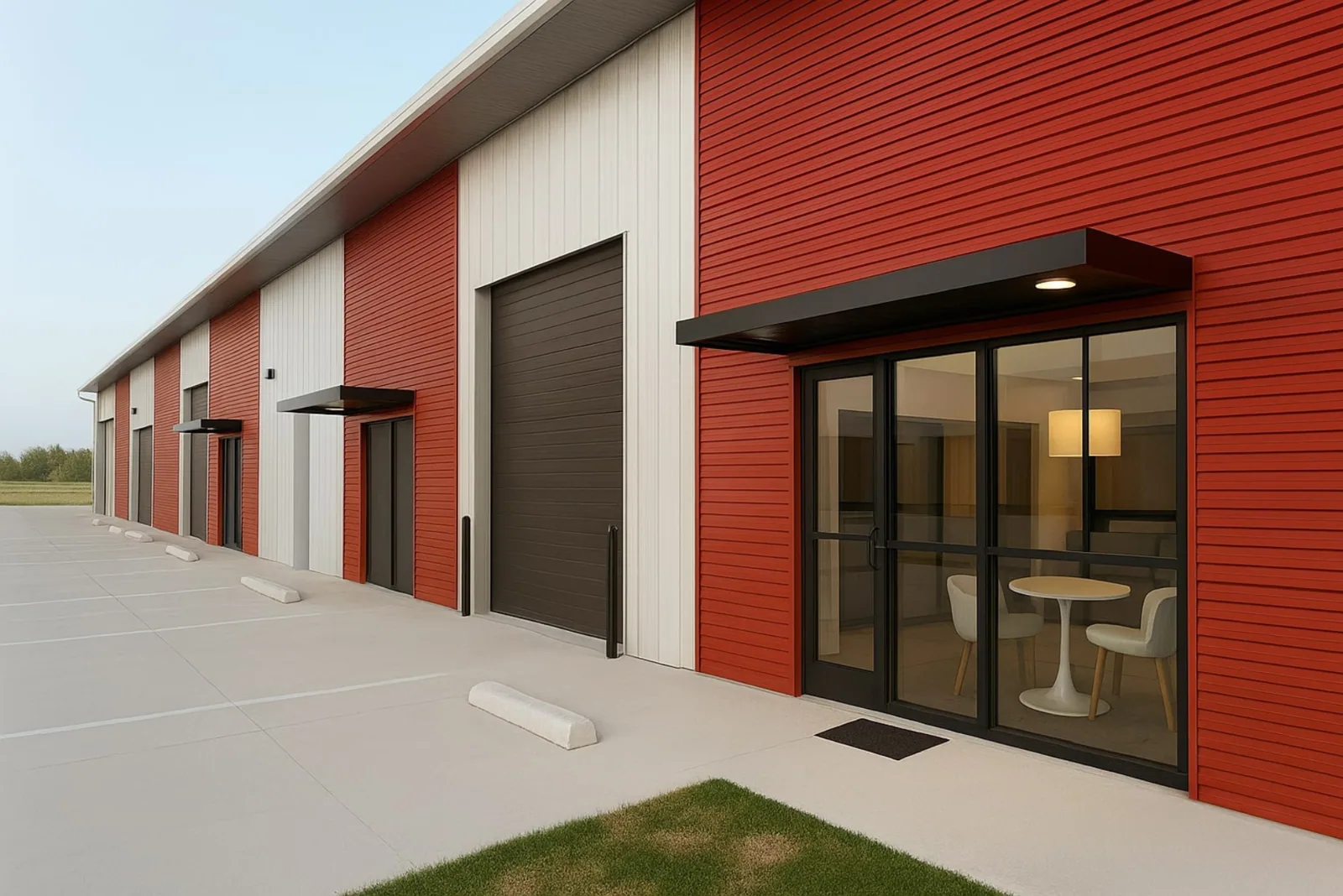
A localized repair can fit when a seam, flashing or penetration is the confirmed source and surrounding materials remain serviceable. Replacement may be more practical when moisture, loose attachment or repeat failures cross several areas. A recover requires evaluation of the deck, insulation, moisture, attachment and code constraints. We show what each option requires from operations, including unit resets, shutdown windows, protection below and the order in which production zones return. The metal retrofit system review or a membrane option should suit the existing deck and facility needs.
Cost and duration change with access, substrate repairs, insulation, flashing, edge metal, equipment coordination, debris handling and project phases. We itemize work by roof zone and state what could trigger an added repair if concealed conditions differ from the inspection. That gives purchasing and operations a shared basis for approval. A warehouse roof plan and a data center roof review may share technical details, but plant work still needs to protect the process and maintenance schedule.
The answer depends on work-zone separation, overhead protection, noise, vibration, contamination controls and how quickly an opening can be secured. We review the line schedule and plant safety requirements, then divide the roof into areas the facility can release. Each shift ends with a documented boundary and handback. If production must stop for a specific task, we identify that window before mobilization instead of assuming all work can proceed above an active line.
We start from the interior report and compare it with seams, penetrations, curbs, drains and roof transitions above. Water can travel through insulation or along a deck before it shows inside. A moisture scan can guide the inspection, but a test opening may be needed to confirm the assembly. We record the source detail separately from the interior symptom and define the repair boundary in the work order.
The scope should address curb flashing, supports, service clearances, conduit and any membrane disturbed when equipment is accessed. We identify which trade handles a disconnect or reset and when the unit must remain available. The roofing work includes a clear transition back to the existing assembly and a check that nearby drainage remains open. That detail prevents an equipment visit from leaving an unrecorded opening or loose termination.
Replacement deserves review when moisture or membrane failures extend across several zones, attachment is compromised, or repeated repairs no longer isolate the source. A repair may remain appropriate when the defect is local and the surrounding assembly is sound. We show what is confirmed, what needs testing and how each option affects operations. The proposal should also explain deck repairs, equipment coordination, protection below and the order in which areas return to production.
Keep the roof plan, zone identifiers, photographs, repair dates, equipment changes and open observations together. The facility can compare a later inspection with the condition before the work and see which areas were actually opened. We provide a written record of findings and repairs, plus a next-inspection list tied to specific seams, drains or curbs. That gives maintenance and operations a shared reference when planning the next weather window.
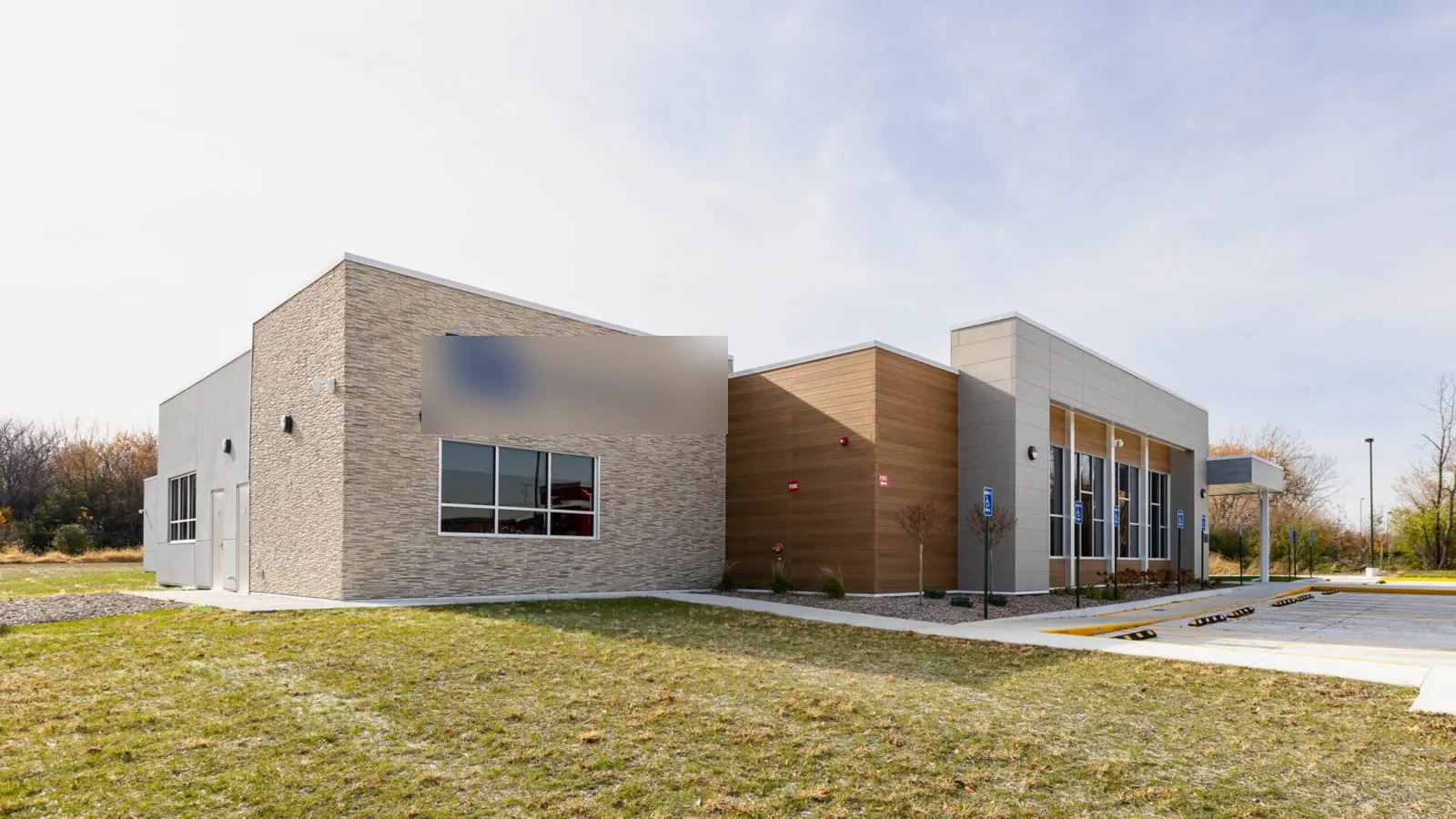
Photographs should show the opening before repair, the substrate after removal, the completed transition and any area left for later evaluation. We label each image by roof zone and date so the facility can match it to production records or a maintenance ticket. A condition report can capture observed facts, completed work and the next inspection item without implying that every nearby area was tested. If a storm or equipment event is involved, the exposure record and the roof finding stay separate until the evidence supports a connection.
After work, we revisit the repaired area and check the edge of the patch, nearby seams, equipment flashing and drainage route. The next inspection should note whether the same condition returned and what changed in the surrounding assembly. Clarksville's main thoroughfares include Wilma Rudolph Boulevard/US 79 and Warfield Boulevard/101st Parkway/SR 374, useful access references when coordinating crews across the market. Plant operations should set the roof walk around production, identify the approved access point, and flag utility or line restrictions before the crew arrives.
Tell us which production areas need protection, what equipment must remain accessible and when roof access is available. We will document the assembly and prepare a repair or replacement sequence that includes a clear dry-in point and daily handback.