
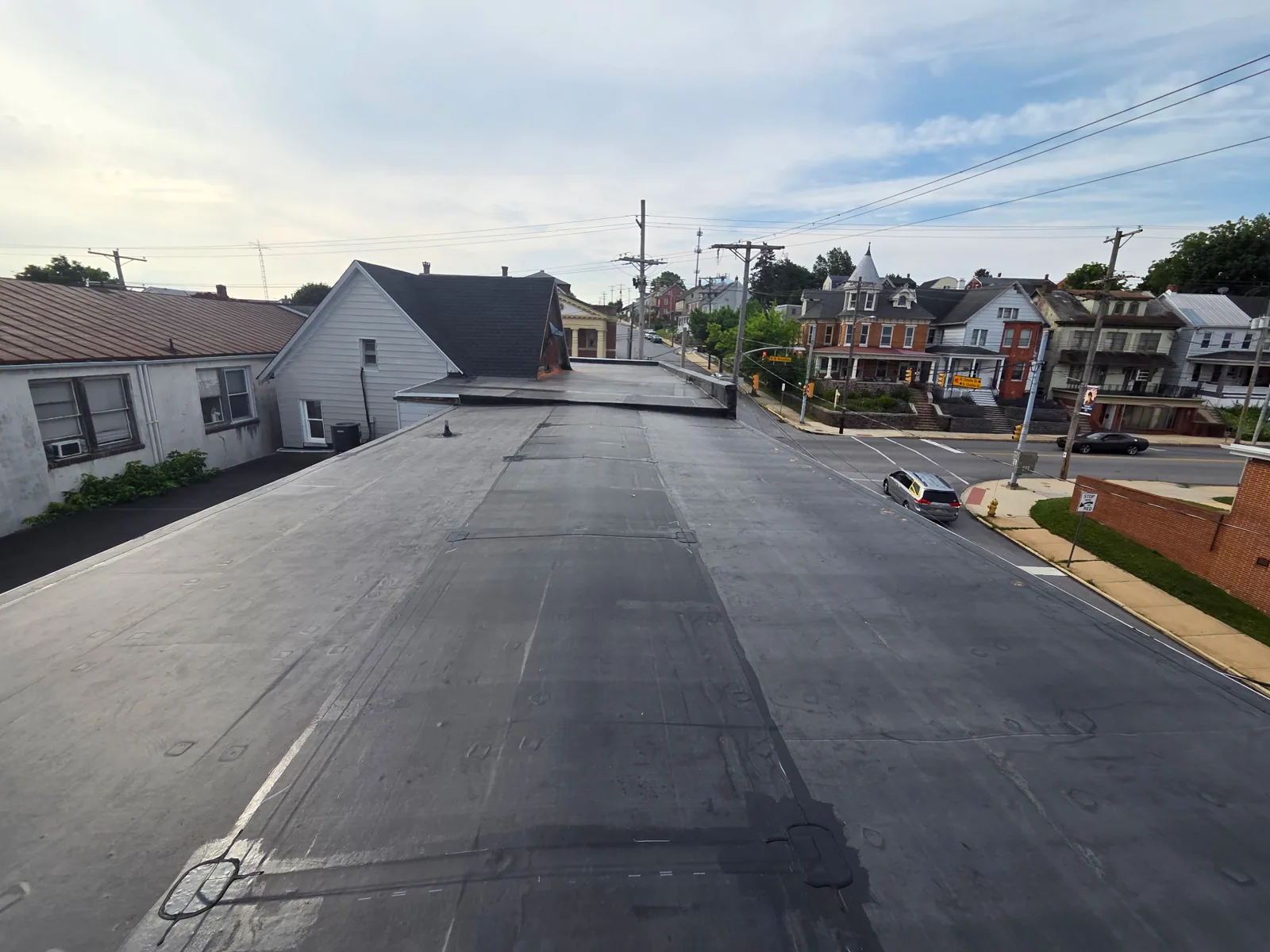
A KEE membrane needs a roof review that distinguishes its specified composition from the wear visible at the surface. In Clarksville, TN, we inspect field sheets, hot-air welds, edges, drains, and penetrations, then note the operating conditions around each zone. Hail reports from May 2024 included estimates in Clarksville, but the event does not establish damage at a particular roof. A facility near the Exit 4 Retail District or a route such as 101st Airborne Division Parkway receives a building-specific condition line, access plan, and next action.
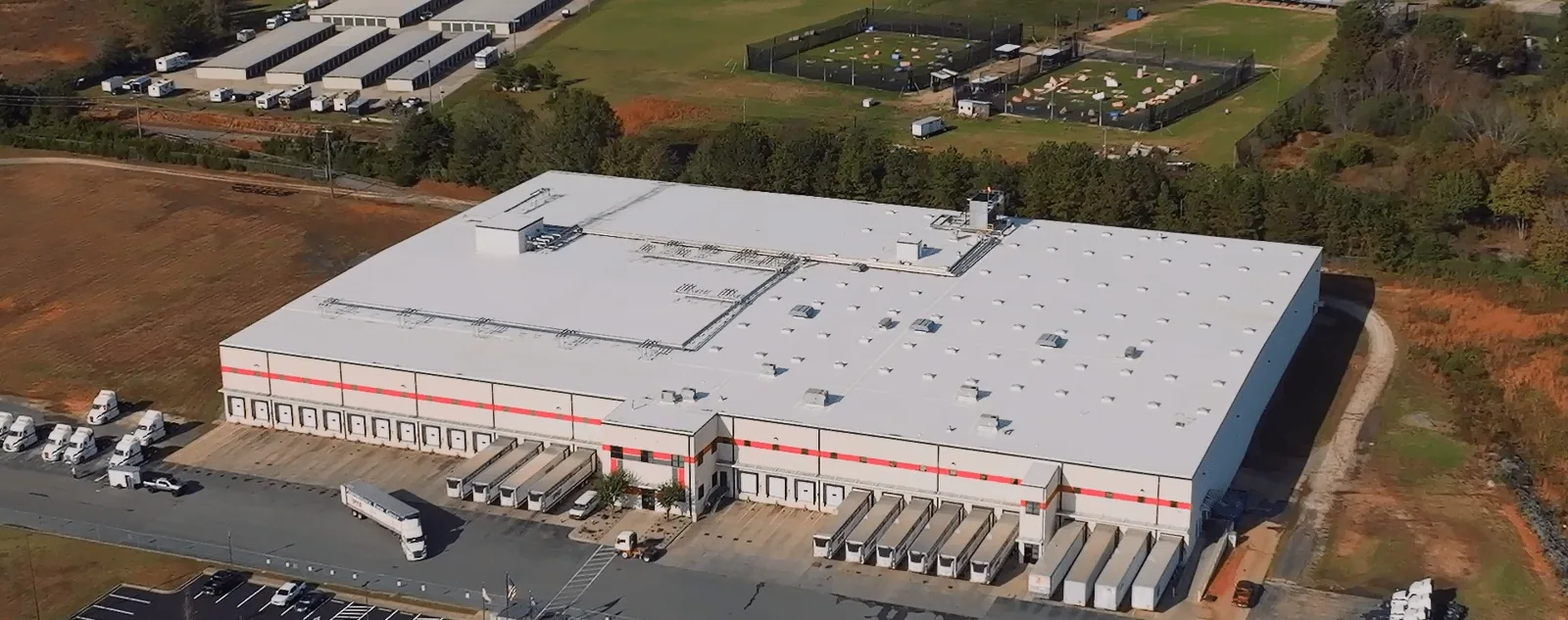
KEE describes a family of PVC-alloy membranes, but the name alone does not identify sheet thickness, reinforcement, attachment, or the details installed on a specific building. We review product records where available, then compare them with visible seams, surface condition, edge terminations, and roof transitions. When documents conflict with the field, the report marks what is known and what needs a test or opening before a replacement specification is set.
Where kitchen exhaust or process discharge reaches a roof, we identify the exposure and check the surface and nearby flashing for deposits, wear, and previous repair. Compatibility depends on the selected membrane and the manufacturer's written system requirements. A PVC system review can compare the base membrane family, while a TPO comparison gives the owner another thermoplastic option to evaluate against the same roof use and field conditions.
Attachment is a separate part of the assembly record. We identify adhered and mechanically fastened zones, note changes at additions, and check whether perimeter details match the field method. A repair should not bridge two sections as if their securement and movement were identical. Where the documents do not show those boundaries, a field review records the visible fasteners or adhesive indications and lists what still needs confirmation before the new scope is finalized.
Hot-air welds need clean surfaces, sound edges, and a consistent bond. We inspect lap terminations, T-joints, corners, curb flashing, and perimeter details, then probe accessible edges for separation. A repair record should show where the new sheet ties into the existing membrane and how the corner or transition was rebuilt. If contamination, a prior coating, or surface wear changes preparation, we identify a test area before pricing a wider repair.
Clarksville's May 2024 hail reports are preliminary regional observations, not a building damage inventory. We look for punctures, fractured surfaces, displaced metal, and damaged curb details at the actual roof. A hail inspection can document observed conditions by roof section, and a seam repair review can define a localized weld correction where the sheet itself remains suitable.
Clarksville normals show May as the year’s highest average precipitation month, with rainfall continuing through the calendar. The roof plan should show each outlet, overflow route, low area, and curb that could interrupt runoff. We check the membrane around the drain, clamping ring, and scupper, then note what is clear, blocked, or not safely reachable. A drain and scupper scope records the roof-side work before the main membrane repair starts.
Primer, cleaner, adhesive, and weld preparation all require conditions suited to the product instructions. We set a weather window, limit the area opened, protect the work at the shift boundary, and tell the facility when the zone can return to normal use. Near Exit 4's broad retail district, delivery and customer routes may matter to staging, but the property contact still approves the actual entrance and work zone. We do not infer access from the district map.
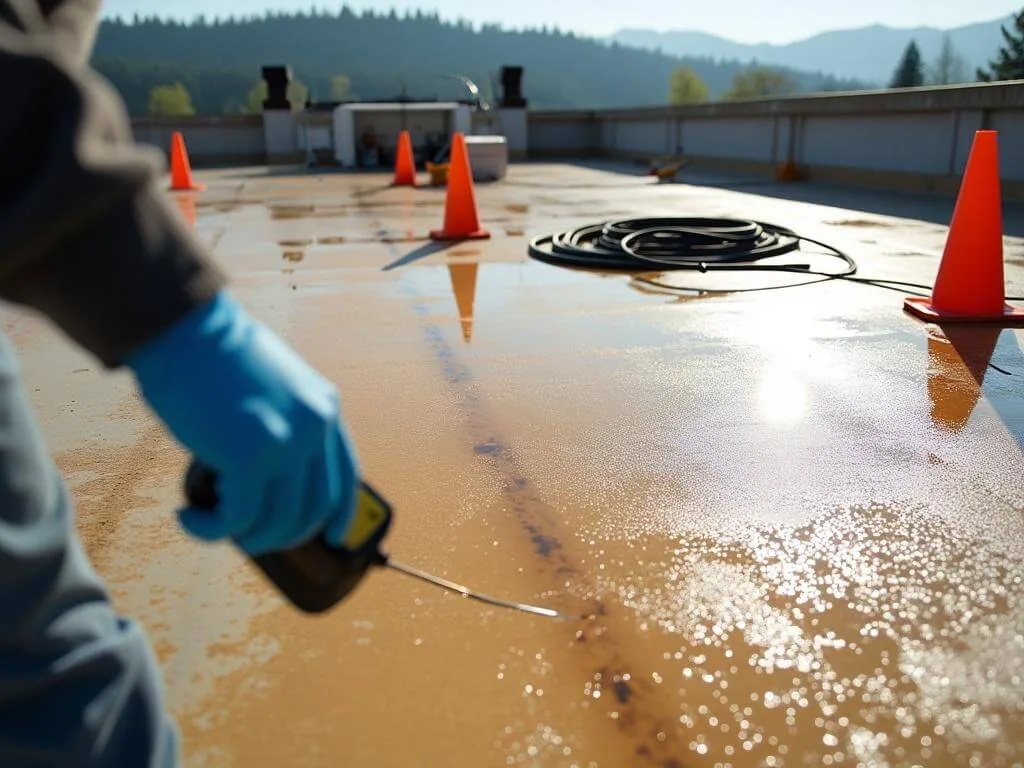
A defined weld repair may keep a sound membrane in service. Broad seam separation, wet insulation, weak attachment, or details that have been altered several times can make a larger review more useful. We identify the areas confirmed in the field, list the concealed condition that could alter scope, and explain whether a test opening would change the recommendation. The owner can compare repair with recover or replacement using stated limits instead of an assumed whole-roof condition.
Clarksville's adopted 2018 International Existing Building Code and Energy Conservation Code are part of the local project context. The applicable requirements depend on the work and permit path; the design team and jurisdiction confirm them. A roof inspection provides the field record, while a capital review can sort known repairs, options, and timing questions for the budget cycle. If the roof cannot be protected through a forecast shift, our emergency response can address immediate water entry and leave the permanent system decision for the appropriate work window.
Cost and timing reflect the area needing removal, number of curbs and drains, access equipment, preparation, and any trade that must release rooftop units. We separate those drivers in the scope so the facilities lead can compare a targeted weld repair with an assembly-level option. If concealed material changes the quantity after opening, work pauses at the agreed approval point and the roof remains protected until the next instruction.
We compare available product and installation records with visible sheet, reinforcement, seam, and attachment details. If the record does not identify the roof zone or conflicts with field conditions, we state that gap and recommend the documentation or test needed before specifying new material.
Exhaust exposure is one part of the decision, not a substitute for product compatibility review. We map discharge location and condition, then check the selected membrane data, seams, and nearby flashing. The facility receives a recommendation tied to the actual system and maintenance needs.
No. Hail reports establish a regional event record, not the condition of a specific building. We inspect the exposed surface and details for observed punctures or fractures, then document what is confirmed. Any repair scope follows those findings rather than the weather report alone.
Access, contaminated surfaces, old repairs, corners, equipment bases, and weather can affect preparation and close-in time. We set the work boundary after inspecting the weld and its adjoining sheet. A test patch may be appropriate when the surface or prior treatment makes bond behavior uncertain.
Repeated weld failures, broad wet insulation, unreliable attachment, or several roof zones with different repair histories can justify comparing larger options. We document each area, identify concealed questions, and show where recover or replacement would change removal, edge, drainage, and operating requirements.
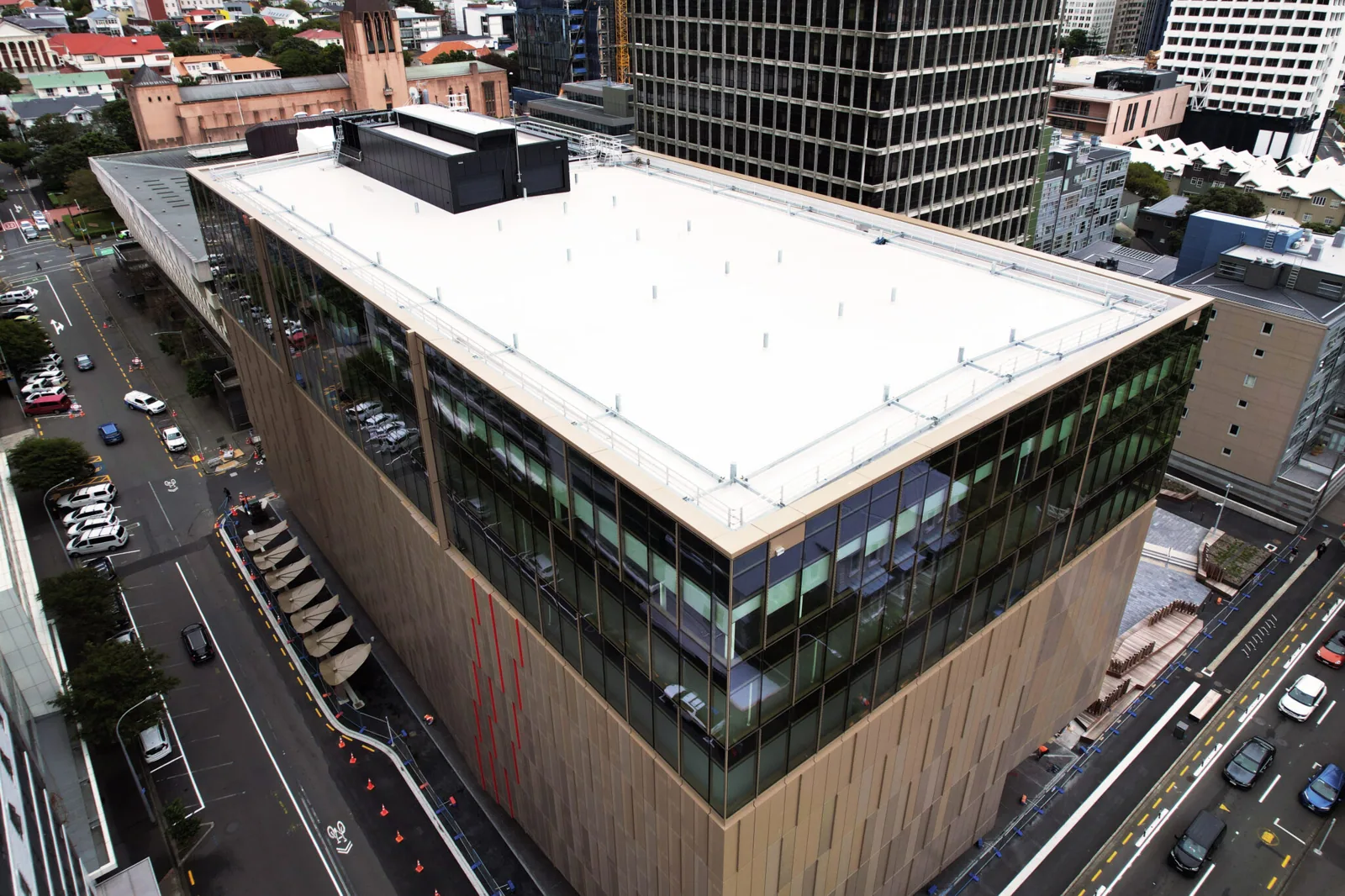
Closeout photographs should show the repaired weld or transition, the membrane around it, and the boundaries of the work. We record preparation, materials, roof zone, any test area, and an excluded detail that needs later access. The next inspection can compare that exact location and check whether adjacent seams or drains have changed. For multiple facilities, each roof retains its own file and operating constraints.
A coating or surface treatment should not be placed over an uncertain membrane without checking compatibility, preparation, and the existing assembly. When restoration remains a candidate, a coating evaluation can identify required tests and repairs before application is considered. The facility receives a dated work record, daily handback note, and clear next inspection point tied to the roof section that was actually reviewed.
Share product records, roof plans, leak history, and operating constraints. We will inspect the membrane details, confirm what is field-visible, and set a repair or renewal sequence for the facility.