A building manager should be able to connect a roof recommendation to a location, a condition, and a next action. Commercial Roofing Clarksville works on commercial low-slope and metal roofs across the market, from a warehouse in North Park to an occupied office near Rossview Road. We inspect the roof that is present, document what can be seen, and set repair or project work around the facility schedule. The goal is a usable scope, not a material label without context.
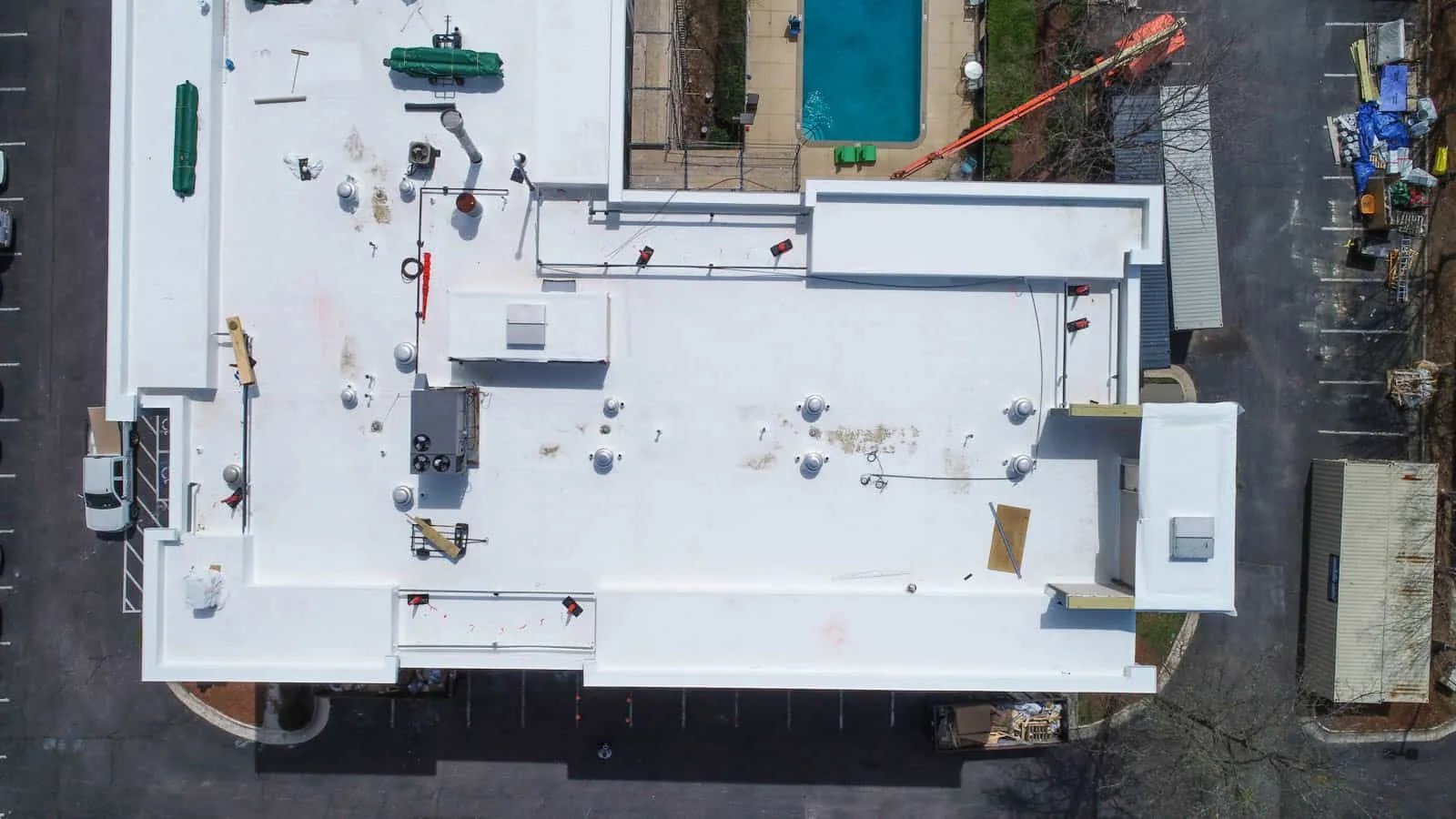
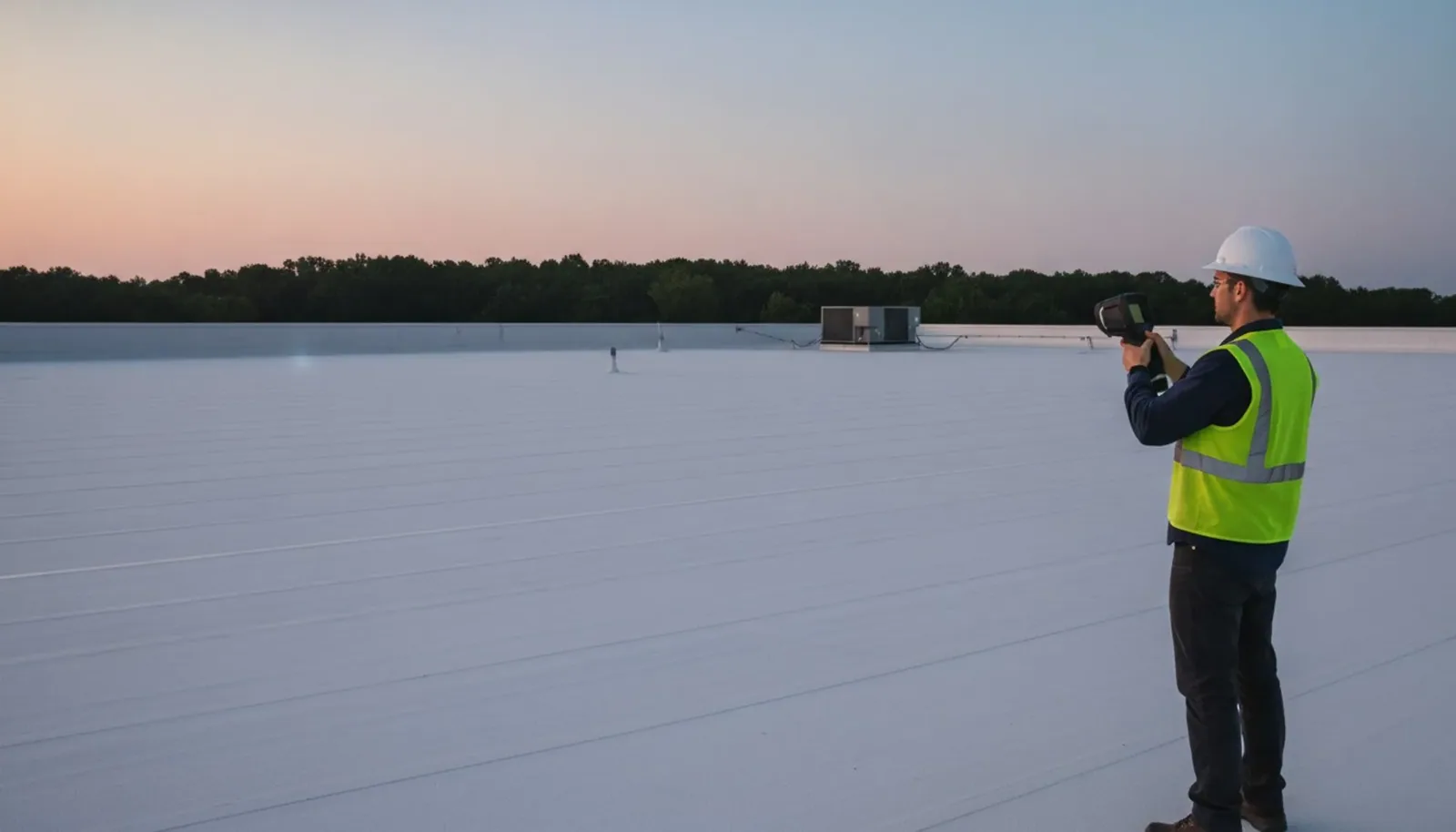
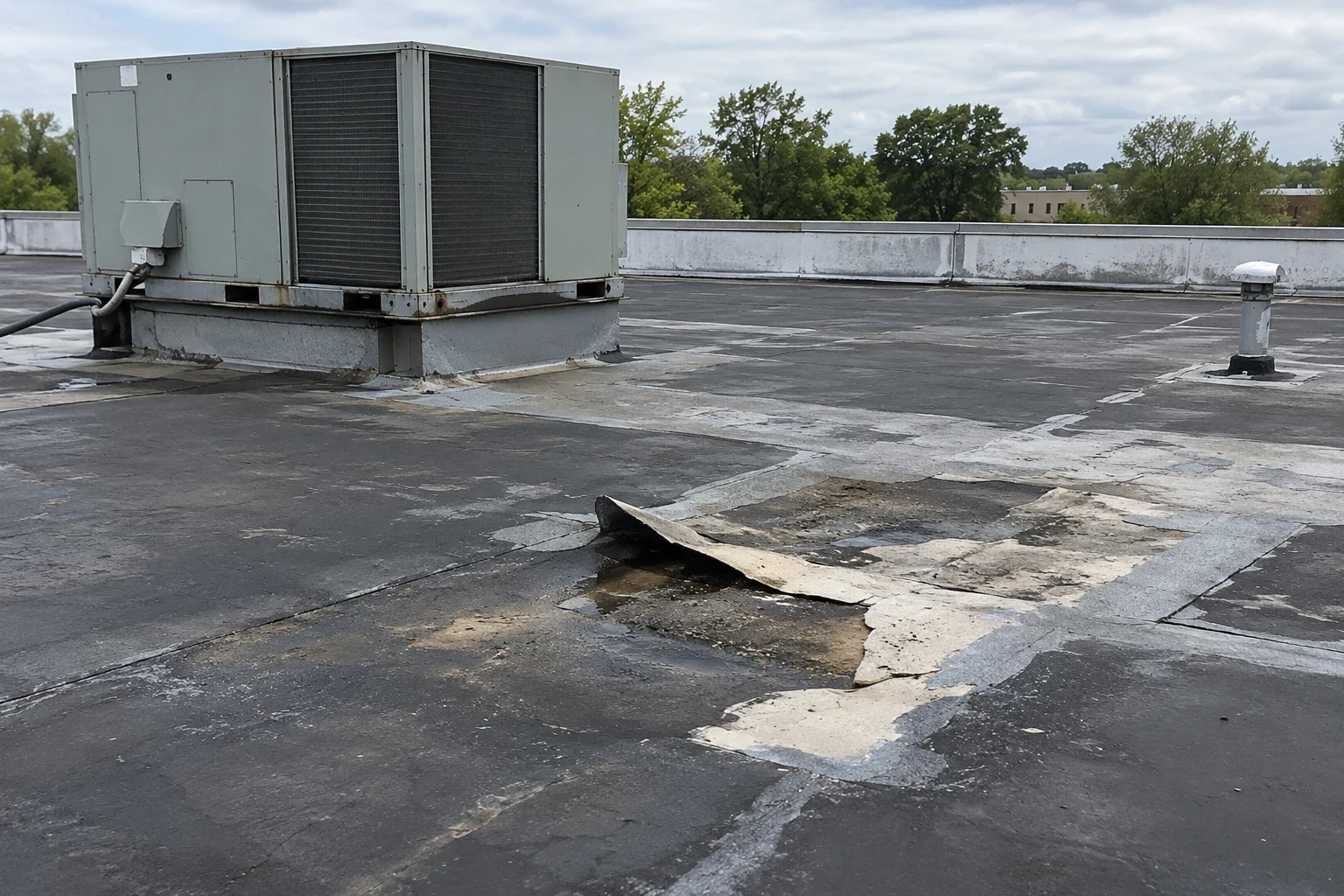
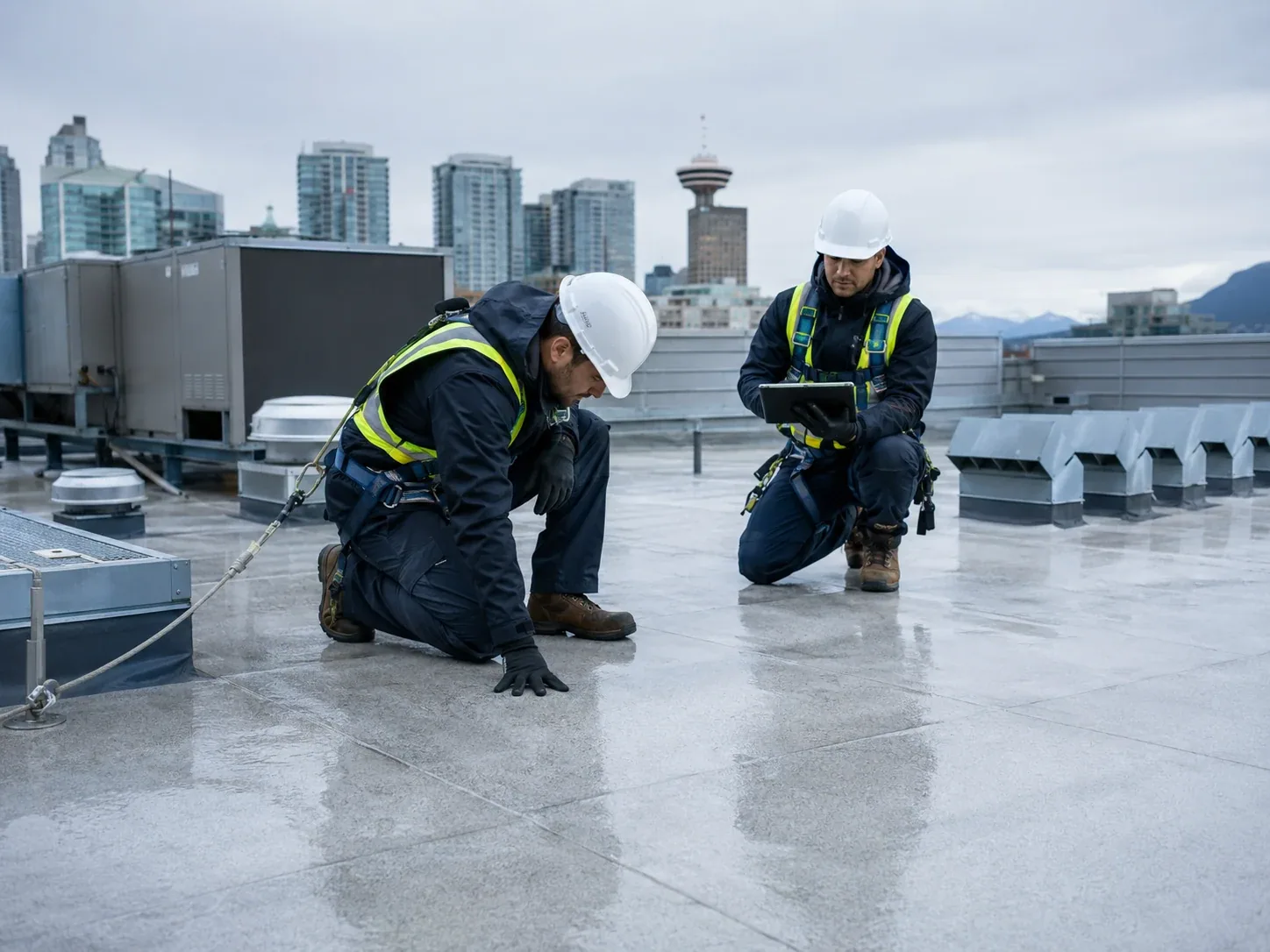
At a roof walk, we look at seams, membrane, edge metal, penetrations, drains, curbs, prior patches, and visible changes in the assembly. Interior leak reports guide where we look, while photographs and roof-area notes show what was accessible and what needs confirmation. Our commercial inspection can separate a maintenance item from a repair candidate or a larger condition question. When surface signs and the interior report do not align, an infrared moisture survey can help focus follow-up testing. The owner receives findings tied to roof areas, not an unlocated collection of images.
We state access limits and separate observation from inference. A stain below a roof is a reason to investigate, not a direct view of a concealed layer. A test opening, moisture reading, or design review may be needed before the scope can be final. That discipline matters on a multi-tenant building, a production facility, or a distribution property where an unnecessary opening can disrupt the operation below. We agree on the next evidence needed before expanding the work boundary.
When water is entering, we identify the affected roof area, trace likely pathways, and protect the opening as conditions allow. Our emergency roof response is available day or night, including weekends and holidays, to address urgent exposure. Temporary protection is recorded separately from the permanent repair. A repair scope names the seam, flashing, penetration, drain, or edge detail involved, the material connection, and the dry-in point for each work shift.
If the same roof area has repeated failures, wet insulation, widespread edge problems, or uncertain attachment, we compare repair with a replacement assessment or a recover review. The choice depends on the assembly and what testing shows. We identify cost and schedule drivers such as tear-off, substrate repair, insulation, access, staging, protection, and tie-ins. Those items are stated before approval so the owner can see what is included and what could change if concealed conditions appear.
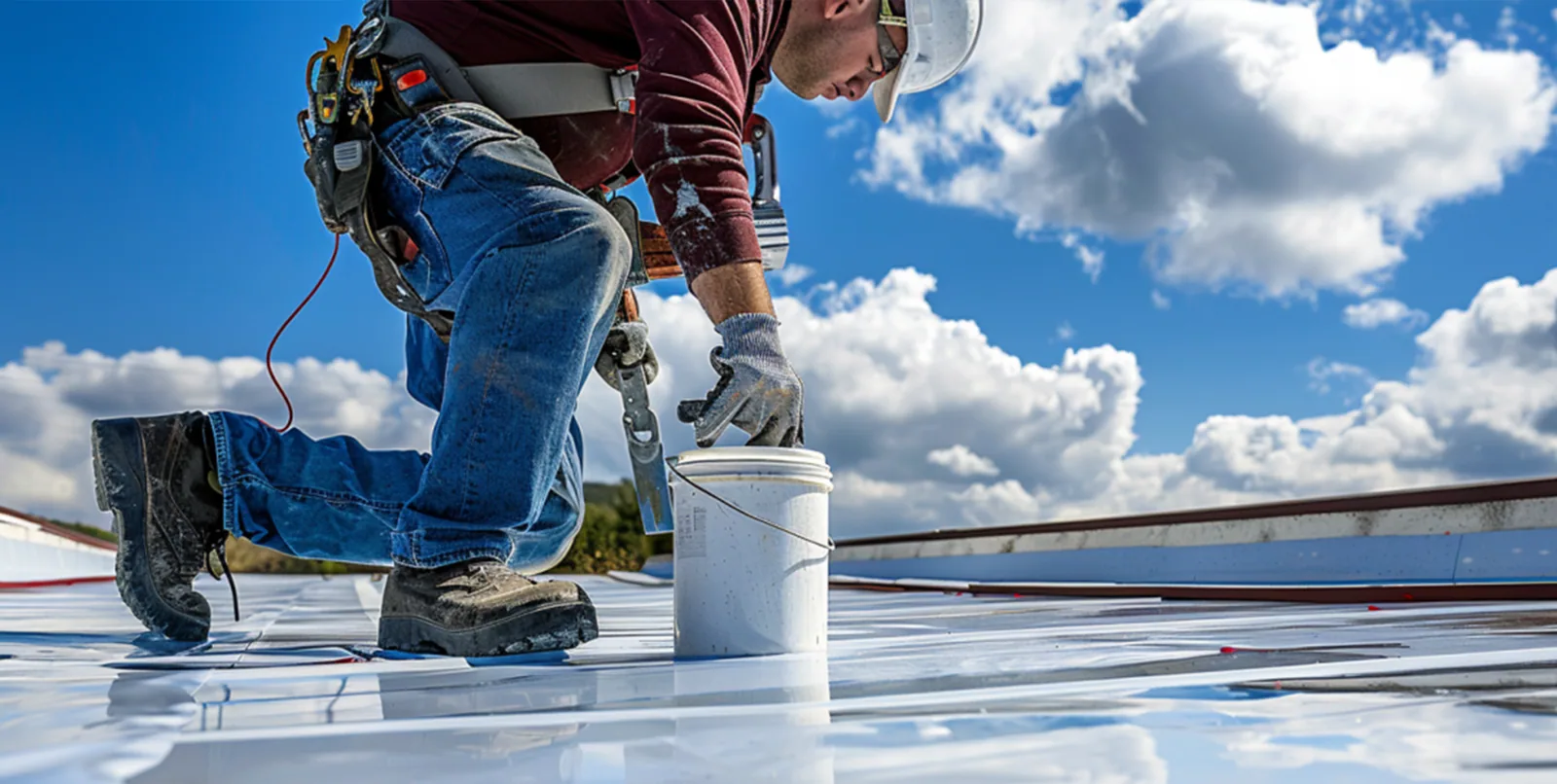
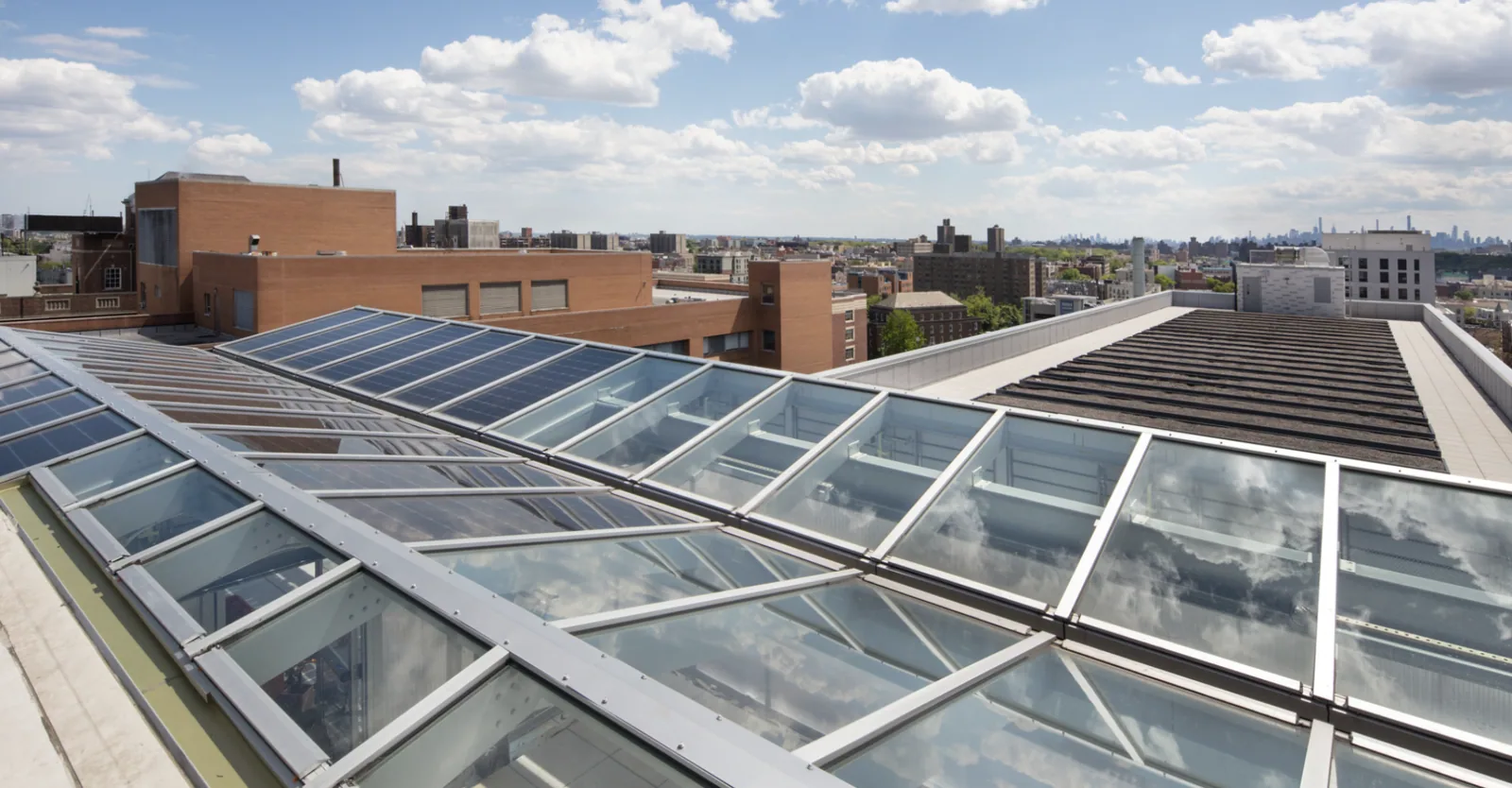
Commercial Roofing Clarksville installs and repairs TPO, PVC, EPDM, KEE, modified bitumen, built-up roofing, standing seam and retrofit metal, spray foam, and coating systems. We review the deck, existing layers, attachment, insulation, drainage, edges, curbs, and penetrations before recommending a system path. A TPO assembly is not selected by the membrane name alone; the transition details and the building's use matter too. Coatings need a prepared substrate and application conditions that fit the product and weather window.
For a warehouse or manufacturing property, rooftop equipment and loading access can shape where materials are staged. A medical or office building may require a smaller work zone and clearer notice to occupants. We work with the facility contact to identify safe access and areas that remain in operation. Where replacement or recovery changes the assembly, we flag code or design questions for the appropriate project review rather than treating a field observation as an approval.
Clarksville includes multi-property employment areas such as North Park, East Park, and South Park, with industrial, distribution, manufacturing, and business activity shown across a broader road and rail network. The employer mix also includes education, healthcare, retail, printing, appliance manufacturing, and other building uses. Those examples help explain the range of roof questions in the market, but they do not tell us the condition of any particular property. Each roof receives its own walk, access plan, and written findings.
Summer heat and rainfall are practical scheduling inputs. Clarksville's long-term normals average 79.4 degrees in July and 78.7 in August. May has the highest average monthly precipitation in the table, with rainfall also present in November. We consider substrate condition, forecast, material handling, and the amount of roof we can safely close in before the shift ends. A roof at North Park and an occupied property beside Wilma Rudolph Boulevard both need a building-specific sequence.
Roof work affects more than the roof surface. Delivery paths, patient entrances, classroom hours, tenant circulation, production lines, and rooftop equipment all influence when a crew can enter and which areas can be isolated. Before work begins, we confirm the contact, access route, staging location, material drop, protected areas, and daily handback. An occupied-building project can proceed by zones when the facility cannot release the entire roof at once. Each shift ends with a defined dry-in point and an update on the area returned to service.
Clarksville's code list includes the 2018 editions of its International Building Code and Existing Building Code. A project can require design or permit review depending on the work and jurisdiction. We identify a code question when it affects the scope and coordinate with the owner or design professional on what must be resolved. The roof crew records existing conditions and completed details; it does not replace the approval process. That distinction keeps work planning clear for both the facility team and its project partners.
Preventive maintenance gives a facility a chance to clear drains, check flashing and seams, record roof traffic, and plan repairs before a small opening becomes an interior disruption. Our maintenance work can be paired with a condition report that marks findings by area and separates urgent work from items to monitor. For an owner with several buildings, a multi-site roof program can keep inspections, photographs, repairs, and next dates tied to each property.
We review the record with the facility contact and identify the next action: protect, repair, test, maintain, or plan a larger project. The closeout includes the area worked, material and detail, photographs, access notes, and any follow-up that remains. If an insurance discussion is underway, we can document visible conditions and repair work for the owner's file without making a coverage decision. A clear record lets the next shift, manager, or project reviewer see what happened and what still needs attention.
Tell us the building use, roof concern, interior location, access requirements, and hours when a work area can be released. Available roof plans, earlier repair notes, photographs, and warranty documents can help focus the visit, though we verify present conditions in the field. From a service call near East Park to an occupied property by Exit 4, we coordinate the visit with the contact who controls roof access. The first discussion should make the route, scope, and next decision easier to set.