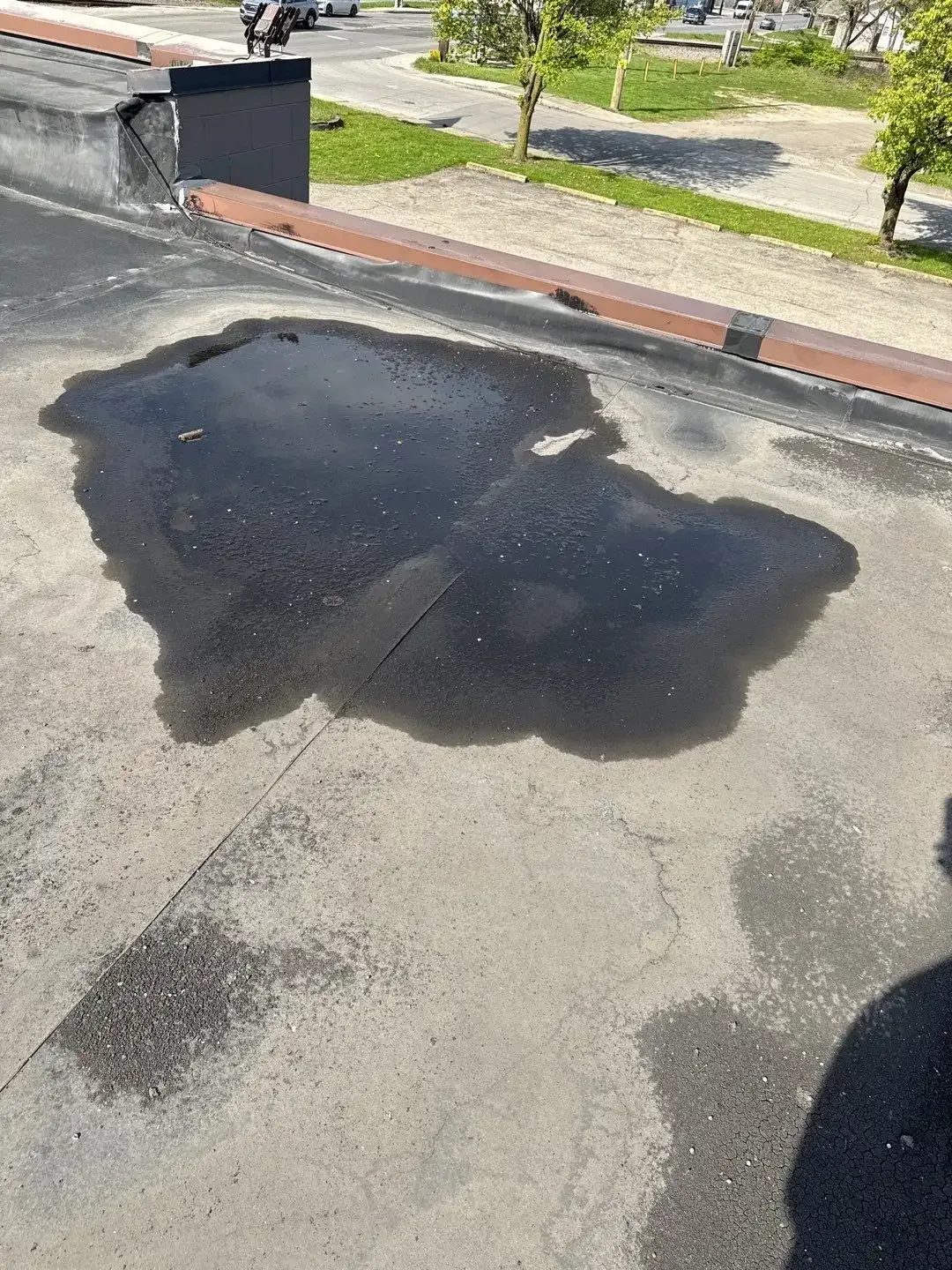
A recover can keep a functioning roof assembly in place, but only when the existing layers, moisture condition, and deck support the new system. In Clarksville, heavy average rainfall in May and warm summer conditions make a sound drain path and a secure work-day close important whichever option is chosen. We inspect the existing roof before recommending an overlay. The facility team receives a clear explanation of what stays, what gets removed, how the added assembly affects edges and curbs, and where a recover stops being a responsible choice. On properties near Tiny Town Road or the broader North Park industrial area, truck access and occupied hours help set the staging plan; they do not determine whether the roof qualifies. That answer comes from the roof itself.
The first question is how many existing roof layers are present and whether the assembly can legally and practically receive another. We review the roof history available from the owner, inspect representative areas, and look for wet insulation, deteriorated cover board, soft deck, widespread adhesion loss, and concealed conditions that could remain trapped under a new membrane. A dry surface does not confirm dry insulation. Where the visual evidence is uncertain, selective openings can show the condition below the field and around drains or penetrations.
For Clarksville work, the adopted editions include the 2018 International Building Code and the 2018 International Existing Building Code. The project team should confirm what applies to the specific building and proposed assembly with the jurisdiction and design professional. A recover can change edge heights, transitions, and curb flashings, so those details need review before materials arrive. If the deck or insulation requires broad replacement, a tear-off often gives better access to correct the underlying condition. Compare the options with a full commercial roof replacement and consider whether the existing field can be repaired through targeted commercial roof repair instead.
Moisture beneath the membrane changes the recover decision because new material can hide rather than solve the problem. We trace interior reports back to roof areas, check laps and penetrations, review drainage, and sample locations where the surface or history points to a concern. A test cut can show whether insulation is sound, damp, or degraded and whether the deck needs attention. We map those findings so the owner can distinguish isolated repairs from conditions that affect the whole proposed recover zone.
For a larger building, an infrared and core-cut moisture survey can help prioritize where openings are useful, while a hands-on roof inspection records the visible details that an image alone cannot resolve. The report should show the survey limits and confirmatory cuts, not turn a colored temperature pattern into a claim about every roof layer. If moisture is widespread, we show the tear-off areas and explain what must be removed before installing a new assembly. That gives facilities staff a defined choice instead of placing a new membrane over an uncertain substrate.
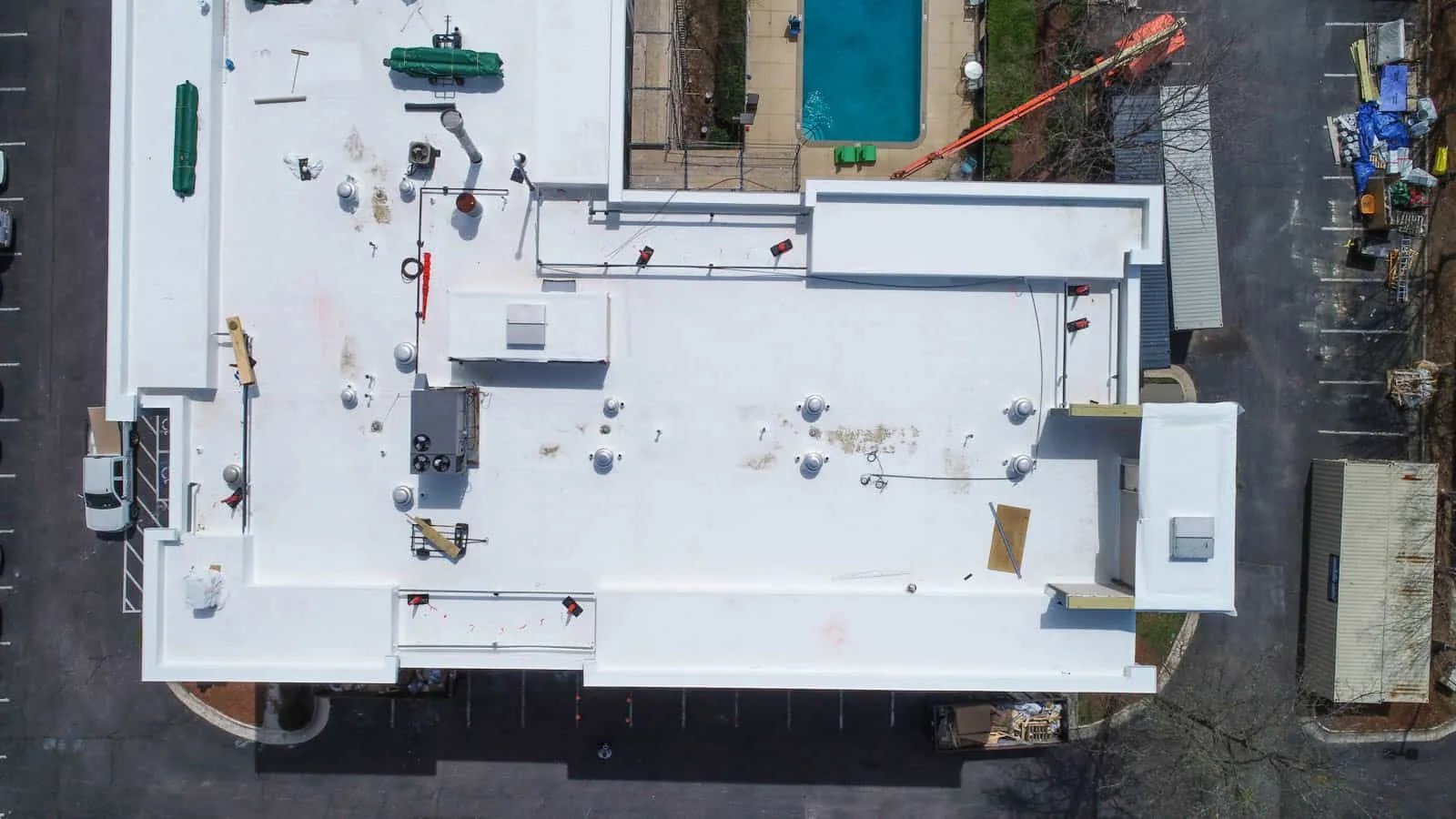
Adding a layer raises the finished roof surface. That can change the height available at parapets, metal edges, drains, scuppers, door thresholds, equipment curbs, and expansion joints. We measure transitions and note where existing flashing can be adapted or must be rebuilt. Drain bowls need a clear route into the new system, and old materials cannot be allowed to choke the opening. Where rooftop equipment sits close to the field, the flashing height and access clearance must remain workable after the assembly is complete.
Commercial properties along Trenton Road and Tiny Town Road may have different loading patterns and tenant hours. Those schedules affect staging and daily handback, but every property still needs its own roof measurements and access plan. We coordinate any HVAC lift or curb modification with the responsible trade, establish who protects equipment, and define how the roof is dried in before a shift ends. Check drain and scupper repair where water is not clearing and perimeter metal work where added height changes the termination. The assembly should connect cleanly at every edge.
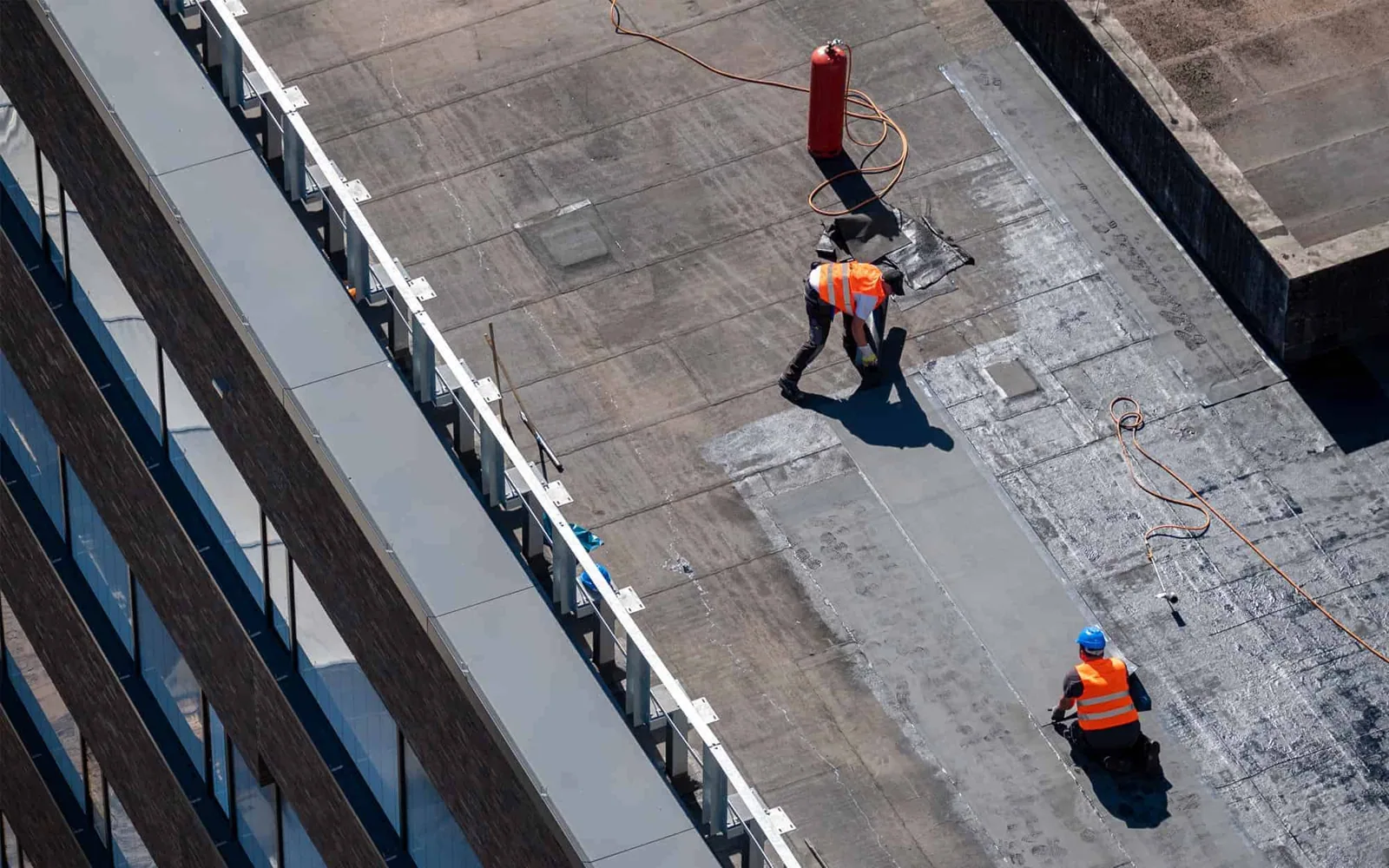
Before a recover begins, the crew and facility contact agree on the material route, lift area, roof access, staging limits, and the boundary that can be completed in each shift. A defined zone protects open laps and keeps debris away from drains. We track what is removed, repaired, or retained and photograph transitions before they are covered. The daily handback names the completed area and the next work zone, which helps a property team keep loading, tenant circulation, and service calls moving below.
May has Clarksville's highest average monthly precipitation at 5.50 inches, while rain falls in other months too. Forecast timing therefore affects how much roof can be opened and secured in a day. We check the weather window, keep temporary tie-ins manageable, and stop before an unfinished edge puts the building at risk. If the existing assembly reveals more wet material than anticipated, the work pauses at a safe boundary while the owner reviews a documented change. That decision may convert one section to tear-off while others remain suitable for recover. The approved sequence is adjusted before production resumes, rather than treating a hidden condition as a field detail to conceal.
We confirm the number of layers, inspect the deck and perimeter, and check representative locations for wet insulation, adhesion loss, or deterioration. Selective openings can resolve conditions that the surface does not show. The report states where retention is suitable and where removal is needed.
Yes. We measure parapets, metal edges, drains, penetrations, door transitions, and curbs against the proposed assembly thickness. Any detail that loses required flashing height or drainage access is identified before production. The owner can then compare a modified transition, selective tear-off, or full replacement with the project team.
An infrared survey helps locate patterns that may justify closer review, but it does not by itself identify the roof layers or prove a wet area. We use the survey to guide selective test cuts and record confirmed conditions. If the results show moisture below the field, we map the affected zone and revise the recover boundary before it is covered.
The crew protects the open area and stops at a defined dry-in boundary. We document the material and location, explain how it affects the proposed assembly, and submit a change for approval before expanding the removal.
The roof zone, lift location, delivery hours, and daily handback can be set around building operations, provided weather and safe access permit the sequence. We coordinate the work area with the facility contact and keep loading paths and required rooftop equipment access clear. Each shift ends with a documented dry-in point and a specific next-zone plan.
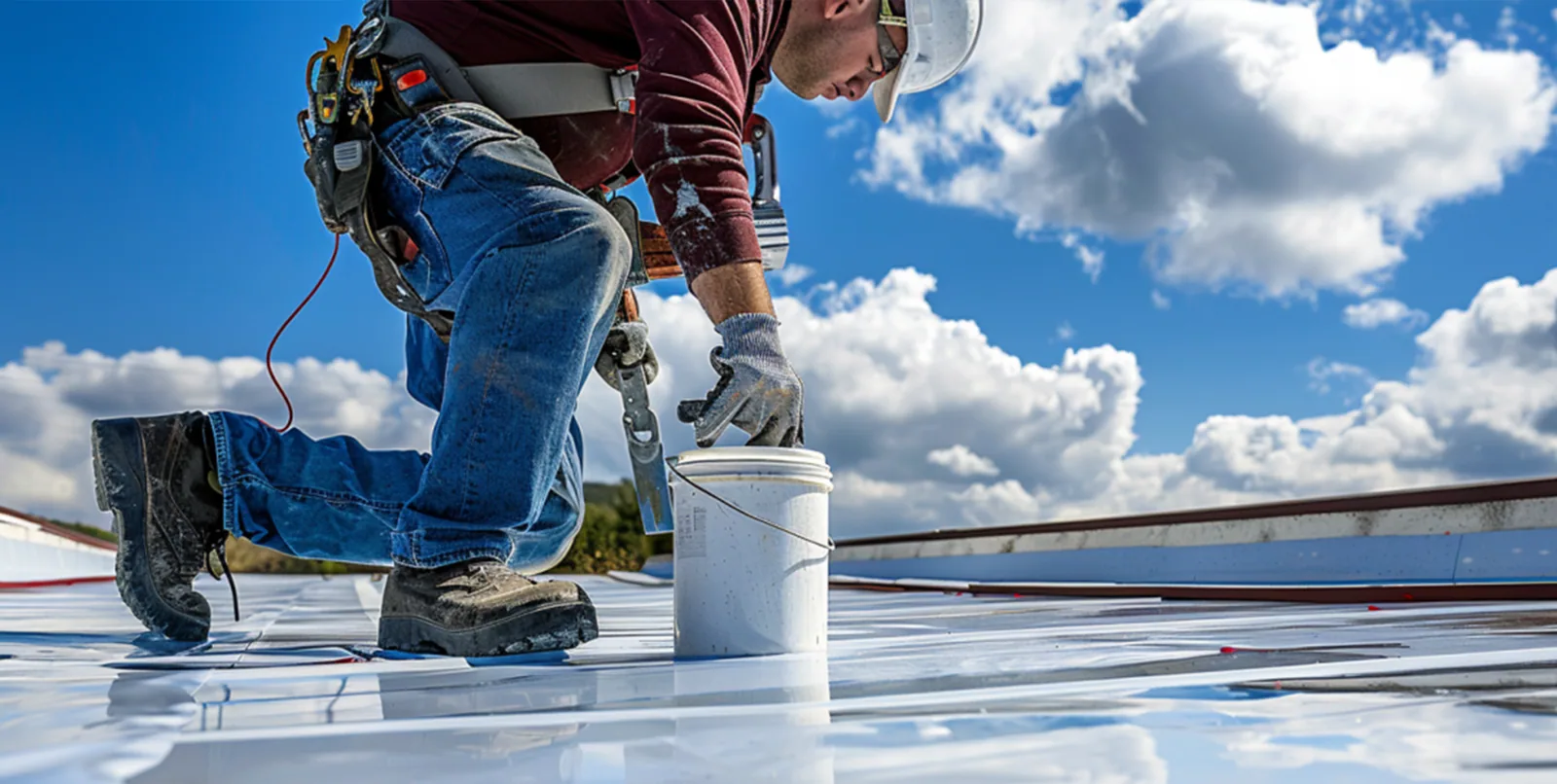
A useful proposal separates recover work from any removal, deck repair, insulation replacement, curb work, or drainage correction. It identifies the areas included, the condition that would trigger an added scope, and the assembly proposed over the approved substrate. This makes the price comparison more meaningful because a low initial number cannot hide a different amount of removal or preparation. We also explain how finished height affects the roof edge, equipment, and future maintenance access.
If the recover test passes, we show where the first work zone will close and how roof access fits the occupied schedule. If it does not, we show why tear-off is needed and what the facility can expect during the exposed portion of work. A broad Clarksville employment district such as East Park or a commercial corridor like Tiny Town Road may help locate the property for dispatch, but no district name replaces a roof inspection. Start with a condition report with photographs, then coordinate the site walk in East Park or along Tiny Town Road. We will put the findings and options in writing for the facility director to review.
Schedule a Clarksville roof walk. We will inspect representative areas, document moisture and edge conditions, and explain whether recover or tear-off fits the assembly and operating schedule.