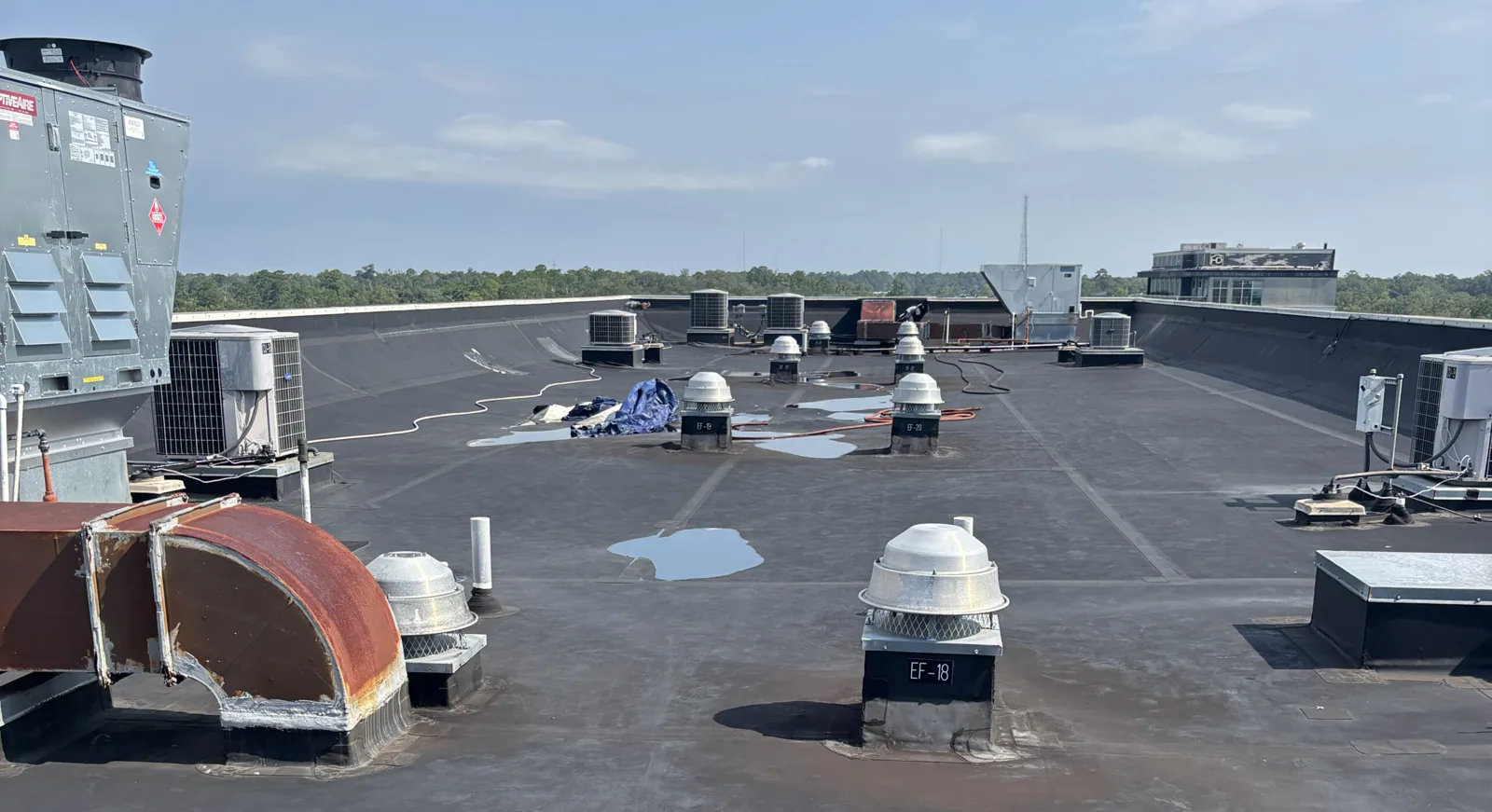
After a warm Clarksville day, the roof surface can show temperature patterns that help target a closer moisture check. That pattern is a screening clue, not a diagnosis of wet insulation. We plan an infrared roof survey around the system, surface condition, recent weather, and safe access, then verify selected anomalies with core cuts or another suitable opening. This gives a facility director more useful information before approving a recover or broad replacement scope. The process can help organize a large roof near North Park or East Park, where the facility needs mapped observations rather than a general statement about the whole assembly. We record the survey conditions, mark the locations checked, and distinguish an image result from moisture that was physically confirmed.
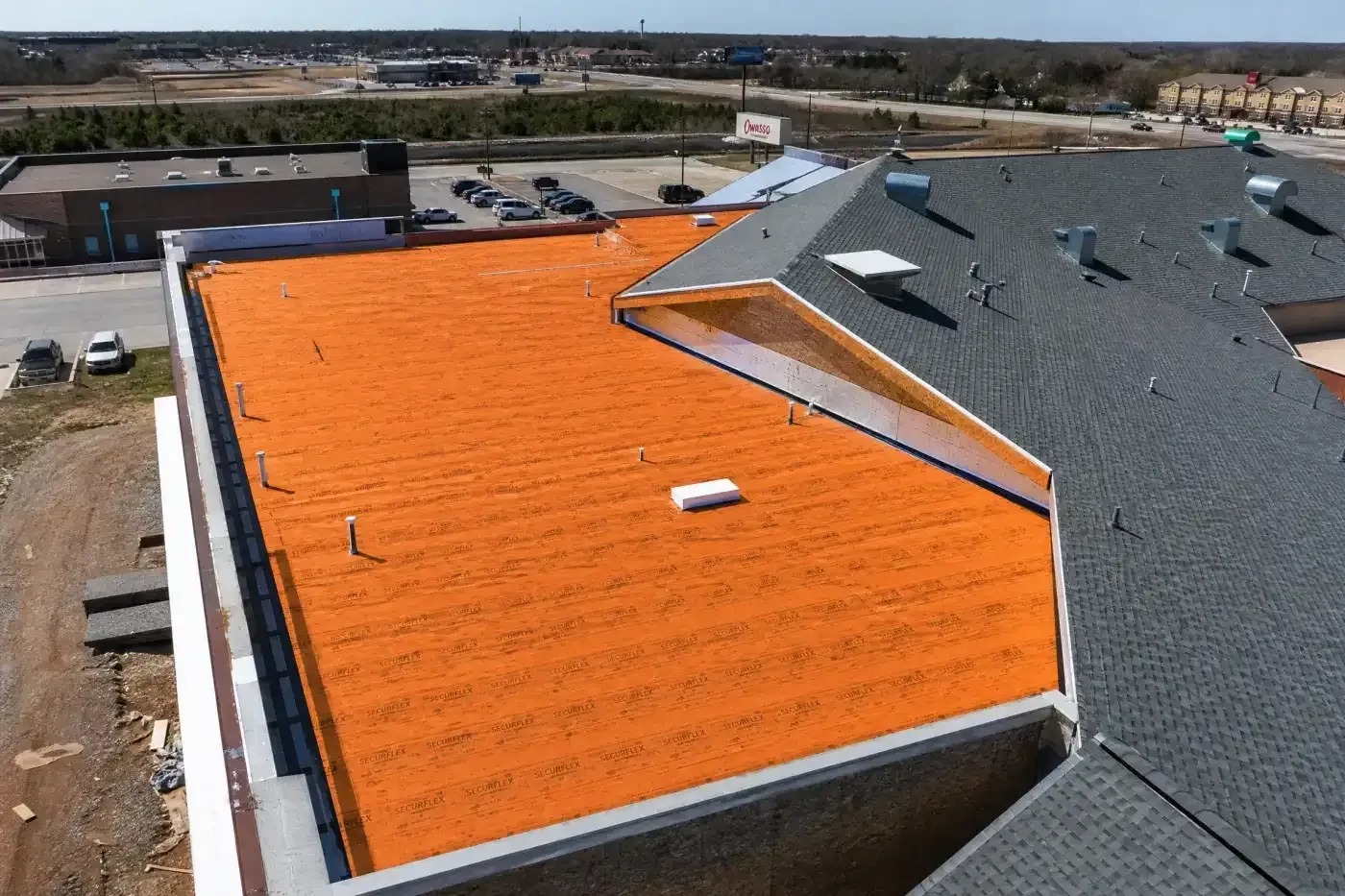
Infrared readings are affected by surface conditions, insulation type, roof construction, equipment, shade, water, and the difference between daytime heating and nighttime cooling. Before scanning, we review the roof materials and available drawings, identify sections that should not be accessed, and confirm the weather and timing that make the readings useful. The survey plan also notes rooftop equipment and areas where reflected heat or standing water may complicate interpretation. A roof that has recently received rain may require a different observation window than a dry surface. Before arriving, we ask whether the owner has roof plans, prior repair notes, or a reported interior leak map. Those records do not replace field verification, but they help distinguish a new observation from a known condition and identify where a core cut would change the decision. We also check for recent roof work that could alter the surface pattern, then record those factors with the survey date. A facility contact can identify rooms that need priority so the image review stays tied to an operating question.
Clarksville averages 79.4°F in July and 78.7°F in August, with rainfall occurring across the year. Those conditions frame the planning conversation, but the survey schedule follows actual weather and the roof's thermal response, not monthly averages alone. We establish a safe route, prepare a roof map, and assign stable labels to each section before collecting readings. For a property along Tiny Town Road or in the broader industrial area, building scale and access can vary, so we confirm the site contact and work limits before setting equipment. A hands-on roof inspection can record membrane and flashing defects alongside the image survey.
An infrared image may show a warm or cool area that differs from its surroundings. That difference can result from moisture, but it can also reflect insulation changes, deck construction, air leakage, shade, mechanical equipment, or surface moisture. We compare the pattern with roof details and known building conditions before describing it. A color difference alone does not establish the depth, quantity, or origin of water beneath the membrane.
Selected areas are checked with a core cut or another approved opening. We document what the opening shows: roof layers, insulation condition, deck condition, and whether moisture is present at that location. The sample does not prove that every part of a larger outlined zone is identical, so the report maps the confirmed point and the surrounding area that may need more checks. If the owner is considering a recover, those confirmations help determine whether wet material can be isolated or whether tear-off is needed. Compare the findings with recover eligibility and replacement scope options before deciding what stays below a new membrane.
The deliverable should let a facilities lead find each survey location without interpreting an unlabeled color image. We provide a roof plan or image index with consistent section names, marked anomalies, confirmatory opening locations, and photographs. The notes separate a reading that needs follow-up from a core cut that confirmed wet or dry material. We also include the survey date and conditions, because another visit under different surface or weather conditions may produce a different image.
Wilma Rudolph Boulevard and Tiny Town Road serve different parts of Clarksville, while North Park, East Park, and South Park are multi-property industrial districts. These names can orient the property in a portfolio record, but the roof map must be specific to the building. We label each section and avoid merging separate structures into one reading set. For a larger portfolio, the mapped results can feed capital planning and roof asset records, with the confirmed sample locations retained for comparison. A manager can then separate wet material requiring action from a pattern that needs another test.
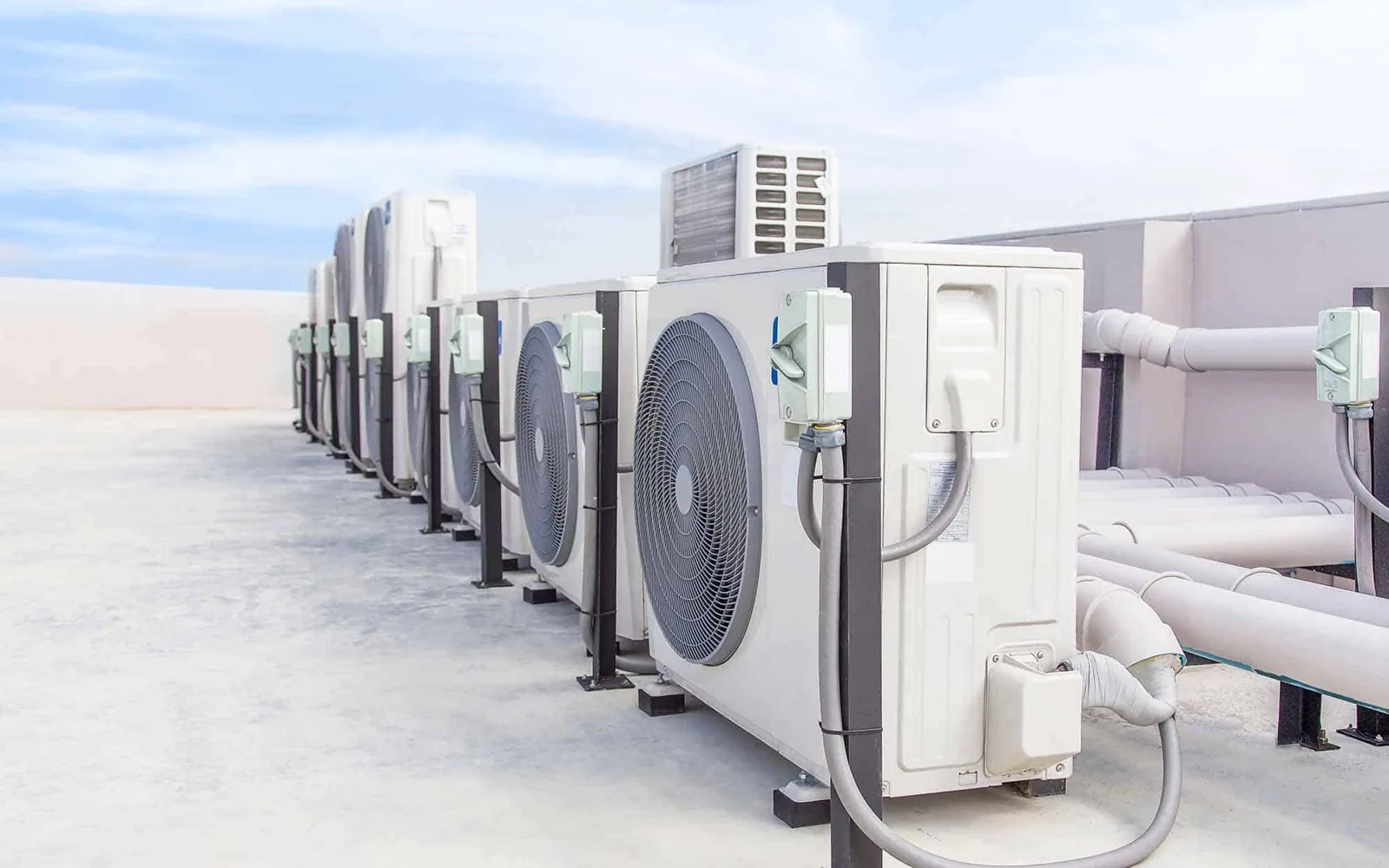
When an anomaly is confirmed, we show its position relative to drains, curbs, seams, penetrations, and the nearest roof edge. The repair plan can then isolate the wet material and rebuild the affected area, subject to the deck and assembly findings. If a survey finds a broad pattern, we recommend additional openings where they can change the scope decision. We do not call the entire field wet based on one core or one infrared boundary. That restraint protects the owner from budgeting around an unsupported assumption.
Where an active leak is part of the investigation, we compare the interior report with the roof map and trace the water entry before selecting the repair. If the survey supports a localized fix, a repair scope can identify the removal and tie-in needed. For a Clarksville facility near North Park or Tiny Town Road, we coordinate core cuts, roof access, and work hours with the operating contact. The next decision is based on confirmed conditions and the area that still needs verification.
No. It shows a temperature pattern that can indicate where additional inspection is worthwhile. Construction changes, shade, equipment, air movement, or surface water may also create a difference. We verify selected locations with core cuts or another suitable opening and report the confirmed condition separately from the image result.
A core reveals the roof layers and insulation condition at a specific location. It helps determine whether a reading corresponds to moisture and whether the deck needs review. We map each opening and its result, while keeping the survey boundary distinct from the sample point because one opening does not describe every nearby layer.
It can contribute evidence to that decision, especially when the owner needs to understand the location and extent of suspected moisture. The assembly, layer count, deck, code review, edges, and drainage still matter. We pair survey results with a hands-on inspection and confirmatory openings before recommending what can remain.
Timing depends on the roof surface, recent weather, insulation and deck construction, and the temperature cycle needed to see useful contrast. We review those conditions before selecting a survey window. A cloudy, wet, shaded, or heavily equipped roof may require a modified approach or more direct testing.
The report includes a labeled roof map or image index, marked readings, selected opening locations, photographs, and a distinction between suspected and confirmed conditions. It also identifies areas that still need verification. The owner can use that record to coordinate a repair, recover review, or replacement evaluation by roof section.
Schedule an infrared and core-cut roof survey in Clarksville. We will coordinate access, map selected findings, and explain which areas are confirmed and which need another check.