A roof opening over critical electrical or cooling equipment has to be controlled before the repair method is chosen. Clarksville's hot summer normals and recurring rainfall put attention on membrane seams, drains, penetrations and equipment curbs, but weather averages cannot establish what is happening at an individual facility. We inspect the roof and the room below together, identify the equipment affected by each work zone, and agree on access and notification before opening the assembly. The written sequence should state how the roof is secured at the end of a shift and who verifies that the protected area is ready for service.
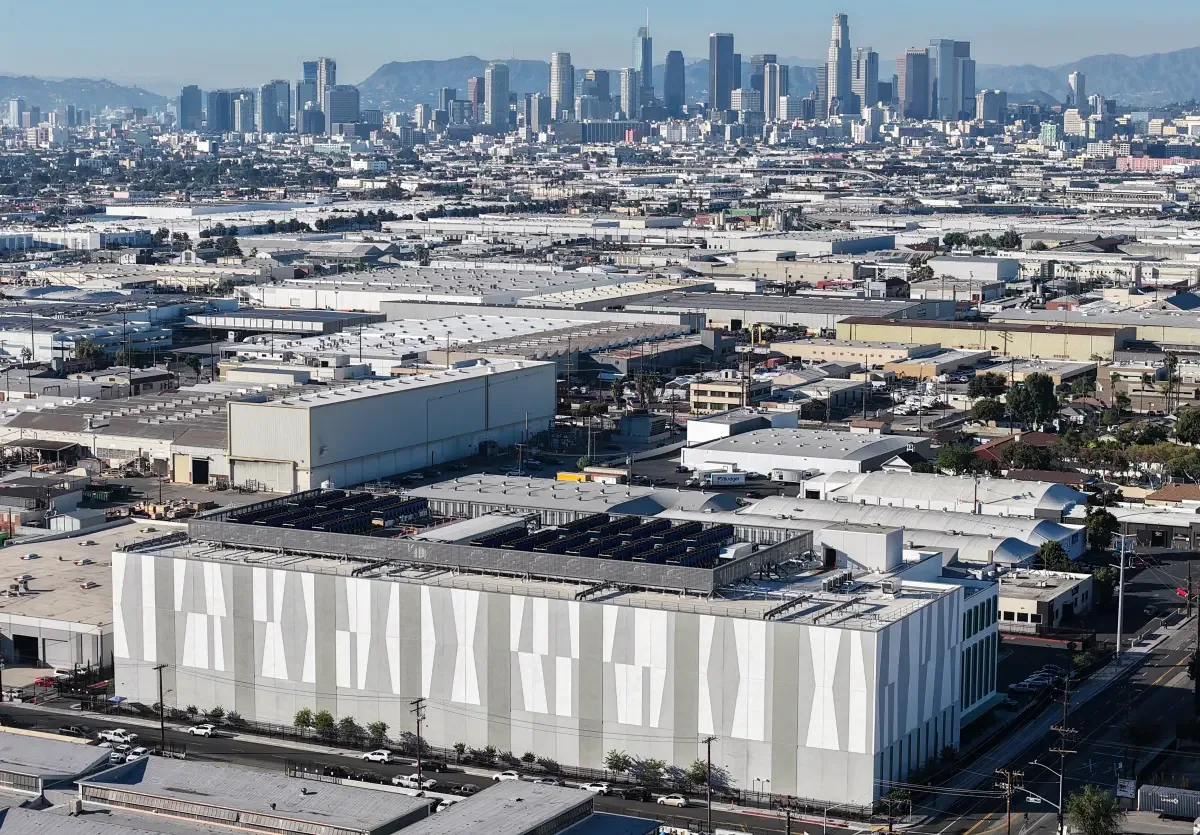
Cooling units, piping, conduit, generator connections and cable routes can create many roof transitions. We inspect each curb and penetration for open flashing, loose termination, split sealant or a water path that reaches insulation. Drain bowls and overflow routes need to remain clear as the work moves around equipment. A roof inspection with photographs identifies observed conditions and distinguishes them from areas needing a test opening. We label the roof zone and nearby equipment so the facility can review a repair boundary without relying on a general description such as the north side.
Moisture beneath a membrane can affect a larger area than the visible ceiling mark, so readings guide rather than replace confirmation. If we open the assembly, the report describes the material layers and extent observed. A moisture survey can help prioritize inspection areas, while a final scope records what was actually removed and restored. For equipment that cannot lose access, the work plan preserves service paths and confirms any unit shutdown or bypass with the facility contact.
Data center access can require escorting, badging, tool checks, restricted photography or a preapproved maintenance window. We take the facility's access requirements before scheduling a crew and keep the work boundary clear to both roofing staff and operations. A phased occupied-building roof plan can limit the active area and document the daily handback. When an interior room or cable path needs added protection, the facility identifies that condition before demolition so temporary controls can be installed before materials are moved.
Clarksville's local employment districts include North Park, East Park and South Park, and the industrial map places those areas in an I-24, road and rail context. The local EDC also identifies information technology and data among its target sectors. These market facts help explain why critical-facility roof planning is relevant here; they do not establish the equipment or roof assembly at any particular building. We use the site's own access map and service rules to coordinate staging, route approvals, emergency lanes and equipment clearances.
July and August temperature normals in Clarksville are 79.4°F and 78.7°F; the monthly precipitation averages are 3.64 and 3.17 inches, respectively. A data-center work plan still needs its own environmental controls. Those figures describe long-term normals, not the conditions on a project date. They reinforce why the crew should confirm the current weather window, open only an area that can be closed safely and keep temporary protection ready. We establish a dry-in point before removing material and protect the transition between the existing roof and the new work at the close of each shift.
A data center may have sensitive equipment below roof drains, exhaust openings or cooling lines. We keep drain strainers and overflow paths clear, remove loose debris and inspect membrane tie-ins after each phase. A drainage repair can address an outlet or flashing problem; broad ponding may require review of slope or insulation. A TPO system review or another membrane option follows the existing assembly, attachment and facility operating limits rather than a generic preference.
A local seam, curb or penetration defect can support a repair when the surrounding membrane and insulation remain sound. Broader moisture, repeated attachment problems or deteriorated transitions may make replacement a better long-term scope. A recover is considered only after moisture, deck, attachment and code constraints are checked. We show which findings are confirmed, which require an opening and what operational approval is needed before work starts. The facility can compare a focused repair with a roof-wide project without treating a critical building as a routine warehouse.
Scope and timing vary with roof access, equipment coordination, deck repairs, insulation, edge metal, fire or water protection, material staging and the number of restricted work windows. We itemize the tasks by roof zone and state how concealed conditions will be photographed and submitted for approval. A condition report preserves the inspection findings, while a warehouse roof plan or plant roof sequence can inform related logistics without substituting for this facility's controls.
We identify the room, equipment and cable routes beneath the planned work zone before opening the roof. The facility confirms interior controls, operating limits, access notification and who can approve a change. We then set temporary protection and a dry-in point, limit the area opened and document the handback. If the building requires a maintenance window or equipment bypass, that condition belongs in the sequence before mobilization.
We coordinate the facility's escort, badging, tool, photography and access rules before arrival. The inspection route and approved roof areas are reviewed with the designated contact, and any restriction on images is followed. We can still document conditions using the method the facility permits. The report identifies roof zones and observed details without disclosing protected information.
Curbs, pipe supports, conduit, drain bowls, exhaust penetrations and service walk paths interrupt the membrane and need a clear transition. We look for open flashing, loose terminations and signs of water under the assembly, then check whether maintenance access has disturbed the detail. The scope should identify who handles equipment isolation or reset and how the roof is closed around each connection.
Replacement deserves evaluation when moisture or failed attachment spans multiple zones, or when seams and transitions keep reopening despite repairs. A localized defect with sound surrounding materials may still be repaired. We document what is confirmed and what requires further testing, then compare each option's work area, operational approval and equipment coordination. The decision should follow field evidence and the facility's risk controls.
Keep the roof zone, photographs, observed assembly, repair materials, equipment affected, access approvals and handback status together. The record should show whether temporary protection remains and which restrictions are lifted. We also note the next inspection item and drainage checks. A future team can then return to the same curb, seam or outlet with the prior condition in view.
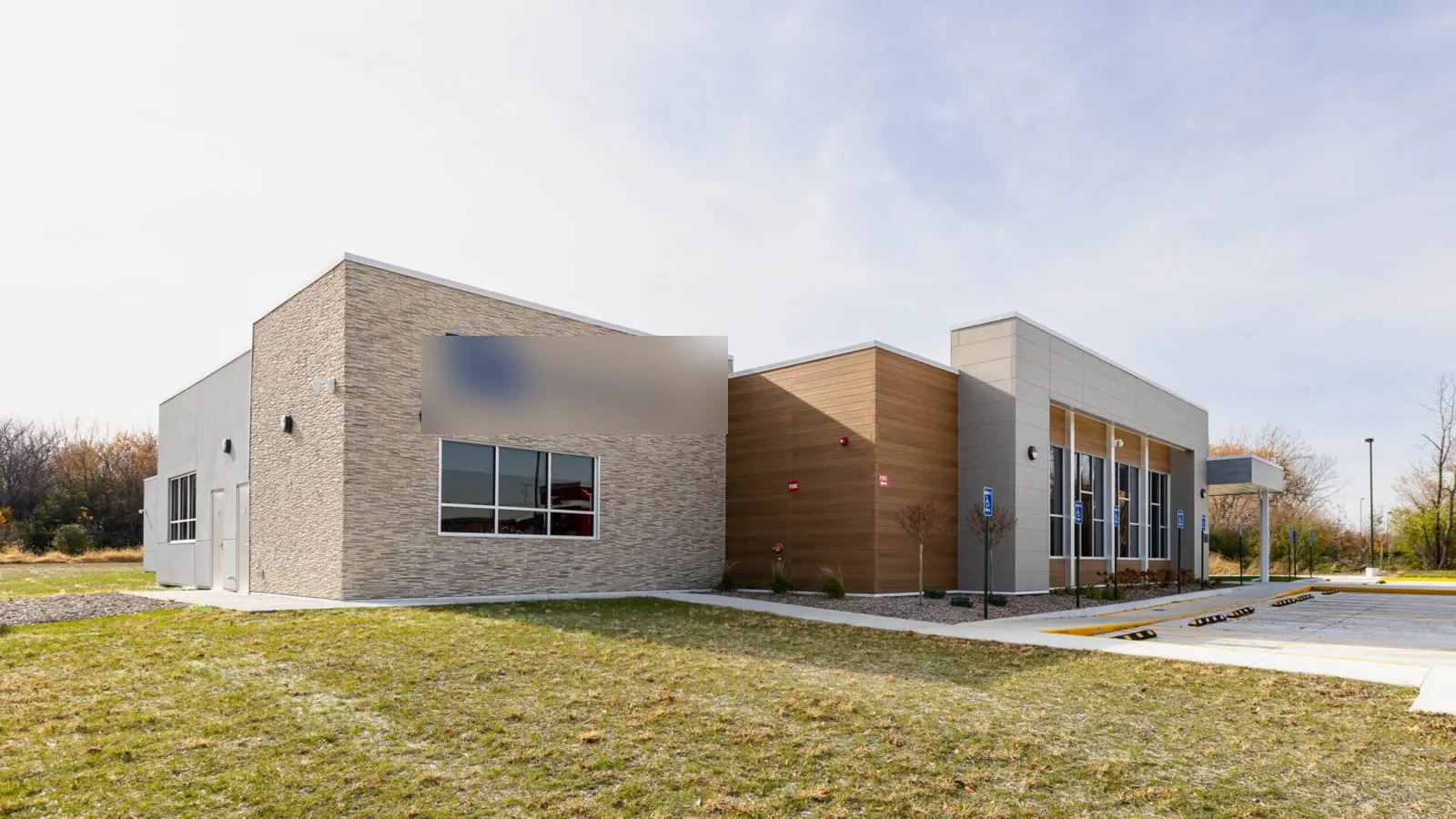
Each day's record should identify the roof zone opened, the equipment and interior areas protected, materials installed, temporary cover remaining and any restriction still active. We take photographs at the start and finish of a repair so a facility contact can verify the transition and the work boundary. Roof access, security approvals and equipment status should be reconciled before the area is returned. If a storm or leak prompted the call, we record what was found and repaired without projecting what a third party may conclude.
Clarksville's main access routes include Interstate 24 and Wilma Rudolph Boulevard/US 79. They can help teams discuss crew routing across the market, while the facility's own gate and escort rules govern actual entry. After substantial rain, we revisit repaired seams and drains and add the result to the asset record. The practical next step is a roof walk with the operations contact, equipment lead and person responsible for approving access and interior protection.
Tell us the affected roof zone, access rules, equipment dependencies and preferred maintenance window. We will document the roof condition and prepare a work sequence with protected boundaries, a dry-in point and an operations handback.