
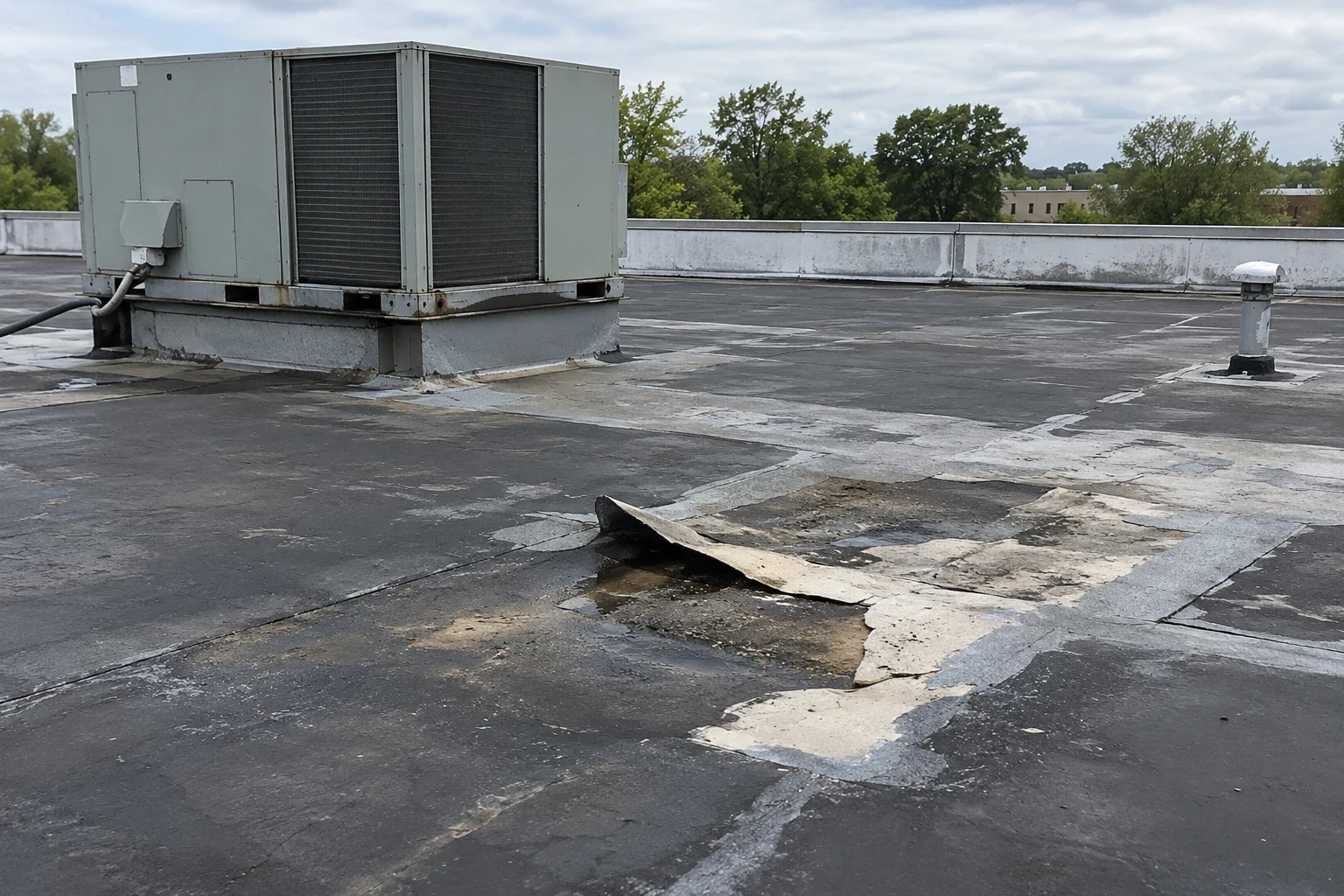
Summer heat, regular rain, and rooftop service traffic all meet at a curb or equipment support. In Clarksville, TN, the July and August normals reach mean temperatures near 79 degrees, while rain arrives across the year. That exposure makes the curb-to-membrane transition worth inspecting when an HVAC unit, conduit rack, or pipe support has been moved or serviced. We check the flashing height, attachment, sealant, nearby seams, and drainage path, then identify whether the detail needs a repair, a rebuilt curb, or coordination with the mechanical trade. Along the North Park employment area and in East Park, building uses differ, but the roof decision starts with the actual assembly and the equipment schedule. A clear work zone and dry-in point keep an open detail from becoming an avoidable interior interruption.
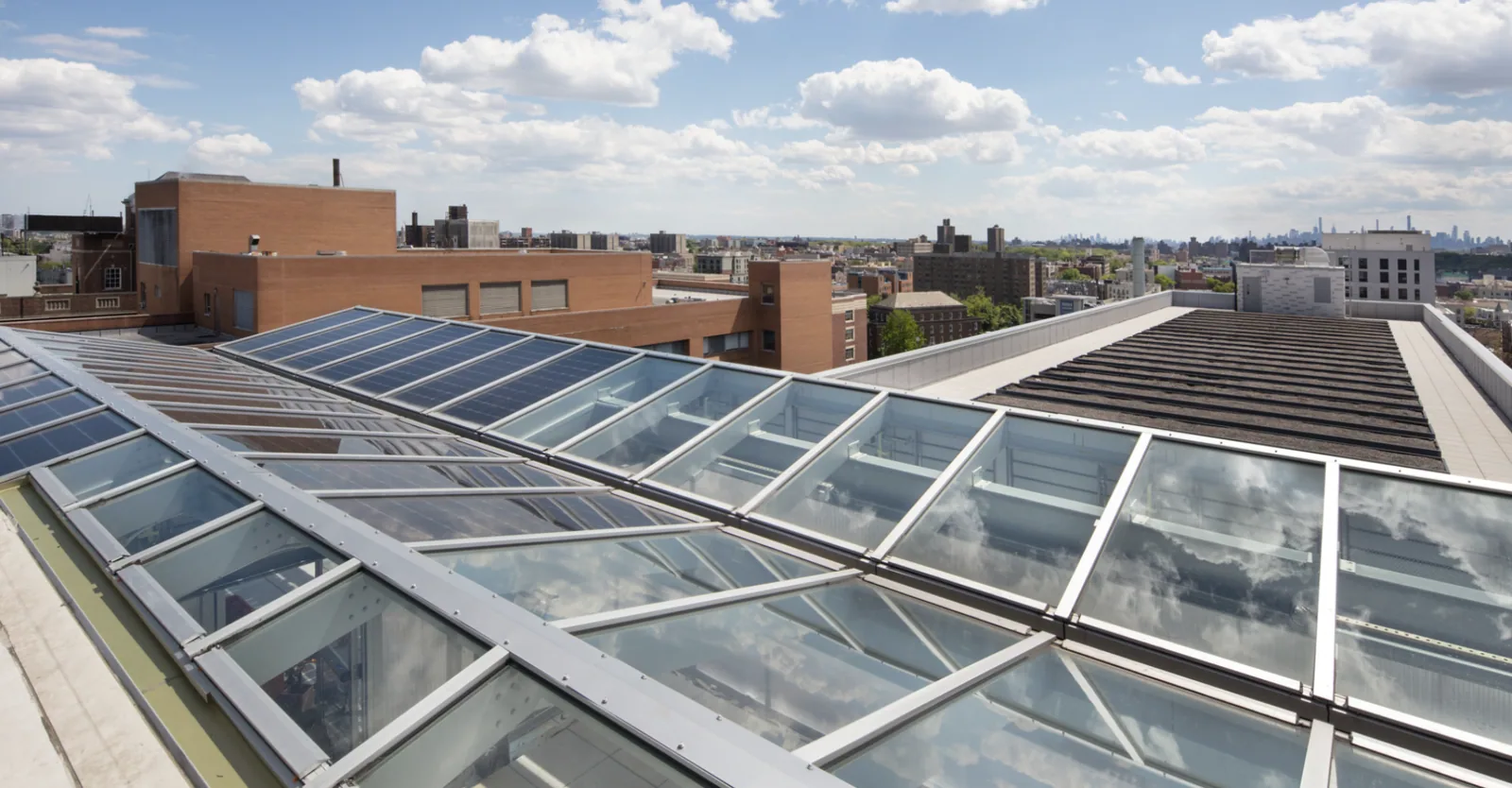
Water can enter where a curb meets the field membrane, a pitch pocket has aged, or equipment work disturbed fasteners and flashing. We trace the interior report, then inspect the curb sides, corners, counterflashing, laps, and membrane beyond the stain. The repair scope names the failed component rather than calling the whole unit a roof problem. If surface evidence does not show the water path, we identify the next safe test instead of closing the detail with a generic bead.
Clarksville recorded an EF3 tornado crossing the area in December 2023, and local hail reports followed in May 2024. Those events inform a wind and impact review, but do not establish damage at a specific building. We document the curb condition and compare it with available service records. A commercial roof repair scope can separate disturbed flashing from a wider membrane concern, while moisture mapping may help select a test location when the interior path remains uncertain.
A curb repair can affect vibration isolation, condensate routing, electrical connections, gas lines, and service clearances. We identify which trade must disconnect or lift equipment, who can approve a shutdown, and whether an escort or controlled roof access is needed. The facility contact and mechanical contractor confirm unit status, the lifting plan, temporary protection, and when the roof returns to service. If a support has shifted, the scope identifies the substrate and attachment to check after reset.
For an occupied facility, the opening must fit a weather window that allows preparation, flashing, and a secure end-of-shift dry-in. Rainfall through the calendar affects adhesive and coating work. The roof access plan reserves a route for the mechanical crew and keeps tenant circulation clear of lifting equipment. If the unit cannot be isolated safely, roofing waits until the equipment condition is resolved.
Flashing materials and tie-ins depend on the existing roof. A thermoplastic curb detail may use a welded membrane boot or field wrap; EPDM and modified bitumen use different compatible materials and preparation. We identify the field system, note prior patches, and check whether insulation or cover board has softened around the curb. If wet material extends beyond the visible edge, the owner receives a mapped limit and a choice about selective removal. The repair should restore continuity without trapping moisture or blocking a drainage path. When curb height is low, we also evaluate whether the finished detail will preserve enough separation from standing water and service traffic.
Clarksville's adopted 2018 building and existing-building codes provide the jurisdictional framework for applicable work; the owner and design team confirm which permit or design review applies to a particular alteration. We document the existing condition and proposed detail so a mechanical replacement does not leave an uncoordinated roof transition. If several roof sections use different assemblies, a photographed roof condition record can label each system and curb before capital work is scheduled. For membrane-specific options, compare the assembly with TPO roofing or EPDM roofing based on the existing roof, not an assumed system.
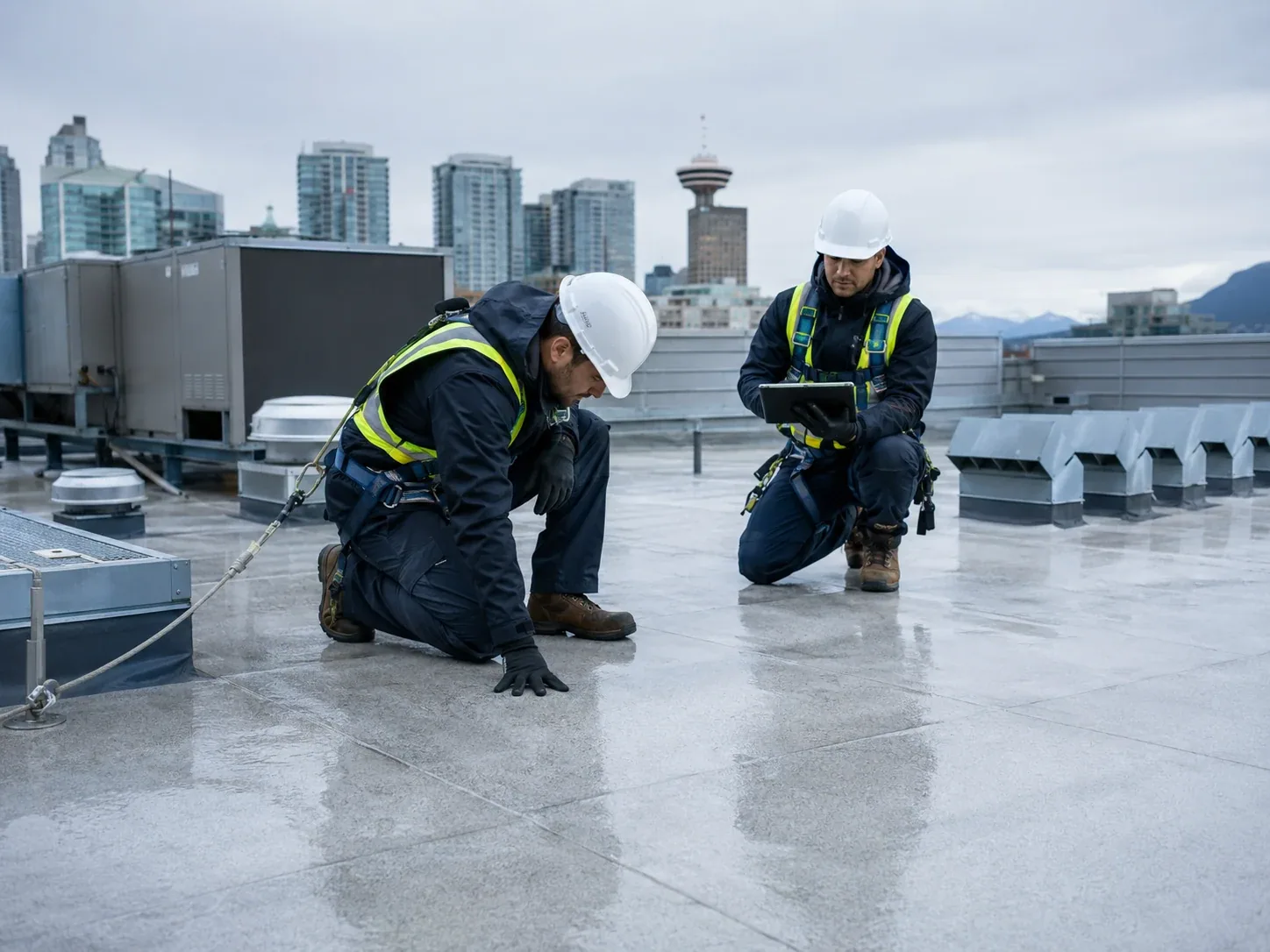
Equipment additions often bring conduits, line sets, pipe stands, and walkway changes. We look for supports bearing directly on the membrane, sharp contact points, loose ballast, and lines crossing drains or scuppers. A support pad can reduce concentrated contact, but it still needs a stable base and a detail that does not dam runoff. We check the surrounding slope and note whether debris or stored materials are directing water toward the curb. If a drain is blocked or a conductor obscures service access, the closeout identifies that separate maintenance item.
Near Rossview Road or College Street, a unit may serve a warehouse, office, or production area; the road name does not tell us the roof assembly or access route. We coordinate delivery and staging with the facility contact, preserve marked roof routes, and return the area with a daily handback. Where drains need attention, connect the curb work with drain and scupper service. If a unit move is part of a larger project, we can coordinate roof replacement sequencing with the equipment trade so new flashing is not cut open again.
A unit can operate normally while its base flashing has pulled away, a corner seam has split, or a line-set penetration has opened. We inspect the roof transition and trace any interior report instead of treating equipment operation as proof that the curb is watertight. The repair scope identifies the failed roof component and any mechanical coordination needed.
Not always. We inspect the curb and determine whether the flashing can be rebuilt with the equipment in place. If lifting or disconnecting is necessary, we coordinate the mechanical contractor, shutdown approval, lifting plan, and roof protection before the opening is made. The written sequence identifies who handles each part.
We limit the work zone to what can be prepared and secured within the forecast window. The scope identifies the temporary dry-in and the end-of-shift boundary, with a follow-up plan if permanent materials cannot be installed that day. Equipment or electrical work that prevents safe closure is coordinated before roof materials are removed.
It can be possible when the existing system is identified and the substrate around it is serviceable. We check prior repairs, membrane condition, insulation, and curb height, then select a compatible tie-in. If the edge conceals wet or damaged material, we show that limit before extending the work beyond the approved repair.
The facility file should show the curb location, repair limits, installed materials, photographs, and any remaining mechanical or drainage item. We label the area so maintenance staff can compare it during the next inspection. If the unit must be lifted or serviced later, the record helps the trades protect the repaired flashing.
After repair, we photograph the curb sides, membrane tie-in, and surrounding drainage. The closeout identifies materials, preparation, repair limits, and any concealed condition requiring approval. If the equipment remains active, we note service clearance and the trade contact for future movement. A later inspection can compare those details after rain or mechanical service.
For a choice between local flashing repair and broader renewal, we separate curb conditions from the field membrane. Disturbed details, insulation condition, and equipment replacement timing can change the scope. We provide photographs and a written sequence with the dry-in point and handback. A Clarksville facility near North Park or the East Park area can plan access around its operations. Review the equipment list with the roof condition before setting a lift date.
Arrange a roof walk in Clarksville. We will inspect the curb and support details, coordinate mechanical access, and return a repair sequence with a defined dry-in and handback.