Summer heat and rain put different stresses on a Clarksville roof, but weather cannot tell a facility director whether a seam is open today. A hands-on inspection records the roof condition that is visible and accessible at the time of the walk. We check the membrane, laps, perimeter, penetrations, drainage, rooftop equipment details, and interior reports, then photograph findings by location. That is useful for a warehouse near the North Park industrial district, an office along Rossview Road, or a medical property with equipment that cannot be moved without coordination. The facility team receives repair priorities, access notes, and a next step tied to the observed condition. If a safe route to a roof area is restricted, the report names the limitation rather than treating it as inspected.
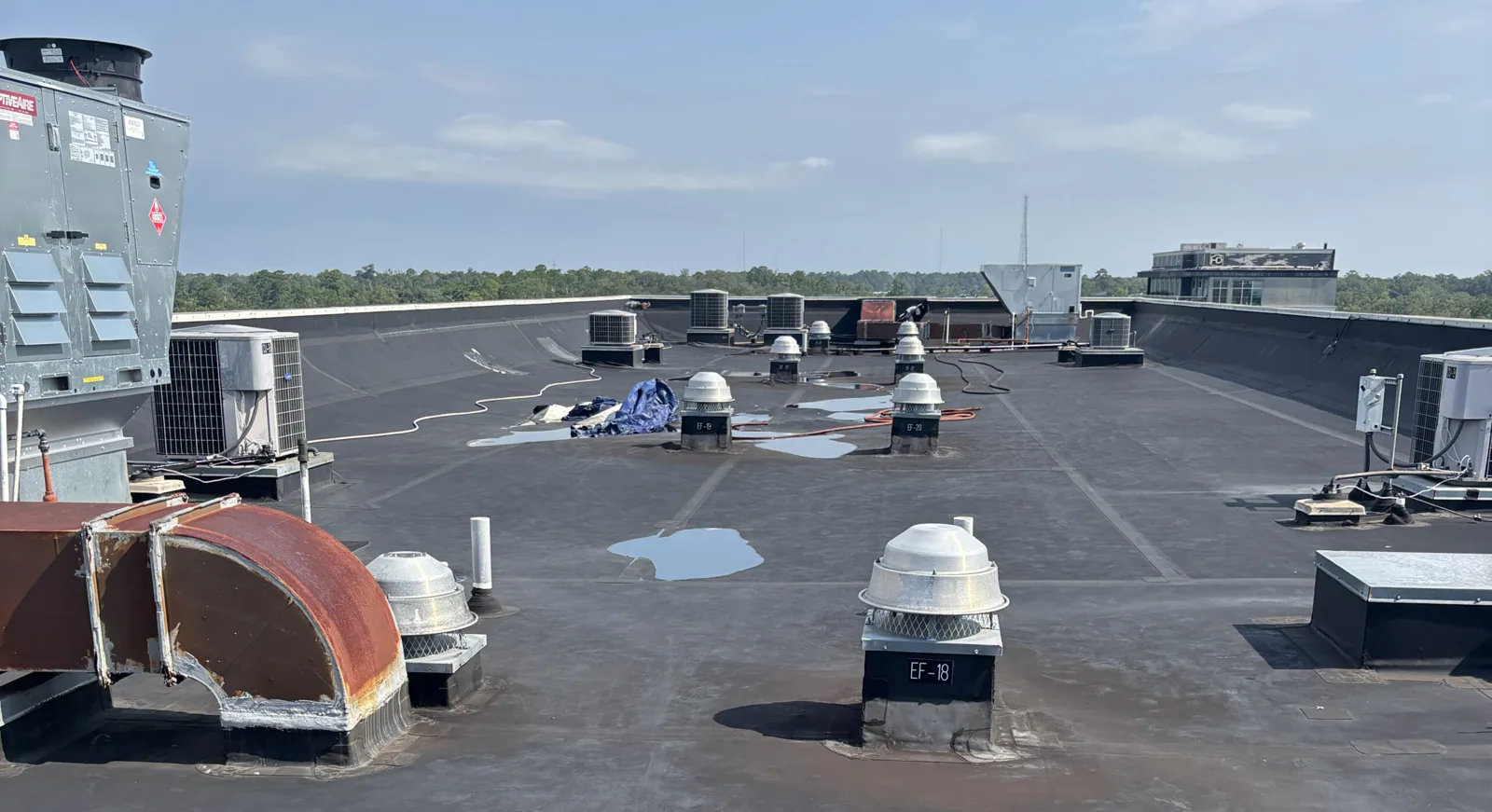
We begin with the roof plan or available building records, then confirm access points and any areas the facility needs to keep clear. On the roof, we look for open seams, punctures, worn surfacing, loose flashing, exposed fasteners, lifted edges, debris, blocked drains, and changes around curbs or skylights. The inspection follows the drainage path rather than stopping at the first visible defect. We note whether a condition is isolated, repeated, or connected to an adjacent detail, and take photographs that show both the close view and its location on the roof.
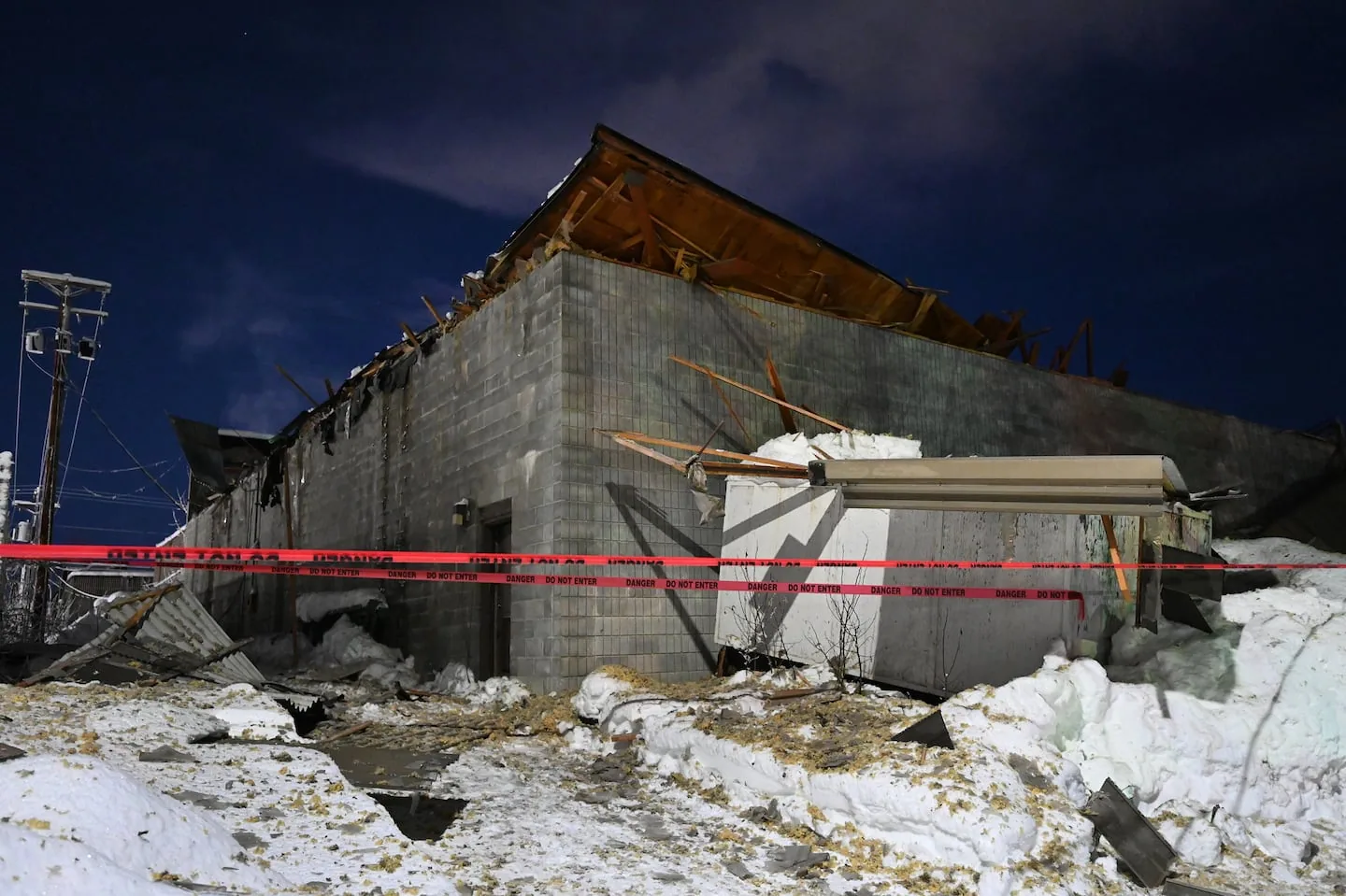
A tornado crossed Clarksville in December 2023, and hail reports followed in the area in May 2024. Those events can guide where wind and impact observations are useful, but the inspection records only damage that can be seen or tested at the property. The owner receives a distinction between confirmed defects, maintenance items, and conditions that need a test cut or specialist review. For a broader view of a roof's operating needs, combine the field walk with a maintenance review or request a roof condition report with photographs for the capital file.
Interior stains, ceiling changes, or equipment interruptions give an inspection a location to investigate. We ask when the condition appeared, whether it followed rain, and what rooms or process areas were affected. From there, we check the roof area above and the possible water path through insulation, deck flutes, framing, and penetrations. An interior mark is not a roof diagnosis by itself. The report pairs it with roof photographs and identifies where additional access or a selective opening could resolve an uncertain leak path.
A repair that changes a roof assembly may need review under Clarksville's adopted 2018 International Building Code and Existing Building Code. We do not use a visual inspection to declare compliance. Instead, we record the existing condition and identify questions for the owner and design team to resolve before a repair or reroof. That approach is helpful where a roof includes older patches, multiple membrane types, or equipment curbs added at different times. A moisture survey can help target test cuts when the interior report and surface evidence do not align.
Each finding should tell the owner what condition was observed, where it sits, what can happen if it remains open, and what repair or monitoring step fits. We separate active leakage and loose perimeter details from routine debris removal or a sealant joint that merits a planned check. If several defects appear along one drainage path, we map that relationship so the facility can decide whether a local repair is sufficient or a larger section needs review. Recommendations avoid claiming a hidden condition without an opening or other direct evidence.
Clarksville receives rainfall throughout the year, and North Park, East Park, and South Park are multi-property employment districts in a wider road and rail network. Those facts make drainage and access sensible inspection topics, not evidence of any specific roof problem. We record drain condition, ponding where visible, roof traffic, stored materials, and any access obstacle affecting safe maintenance. A property beside College Street or in East Park still receives a building-specific report. Where replacement is a possibility, compare repair notes with a repair scope and a replacement assessment, or roof recover eligibility before setting capital timing.
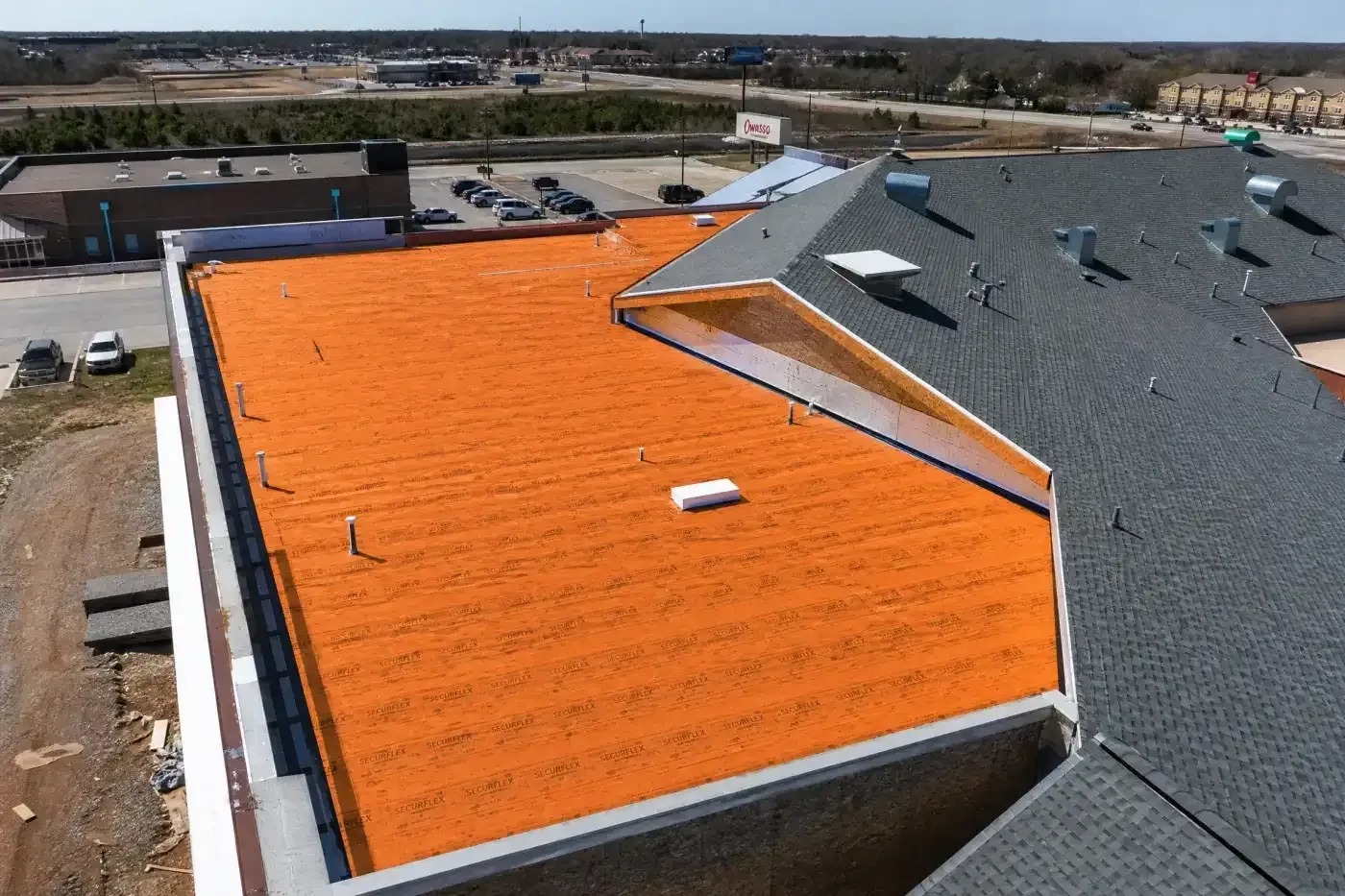
The report should be readable by the person who schedules roof access as well as the person who approves the budget. We label photographs, mark roof areas, note safe access limits, and distinguish current findings from recommendations. If a facility needs a repair, we can prepare a scope that shows the affected detail, work-zone boundary, and expected handback. For a multi-building property, we track each roof separately rather than combining photographs into one undifferentiated list.
After the walk, we review the priority items with the facility contact and agree which can be addressed now and which should return at the next inspection. If service is needed near North Park or along Rossview Road, we coordinate the roof access and occupied schedule with that location's operating needs. Inspection does not stop at a checklist: the useful result is a record that lets a facility director assign a repair, track a trend, or plan a larger project from evidence on the roof. The report also gives the next shift a usable assignment: which roof area to revisit, what photograph to compare, and what access or protection must be arranged. We set that observation point without presenting it as a promise about future performance. If the owner approves a repair, its work record can refer to the same roof location so maintenance staff can follow the change at a later walk.
We review accessible membrane fields, seams, flashings, roof edges, drains, scuppers, curbs, penetrations, and visible rooftop equipment transitions. The route can include specific areas tied to interior reports. Any inaccessible or unsafe zone is identified in the report so the owner knows what was not observed.
A visual walk records conditions at the time of inspection; it cannot establish that concealed areas have no moisture or that no future leak will occur. We document what is visible, trace reported water where possible, and recommend a test opening or survey when evidence is incomplete. The report states its limits clearly.
Photographs, mapped locations, repair priorities, and noted uncertainties let the owner distinguish immediate work from monitoring and longer-range planning. We can organize findings by roof area and identify where repeated repairs may warrant a broader evaluation. That gives the budget discussion a record of observed condition rather than a single overall label.
Yes, the room and timing help direct the inspection. We compare the interior report with the roof area above and possible paths through the assembly, then note whether the leak origin is confirmed. If a ceiling stain cannot be traced from accessible surfaces, the report identifies the next safe test or opening.
We set roof access, escort needs, equipment restrictions, and sensitive work periods with the facility contact. A walk can be divided by building or roof zone where access needs differ. The final record notes any area deferred and the operating condition that affected the route, so the next visit can be scheduled deliberately.
Schedule a commercial roof inspection in Clarksville. We will coordinate access, photograph visible findings, and review the repair and planning priorities with your facility contact.