Clarksville's rain does not wait for a convenient maintenance window, so a slow drain deserves a roof-level diagnosis. We trace where water enters the drainage system, check the surrounding membrane and seams, and look for low areas that keep water from reaching an outlet. A blocked bowl, undersized or damaged connection, poor slope, and failed flashing call for different work. We document the condition before clearing debris or opening a roof area, then show the facility contact what was corrected and what still needs a design decision. For a warehouse near South Park or a commercial building along Trenton Road, the drainage path is specific to that roof.
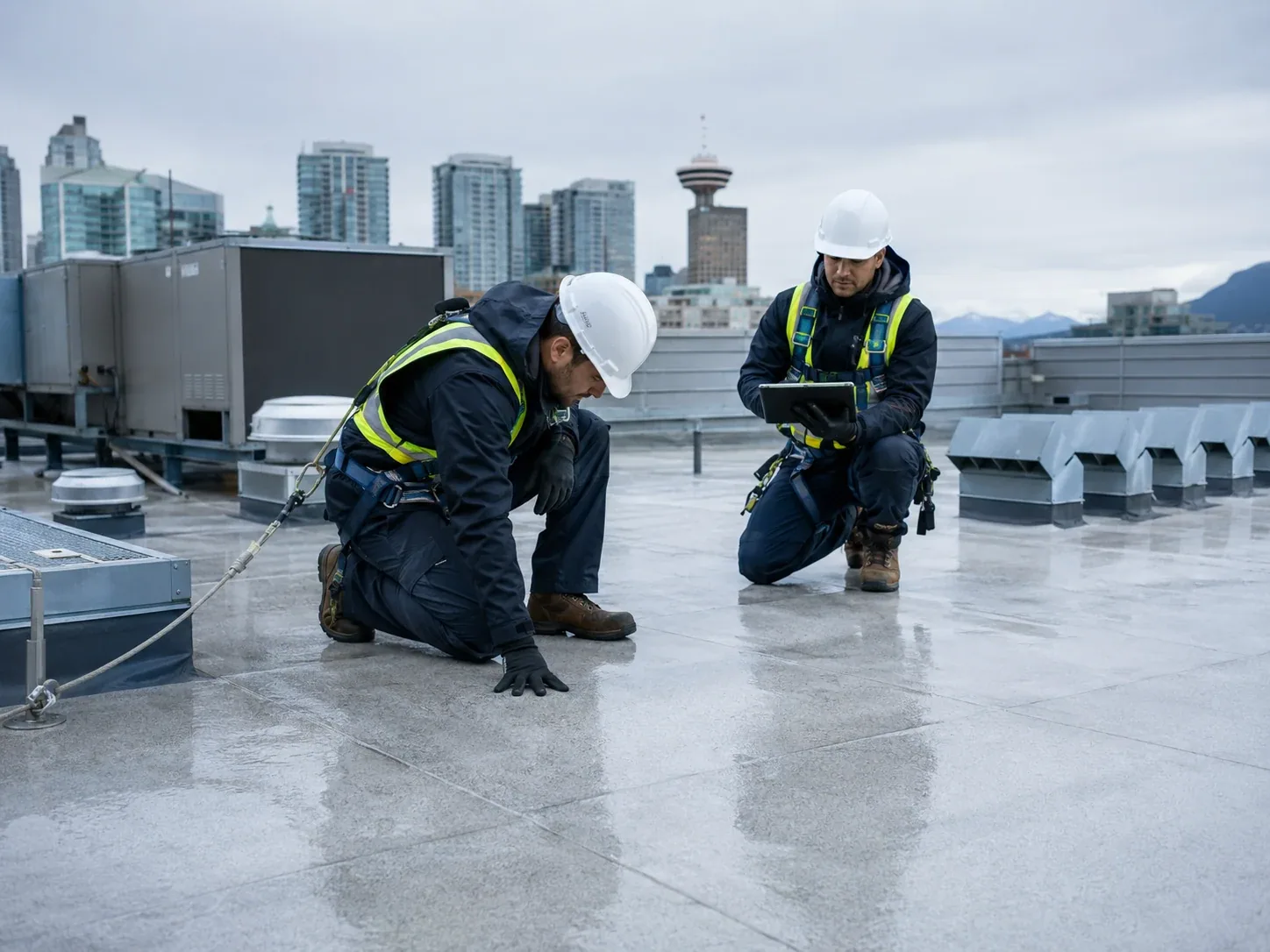
We begin where water collects and follow the low points toward drains, scuppers, gutters, and downspouts. The walk checks debris, strainers, drain bowls, clamps, sealant, and membrane transitions around each opening. A cricket should direct water rather than create another pocket. We note where ponding remains after the outlet is cleared and whether the condition appears tied to slope, a compressed assembly, or a local obstruction. If the roof plan is available, we mark the drainage route so maintenance staff can distinguish an outlet issue from a broader geometry concern.
Clarksville normals show 5.50 inches of average precipitation in May and 4.31 inches in November, with rainfall spread across the year. That makes a clear path and repeatable check important, but the monthly figures do not prove that any building has a drainage defect. We inspect the outlet itself and the surrounding assembly. A hands-on roof inspection can map related seams and penetrations, while scheduled maintenance can track whether debris returns or water continues to linger.
Clearing debris may restore flow when the bowl or strainer is blocked. It will not correct a drain that sits above the surrounding membrane, a sagging area, or a scupper with a damaged throat. We check for standing water, membrane wrinkles, open seams, and soft areas around the outlet, then record how each detail behaves after water is removed. When the assembly needs opening, we identify the test area and protect it before the shift ends. The repair scope says whether the work is cleaning, flashing, slope correction, or a larger assembly review.
North Park, East Park, and South Park are multi-property employment areas on Clarksville's industrial map, where varied building layouts call for roof-specific drainage checks. We do not infer a roof's slope or outlet arrangement from a district. For a property near South Park or Trenton Road, we map the actual drain locations and look for low points between them. Where perimeter runoff is involved, coping, gutters, and downspouts may need a separate inspection.
A watertight drain repair depends on the membrane, drain body, clamping arrangement, and transition around the bowl. We remove failed material only within the approved work area, prepare the substrate, and install a compatible detail that ties into sound membrane. For a scupper, we inspect the opening and exterior discharge path; water should not be redirected into wall cavities or onto a pedestrian route. The crew protects the outlet from debris during work and verifies that the completed detail remains clear before handback.
Access and weather shape the sequence. We confirm which interior or loading areas sit below the outlet, then set a dry-in point and daily handback that keeps tenant circulation out of the work zone. A roof with multiple elevations may require staged work so one repair does not send runoff into another open area. If moisture is suspected beyond the drain detail, a moisture survey can help select a test location. We document the repair with photographs and link the finding to the condition record.
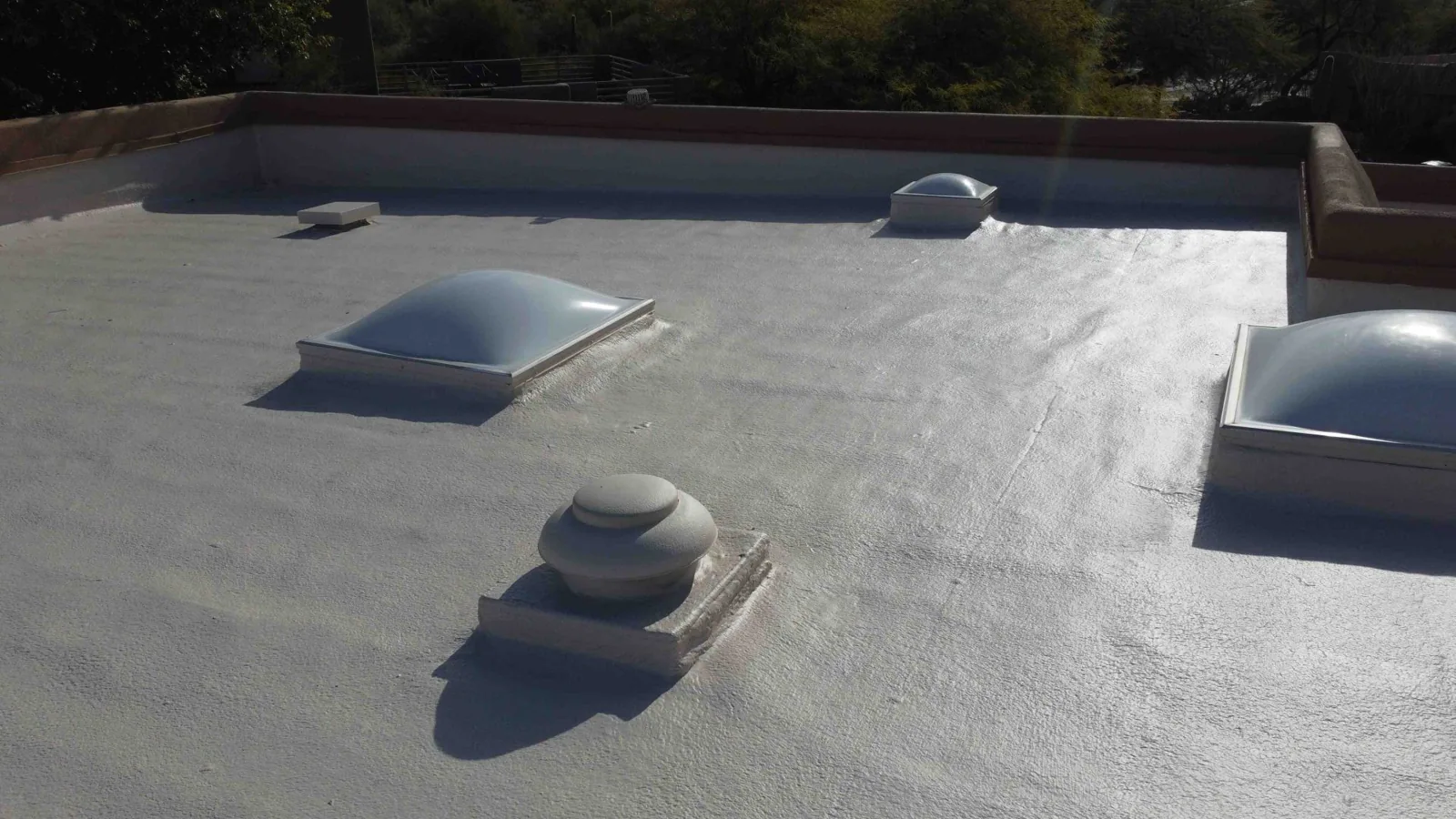
After repair, we check the bowl, surrounding seams, scupper throat, and downstream connection that the scope addressed. Where practical and safe, the facility can observe flow during a controlled check; otherwise, we set a follow-up walk after rainfall. The record identifies any remaining low spot, the area that drains properly, and any item that needs further engineering or trade coordination. We do not label a roof corrected merely because visible debris was removed.
The city's main routes include Wilma Rudolph Boulevard and Trenton Road, and its industrial map shows the wider I-24, road, and rail setting. These are useful context for arranging a visit, not evidence of a particular roof's drainage. We coordinate the entrance and receiving time with the facility. If water remains after an outlet repair, we compare a roof recover assessment or replacement scope against the observed slope and assembly rather than adding another patch by default.
The next maintenance note should name each outlet, whether the strainer was seated, and what to check after debris season or roof work nearby. If another contractor will service rooftop equipment, the facility can share the protected drain locations and ask that fasteners, packaging, and cutoffs stay out of the water path. We leave a record of the repaired transition and the next inspection point so the roof team can compare like with like.
During a later roof walk, the facility contact can compare water marks and outlet condition with the repair photographs. We note whether the drain bowl remains seated, if the fasteners or clamp show movement, and whether the membrane transitions remain bonded. Where an interior report continues, we trace it again instead of assuming the original outlet was the only path. That keeps the repair record tied to observable changes.
We clear accessible debris only after documenting the starting condition, then check whether water can reach the outlet. If water remains away from the bowl or returns after cleaning, we map the low area and review slope, membrane movement, and nearby seams. The scope separates maintenance from a repair or design question.
Not by itself. A scupper can improve an outlet path, but ponding can come from roof geometry, a sagging deck, or a blocked transition. We inspect the full route and record where water remains. If slope correction is needed, that work must be planned as part of the assembly rather than assumed in the scupper replacement.
We coordinate access, interior protection, roof traffic, and any area below the outlet with the facility lead. A repair can often be isolated, but weather and the condition of the surrounding assembly set the work window. The handback identifies a dry-in point and whether the outlet is clear for service.
We revisit the bowl, clamping or flashing transition, nearby seams, and downstream connection included in the scope. A follow-up after rain can show whether the area drains as intended. The record should also note any low spot that remains and the next action needed to resolve it.
Foot traffic, equipment service, and discarded packaging can damage membrane details or obstruct outlets. We look for punctures and debris along the drainage route and discuss a protected access path with the facility. A maintenance record can identify the outlet locations staff should keep clear during other roof work.
Schedule a Clarksville roof walk. We will map the outlet, inspect its surrounding details, and prepare a repair or follow-up plan around your facility schedule.