
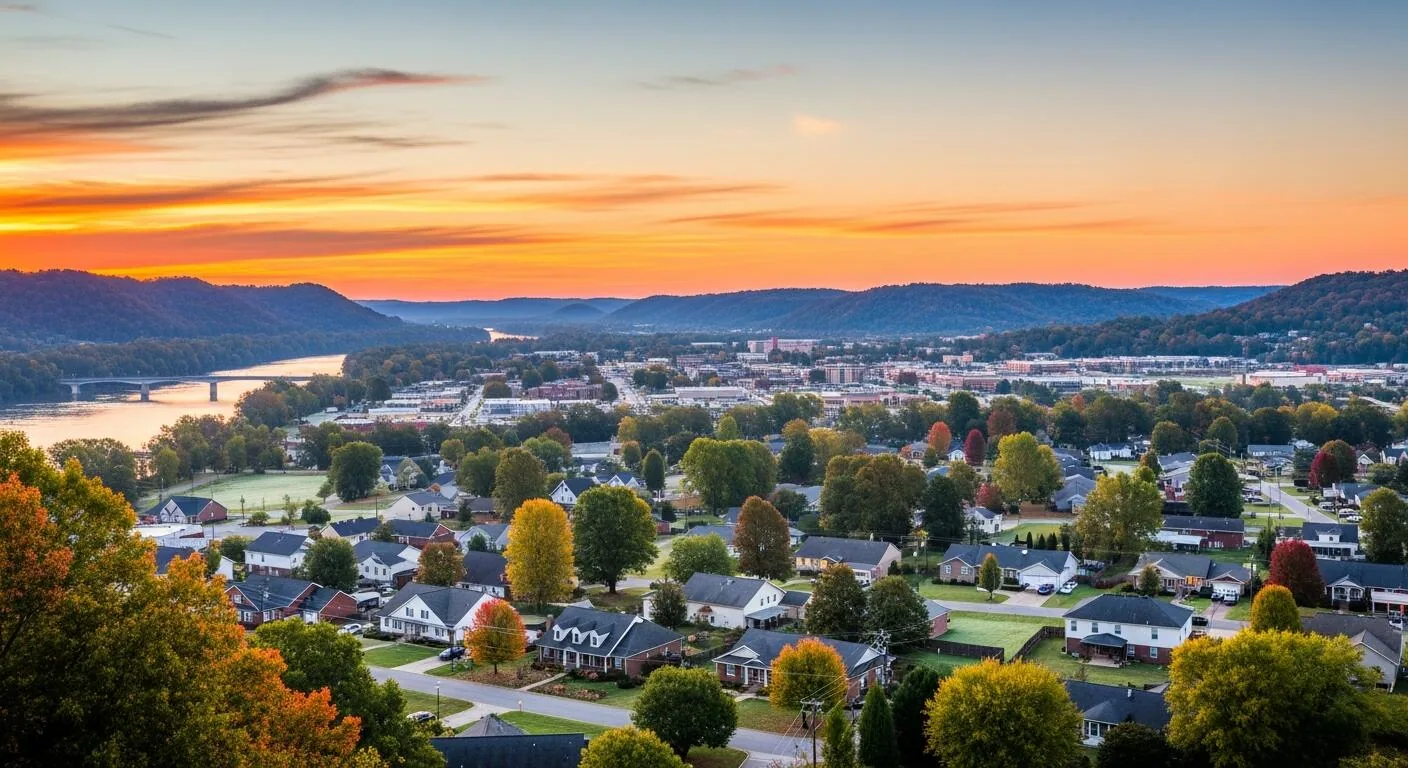
Rain timing changes roof work along College Street, so we set the inspection boundary before an opening is made. College Street (SR 48) is a Clarksville arterial corridor between Riverside Drive and Kraft Street. That gives the crew a location reference; the property entrance, roof assembly, and operating schedule still need confirmation. We check the actual seams, drains, edges, and penetrations, then name which area can be protected before the shift ends. A commercial roof inspection records the condition and the work limit together.
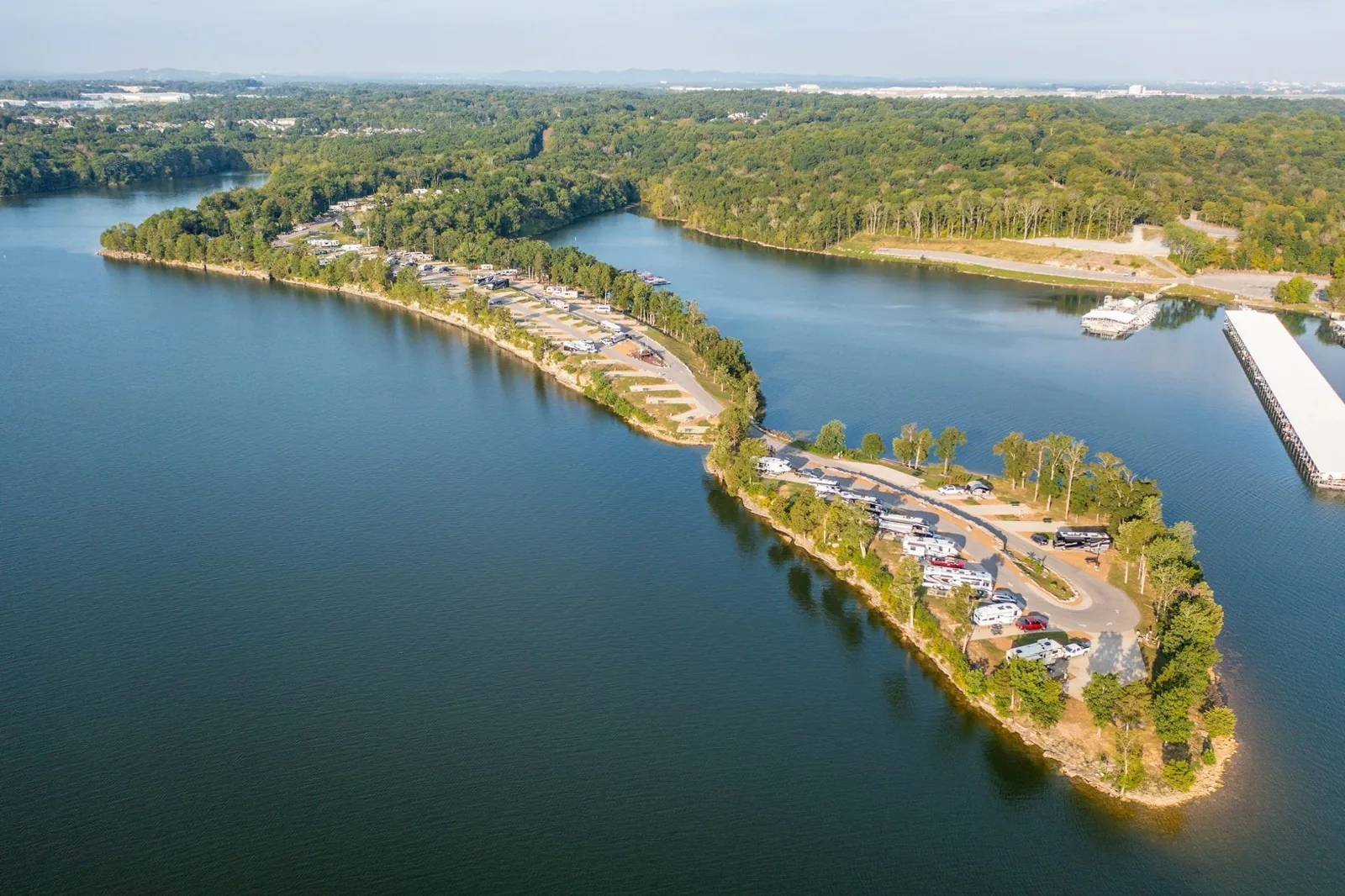
We start with the room or equipment report and use it to guide the roof walk. Water may travel along insulation or deck before it becomes visible inside, so the stain does not establish the repair boundary. We inspect the membrane or metal profile, seams, flashing, curbs, penetrations, drains, and edge termination. The record separates what we saw from what remains concealed and identifies a test opening only when it would change the recommendation.
A membrane seam can fail at a lap, transition, or previous patch. A metal roof can have movement at panel laps, fasteners, closures, or flashing. We check whether the drainage path remains open and whether runoff reaches an outlet without crossing a vulnerable detail. An infrared moisture survey may help map suspected moisture across a larger area, while a hands-on check still verifies the detail itself. A drainage review can check a blocked or undersized outlet. The report ties each finding to a roof zone and its next action.
Clarksville's long-term weather record pairs warm summer roof surfaces with rainfall in multiple parts of the calendar. July and August mean temperatures are both in the upper 70s; May stands out for its rainfall, and November also brings a substantial monthly total. Those city patterns guide preparation questions, but the workday forecast and the roof surface decide whether a bond or coating can proceed. We set the exposed area to the crew's actual ability to prepare, tie in, and protect it before the shift ends.
A clean surface and product-specific conditions matter before a membrane seam is welded or a coating is applied. We keep outlets clear and establish the temporary protection boundary before opening a section. The facility contact receives the dry-in point and the next inspection time if work pauses. For a leak active after hours, an emergency roof response can secure the opening while permanent work is measured and scheduled.
Clarksville hail reports on May 8, 2024 included estimates up to three inches. That is local weather context, not a condition report for a College Street building. After a storm concern, we check the actual membrane, metal, flashings, and rooftop equipment, then record only what is visible. A ceiling mark without a visible tear sends us to nearby transitions and the drainage route; testing follows only if it could change the scope. A weather report cannot make that roof decision for us.
A localized opening can remain a repair if the surrounding material is stable and the tie-in reaches sound assembly. We identify the preparation, material, and check that will verify the finished detail. Recurring leaks across separate zones, wet insulation, loose edges, or patches with no reliable boundary may justify a broader review. Before removal expands, we name any test and the approval point so the owner can decide with the added condition in view.
A repair scope should state the measured defect and where work stops. A recover review considers existing layers, attachment, drainage, and edge height before another assembly is placed above the roof. Replacement includes removal, insulation, deck condition, penetrations, and a sequence that protects each open section. A replacement plan can divide work by zone and set a daily close-in point. Timing and cost depend on access, roof height, tear-off, detail count, material handling, and concealed conditions, not on a road label.
3rd Street connects College Street with Madison Street, and College Street runs from Riverside Drive to Kraft Street. Those connections help orient service calls, but no roof condition transfers between properties. A facility manager comparing a nearby 3rd Street roof or Crossland Avenue property needs a separate inspection and record for each assembly.
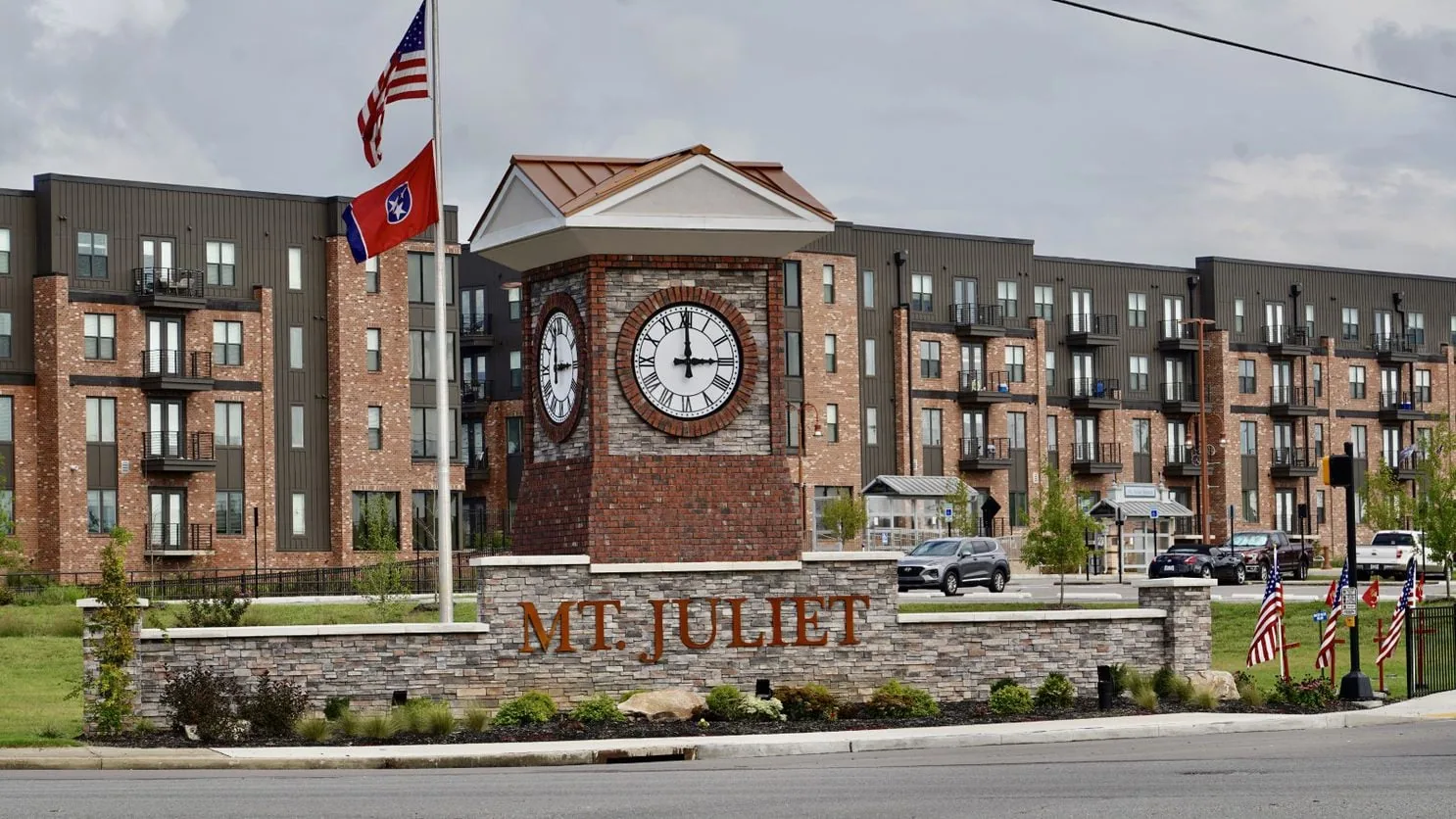
College Street identifies a corridor, not a delivery lane or roof-access point. We confirm the building entrance, staging area, lift position, overhead clearance, hatch or ladder, and any fire or pedestrian route that cannot be blocked. If a tenant entrance lies below the work, the plan names a protected path or a scheduled closure before the roof is opened. The facility lead also identifies deliveries, occupied hours, equipment, and interior areas that need protection.
A phased project needs a clear boundary between completed work and the next open zone. We state the daily dry-in point, remove loose debris, and return access before the handback. A roofing sequence for an occupied building can coordinate barriers, noise periods, material movement, and the next work area. A corridor nearby such as 41-A Bypass may use the same planning questions, but its site contact confirms separate routes and constraints.
When storm documentation is requested, we keep the roof observations factual: location, material, visible condition, photographs, and any limitation on access. We do not turn a hail report into an assumption about damage. If the owner needs claim documentation, we provide the roof record and separate observed conditions from areas requiring a test. That gives the facility contact a clear scope for repair while the insurer reviews the submitted information independently.
No. It is a public arterial corridor with a mapped segment between Riverside Drive and Kraft Street. We verify the property and roof assembly at the actual building before recommending work.
Share the room or equipment location, photographs, time noticed, and any roof plan or repair record. We use that information to guide the walk, then identify the visible roof detail and any concealed question that requires testing.
It can help identify a moisture pattern under suitable conditions, but it does not replace a close inspection of seams, drains, flashing, or penetrations. We explain what the survey shows and what field check remains.
A regional report supplies weather context. We document the condition actually present on the property, compare it with available roof records, and separate observed damage from any area that needs a test or another review.
We mark the work zone, material, weather limit, dry-in point, access protection, and owner approval boundary for concealed work. The facility contact knows what stays operational and when the crew will return the area.
Before leaving a zone, we inspect the tie-in, confirm that drainage remains clear, remove loose debris, and photograph the completed detail. The closeout notes material, work limits, any temporary cover, and what could not be inspected. If another visit is needed, the file identifies the open question and the next inspection point. That helps the facility team compare the next report with the roof's documented condition rather than relying on a room stain alone.
For a larger portfolio, a roof condition report can keep the College Street assembly separate from other buildings and show which work is immediate, planned, or still needs a test. Owners can then compare repair, recover, and replacement using recorded limits and access needs. The next walk starts with a specific seam, drain, edge, or penetration, and the facility contact knows which route and work zone remain active.
Share the roof plan, leak observations, access limits, and occupied hours. We will inspect the assembly, map the work zone, and return a written recommendation with a weather-ready close-in and handback.