
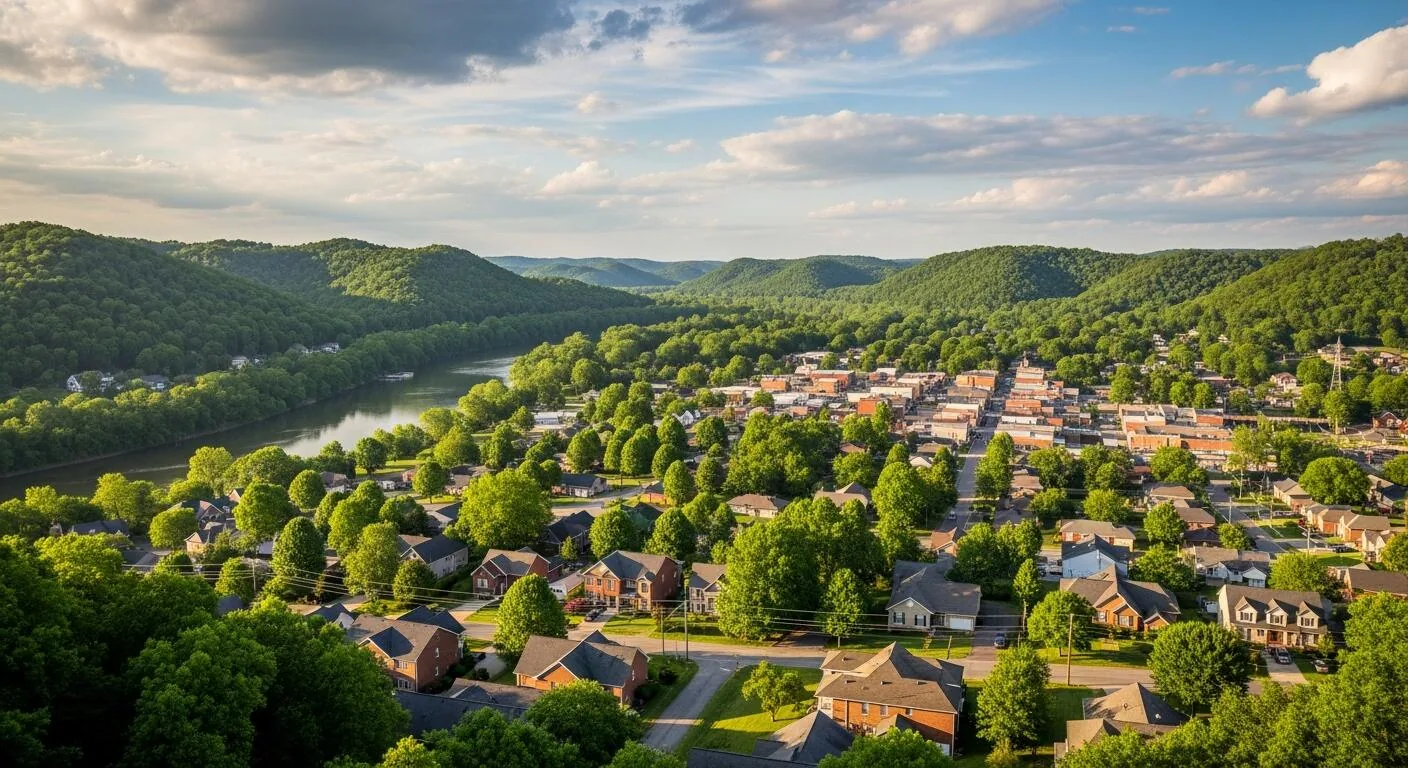
Warm weather and recurring rain make the close-in point a real roof decision along Crossland Avenue. Crossland Avenue is a Clarksville arterial corridor running from Riverside Drive toward Madison Street. Those names orient the service area; they do not tell us what a particular property has above its ceiling. We confirm the roof system, drainage route, tenant hours, and safest access before defining the work zone. If a leak is active, we trace its path before choosing a repair. A commercial roof inspection records the assembly and the next action together.
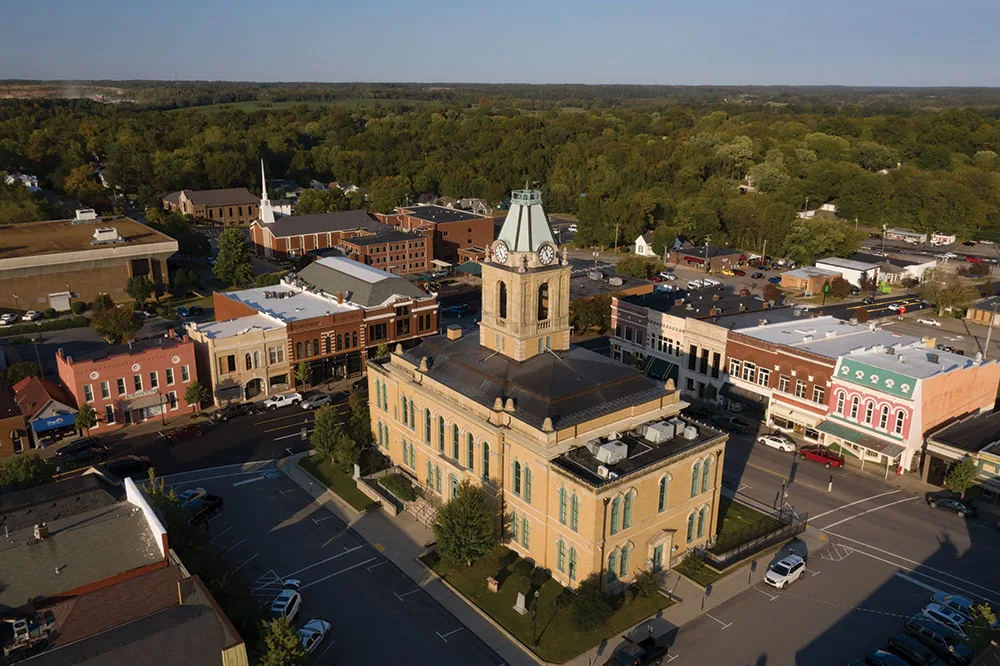
Water can travel beneath a membrane or along a deck before it appears indoors. We use the room report and roof plan as starting points, then check seams, penetrations, curbs, wall transitions, drains, and edge details above the affected area. The walk identifies visible damage, prior patches, and any zone that could not be reached. If concealed insulation could change the repair method, we identify a test opening and its approval limit before removal begins.
Membrane seams may separate at a lap, termination, or previous repair; metal panels move at joints and require attention to fasteners, closures, and flashing. A drain and scupper inspection follows the drainage path where water is ponding or bypassing an outlet. We match a repair material to the assembly and mark the tie-in to sound material. A photo record shows what was confirmed and keeps a suspected leak path separate from the actual opening.
Clarksville's mean July and August temperatures are 79.4°F and 78.7°F, and average precipitation continues in both months. May averages 5.50 inches of precipitation, with another 4.31 inches in November. Those normals describe the city, not a workday on Crossland Avenue. We check the actual forecast and surface condition before choosing how much roof to open. The sequence includes preparation, material placement, inspection of the tie-in, and a protected close-in before the crew leaves.
A hot surface can change product preparation and application timing. Rain can interrupt a membrane repair or leave insulation exposed. We keep drains clear, set temporary protection at a defined boundary, and name the person who receives the handback. If conditions change during work, the site contact knows which roof area is complete and which still needs review. For an active leak outside regular hours, our emergency roof response can secure the opening until a permanent scope is ready.
Clarksville also had a May 8, 2024 hail report with estimates up to three inches. That is area context, not a condition report for Crossland Avenue. When hail is suspected at a property, we inspect the actual membrane, metal, flashings, and rooftop equipment, then photograph observed effects. If the surface shows no clear opening but water is present inside, we trace the path and decide whether moisture testing would change the scope. A reported storm never substitutes for a roof walk.
A contained repair is a fit when the defect is local and the surrounding roof can accept a sound tie-in. The scope names the zone, preparation, material, and final check. If seams are failing in several areas, moisture extends beyond the opening, or edge attachment has changed, we map the wider condition before recommending replacement. A commercial repair proposal separates confirmed work from a test or concealed condition that could add scope.
A roof recover can preserve an existing assembly only if layers, attachment, drainage, and edge height permit it. Where those conditions do not support a recover, replacement may require removal and deck review. A replacement sequence identifies which areas open first and how each reaches dry-in. Timing and cost depend on access, material handling, roof height, tear-off, details, occupied hours, and the amount of roof that can be protected in one window. We set any approval point for concealed work before that limit is reached.

Riverside Drive and Madison Street mark the Crossland Avenue segment; the building entrance and roof access still need confirmation. We locate the entrance, staging area, overhead clearance, lift position, roof hatch, delivery window, and any fire lane that must stay open. If work crosses an active doorway or tenant route, we agree on a protected path or closure before the roof is opened. The plan identifies when the zone returns to use and who accepts the handback.
Clarksville's 3rd Street corridor runs from College Street to Madison Street, while College Street connects Riverside Drive and Kraft Street. A building near either corridor still receives its own roof inspection; the road connections do not transfer a roof condition. We coordinate material movement, noise periods, debris control, and the work zone with the facility contact. An occupied-building plan can set those limits by phase while operations continue below.
At handback, we check the completed detail, clear loose debris, and verify drainage remains open. The facility lead receives photographs and a note about any temporary cover, restricted area, or follow-up inspection. If a leak was reported inside, we state whether the source was confirmed or whether another test remains. This prevents a temporary response from being mistaken for completed permanent work and helps the next crew start at a specific roof zone.
No. It identifies a broad arterial area between Riverside Drive and Madison Street. We inspect the actual building and assembly, then document the condition, access limits, and any concealed question that affects the work.
We compare the interior report with the roof layout, then trace seams, drains, penetrations, curbs, and transitions above it. The repair boundary follows the opening we confirm, not just the room where water showed up.
We confirm access, tenant circulation, delivery windows, and noise limits with the facility contact. The sequence identifies the work zone, protection below, daily dry-in point, and handback before a section is opened.
It provides local weather context only. We inspect the roof itself for punctures, displaced metal, or damaged flashing and record what is visible. The storm report alone does not establish damage at a specific address.
The record should identify the material, roof zone, tie-in, photographs, drainage check, and any temporary protection or access limit. We also name the next review item so the facility lead can close the correct follow-up.
A useful record shows the assembly, repair limit, tie-in, drainage status, access restrictions, and any condition left concealed. We return to the same zone after weather or a new leak report, rather than treating a prior repair as proof that the roof is sound everywhere. A maintenance visit can check the edges, seams, drains, and penetrations marked during the first walk. The facility team can then compare the roof's present condition with the earlier photographs and work notes.
For Crossland Avenue, the corridor runs from Riverside Drive toward Madison Street, but the roof file belongs to the actual property. A 3rd Street property or Ashland City Road building receives a separate condition record. When capital work is being considered, the owner can use confirmed findings, access limits, and phase timing to compare a repair with recover or replacement. We keep the recommendation tied to observed conditions and state what additional test would change it.
Send the roof plan, leak observations, access rules, and occupied schedule. We will inspect the assembly, mark the work zone, and return a repair recommendation with a protected close-in and clear handback.