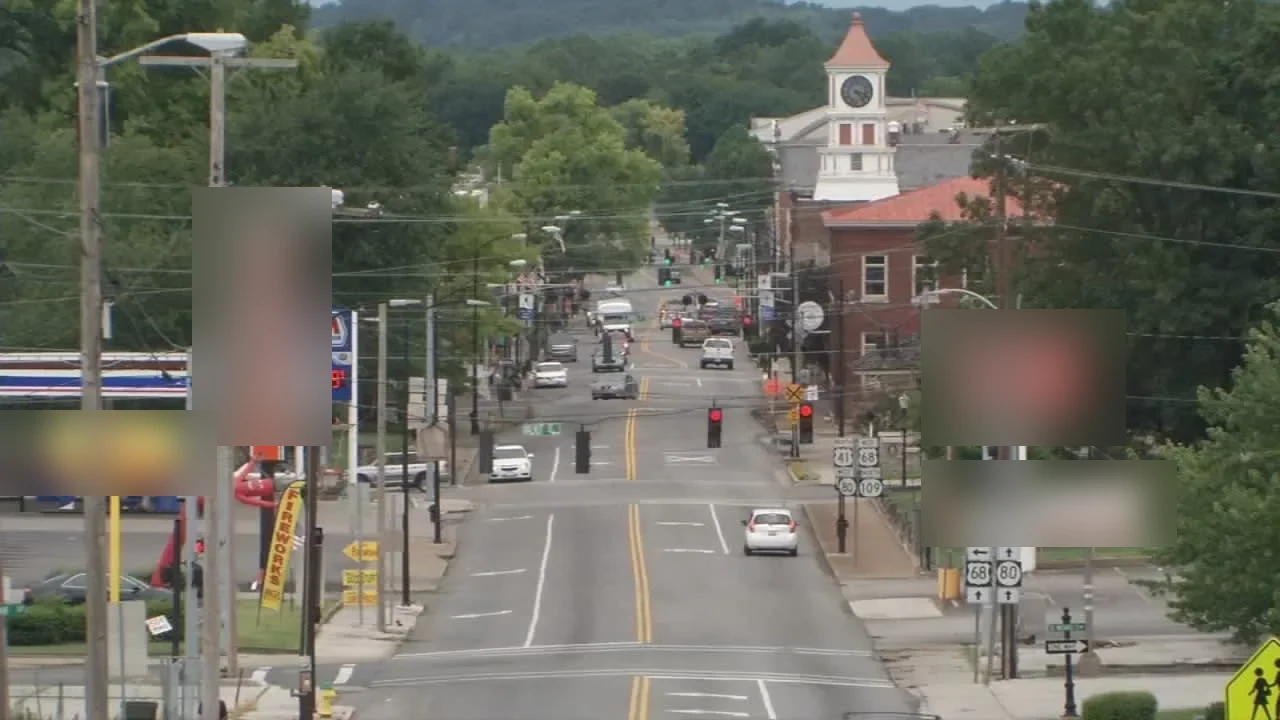
A roof call on an active commercial corridor needs more than a dispatch point. Wilma Rudolph Boulevard (SR 13) begins at Kraft Street and extends to the county line in Clarksville. That route context helps orient the service area, but the property owner still confirms the building entrance, roof access, and hours. We begin at the roof assembly and the facility's operating boundary, then identify which seam, flashing, drain, or edge needs attention and how the work can be closed in before the next shift.
An interior stain or active drip is a clue, not a roof map. We compare its location with the roof plan, drains, curbs, penetrations, seams, and changes in elevation. Water can move below a membrane or deck before it appears inside, so the first walk documents the likely path and the limits of what is visible. We photograph the condition before disturbing it, note prior patches, and record where access is restricted or where a test could change the repair decision.
A low-slope roof may need a seam, penetration, drain, or edge repair. A metal assembly may call for review of fasteners, panel laps, closures, and flashing. In both cases, the repair needs compatible material and a tie-in to sound surface. A roof inspection sets out those observations by zone, while a condition report keeps photos and follow-up questions attached to the same sketch.
A Wilma Rudolph Boulevard repair plan should account for changing weather without treating a monthly average as a forecast. We check the actual surface and precipitation outlook before deciding how much membrane or flashing can be exposed and closed. We check the current conditions and set the open roof area to the preparation, repair, and inspection that can be completed before a secure dry-in point.
That limit varies with the assembly. A membrane surface must be clean and prepared before a seam or flashing can be closed. A metal repair may require a panel or closure detail that takes longer than a temporary seal. We keep drains open, protect exposed insulation, and identify who receives the update if weather changes. An urgent response can secure a current opening, but the scope still records the permanent repair and the next check separately.
A single defect can often be measured and scoped when nearby material is stable. Repeated leaks, wet insulation in adjoining zones, a loose perimeter, or repairs that fail at the same tie-in may warrant a broader review. We mark what is confirmed, identify any test that could change the quantity, and state the approval point before work extends beyond the boundary. The owner can compare options using known roof areas instead of treating the whole corridor or building as one condition.
A repair scope can identify the material, preparation, and closeout check. A recover review looks at existing layers, attachment, drainage, and edge height before adding a system. A replacement plan addresses removal and phased work where deterioration is broader. Cost and timing depend on the amount of roof involved, test openings, lift access, debris handling, material lead time, interior protection, and the hours the building can make available.
If removal reveals a condition outside the marked area, the crew pauses and records the changed condition before seeking approval. If the roof can be divided into sections, we identify which area can stay in service and which needs a temporary cover. The written sequence names the close-in point for each shift and the condition that must be checked before the next section opens. That gives the facility director a direct way to review both the roof decision and the operating impact.
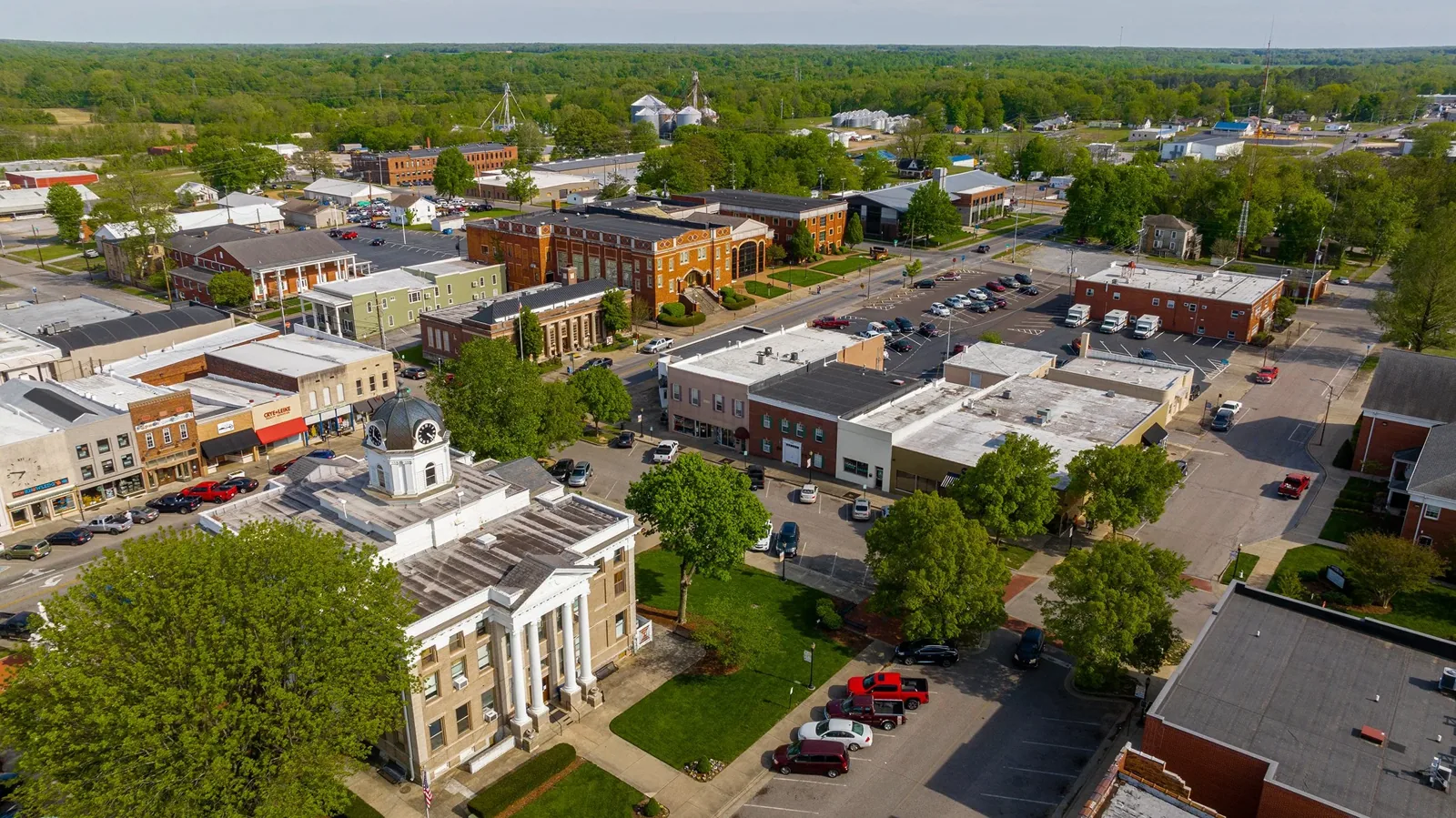
Wilma Rudolph Boulevard provides a broad location reference, not a staging or access plan for an individual property. Before delivery, the facility contact verifies which gate and loading window are approved, where a lift can stand clear of overhead lines, and which pedestrian or fire route must remain open. If the roof zone sits above a customer entrance or work area, the facility contact helps define a protected route or brief closure before the opening. We identify the daily handback and who accepts the area when the crew leaves.
Kraft Street is one endpoint of this corridor, while Trenton Road and Fort Campbell Boulevard are among Clarksville's other major roadway references. Owners can review commercial roofing on Kraft Street or roof work on Trenton Road for related area context. Each building remains separate in the inspection record. An occupied-site sequence can coordinate noise, interior protection, material movement, and return of tenant circulation without assuming that two nearby properties have the same hours.
It identifies the broad roadway and its endpoints, not the roof or access details of a specific building. We confirm the property location with the owner and inspect the assembly before selecting a repair.
We compare the interior report with the roof plan, then trace seams, curbs, penetrations, slope changes, and the drainage path. If the source remains uncertain, we identify a test that could settle it before removing material.
Often the work can be staged by zone, but the building schedule and safe access set the sequence. We coordinate barriers, notice, interior protection, and a daily handback with the facility contact.
Recurring defects, concealed moisture across adjoining sections, unstable attachment, or a tie-in that cannot reach sound material can support a broader review. We separate visible findings from tests and show the options against those zones.
Keep the roof sketch, dated photographs, materials, tie-in notes, work limits, and any remaining test or maintenance item together. We review the handoff with the owner so the next visit starts from the same mapped area.
At handback, we review the tie-in, drainage path, repaired zone, photographs, and any restriction that remains. The closeout notes the material used, the boundary of the work, and any condition that needs testing or another inspection. If temporary protection stays in place, its limits and next check are recorded. The facility contact can then distinguish completed repair from deferred maintenance and from a roof area that was not accessible.
For multiple roof sections, we mark drains, curbs, hatches, and transitions on a simple plan and connect each photograph to a zone. That keeps a later report from confusing one section with another. A roof maintenance record can carry forward those observations and inspection dates, while follow-up stays tied to the property actually reviewed. The next roof walk can verify the repaired detail and make a separate decision about any open question.
When a recurring call comes in, the service file should show whether it is at the same seam, curb, or drain as the earlier repair. We compare the dated photographs and note any new change before recommending another patch or a larger review. That makes the maintenance record useful to the next facility contact and prevents an unrelated roof area from being included by assumption.
If rooftop equipment service or later trade work will disturb the repaired area, we identify that tie-in in the closeout and note where another inspection should occur. The facility contact can coordinate access before equipment service begins and preserve the roof record for the next crew. That follow-up is particularly useful when a repaired flashing detail sits beside a curb or support that will need separate maintenance.
Share the confirmed property location, roof plan, access rules, and any leak or storm notes. We will inspect the assembly, mark the repair area, and coordinate a close-in point with building operations.