
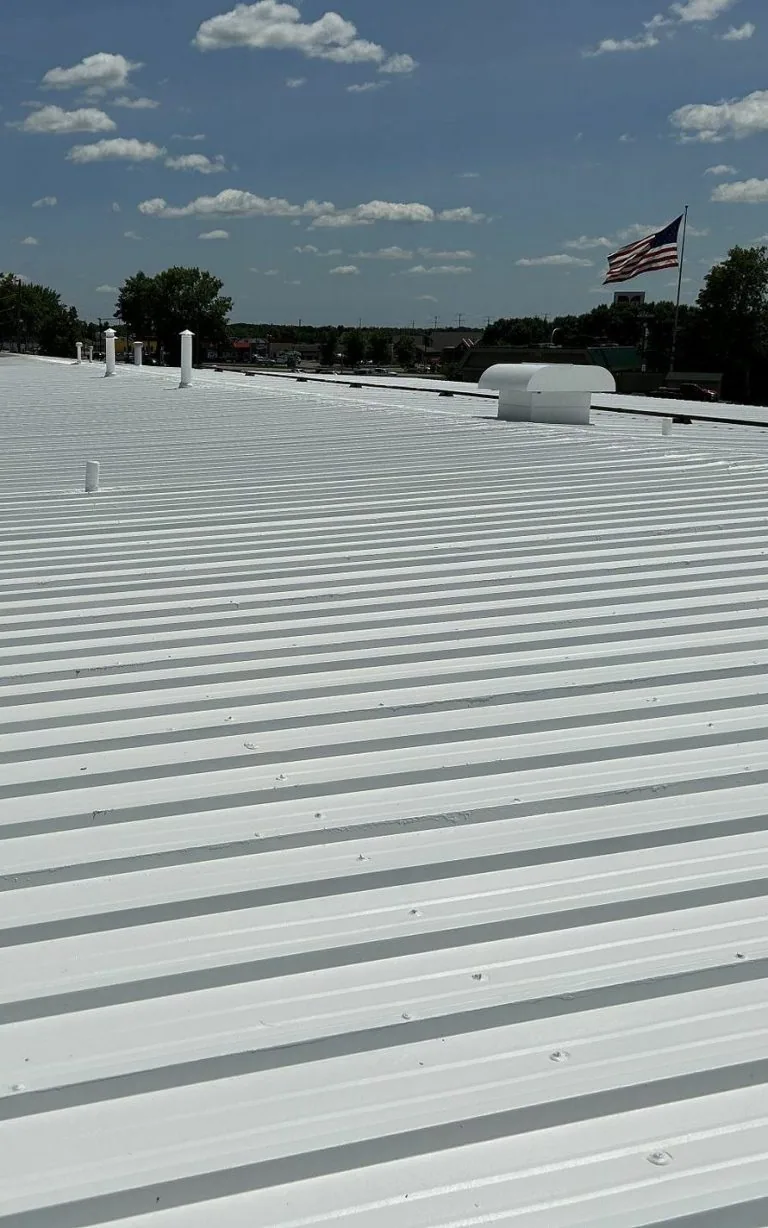
Clarksville's May rainfall normal is the highest of the year, while heat remains strong through July and August. A roof register should make those exposures useful to a facility director: which drain needs a closer look, where a seam has been repaired, and what access the next walk will require. We record the roof section, observed condition, photographs, date, and recommended action in a format that can be compared at the next visit. The weather record sets inspection questions, not a diagnosis for an individual building. A facility near North Park may have a different receiving schedule than a property in the Exit 4 Retail District, so the register keeps roof findings and operating constraints together without assuming the same sequence for every address.
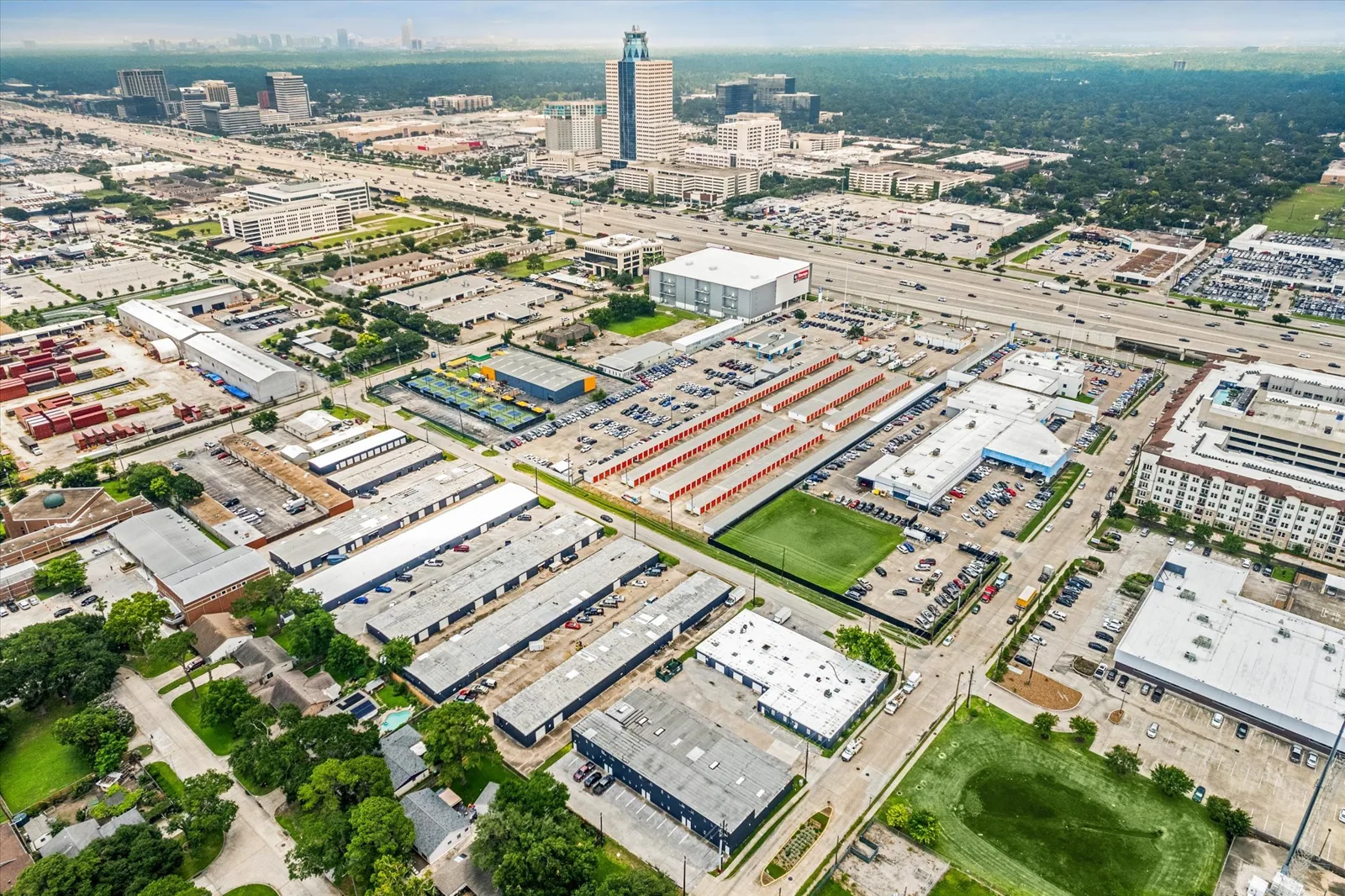
A useful asset record follows the building from one visit to the next. We separate roof areas by section, note the assembly where it can be identified, and mark drains, curbs, skylights, perimeter edges, and changes in elevation. Photographs need a location reference and an observation, not just a date. A close image of an open seam is easier to act on when the record also identifies its roof zone, nearby equipment, and the repair boundary. That lets the facility team compare a new visit with prior conditions instead of rebuilding the history from email threads.
During a hands-on commercial roof inspection, we document what is visible, what could not be reached, and where an additional test would improve the decision. A photo-based condition report can preserve those observations for maintenance staff, ownership, or a later capital review. We keep temporary containment separate from permanent work, and we identify a recommendation as repair, monitoring, testing, or replacement planning. The record is useful because it shows the next verifiable action, not because it gives every roof a single score.
Summer heat and recurring rain put different questions on a Clarksville roof walk. We look at drainage paths after wet periods, then review seams, flashing transitions, and exposed edges for movement or loss of bond. Hail and tornado records belong in the local exposure history, but a weather event does not establish damage at a specific property. The inspection record connects any recommendation to a visible condition, such as displaced metal, a puncture, blocked drainage, or moisture found by an appropriate test.
The broad Exit 4 Retail District and Corporate Parkway corridor are useful geographic reference points for planning routes across the city, not evidence of a particular tenant's roof condition. We note the site's confirmed access hours, lift or ladder requirements, and areas that need a facility escort. If the roof uses a mechanically attached TPO assembly, the file should identify its observed seams and terminations rather than assume the system from the building's use. A maintenance visit then follows a repeatable path and records any change that affects the next repair decision.
Owners need a way to compare several buildings without pretending that age or a condition score says everything. We can group records by roof section, system, known repair history, observed moisture, drainage concerns, and the consequence of delaying work. The notes should preserve uncertainty. A roof that has not had a test opening is not equivalent to one where wet insulation was confirmed. A temporary dry-in is not counted as a completed permanent repair. When the team reviews multiple properties, those distinctions keep a summary from hiding the work that still needs a decision.
For a portfolio with buildings near Clarksville's industrial parks and its retail corridors, access windows and interior uses may differ even when the roof type matches. We identify the person who can arrange access, loading conflicts, and any production or customer hours that shape the route. Repair history can then be compared alongside current observations, with links to a multi-building roof program when one visit plan needs consistent reporting. A central register should help the facility director find the right record, not replace the judgment needed at each roof.
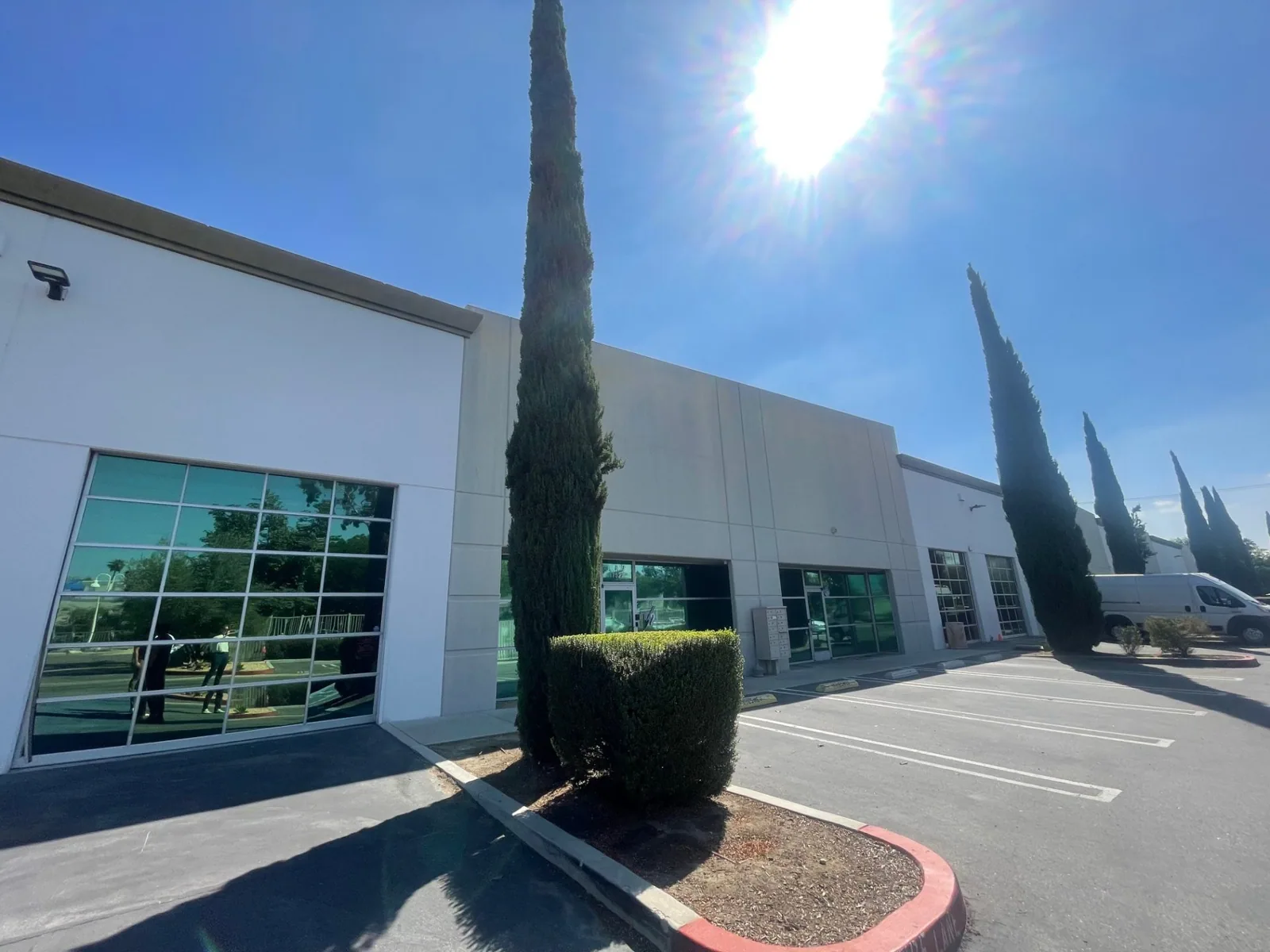
A capital forecast starts with the repair boundary and the unresolved conditions. We separate work that can restore a local detail from areas where moisture, repeated failures, or deteriorated components could change the scope. Then we list the next action, the information needed to price it, and the timing issue that could move the decision. That gives ownership a reasoned sequence for comparing a near-term repair with broader replacement planning. It does not turn an inspection note into a promise about service life.
Clarksville's adopted code editions may affect a reroof's design and permit review, so the record identifies what the building team needs to confirm before procurement. Our capital planning work can use the roof register to separate known repairs from survey items and future renewal allowances. If a recover is being considered, we inspect the existing assembly and document the conditions that determine whether it is appropriate. The facility director receives an action list that can be reviewed against operating priorities and the next budget cycle.
Start with the building and roof-section identifiers, assembly where known, inspection date, photographs, observed defects, repairs, moisture results, access notes, and next action. We distinguish confirmed conditions from items that still need testing. That gives a facility director a record that can be compared at the next visit and shared with ownership without overstating what was inspected.
We use consistent fields for roof areas, drainage, seams, flashings, known repairs, and access constraints, then keep building-specific findings visible. A common format helps the portfolio team sort work, but one score should not erase differences in assemblies or confirmed moisture. We can group the records and still show the evidence behind each recommendation.
It supports planning, but an inspection cannot assign a certain replacement date without enough evidence about the roof assembly and its condition. We note observed deterioration, repair frequency, test results, and open questions, then identify what would change the timing decision. That record lets ownership revisit the forecast as new information is added.
Yes. We can connect each ticket to a room, roof section, reported date, temporary measure, permanent repair, and later observation. If an earlier ticket does not identify the roof zone or exact action, we keep that gap visible rather than treating it as a completed repair. The next inspection can then verify the area and improve the history.
Refresh it after a repair, roof replacement, test opening, major weather event, access change, or inspection that changes the recommended work. A scheduled review can also help keep older records usable for budgeting. We set the next inspection interval from the roof findings, maintenance needs, and facility operating calendar rather than applying one date to every building.
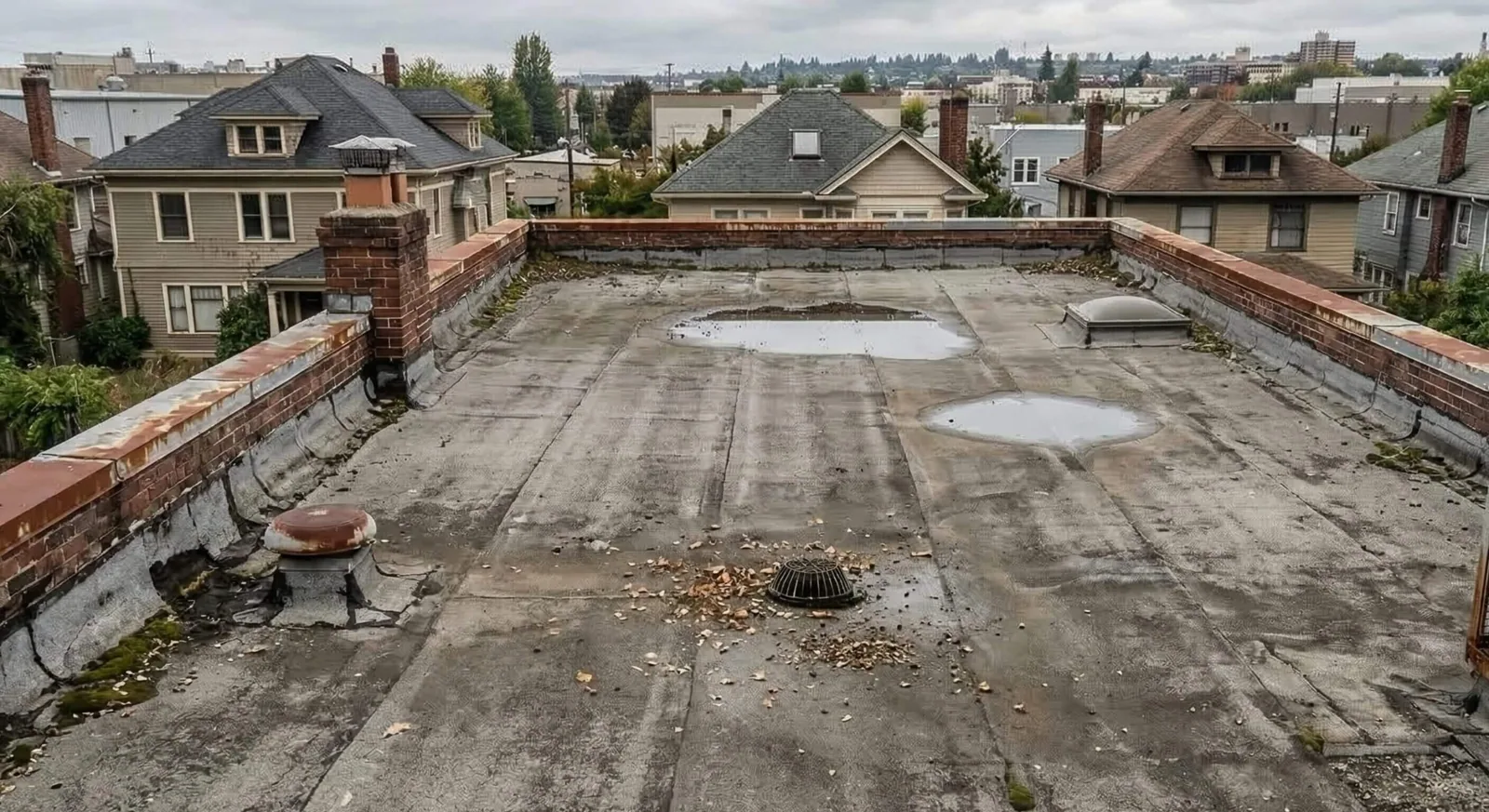
Records lose value when a crew cannot find the roof zone or reach the planned work area. For each property, we keep the approved entry point, contact, escort needs, lift location, and occupied hours beside the inspection route. A daily handback should identify which section was completed, which opening remains temporarily protected, and what should be checked next. That is especially useful where production, classroom, clinic, or retail activity sets limits on roof access. The notes do not replace a site safety briefing; they give the facility contact a clear starting point for it.
We can schedule a roof walk in Clarksville and coordinate the record with a confirmed operating window. The visit may begin near North Park or the Exit 4 Retail District, but the route and building rules come from the property team. Bring existing plans, leak reports, repair tickets, and any areas that cannot be entered. We will map the observations, note limits, and leave the next step in writing so the register remains useful between visits.
Schedule a Clarksville roof walk. We will map the roof sections, document access and operating constraints, and leave a record the facility team can use for repairs and capital planning.