An acquisition schedule leaves little room for a roof condition to surface after the building changes hands. A due-diligence survey in Clarksville, TN records accessible roof areas, visible defects, drainage, edge details, penetrations, equipment curbs, and signs that merit additional testing. We tie each observation to a roof location and explain how it affects a repair, reserve, or near-term operating decision. The report does not assign value to hidden conditions or promise that a system will perform for a set period. For a warehouse near North Park, an office along Wilma Rudolph Boulevard, or a retail property in another part of the market, the survey begins with the actual roof and the time available for access.
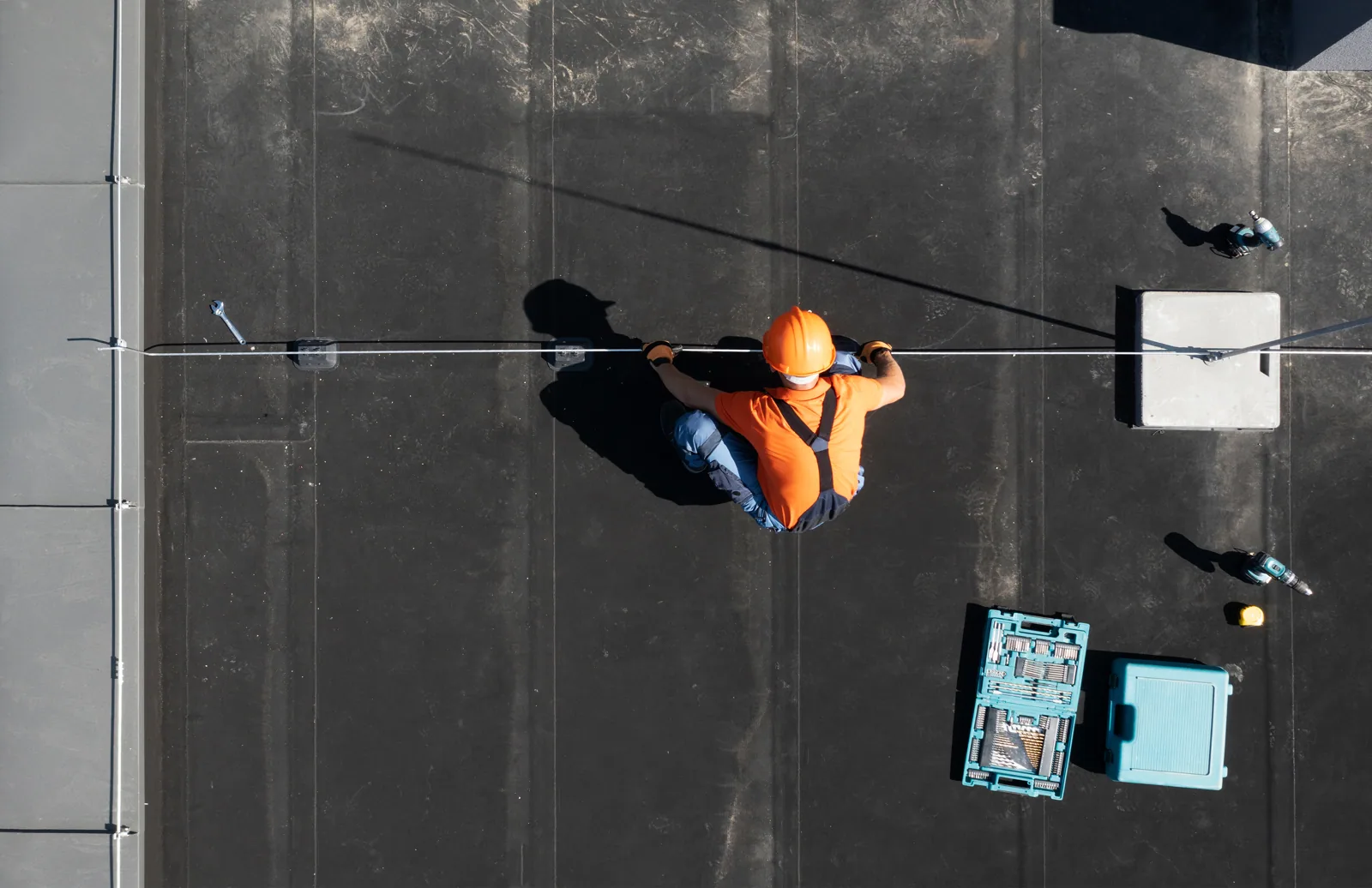
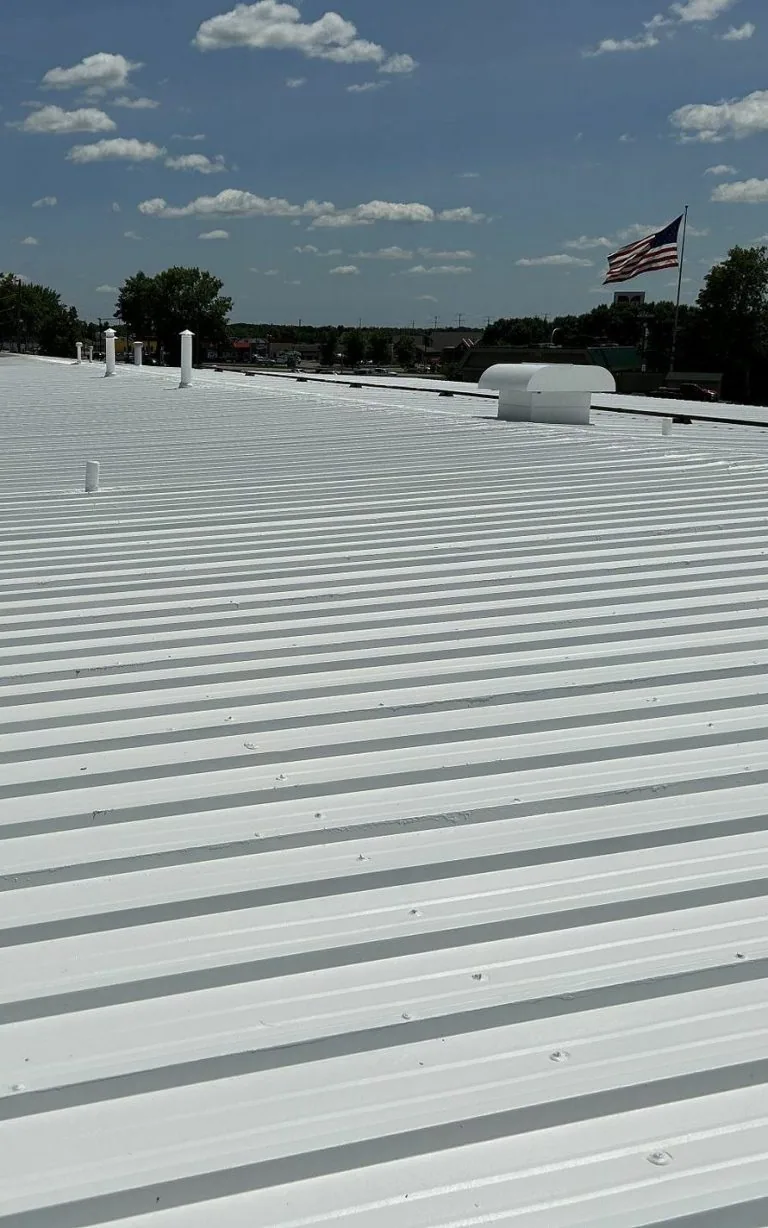
Before the walk, we review the available roof plan, repair records, prior reports, and the access window. We confirm which roof sections can be reached, whether interior reports are available, and what areas remain restricted. On the roof, we photograph membrane seams, metal transitions, flashing, drains, scuppers, penetrations, surface wear, ponding that is visible, and prior patches. Each finding is marked as observed, suspected, or not evaluated. That distinction matters when the buyer must decide whether a focused test, a specialist, or more time is needed before closing.
The Clarksville-Montgomery County industrial map shows the North Park, East Park, and South Park employment districts in a wider road, rail, and I-24 setting. That context helps frame local property types, while the survey stays tied to the subject building. A field inspection supplies the observations, and a condition report presents mapped photographs for the capital file. The North Park district is a broad local area, not a stand-in for the roof or access conditions at an individual property.
We describe each defect in terms a buyer and facility manager can use: location, visible condition, likely consequence, and a practical next action. An open seam may call for a localized repair; repeated separation or a soft area may justify further investigation. A blocked drain calls for cleaning and a check of the surrounding membrane, while recurring ponding may require an evaluation of slope, drain capacity, or deck condition. We do not identify wet insulation from a surface mark alone. Where a test cut or infrared survey could change the scope, we state that before estimating a larger repair.
Long-term weather records for Clarksville pair warm summer months with regular precipitation. For a buyer, that is a reason to ask how the roof drains and how details are documented, not evidence that the subject property has a defect. The record can flag a moisture survey or drainage detail review when field evidence warrants it. For a property near the Exit 4 retail district, the roof plan and building access still determine what can be inspected.
Transaction teams need to know what is urgent, what is budgetable, and what remains unknown. We group findings by roof area and distinguish active water entry, failed perimeter details, deferred maintenance, and conditions that may affect replacement timing. Cost drivers include access, roof height, material type, insulation condition, tear-off requirements, equipment coordination, and the number of work zones. If the available record lacks a roof plan or repair history, we identify the gap rather than assign a number to it. A buyer can then decide whether to seek a price adjustment, a further test, or a post-close work plan.
A proposed assembly change can trigger a separate design and permitting review. The survey records accessible conditions and identifies that question for the transaction team; it does not certify code compliance. A capital-planning assessment can carry near-term findings into a reserve discussion. If renewal appears likely, compare the survey with a replacement evaluation or a recover option only after the roof assembly and deck are understood.
When the diligence window is short, access coordination determines the useful scope. We ask for roof keys, escort rules, safe ladder points, interior contacts, and any operating hours that limit a walk. If several sections cannot be inspected in one visit, the report lists the unreviewed areas and the consequence of leaving them open. A short roof window should not turn into a broad claim about the whole assembly. The buyer can use an identified gap to request additional access, reserve for follow-up, or make a conditional decision.
Interstate 24 is a principal regional connection, and the city identifies Exit 8 as serving major industrial development. Transportation access may shape a site visit and later material delivery, but it does not prove the roof's age or condition. For work near I-24 or toward Fort Campbell, we still coordinate with the property's own access contact. A repair scope can address confirmed defects after the buyer determines responsibility and timing. If the roof contains metal panels, a standing-seam review helps distinguish panel movement from a failed attachment or flashing detail.
It can identify cost drivers and the likely scope, but concealed conditions, assembly details, and access may still need investigation. We separate confirmed repairs from assumptions and state what could change the estimate, allowing the buyer to request a test or plan a reserve responsibly.
We document the records received, note what is missing, and rely on observed conditions within the access window. The report can identify roof areas where an opening, moisture survey, or additional access would resolve a material question before the transaction decision.
No. It documents roof conditions and flags assembly changes or questions that need the appropriate design and code review. We avoid treating a visual walk as an engineering opinion or an approval from the local authority.
The report should mark it as not evaluated and explain why access was unavailable. The buyer can seek a second visit, request a targeted investigation, or carry the uncertainty as an open transaction item instead of assuming the area matches the inspected sections.
Usually the walk can be coordinated around occupied hours, loading, secure areas, and tenant circulation. We set the access route with the facility contact and record any restriction that limits the survey, then schedule additional work around the building's operating needs.
The final survey should let the buyer's team find the observation, understand why it matters, and decide what to do next. We deliver labeled photographs, roof-area references, access limitations, priority findings, and recommended follow-up. If emergency protection is needed, we identify the temporary boundary and what remains for permanent repair. If more investigation is recommended, the report names the location and question to resolve. We can also note which records were reviewed and which were unavailable, so later budgeting does not mistake an assumption for an inspected fact.
Clarksville's commercial building base includes manufacturing, distribution, health care, education, and retail uses, with employment districts represented on the IDB map. Those uses can mean different roof access windows, interior sensitivities, and repair staging needs. A buyer should pair roof findings with its own operational review, then choose a capital path. For a portfolio with several properties, a multi-site roof program can align survey fields without blending individual building conditions. Bring the available roof plan, prior repairs, and access contact to the survey so the next decision rests on a clear field record.
Share the transaction timing, available roof records, and facility contact. We will map what can be inspected, identify unresolved questions, and return a prioritized record for the next capital decision.