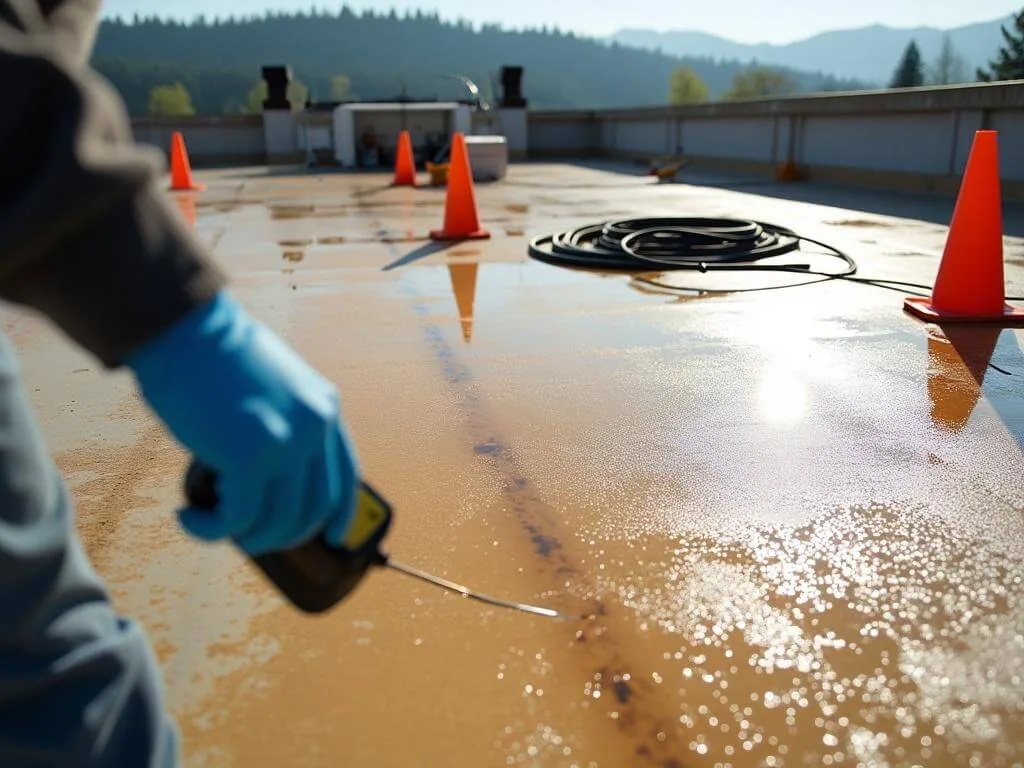
Summer heat changes how a long metal panel moves, and Clarksville rain tests every seam and transition that has to stay tight. Before a standing-seam roof is repaired or replaced, we identify the panel profile, clip arrangement, substrate, and condition at eaves, ridges, curbs, and penetrations. Roof access and building hours belong in that first review too. The Clarksville area has broad employment districts connected by I-24, while Trenton Road is one of the city's main thoroughfares. For a facility using either corridor, delivery planning is separate from the panel diagnosis. The roof walk records movement, attachment, and water paths so the scope fits the actual assembly.
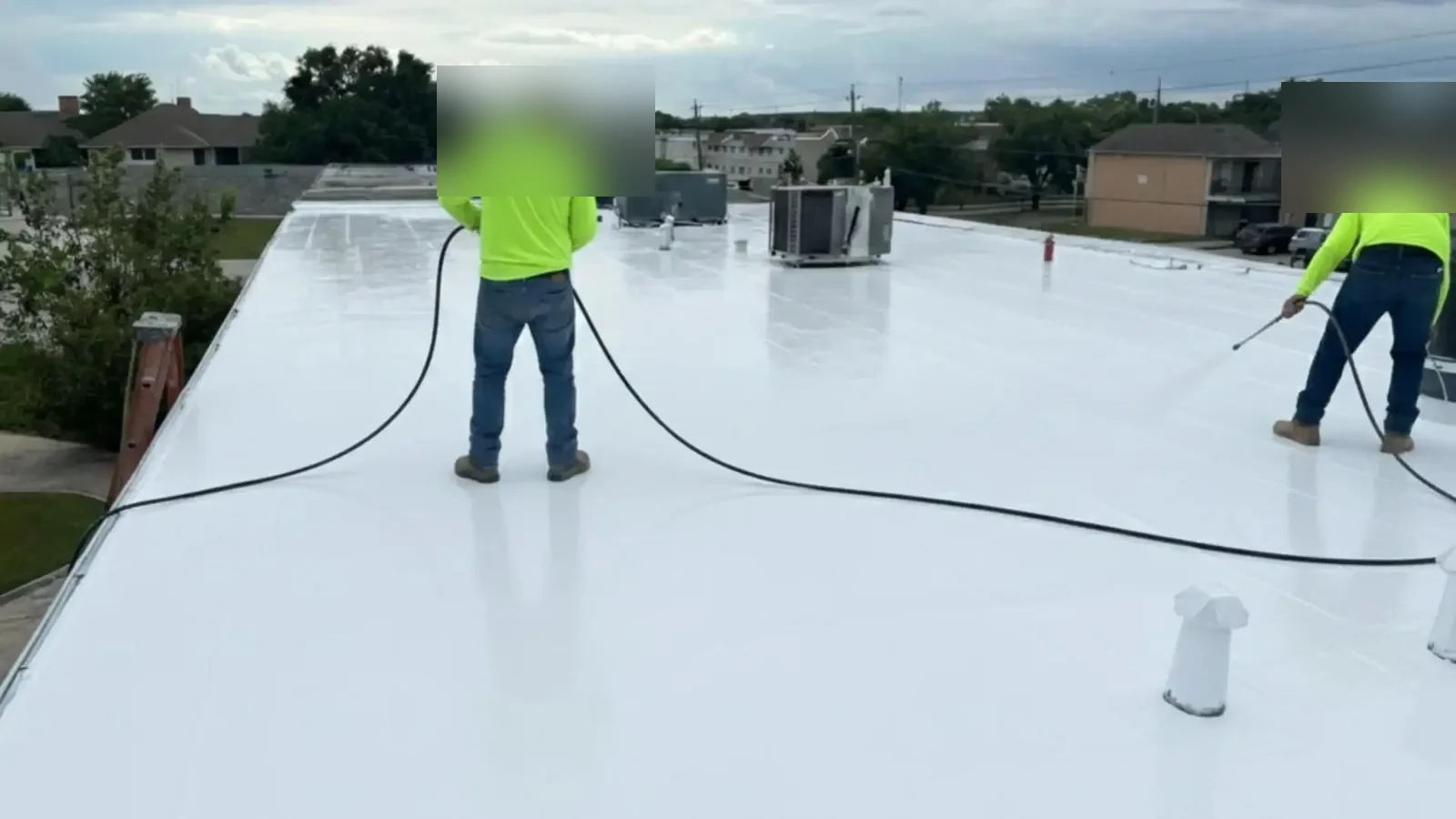
Standing-seam panels expand and contract along their length. A concealed clip must allow the movement intended by the system while keeping the panel attached to its support. We inspect seam engagement, clip spacing where accessible, fasteners at fixed points, and any distortion that suggests a panel has been restrained. A seam that looks closed at one point can still have a problem at a transition or termination. The report distinguishes a visible defect from an area that needs a closer opening or manufacturer detail before repair is selected.
Clarksville's long-term mean temperatures are 79.4°F in July and 78.7°F in August, context for allowing metal panels to move through their designed clips and seams. Those values describe the city's climate record, not the temperature of a particular panel, but they make movement and installation timing sensible questions for a large roof plane. We note the direction and length of the run, shading, and panel condition. A hands-on commercial roof inspection can document clips and seams without treating a single loose edge as proof that the full roof is failing.
A standing seam sheds water across broad panels, yet most leak investigations start at a change in plane or material. We check end laps, ridge and eave closures, valleys, curb flashings, pipe penetrations, and wall transitions. Sealant can be part of a detail, but it is not a substitute for a correctly formed flashing or an intact seam. We trace the reported leak toward the first plausible opening and photograph the path. Where a repair is appropriate, the scope identifies which metal is removed, how the new piece engages the panel, and how the exposed opening reaches a secure dry-in point.
The official city road list includes Warfield Boulevard, also called 101st Parkway and State Route 374. For a facility near that route, a delivery entrance may affect staging, but the roof's water path still determines the repair. A review of coping and edge metal can help when water tracks at a perimeter. We also compare the roof with retrofit options for an exposed-fastener roof only when the existing panel type and structure support that approach.
Metal panels depend on the substrate, purlins, deck, and attachment design beneath them. A replacement proposal cannot assume the support remains sound because the exterior finish is intact. At accessible locations, we look for corrosion, movement, failed fasteners, and wet areas around penetrations. If the attachment schedule or structural information is missing, we call that out before setting a repair pattern. A test opening is useful only when the result will change the scope and the owner approves where it will occur.
The industrial map for Clarksville distinguishes North Park, East Park, and South Park as broad multi-property employment areas and shows the surrounding road and rail network. Those districts can include different building forms and operating needs, so we do not transfer one property's panel detail to another. Our photo-based condition report separates what was observed from what still needs confirmation. If the roof has an active opening, emergency roof repair is available around the clock, including weekends and holidays, to protect the opening while the permanent metal detail is planned.
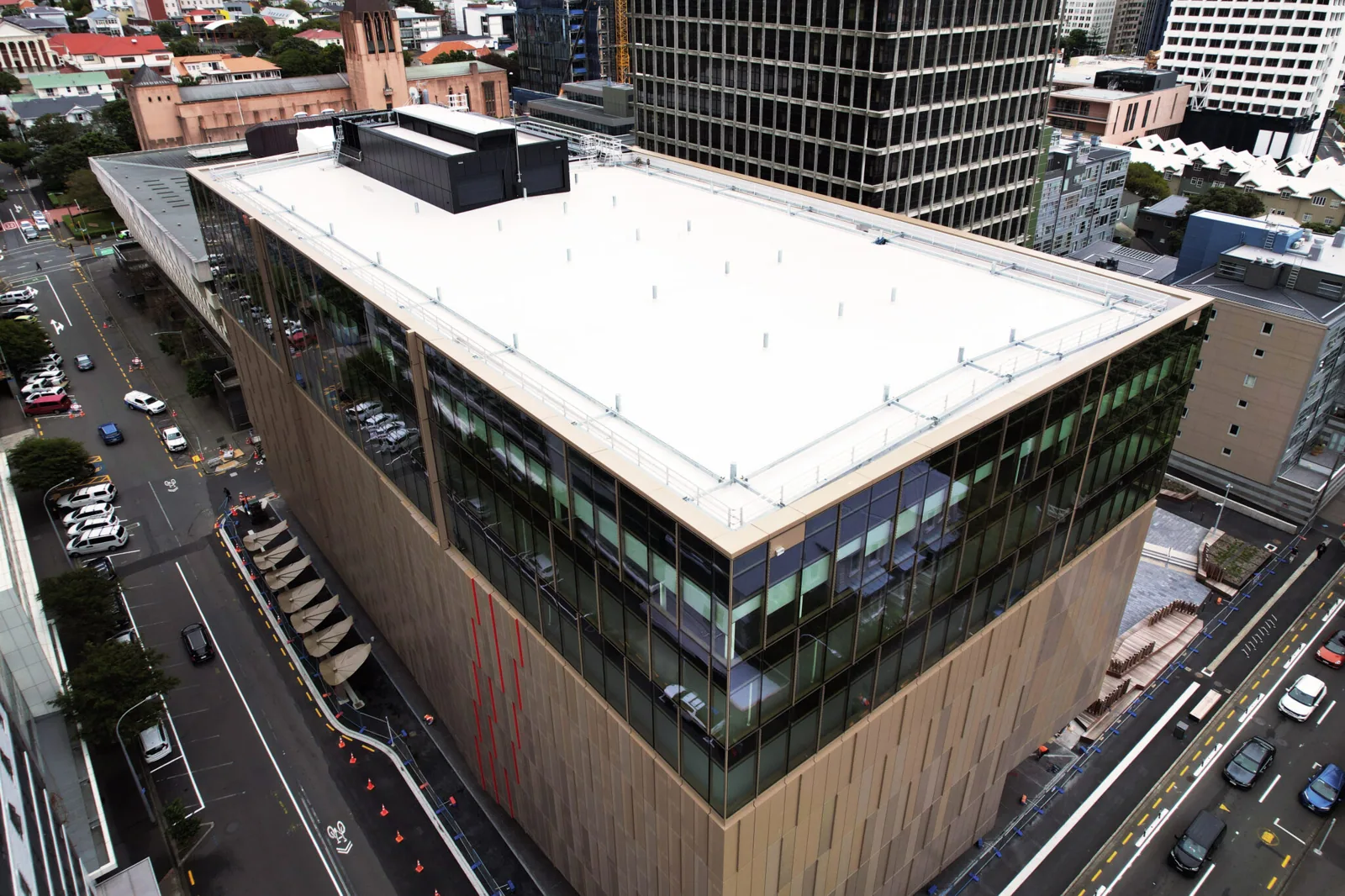
A standing-seam replacement moves across the building in defined work zones. We plan removal, temporary weather protection, new panels, trim, and inspection points so the facility can see where the roof is open and when each area will be handed back. The schedule identifies crane or hoist locations, material drops, rooftop equipment that remains active, and any area that must stay clear for building operations. Long panels need suitable access and controlled handling. A morning delivery plan is not complete until the roof access route and daily close-in limit are confirmed with the site contact.
Trenton Road and I-24 serve different parts of the local movement network. We use those road references to discuss approach and staging, not to promise a delivery time. The owner confirms an approved gate, vehicle limits, and tenant circulation before mobilization. An occupied-building reroof plan can define notifications and daily handback, while a Trenton Road service-area visit begins with the same roof and access review as any Clarksville job.
Sometimes. We first identify whether the seam has opened, a termination has failed, or water is entering at adjacent flashing. A localized repair needs sound metal, a compatible detail, and a work boundary that can be closed the same day. If clips or substrate are compromised, adding sealant will not address the attachment problem.
A panel can distort when movement is restrained, attachment has shifted, or a detail transfers stress into the sheet. We compare the profile, clip arrangement, fixed points, and edge termination before naming the cause. The repair record should show where movement is permitted and how the edge is secured.
No single spot determines the scope. We map the affected coating and metal, check seams and fasteners nearby, and look for corrosion at cuts or trapped debris. A small area may be cleanable and repairable; metal loss or repeated failures can require replacement of more than the visible patch.
We divide the roof into work zones, set a daily dry-in point, and confirm access, delivery, equipment, and tenant circulation with the facility. The schedule names the area that will be opened and the condition required for handback. If weather shortens the window, the crew closes the planned boundary before moving to another zone.
Panel profile, metal gauge, clip and support condition, custom trim, penetrations, access, and the amount of temporary protection all affect scope. We record these conditions on the roof walk and identify any test opening that could change quantities. The proposal then separates confirmed work from an allowance or unresolved condition.
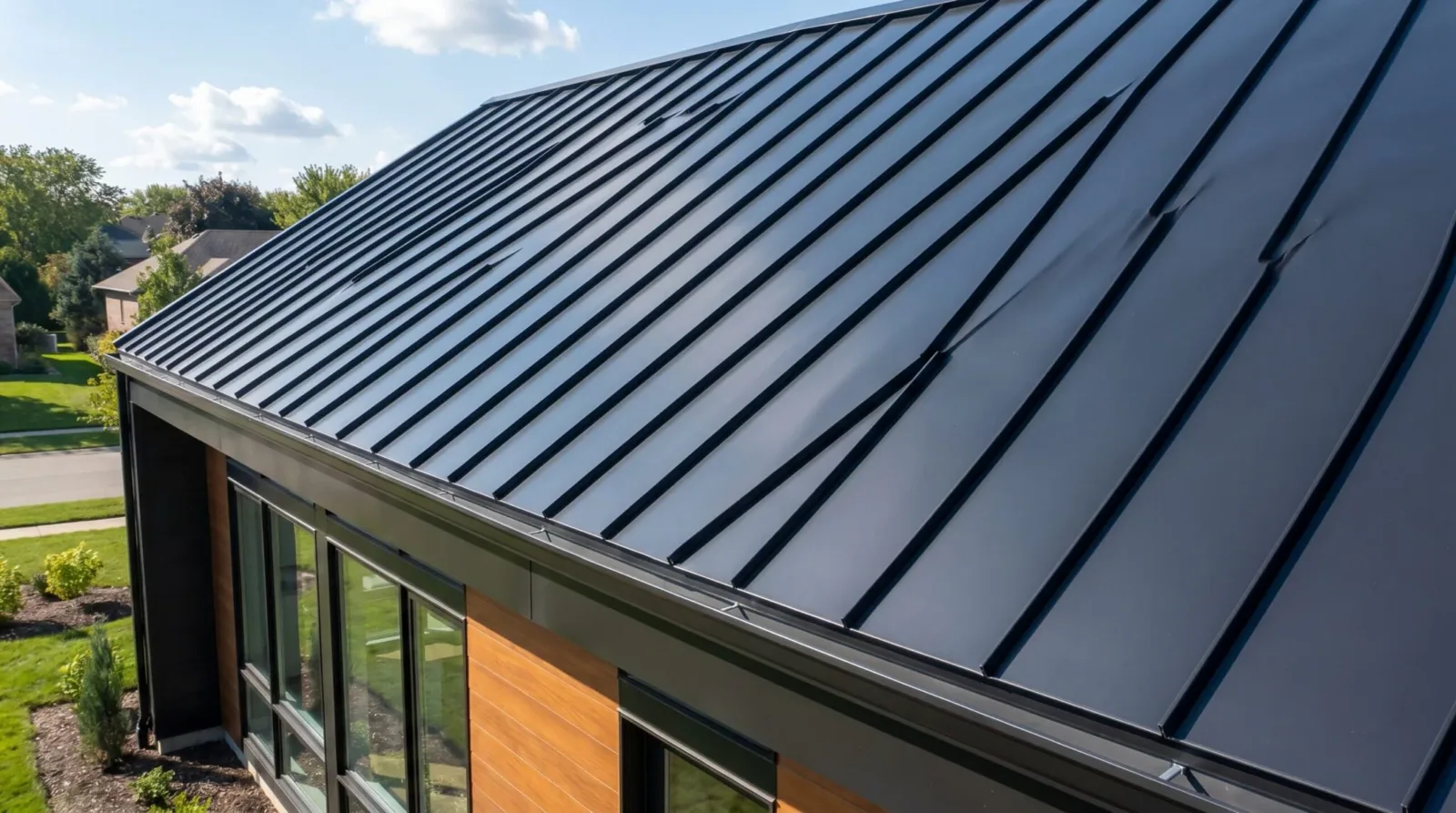
A local seam repair can make sense when the panels, clips, and supporting structure remain sound and the defect has a clear boundary. Repeated seam separation, widespread corrosion, failed attachment, or incompatible previous work may point to larger renewal. We compare the repair area with the roof's remaining details: panel termination, drainage, penetrations, and edge conditions. Cost drivers include panel gauge and profile, clip and substrate work, custom trim, access, lift equipment, and the length of protection needed each shift. We describe those drivers without assigning a price before the roof is inspected.
When replacement is on the table, the scope states the panel system being proposed and the conditions required at the substrate. It also notes what cannot be confirmed until removal. A low-slope membrane comparison may be relevant for a different roof section, but a standing-seam assembly should not be converted to a membrane plan by assumption. A replacement scope records tear-off, deck review, flashing, edge metal, and closeout. That file gives maintenance staff a specific next inspection point rather than a generic roof-age label.
Share the roof plan, leak locations, and building schedule. We will document panel movement, seams, attachment, and transitions, then set a repair or replacement sequence around the facility's access needs.