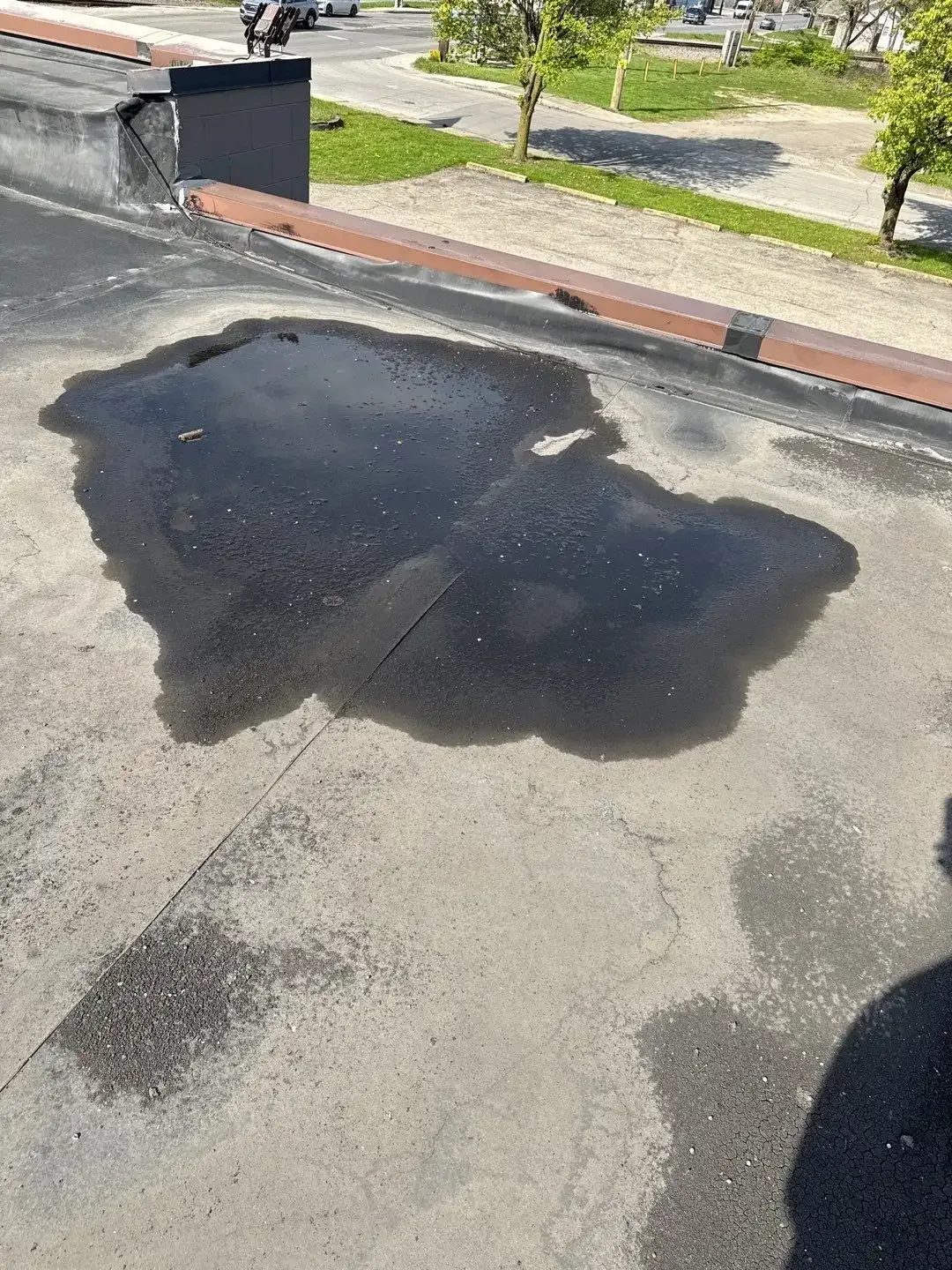
After a severe-wind report, the roof edge and rooftop attachments deserve an early look, but the field inspection determines what needs repair. NWS records put the December 2023 Clarksville-area EF3 tornado's estimated maximum wind at 150 mph and its track length at 47.75 miles. Those regional figures explain why wind response belongs in a facilities plan; they do not diagnose a roof. We photograph displaced edge metal, open seams, loose flashing, and active water entry, then mark which areas require temporary protection. For a building in an industrial district or along a major route, the crew still needs the property contact, approved roof access, and a written handback point.
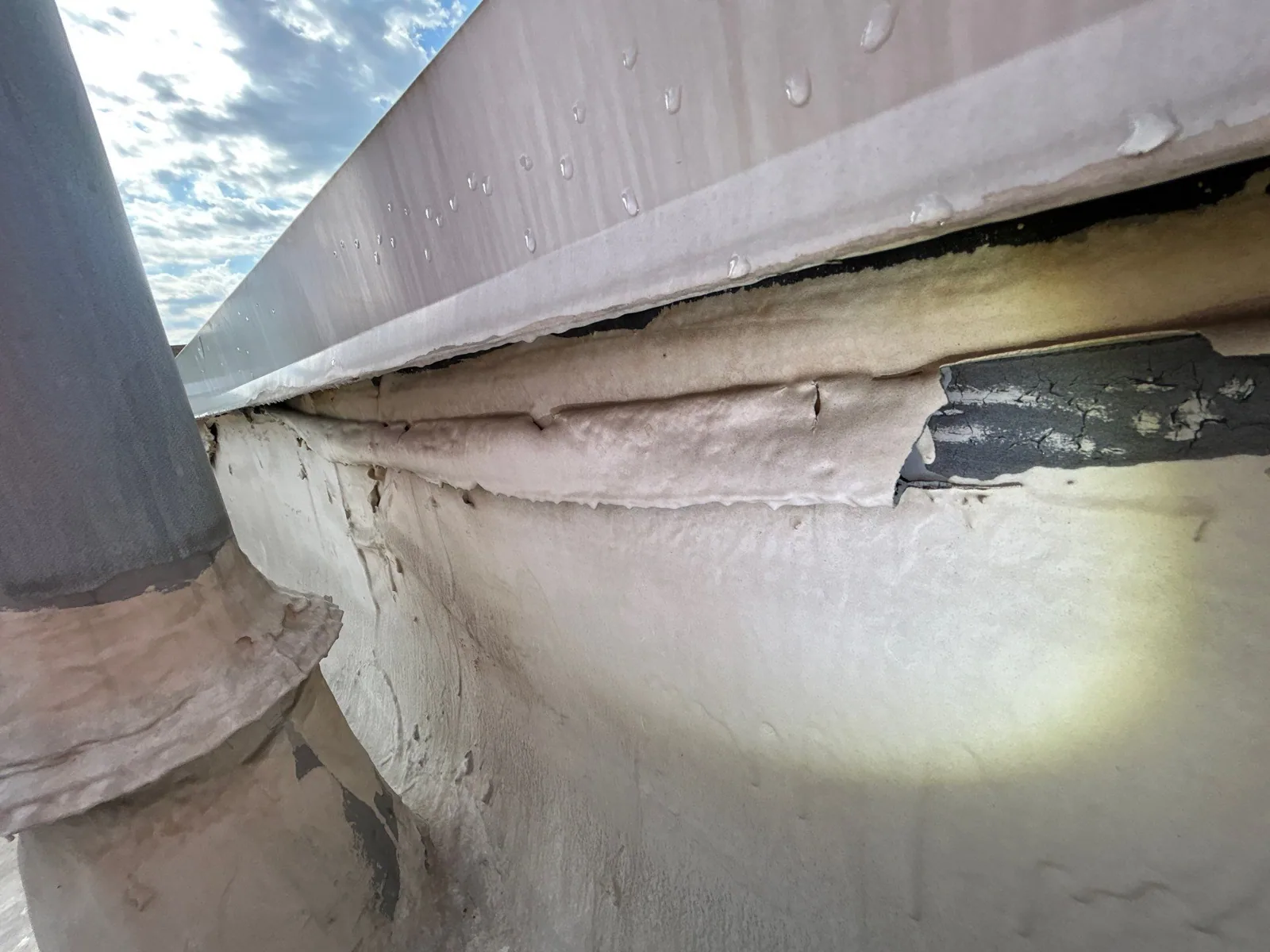
Wind can lift a perimeter detail, pull a termination loose, or shift rooftop equipment attachment. We inspect corners, eaves, parapets, coping, panel seams, membrane laps, curbs, skylights, and penetrations. The report distinguishes material that moved from a seam that was already open or an old patch that has changed. We take a close photograph and a location view for each finding, then trace the nearest drainage path and interior report. If a detail is unsafe to reach, we record the limit and arrange the next access step rather than mark the area complete.
Clarksville's official road list includes Warfield Boulevard/101st Parkway/SR 374 and Wilma Rudolph Boulevard/US 79 among the main thoroughfares. Those broad corridors orient the service area; they do not show how wind affected a roof along the route. A visit along the Parkway corridor follows the same inspection sequence: confirm roof access, photograph edges, and identify the repair boundary. A hands-on roof inspection can map the findings when multiple roof sections need review.
If wind has lifted metal or opened a membrane transition, the first task is to make the roof safe and limit water entry. We set a temporary dry-in sized to the exposed area, check the surrounding material, and keep the protection within a boundary that can be inspected. Interior teams can identify rooms, equipment, or stock that need protection below. The work record notes the temporary material, time, roof location, and what must be revisited before a permanent repair begins. A patch that conceals an unstable edge is not a final repair.
For an active opening, we coordinate temporary protection once the facility confirms safe access and the necessary materials are available. At a property with several production or storage zones, we keep separate roof maps and repair boundaries so a finding in one area is not carried over to another. We keep each building's repair file separate. A round-the-clock roof response can protect the opening, while a photo record for the insurance file organizes observed damage without deciding coverage.
A lasting wind repair needs a defined boundary and a compatible tie-in. We remove loose or split material to a sound edge, prepare the membrane or metal, replace damaged flashing, and confirm that fasteners or attachment points remain secure. If the roof has a recurring open seam, we inspect the lap beyond the visible separation before selecting a repair length. A missing edge component can require more than sealant. The written scope states the repair method, materials, access needs, and any test or opening that could change the work.
Clarksville's local normals show summer heat and rain in July and August, which makes surface preparation and protection part of the work window. Those climate readings do not establish the roof's temperature or damage. We check actual surface and forecast conditions before applying adhesive, sealant, or membrane material. If a wind event also leaves a torn lap, a seam-failure repair review follows the split into the surrounding assembly. For displaced sheet metal, the standing-seam system assessment checks panel movement and clips before a repair detail is chosen.
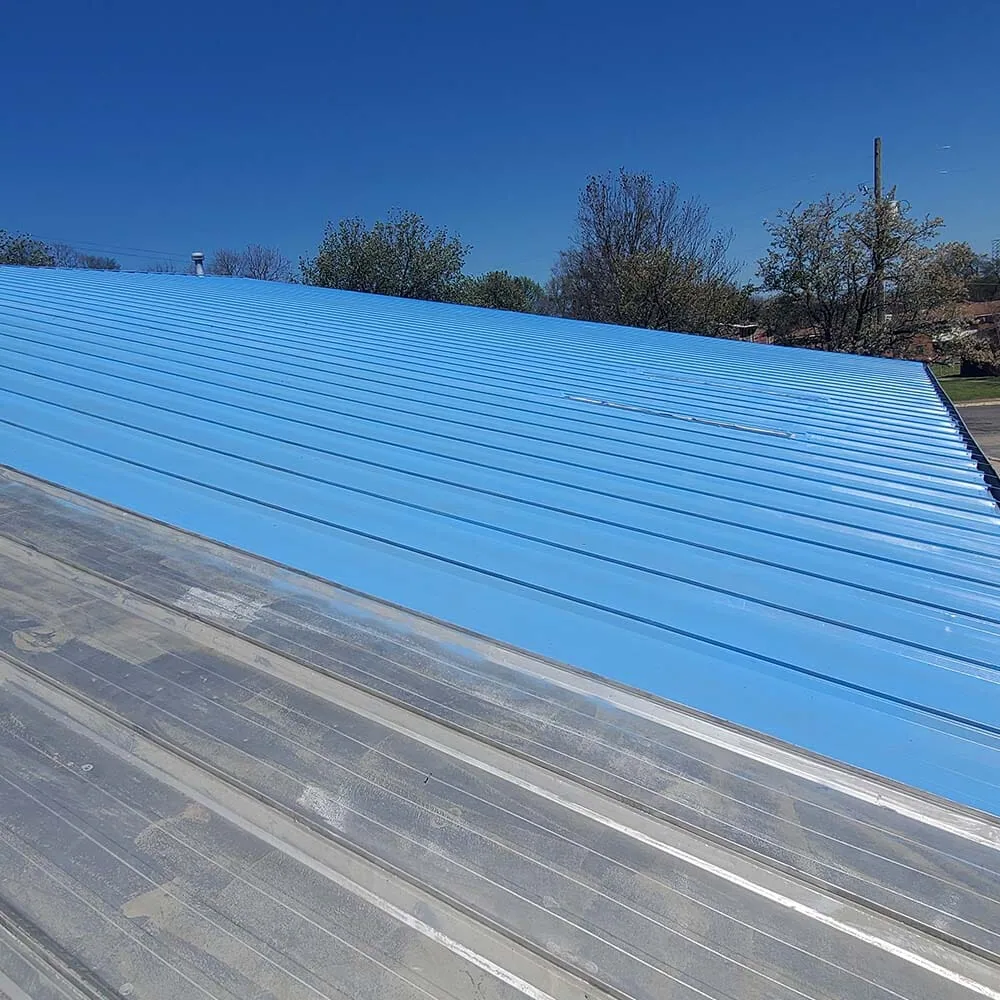
Wind damage can affect several roof areas while the building remains active. We divide work into zones, confirm a safe route to each, and set a daily close-in point that limits exposure if weather changes. The facility contact identifies overhead equipment, truck paths, tenant circulation, and any hours when noisy or hot work must stop. A staged plan names which edge or transition is repaired first and what condition permits handback. When more than one building is involved, each roof has its own access and temporary-protection notes.
Clarksville is served by I-24 and by public routes that include Trenton Road/SR 48 and Warfield Boulevard/SR 374. For a property near the Trenton Road corridor, we confirm the actual gate, staging area, and overhead clearance with the property contact. The route alone does not establish access. An occupied-building reroof plan can sequence repair around the operation, while a mapped condition report carries photographs and open items to the next shift.
Arrange a safe roof inspection and identify any active water entry or displaced material. We check edges, seams, equipment attachments, penetrations, and the path above reported interior damage. If an opening is active, we secure a temporary dry-in and record the area before setting a permanent scope.
The event documents severe wind in the region; it does not establish the condition of a particular property. We inspect the actual roof and photograph observed movement, openings, or damage. The repair recommendation follows those findings, with any inaccessible area or test need stated clearly.
Only after the attachment and surrounding materials are checked. If metal, termination, or substrate has shifted, the repair must restore a secure connection and tie into sound material. We identify the cause and scope before applying a material that could hide continuing movement.
We divide the roof into work zones, coordinate access and tenant routes, and define how each area will be secured before the shift ends. The facility contact receives the daily handback and any remaining restriction. If weather shortens the window, the crew stays inside the last protected boundary.
Widespread uplift, repeated attachment failure, wet insulation, or multiple failed transitions can support a broader evaluation. We map confirmed damage and identify any concealed condition that needs an opening. The facility can then compare localized repair with a replacement scope based on the actual roof.
A local correction can fit when surrounding attachment, membrane, flashing, and substrate remain sound. Broad uplift, repeated edge failures, wet insulation, or multiple previous repairs may justify a larger assembly review. We map the affected area and state what is confirmed, what remains hidden, and whether an owner-approved test opening would change the recommendation. Cost drivers include access, perimeter length, equipment, material compatibility, protection, and the number of work zones. We describe these factors after the roof walk rather than assign a scope from a storm report.
Clarksville's industrial map places multiple employment districts in an I-24, road, and rail context. That geography can shape delivery planning, but the roof condition still drives repair or replacement. If removal is warranted, a replacement scope identifies tear-off, deck review, insulation, flashing, and daily dry-in. A next inspection record identifies the corners, seams, and penetrations to check after the repair. For a tornado concern, a tornado damage review documents the wider roof boundary. The facility receives photographs, work limits, and follow-up points in one roof-specific file.
Share the roof plan, storm timing, and interior reports. We will inspect edges and transitions, secure active openings, and return a repair sequence with access and handback limits.