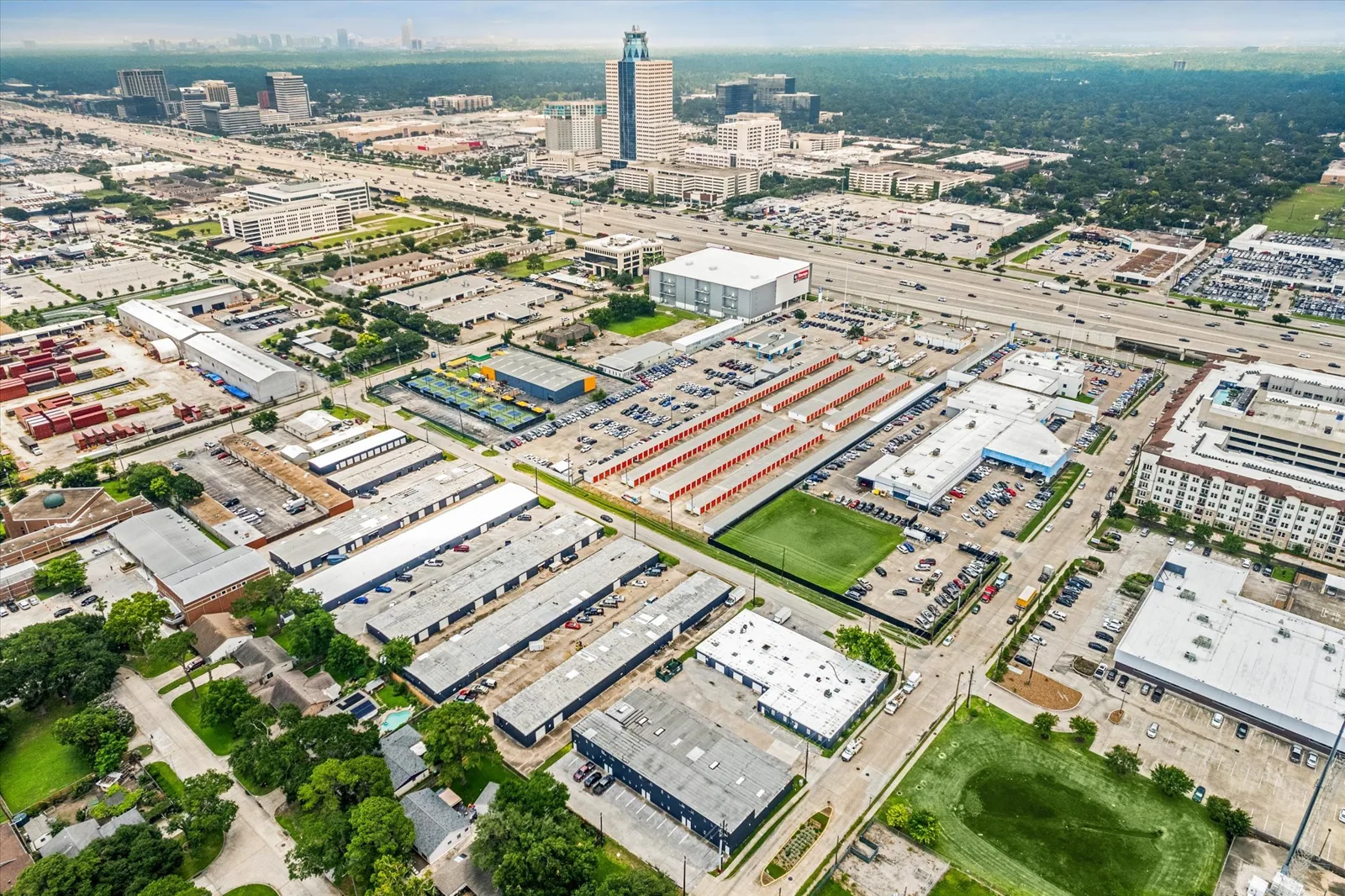
Several roofs can share a portfolio while carrying different conditions and access limits. We build a multi-site program that keeps each building's assembly, condition, access limits, repair history, and next action distinct while giving the portfolio lead a usable schedule. Clarksville's commercial properties are spread across several employment areas and connected by I-24 and local roads. A portfolio calendar can reduce unnecessary cross-town trips, while each building keeps a separate inspection record, access plan, and work zone. We start with the facilities list, roof plans, leak reports, and the person who can open each building.
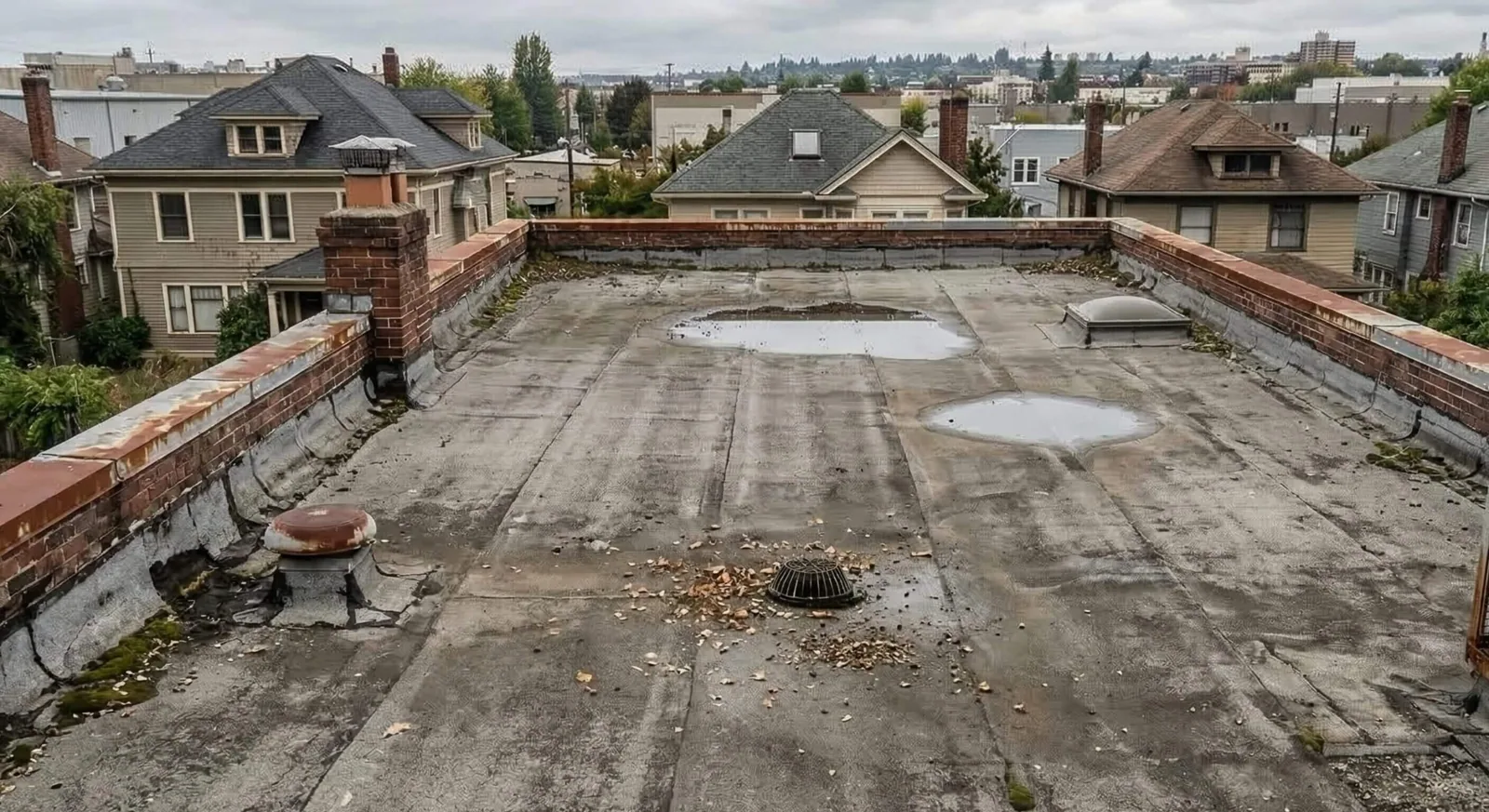
We begin by listing each property, building, roof section, system when known, approximate age if documented, access contact, active concern, and available records. Unknowns stay marked as unknown until a walk or document resolves them. One warehouse may have a different membrane, drain layout, and loading schedule from an office or medical property in the same portfolio. Keeping those details separate prevents a repair history from following the wrong building and makes it easier to identify where the next inspection will produce the most value.
For route planning, use the county industrial map to group appointments, then confirm each stop against the facilities list and current access contact. A district-level map cannot replace the site address or roof plan. A roof asset record can hold the portfolio fields, while a condition report preserves the findings for one roof. Facilities in South Park or elsewhere in the market receive site-level labels, photographs, and open items.
Set the work order from observed risk and operating impact. An active opening, loose perimeter detail, repeated leak, or drain obstruction may need attention before a roof with routine wear. We compare recent reports, interior calls, and the consequence of delaying each action. A portfolio summary can show the priority and due date, but the supporting notes should identify the roof section, photograph, access contact, and condition that led to the decision. If a finding depends on a test cut or infrared scan, place that investigation ahead of a permanent scope.
Clarksville's warm, rainy season makes a forward-looking inspection calendar useful for drainage and exposed details. The calendar sets a review interval; only the inspection record establishes whether a roof needs work. A scheduled roof inspection can update the record, and a moisture survey may focus testing where evidence points. In an industrial district, site access and shift changes still set the usable visit window.
Build a calendar around the facility's operating hours, safe access, crew travel, and the preparation needed for each roof system. A roof with a secure ladder and a clear route may be inspected in one visit; a locked area, escort requirement, or overhead work restriction can change the sequence. We confirm the roof access plan with each site contact, group nearby stops where practical, and leave time to document the day's findings before moving to another building. The schedule also marks when emergency response can interrupt planned work.
Interstate 24 serves as Clarksville's principal regional highway connection, and the city identifies Wilma Rudolph Boulevard/US 79 among its main thoroughfares. Those routes help organize travel, while each property supplies its own gate, staging area, and contact. For a property near Wilma Rudolph Boulevard, we do not assume that corridor access establishes roof access. A phased occupied-building plan can preserve tenant circulation, work-zone boundaries, and daily handback points when several roof sections need attention.
Consistent fields make the portfolio easier to review, but the work method must fit each assembly. We record membrane or panel type when known, edge details, drains, penetrations, attachment concerns, prior repairs, and the evidence behind the recommended action. The owner can then compare work scopes on a common basis without assuming that a coating, patch, or replacement applies equally to every roof. If a project changes an assembly or insulation, the design team checks applicable code and project requirements before the schedule is approved.
Before a portfolio scope changes an assembly, have the design professional confirm the applicable review path for that project. A common dashboard can flag the question, but it cannot authorize a detail across unlike roofs. We capture the questions that need design review and keep them with that site's scope. For a metal roof, a panel and attachment review follows the system details; for a membrane roof, a TPO assessment records seams and transitions. The portfolio report keeps unlike systems from being reduced to one generic condition label.
We use common record fields while keeping roof system, condition, access, photographs, and work history specific to each building. The portfolio summary shows priorities; the site file supports the decision with the observation and its location.
Start with the facilities list, roof plans, recent leak reports, prior repair records, and site contacts who can arrange access. We mark missing information rather than infer a roof type or condition, then schedule the walks that will resolve the most important questions.
Travel can be arranged around broad areas such as North Park, East Park, South Park, or a roadway corridor. Each visit still needs its own property approval, access route, and roof record; area grouping does not establish access to a building.
An active opening moves into immediate triage. We secure the affected area, document temporary protection, and notify the facility contact about the handback boundary. The portfolio schedule then records any permanent repair or follow-up inspection separately.
It should show the roof area, repair date, materials recorded, photographs, items closed, and anything that remains for monitoring or testing. We also set the next inspection or maintenance date so the same condition can be checked without relying on memory.
After each inspection or repair, update the roof record with dated photographs, closed items, open questions, and the next review date. A portfolio lead should be able to see which roofs have active water entry, which repairs are complete, and where a test remains pending. We use the same status language across properties while retaining the actual observation and location. If a repair is temporary, the record names the protection boundary and the permanent-work decision still outstanding. That avoids treating a secured opening as a completed roof repair.
The EDC employer directory spans education, distribution, manufacturing, health care, government, and commercial operations in Clarksville. Different building uses can require different access and shutdown windows, so the report pairs each roof task with the site's operating contact. A maintenance schedule can carry recurring drain and edge checks forward, while emergency response handles an active opening outside the planned calendar. We keep roofs in North Park, East Park, and South Park in the same portfolio view without merging their findings.
A program stalls when a report ends without a person or date attached to the next step. We identify the facility contact, portfolio approver, access window, and decision needed for each open item. The next task may be a roof walk, temporary protection, a test cut, an approved repair, or a budget review. If an item is waiting on design input or a warranty response, the record says so and avoids assigning a crew date prematurely. The facility receives a clear daily handback after any roof work, including areas that remain restricted.
For a multi-building portfolio around I-24 or US 79, travel grouping can make the calendar practical, but the field record stays building-specific. We review open items with the portfolio lead, compare the next weather window with the work zone, and set dates that reflect site approval. Use a capital planning review to connect documented condition to reserve timing, and a repair scope to define the actual work at a specific roof. The program is ready for its next cycle when every item has a condition, owner, and follow-up date.
Share the facilities list, roof records, current leak locations, and access contacts. We will group the initial walks by practical travel while keeping every finding, scope, and follow-up tied to its own building.