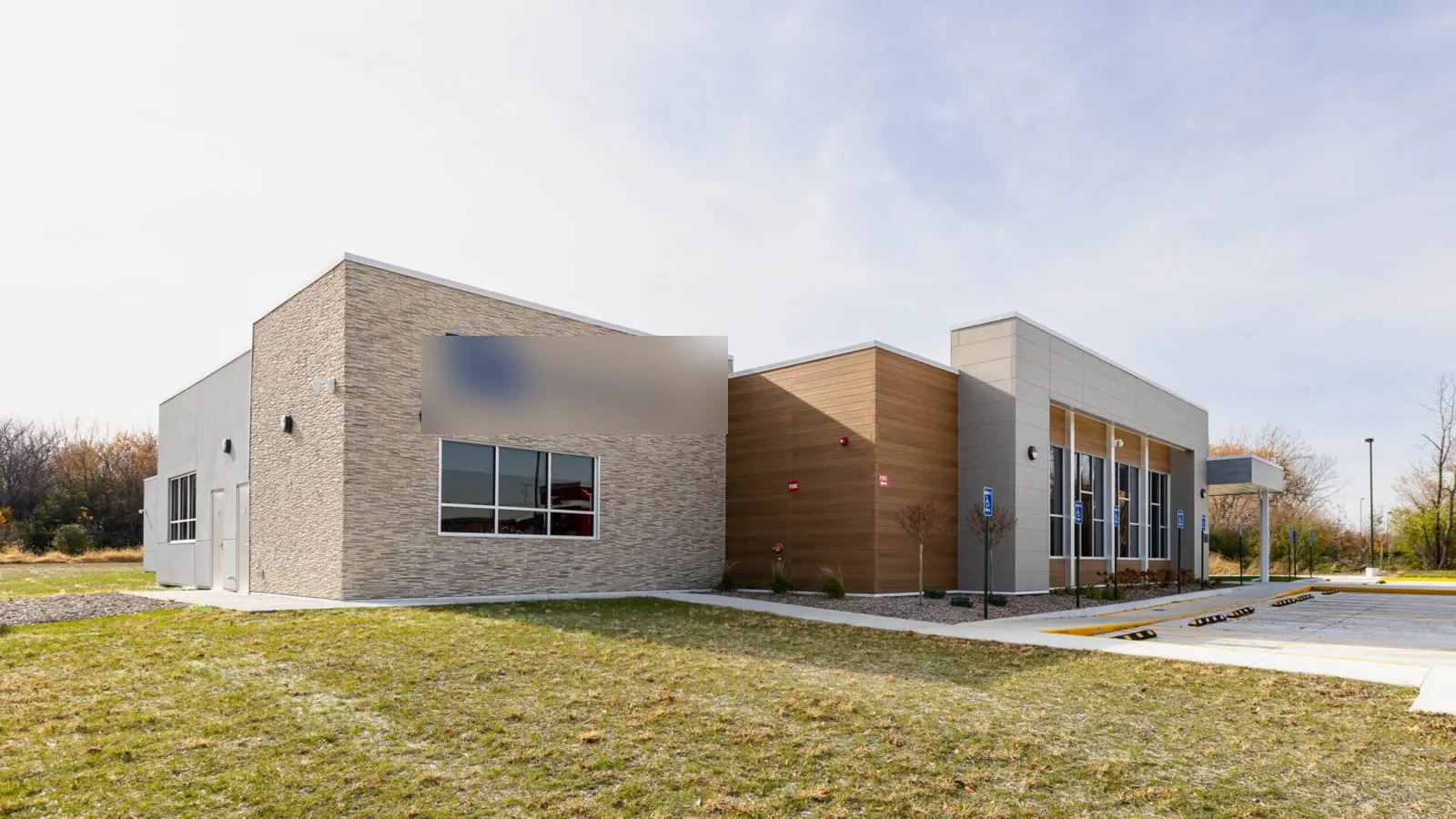
Stored contents can stay exposed to a roof leak long after the first stain appears, so the inspection needs to find the opening and map the affected units. Clarksville rainfall is distributed through the year, including 5.50 inches on average in May and 4.31 in November. We trace reports through the roof assembly, inspect seams, fasteners, penetrations, and drainage, and coordinate access with the property manager. Near Needmore Road or Tiny Town Road, a facility may have a different gate and customer route, but the work plan must protect tenant access while keeping material movement clear. The first scope marks which roof bay is involved and where the crew can safely stage.
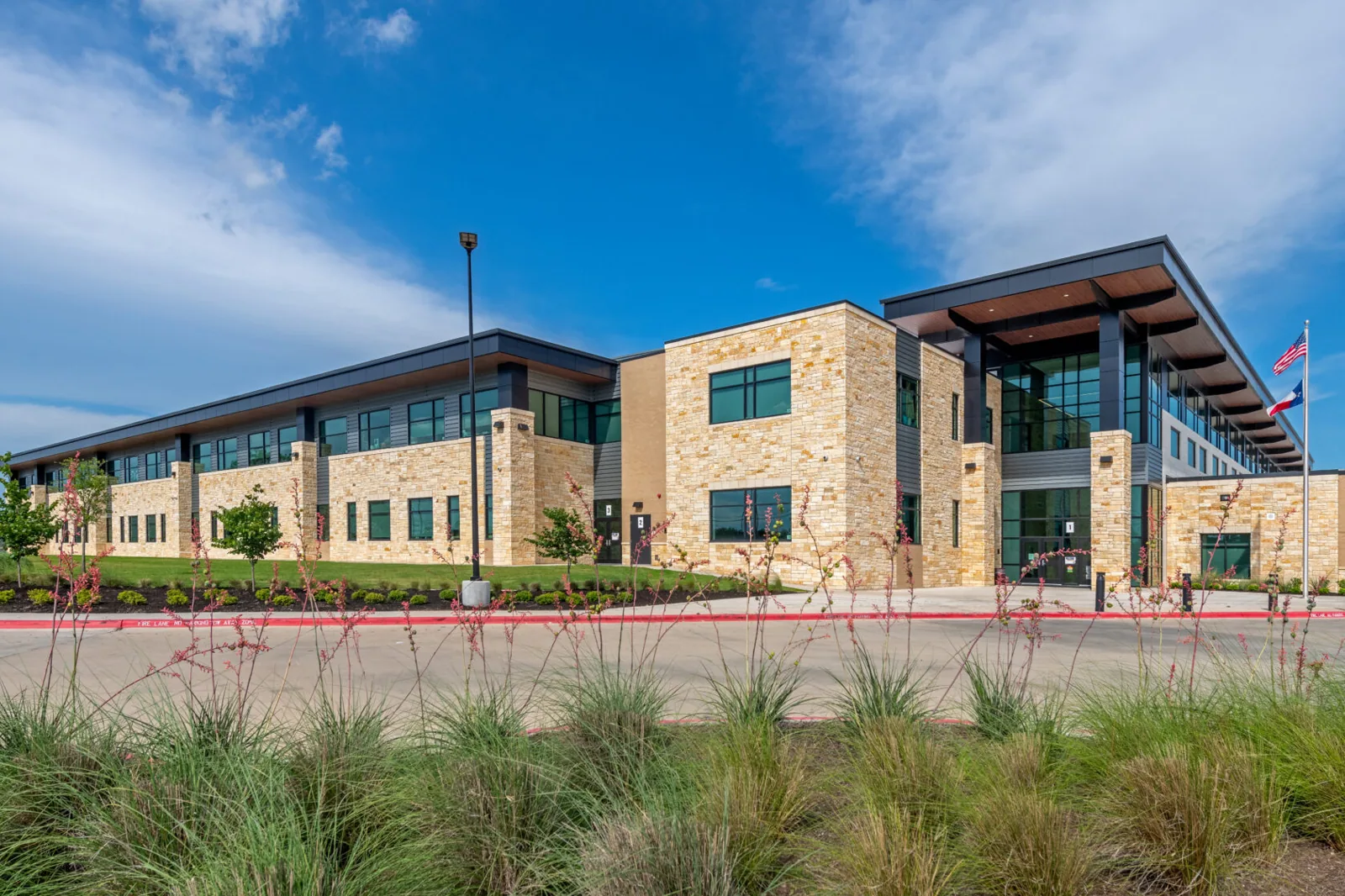
We compare the reported unit, aisle, and timing with the roof area above. Water can move along a deck, purlin, or insulation before it reaches a storage unit, so we inspect the probable path rather than patching above the stain alone. The roof walk checks seams, laps, exposed fasteners, wall transitions, vents, drains, gutters, and roof edges. We photograph the detail and map the roof bay. If surface evidence cannot establish the moisture boundary, we identify where a test opening is appropriate and receive approval before removing material.
Clarksville's May 2024 storm reports included hail in the area, and an EF3 tornado crossed the Clarksville region in December 2023. These records guide an observation of fasteners, seams, and perimeter details but do not prove impact at a storage facility. We document what the roof shows. A hands-on inspection can separate an active opening from deferred maintenance; a photo-based condition report lets the manager connect each repair to a unit row or building section.
Self-storage customers may arrive throughout the day, drive close to unit doors, and move belongings through covered corridors. The property manager identifies gate hours, drive aisles that must stay clear, loading areas, and units with access restrictions. We set lift placement and material staging before work begins, then mark a zone that keeps customers away from overhead work. If a row needs temporary closure, the manager can plan notice and route changes around the repair window.
A large property may include multiple buildings or roof sections with different conditions. We label each area separately so a repair at one row does not become a blanket statement about the site. If work can be divided safely, warehouse-style roof staging or a flex-industrial access plan may help organize loading and shared work areas. The actual storage gate, drive aisle, and tenant path still set the facility-specific boundary.
Rain can enter through a split seam or failed penetration and travel before it reaches a unit. We inspect slopes, wall flashing, drains, scuppers, gutters, and overflow routes, then note where water collects or discharges. Debris at an outlet can push runoff toward a wall or low seam; a surface patch will not correct a blocked drainage path. If the roof has ponding, we record its location and determine whether the concern is outlet maintenance, slope, insulation, or a combination that needs further review.
Clarksville's rainfall normals show substantial precipitation in both May and November. The roof sequence therefore includes a secure dry-in point, a plan for keeping outlets open, and a check after the weather changes. Near Needmore Road and Tiny Town Road, those corridors provide local reference points, not a forecast for one property. Coordinate drain and scupper service with the roof repair if outlets or overflows need work. A maintenance visit can also record debris, seams, and flashing before the next leak report.
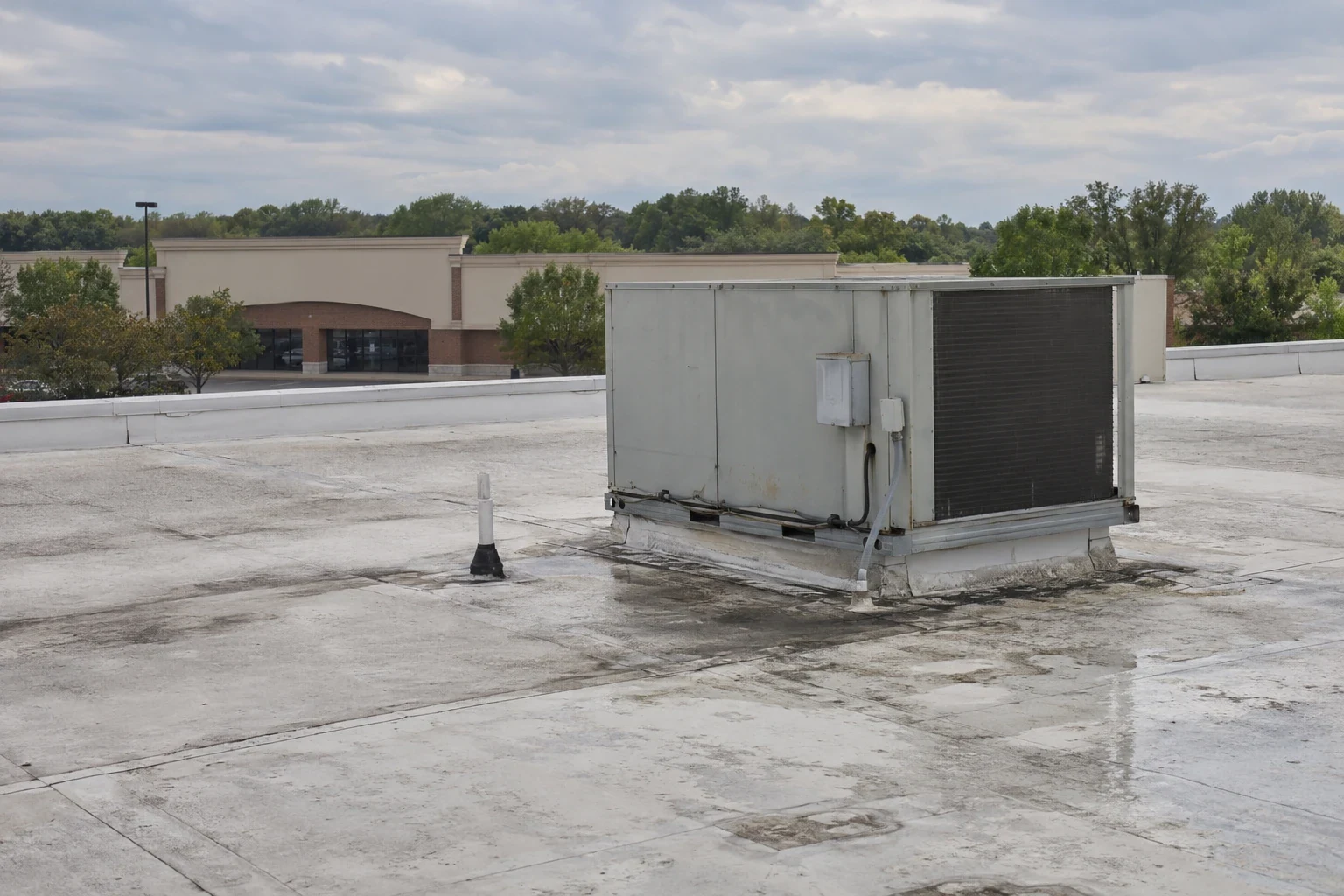
A localized opening with sound membrane nearby may support a repair. Widespread seam failure, repeated leaks across bays, wet insulation, or deteriorated metal can call for a larger review. We map the observed defects and distinguish them from areas that need an opening to confirm the condition. The written proposal states what is removed, how the replacement material ties to the existing roof, and how a hidden deck condition will be handled. It also identifies the access route, tenant notice, protection below, and dry-in boundary.
Replacement timing can be affected by roof access, unit occupancy, material delivery, equipment, and the amount of insulation that needs removal. We discuss those drivers without putting a price on an uninspected roof. A defined repair scope can be compared with replacement planning using the same roof-area map. If the assembly and substrate support another layer, we evaluate recover eligibility instead of assuming that option is available.
We start with the unit and timing reported by the manager, then compare that location with roof seams, wall transitions, penetrations, and drainage above. Water can travel before it appears indoors. Photographs and a roof-area map show what is confirmed; if the moisture boundary remains unclear, we identify a test opening before expanding the repair.
Often the work can proceed with a defined drive aisle or roof zone reserved for the crew. We coordinate gate hours, lift placement, material staging, tenant notice, and emergency access with the property manager. If a row must close temporarily, the sequence states the limit and the expected handback instead of restricting the whole property.
No. A regional weather report provides exposure context, while the repair decision follows conditions observed at the facility. We inspect seams, fasteners, flashing, and interior reports, then document any impact or opening. Localized damage may be repaired; broader deterioration or wet insulation may justify a replacement review.
We check penetrations, seams, drains, wall transitions, gutters, and the path that runoff follows across the roof. A blocked outlet or failed flashing can affect units well away from the roof opening. The scope maps the confirmed leak area and identifies any adjacent condition that needs testing or maintenance.
The closeout should include the roof bay, repair limit, photographs, materials, temporary protection status, and any follow-up check. We also state which drive aisle or row is returned to normal access. That lets the manager connect the roof record with the original tenant report and direct a later inspection to the right area.
The closeout identifies the roof bay, work completed, materials used, photographs, and any unit row or access lane affected during the shift. We note temporary protection and the next inspection point. The manager can keep that record with the tenant report and compare it if water appears again. If another trade needs the roof, the map shows which seams or penetrations were repaired and where access should remain clear.
Needmore Road and Tiny Town Road are local corridor references, but customer entry and staging are set by each facility's actual gate and drive pattern. We confirm those conditions during the walk. After repair, a next visit can check the tie-in, drain path, and nearby roof details following rain. The useful next action is to pair a roof map with a current tenant report, then select a work zone that protects stored property without closing more units than necessary. The manager can retain a photo of the tenant route and roof-zone boundary so later access changes do not leave a crew staging beside an occupied unit.
Arrange a Clarksville roof walk with the property manager. We will trace the reported leak, confirm customer and crew routes, and prepare a repair scope with a defined dry-in and handback.