Summer heat and recurring rain make the daily dry-in point matter for work along Fort Campbell Boulevard (SR 12) in Clarksville, TN. The corridor is a public arterial that runs from Dover Road (SR 76) to the Kentucky state line. That route description helps identify the broad service area, not a particular building, roof type, entrance, or staging area. We confirm the property with its owner, inspect the accessible assembly, and set a work zone that matches the occupied schedule. The first decision is what can be safely opened and secured before weather or building operations require a handback.
We start with the facility contact, roof plan, access route, and any interior report. At the surface, the walk follows the perimeter, seams, penetrations, curbs, drains, and transitions between roof sections. On a low-slope membrane, we look for open laps, pulled flashing, punctures, and an edge that has lost attachment. On metal, we check panel laps, closures, fasteners, and penetrations. A stain below gives us a location to trace, but the actual water path must be followed above it. We photograph findings by roof area and separate what is visible from what requires an opening.
The road name does not tell the facility director what is installed overhead. A roof walk on Fort Campbell Boulevard remains specific to that property, with the roof access plan, safe reach, and any restricted area recorded. If a loose perimeter detail needs temporary protection, we identify the dry-in point and what must be checked before permanent repair. A hands-on inspection can document the assembly, while a Dover Road corridor visit uses the same building-first access check at its own property.
Clarksville's 1991 through 2020 normals place mean July and August temperatures at 79.4 and 78.7 degrees Fahrenheit, with rainfall in both months. On a roof, heat affects surface preparation and material handling; rain affects how much assembly can be exposed before close-in. Those city averages do not substitute for the forecast at the work site. We check actual conditions, choose a manageable repair boundary, protect drainage, and define when temporary cover must be inspected. If conditions shorten the shift, the crew stays inside the last secure point rather than leaving an open edge.
The facility contact also helps identify hours that cannot move. A delivery route, loading period, or tenant circulation may set a separate limit from the weather window. We mark the work zone on a roof plan, keep drains clear, and state the daily handback point before material is removed. A rapid response for an active opening can secure an exposed area while a permanent detail is prepared. We record the temporary protection separately so a later visit can confirm whether the opening was closed as intended.
A repair works only when its limits reach stable material. We check whether the visible defect continues past the first seam, whether the adjoining flashing is loose, and whether the substrate remains firm at the proposed tie-in. If the condition is isolated, the scope can identify a local patch or flashing correction. Repeated separation, wet insulation, or an attachment problem across several zones may call for a broader assessment. We state what is confirmed and what a test cut would answer before that opening is approved.
The corridor's southern endpoint is Dover Road, and the mapped route ends at the state line to the north. Those names help a property team orient the area; they do not set a repair quantity. The roof plan and field photographs establish the actual boundary. An itemized repair scope can state materials, tie-in, access, and protection, while a condition report preserves the observations for a later budget review. For another Clarksville corridor, a roof walk near Kraft Street starts from its own mapped route and building access.
Roof work has an indoor boundary. We identify entrances, equipment below the work, fire lanes, receiving hours, and any tenant path that cannot be blocked. A lift or material staging plan is checked with the facility contact rather than inferred from the road frontage. If the building remains open, we break the roof into phases that can be protected and returned separately. Each shift ends with a handback that names the area reopened, temporary protection left in place, and any restriction that continues.
For a property near Fort Campbell Boulevard, the route name does not grant access to a roof or driveway. The owner confirms the exact address, gate instructions, safe access point, and staging approval. When several crews or trades share the site, we identify who controls each work zone and who accepts it at the end of the shift. An occupied-building sequence can coordinate overhead work with daily operations. A separate roof walk near Governor's Square Mall Bypass also depends on its own property contact and approved access.
It identifies a broad public corridor, not one property or assembly. We confirm the building address with the owner, then inspect the actual membrane or metal details, access limits, and roof zones before recommending a repair.
It helps describe the corridor's mapped southern end. The facility contact still confirms the specific entrance, roof access, staging approval, and operating hours for the property being inspected.
We check how far the separation continues and whether material at the edge can hold a repair. If water can enter, we secure the opening within a defined boundary, photograph the temporary protection, and schedule the permanent detail when conditions support it.
A phased repair can fit when the work zone, lift path, interior protection, and daily handback are agreed in advance. We coordinate the sequence with the facility contact and stop at a secure boundary if weather or access changes the work window.
Roof height, access, material compatibility, the length of perimeter work, equipment conflicts, surface conditions, and the area that can be closed safely all affect timing. We record those drivers after the walk, then set a work sequence with a practical close-in point.
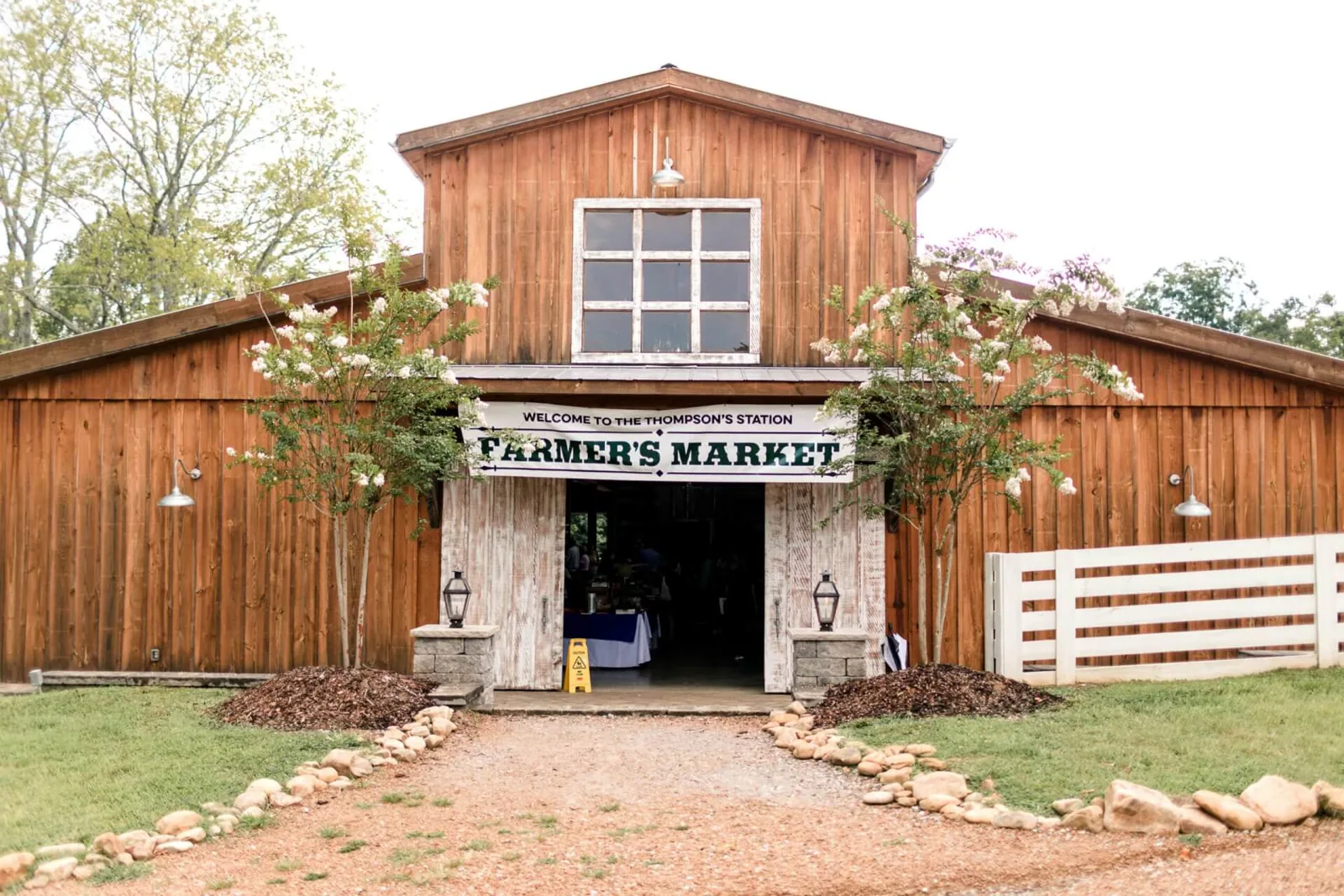
When the crew leaves, the owner should know what was repaired, what remains protected, and what needs another look. We provide dated photographs, the roof-area label, material and tie-in notes, and any open test or approval question. If temporary cover remains, the record gives its boundary and next inspection point. We review the returned area with the facility contact and confirm that access paths and drainage were left in the agreed condition. That record gives maintenance staff a clear start for the next roof walk.
The Fort Campbell Boulevard corridor is one arterial route in the Clarksville market. A property's roof condition still comes from its own assembly and field observations. Keep earlier repair notes with the roof plan, then compare the same edge, seam, curb, or drain on the next visit. If replacement or recover is under consideration, the record should identify layers and details that need more testing before a final scope. The next step is a roof walk with the facility contact, recent leak locations, and enough time to check the work area before the schedule is set.
Share the property's roof plan, access contact, operating hours, and active leak locations. We will document the assembly, set the work-zone limits, and return a repair sequence with its weather and handback points.