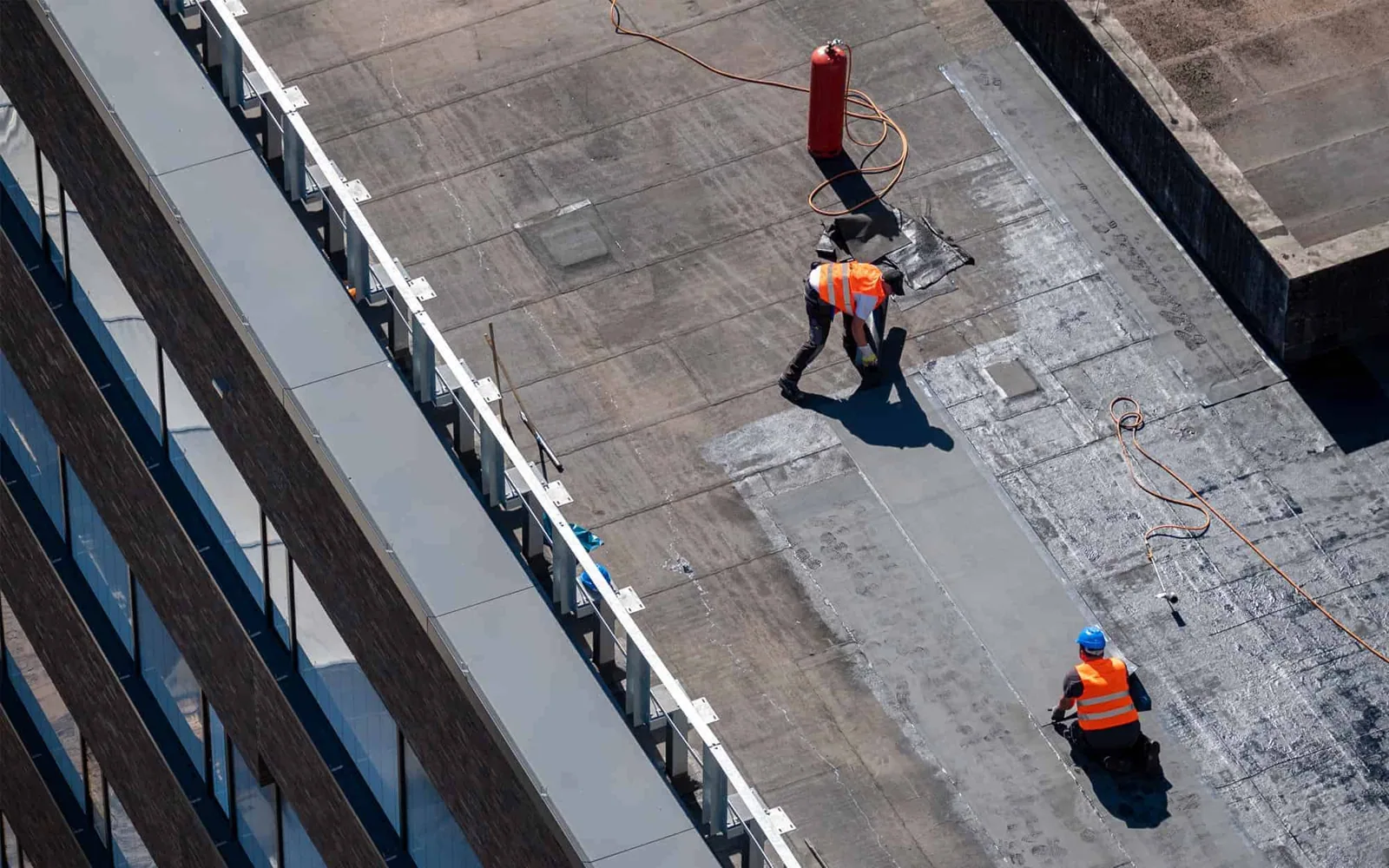
Scheduled roof work has to fit between Clarksville's warm, rainy months and the hours a building stays occupied. A maintenance visit gives the facilities lead a repeatable look at drains, seams, flashing, roof edges, penetrations, and areas where equipment service creates foot traffic. We clear accessible debris, note changes, and separate a repair item from a condition that only needs monitoring. That is useful for buildings in North Park and along Trenton Road, where property operations and access routes differ from one roof to the next. The program should leave the next shift with an exposure record, photographs, and a clear repair sequence, not a general statement that the roof was checked.
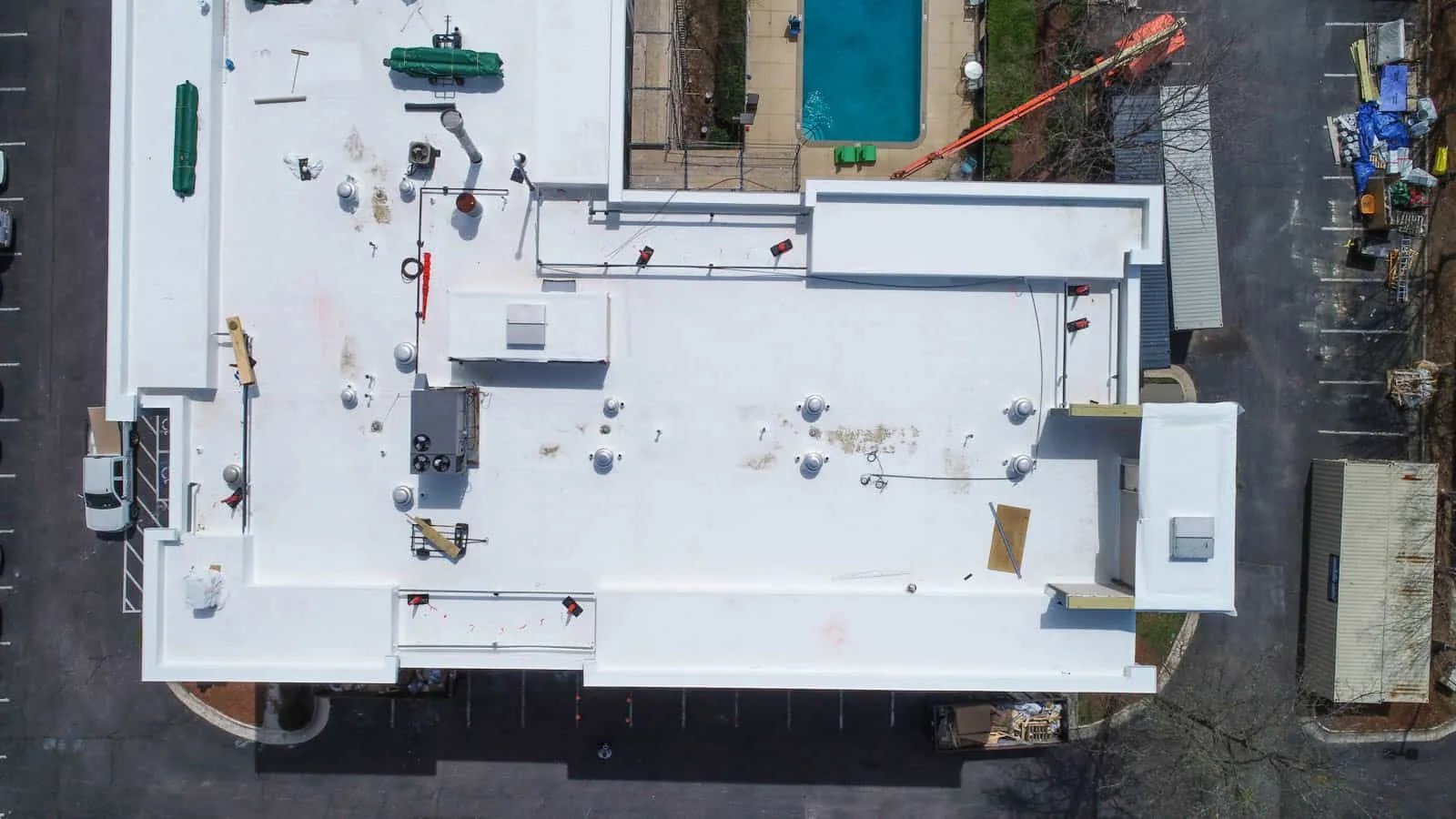
Maintenance timing should follow roof condition, building use, and the details that are most likely to interrupt operations. We review prior leaks and repairs with the facility contact, then walk accessible areas in a consistent order. The route covers drains and scuppers, seams, penetrations, perimeter metal, equipment curbs, skylights, and rooftop traffic paths. We photograph conditions that changed since the last visit and record any area that could not be safely reached. The facility team can then schedule roof work before a small opening becomes a ceiling interruption.
May and November average 5.50 and 4.31 inches of precipitation in Clarksville, respectively; preventive visits can use that seasonal pattern to prioritize drains and verify temporary repairs. The schedule should leave enough time to clear drainage paths and secure repairs before wet weather, while avoiding assumptions that one seasonal visit fits every building. A distribution property may require access around loading activity; an office or clinic may need quiet hours and interior coordination. We set the work zone and daily handback with the person who manages those constraints. A hands-on roof inspection can establish a starting condition, while a photo-based condition report keeps later visits tied to the same roof areas.
Water that collects around a drain or scupper can expose a membrane to longer wetting and make an active defect harder to distinguish from a drainage problem. We remove accessible debris, check the opening and nearby seams, and look for a drain bowl that sits above the surrounding field. The visit also checks that downspouts are connected and that roof traffic has not left loose fasteners or punctures. A drain that does not clear needs a repair decision, not repeated clearing alone. We mark what was cleaned and what requires a separate scope.
In North Park, Clarksville's industrial geography includes multiple properties near roads and rail, but those broad district conditions do not tell us what is on an individual roof. We inspect each building's drainage path and note equipment, penetrations, and wind-facing edges that may need periodic attention. If a roof uses TPO, EPDM, modified bitumen, or metal, maintenance must respect its installed details. We avoid applying an incompatible sealant or coating to make a visit look complete. A documented drain and scupper repair or edge metal adjustment can be scheduled when inspection finds a specific defect.
Rooftop equipment work, delivery times, and tenant circulation can make a maintenance route safer at one hour than another. Before the visit, we confirm roof access, keys or escort needs, ladder placement, and any equipment that must remain on. The crew works in a defined zone, keeps drains clear of removed debris, and notes when a space is returned. If a repair needs a shutdown or a lift, the facility contact receives that request before the next visit is booked.
Clarksville's main roadway network includes Trenton Road and Wilma Rudolph Boulevard, but arrival at a property depends on its own entrance and receiving plan. We coordinate the route with the building contact instead of relying on a street name to infer access. For a roof serving an active business, the daily handback identifies any temporary protection left in place, the area closed for the next phase, and the contact who can release access. A preventive program can be linked with roof asset records so several buildings keep separate photos, tasks, and follow-up dates.
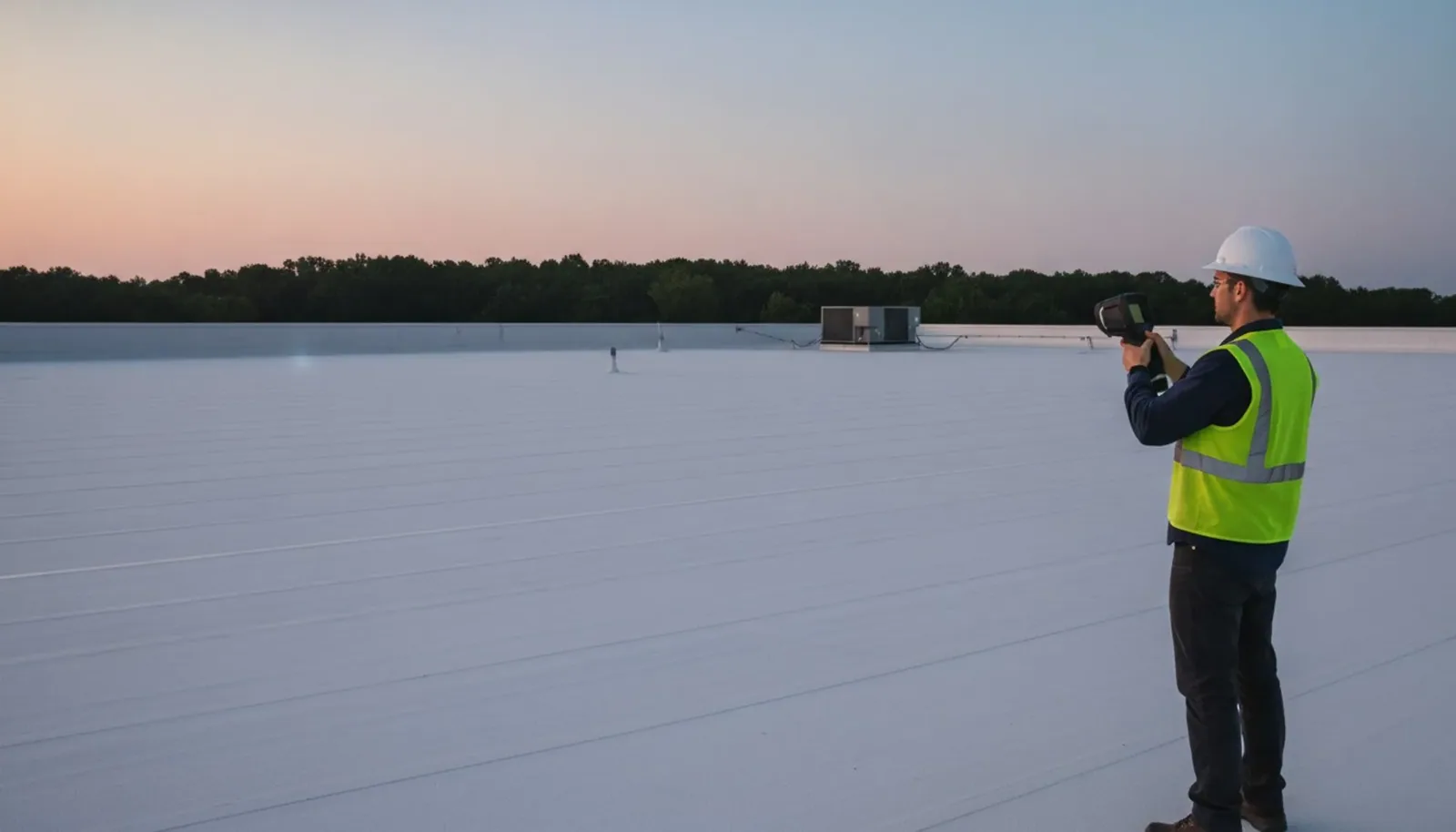
At the end of a visit, each finding should have a location, photograph, condition, and next action. We sort items into urgent water control, repair to schedule, maintenance to complete, and observation for the next inspection. If a seam has opened, the repair scope identifies the affected run and tie-in. If a drain is obstructed, we note whether the obstruction was removed or the drain itself needs work. The owner can approve one repair or group related items into a planned work window.
A maintenance history also shows when a recurring issue changes character. A repaired curb that stays dry is different from a seam that reopens after rain. We compare visit notes with a commercial roof repair or a roof asset record and note what should be checked next. For service coordination near North Park or along Trenton Road, we confirm the building's operating hours and access contact. The program remains useful when facilities staff can hand the record to another shift and identify the exact roof area without a new walkthrough.
Each visit can also set a practical comparison point for the next one. We use the same roof-area names in photographs and work notes, record which drains were cleared, and call out any sealant or flashing that changed after a repair. A facility lead can then route a follow-up without sending a new person to search the full roof. Where several departments share access, the record should name the contact who can release the work zone and the part of the roof that remains restricted.
We check accessible seams, membrane, flashing, edges, drains, scuppers, curbs, skylights, and roof traffic areas. We clear reachable debris, photograph changed conditions, and identify repairs separately from monitoring items. If an area cannot be safely accessed, the report names it and explains what access is needed next.
A visit can find open details, blocked drainage, or damage before more water reaches the building. It cannot promise that a concealed condition or future storm will not cause a leak. We document observed defects, complete approved repairs, and give the facility a follow-up point for the next inspection.
We agree on roof access, staging, loading times, equipment restrictions, and the work zone with the facility contact. Visits can be arranged around sensitive shifts when weather and safe access permit. A daily handback notes the area checked, any temporary measure, and the next work window.
The report identifies the defect, roof area, and recommended action, with photographs that support the scope. We can price the repair separately from routine maintenance so the owner can approve it without mixing the tasks. If opening the area reveals wet insulation or deck damage, we stop at a safe boundary and review the added work.
Yes, we can schedule a portfolio while keeping each roof's findings, photographs, and repair history distinct. The facility receives a building-level task list and planned access dates. That makes it easier to assign urgent work without assuming that one property's condition applies to another.
Schedule commercial roof maintenance in Clarksville. We will coordinate roof access and occupied hours, inspect the key details, and return a task list with photographs and follow-up timing.