Before work begins along Rossview Road, the facility needs a sequence that closes each roof zone before the crew moves on. The SR 237 arterial runs from Warfield Boulevard to Interstate 24, giving dispatch a broad corridor reference. It does not establish the roof assembly, property entrance, or condition at a specific building. We confirm those details with the site contact, inspect the affected area, and set a daily close-in boundary that protects the occupied space below.
At the roof edge, we inspect coping, fascia, terminations, fasteners, and the transition from membrane to metal. A loose edge can admit water or lift further under wind, but the field still needs a separate check. We trace seams, penetrations, curbs, and wall flashing around the reported area and photograph conditions that can change the repair limit. A commercial roof inspection organizes those observations by zone, with the roof sketch and interior report kept together.
If an edge detail is open, we determine whether the metal, cleat, or substrate can accept a secure repair. A surface bead alone may hide a loose attachment without restoring it. We identify what must be removed, what remains sound, and whether a test or destructive opening is needed before setting quantities. A coping and edge-metal scope names the perimeter detail and its tie-in so the facility can review the work before materials are staged.
At penetrations and equipment curbs, we check flashing height, terminations, movement, and the path water can follow beneath a loose corner. An opening may need temporary protection before permanent work can proceed. We mark which detail has been observed and what is still concealed, then keep the inspection boundary visible to staff who use the roof after the crew leaves.
Clarksville's rainfall series assigns May the larger average, 5.50 inches, and November 4.31 inches; precipitation is not seasonal. We plan roof exposure around the forecast, surface condition, and time needed to finish the tie-in. Compatible materials are staged before removal; the crew opens only the area it can protect and close. At the end of each shift, drains remain clear and the work zone has a named handback point.
Wind or hail reports call for photographs of edges, seams, penetrations, and nearby surfaces before a repair is selected. For an active leak, our commercial repair response starts with safe access, a defined temporary control, and a written return point before permanent work is scoped. The temporary cover, its boundary, and the return check remain separate from replacement work. That distinction gives the owner a record of what was stabilized immediately and what still needs a roof-specific decision. We also identify whether the cover changes how water reaches a drain or overflow path. If an interior ceiling or equipment area remains at risk, the facility contact approves the protection boundary before the crew leaves. A return check verifies that the cover and tie-in have not shifted.
A repair can stay local when nearby membrane or metal is stable and the new detail can attach to sound material. We identify the removal limit, substrate preparation, flashing, and final tie-in. Multiple weak edges, recurring leaks, or moisture in separate areas may require a broader review. A replacement sequence should account for daily close-in, material movement, protection below, and how long each space can be unavailable.
Recover may be an option when the existing roof layers, deck, drainage, and attachment support another assembly. We inspect those conditions before proposing a restoration alternative or overlay. If moisture or deck condition changes the basis, the scope identifies the test and approval point. The owner can compare a limited repair with a phased capital project using the same zones, photographs, and operating restrictions.
July's Clarksville mean is 79.4°F, with August at 78.7°F; both months register average precipitation. Heat and moisture conditions affect installation readiness, adhesive work, coatings, and the time before a tie-in can be covered. We follow product instructions and check the actual surface before opening additional sections. Schedule depends on that close-in path as well as access and the building's occupied hours.
Rossview Road meets Warfield Boulevard at one end and Interstate 24 at the other. These endpoints orient the service area; the property contact decides the actual gate, roof hatch, lift position, truck route, and staging area. We confirm overhead restrictions, delivery windows, fire lanes, and tenant circulation before mobilization. If a loading bay must remain open, the plan identifies where materials can arrive without crossing active operations.
Work on an occupied property needs a clear sequence below as well as above. We define barriers, interior protection, noise windows, and the person who accepts each daily handback. A phased occupied-roof plan can keep different roof zones in service while the crew completes and checks each tie-in. The site contact receives the work boundary and knows where access is restricted during the shift. We also name the person authorized to approve a changed staging area if deliveries or tenant circulation shift during the day.
For a facility reviewing more than one building, a photo condition report keeps observations, test results, and open items on the correct roof. A later maintenance walk can then compare edge movement or drainage with the same marked locations instead of starting from an unlocated leak report.
Perimeter metal, membrane seams, and penetrations fail in different ways. We document each detail, then show whether the repair can stop at a sound tie-in or needs testing beyond the visible opening.
It orients dispatch only. The facility contact confirms the entrance, hatch, truck path, lift position, staging limits, and hours when tenant or loading circulation must remain open.
Materials and tie-in preparation are staged first, and the open zone stays within the crew's close-in capacity. We preserve drainage and document the temporary boundary if permanent work must wait for suitable conditions.
Repeated movement, similar failures in separate zones, or moisture beyond the edge can justify a wider survey. We map the added area and approval step before testing or removal expands the scope.
The closeout identifies the work limit, photographs, materials, test results, unresolved conditions, and next inspection point. The handback also names the contact who received the roof and interior area.
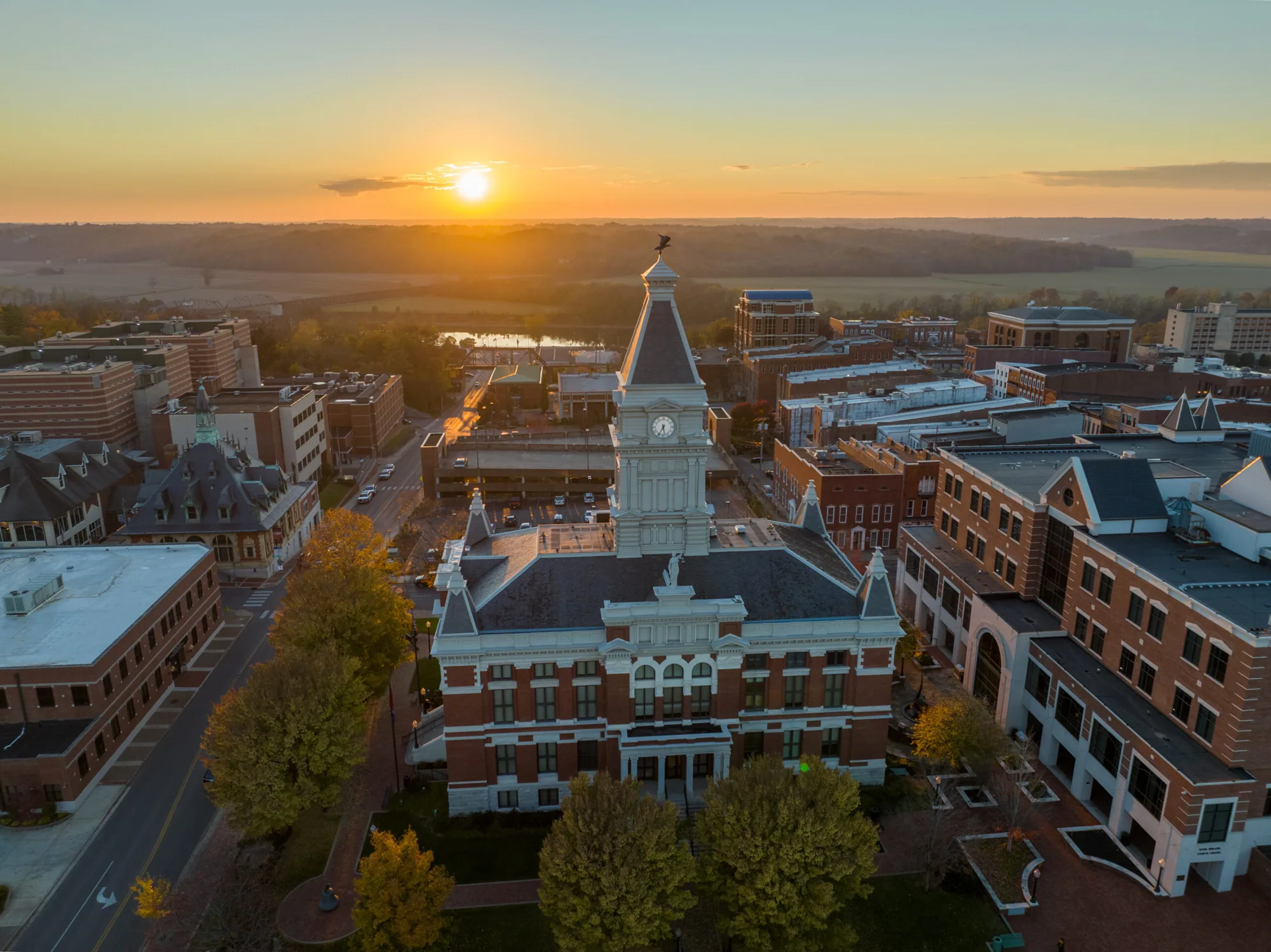
Closeout confirms the edge attachment, flashing, drains, and completed tie-in. Photographs show the finished boundary and surrounding details, while notes identify materials, tests, and any inaccessible area. We state what remains outside the approved scope and who receives the update. This record gives the facility a next inspection point and keeps a later change separate from the work completed today.
Warfield Boulevard is one mapped endpoint, and Fort Campbell Boulevard is among Clarksville's main thoroughfares. Those routes help orient dispatch; the roof record stays tied to the property contact, assembly, and access plan. If the survey finds a broader issue, we identify the additional zones to inspect and the evidence needed before changing price or schedule. The owner can then decide whether to maintain, repair, or phase replacement without an open-ended work area.
Send the property location, roof plan, reported condition, and occupied hours. We will confirm access, document the edge and field details, and return a phased repair or replacement scope.