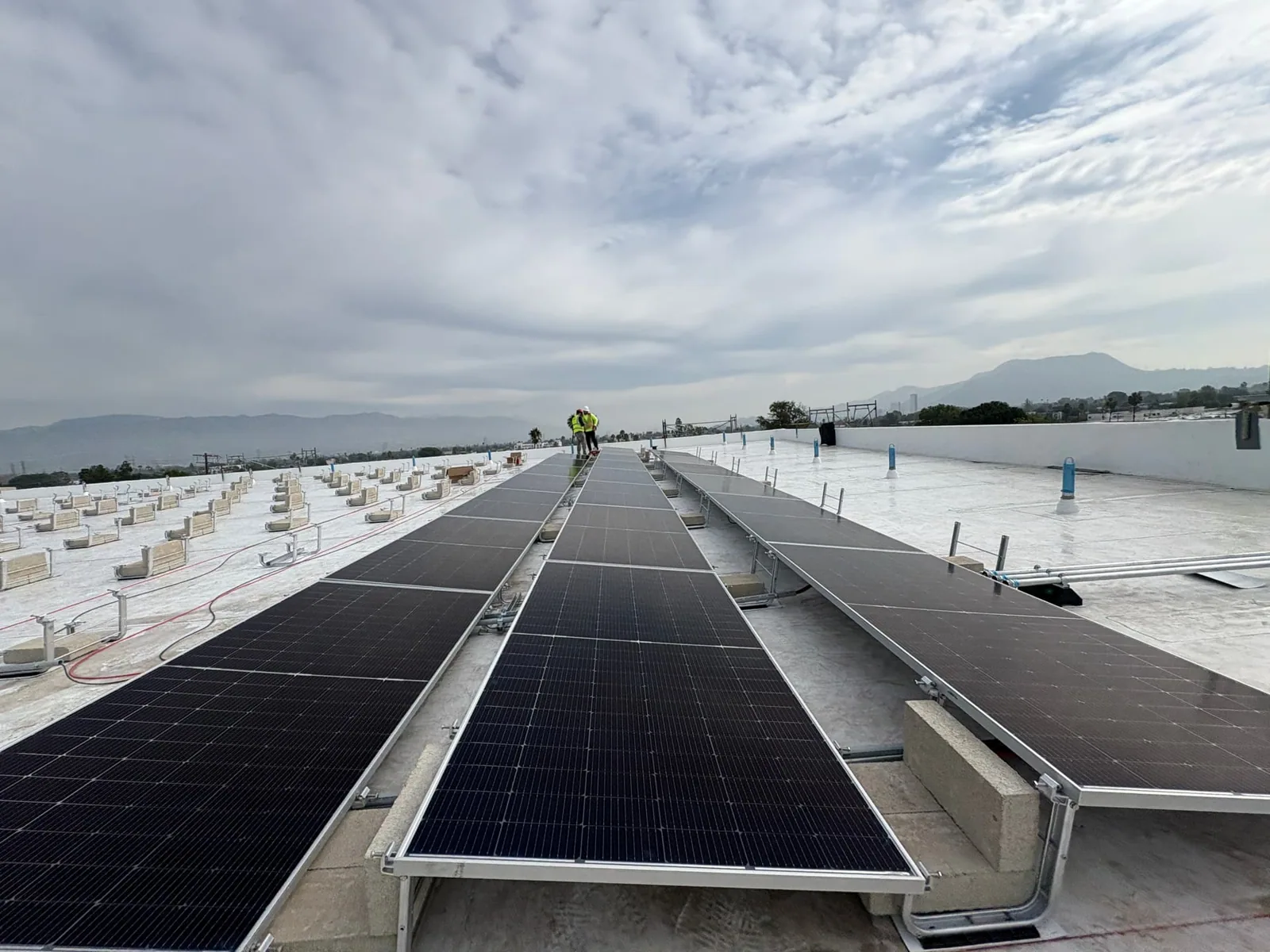
Clarksville's summer roof exposure deserves a closer look when the facility is also managing rain, equipment, and interior comfort. The city's July and August normals reach mean temperatures of 79.4°F and 78.7°F, while May averages 5.50 inches of precipitation. Those figures describe the local climate, not the performance of a specific roof. A reflective membrane or coating can change the roof surface's solar response, but only after we check the assembly, drainage, attachment, and existing moisture. Along Rossview Road or Trenton Road, a commercial building's operating hours may matter as much as the material choice. We compare the roof condition with the owner's goals, then set a practical scope, weather window, and handback plan.
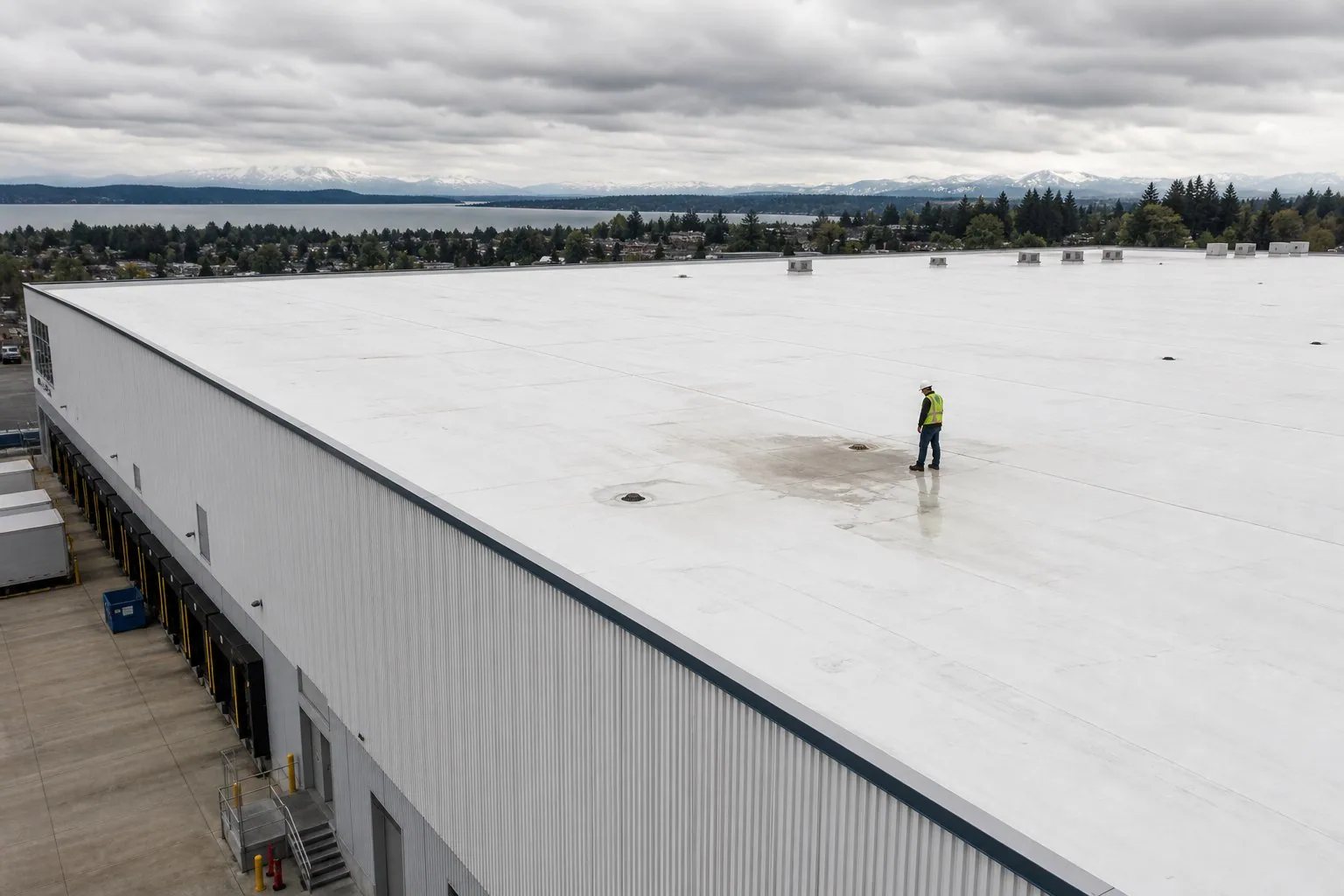
A light-colored membrane or reflective coating returns more sunlight from the roof surface than a dark finish. That can reduce solar absorption at the assembly, but it is not a substitute for sound insulation, air control, or functioning HVAC. We ask what the owner wants to address: rooftop temperature, surface protection, an aging membrane, or a capital project already under review. The answer helps distinguish a cool-roof upgrade from a repair or replacement need. We inspect seams, flashings, drains, penetrations, and previous patches before discussing a finish.
The climate record helps order the inspection. Heat can affect membrane movement and coating cure, while rain influences surface preparation and the time a roof can remain open. We photograph the current condition and map moisture concerns before a reflective system covers existing material. A hands-on roof inspection can establish that baseline; an infrared moisture survey may help target test cuts when the surface does not resolve what lies beneath. No color choice should bury wet insulation or a failed seam.
On a roof with a serviceable membrane, a compatible reflective coating may extend use of the existing assembly if preparation and adhesion are appropriate. That route starts with cleaning, repairs, detail work, and a test area where needed. Replacement may be the better decision when insulation is wet, attachment is failing, seams have widespread defects, or the substrate cannot support a reliable coating. A new single-ply assembly can offer a reflective finish and a defined tie-in at curbs and perimeter edges. We explain what remains, what is removed, and what conditions could change the scope.
Material selection follows the existing roof and building requirements, not a general claim that one surface fits every facility. The project team checks membrane compatibility, drainage height, attachment method, wind exposure, penetrations, and the work schedule. A TPO assembly may be considered for replacement, while an existing surface might call for coating restoration. We document why each option fits the observed condition and note any detail that requires design review.
Reflective materials need a clean, dry surface and a suitable weather window. We sequence washing, repairs, primer or coating, seam work, and final detail checks so moisture or debris does not compromise the bond. The plan identifies where the crew starts, how drains stay open, and the dry-in point if the forecast shifts. For a phased installation, we mark each completed roof area and state what remains exposed or restricted at the end of the shift. The facility receives a daily handback that identifies access routes and any return visit.
An occupied building also needs a plan below the roof. We coordinate deliveries, noise, odor or ventilation concerns, rooftop equipment, and tenant circulation with the facility contact. If a unit must be shut down or a loading lane reserved, that timing belongs in the sequence before material reaches the roof. Near Rossview Road or Trenton Road, we confirm the actual entrance and staging area with the property team rather than assuming the corridor tells us how a site operates. For open leaks, temporary protection may be needed before a broader cool-roof installation can proceed.
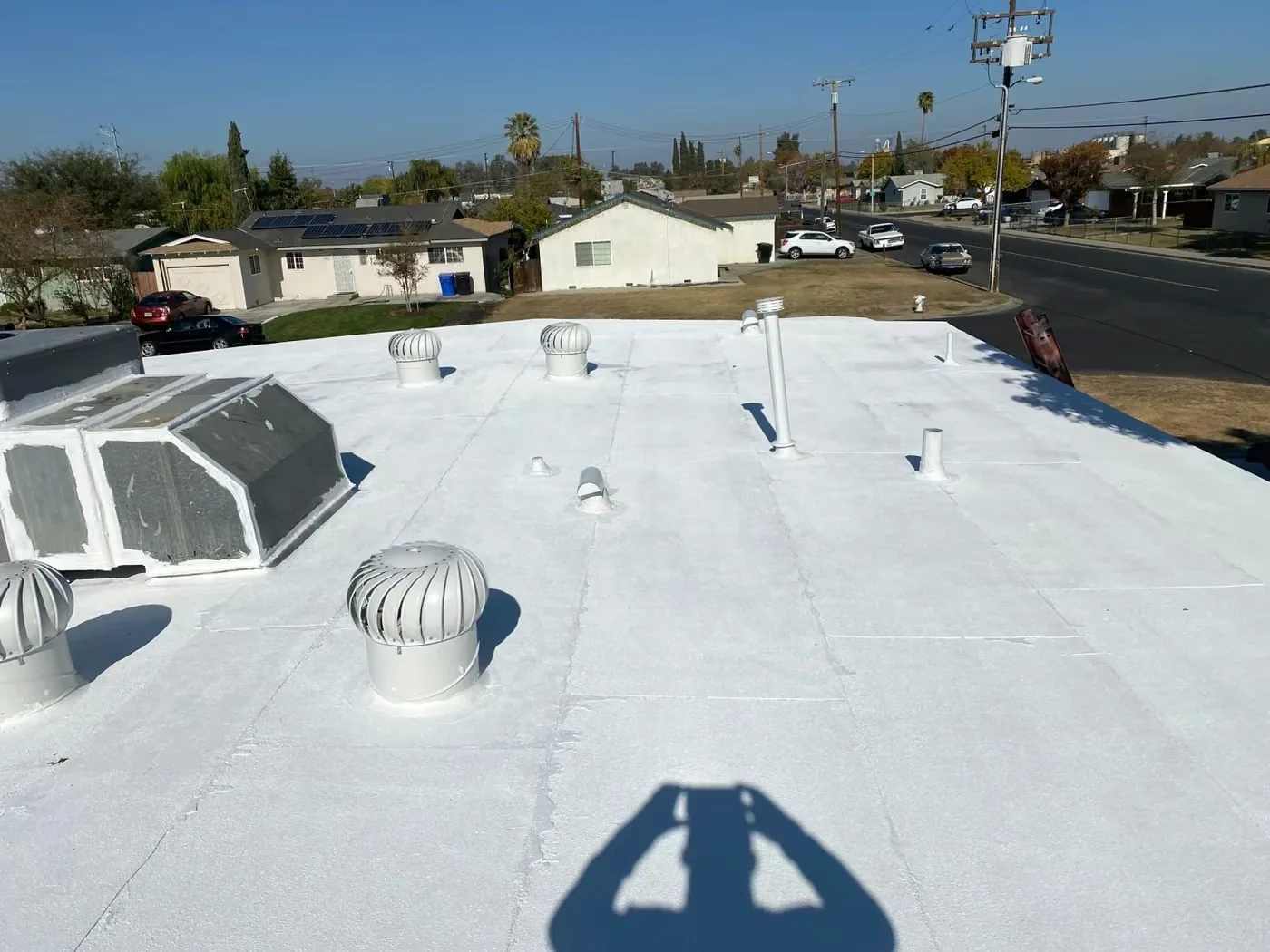
A reflective surface works as part of an assembly, and its perimeter details still have to manage water and wind. We inspect edge metal, terminations, wall flashing, drains, scuppers, and transitions around skylights or equipment. A raised coating can change the finished height around a drain; accumulated layers can also narrow a path that previously moved water. We set the coating or membrane limits so water can reach the outlets and maintenance staff can identify the finished surface. If the roof has ponding or a blocked drain, we separate that work from the surface color decision.
Clarksville's main thoroughfares include Rossview Road and Trenton Road, but neither identifies a roof's assembly or current condition. We use the local context to plan access, then base the system choice on the roof walk and records. Drain and scupper work can be coordinated with the project; edge concerns may need perimeter metal work. If the facility is weighing recovery against removal, compare roof recover eligibility with a full replacement scope.
No. A reflective finish can reduce solar absorption at the roof surface, but indoor conditions also depend on insulation, air leakage, equipment, controls, and operation. We inspect the assembly and discuss the owner's objective before recommending a coating or replacement. If the roof has wet insulation or open seams, those conditions need to be resolved as part of the scope.
The existing membrane, adhesion, moisture, repairs, and drainage determine whether a coating is suitable. We review those conditions, prepare the surface, and may recommend a test area before broader application. If the assembly cannot support a sound coating, we explain the repair or replacement path instead of covering the issue.
Preparation and application need a dry period that fits the selected material. Rain can interrupt cleaning, primer, coating cure, or seam work, so we limit the open area and state the dry-in point for each shift. Drainage remains part of the plan, especially where a new surface changes finished height near drains or scuppers.
We inspect seams, perimeter metal, wall transitions, penetrations, curbs, drains, and visible moisture concerns. The goal is to identify what must be repaired before coating or replacement. The closeout records the tie-ins and finished roof areas so maintenance staff can follow the same locations later.
Often a project can be divided into roof zones, with access, deliveries, equipment restrictions, and daily handback agreed before work starts. Weather and safe dry-in set the size of each phase. We coordinate the sequence with the facility contact so crews do not block tenant routes or leave an area open at the end of a shift.
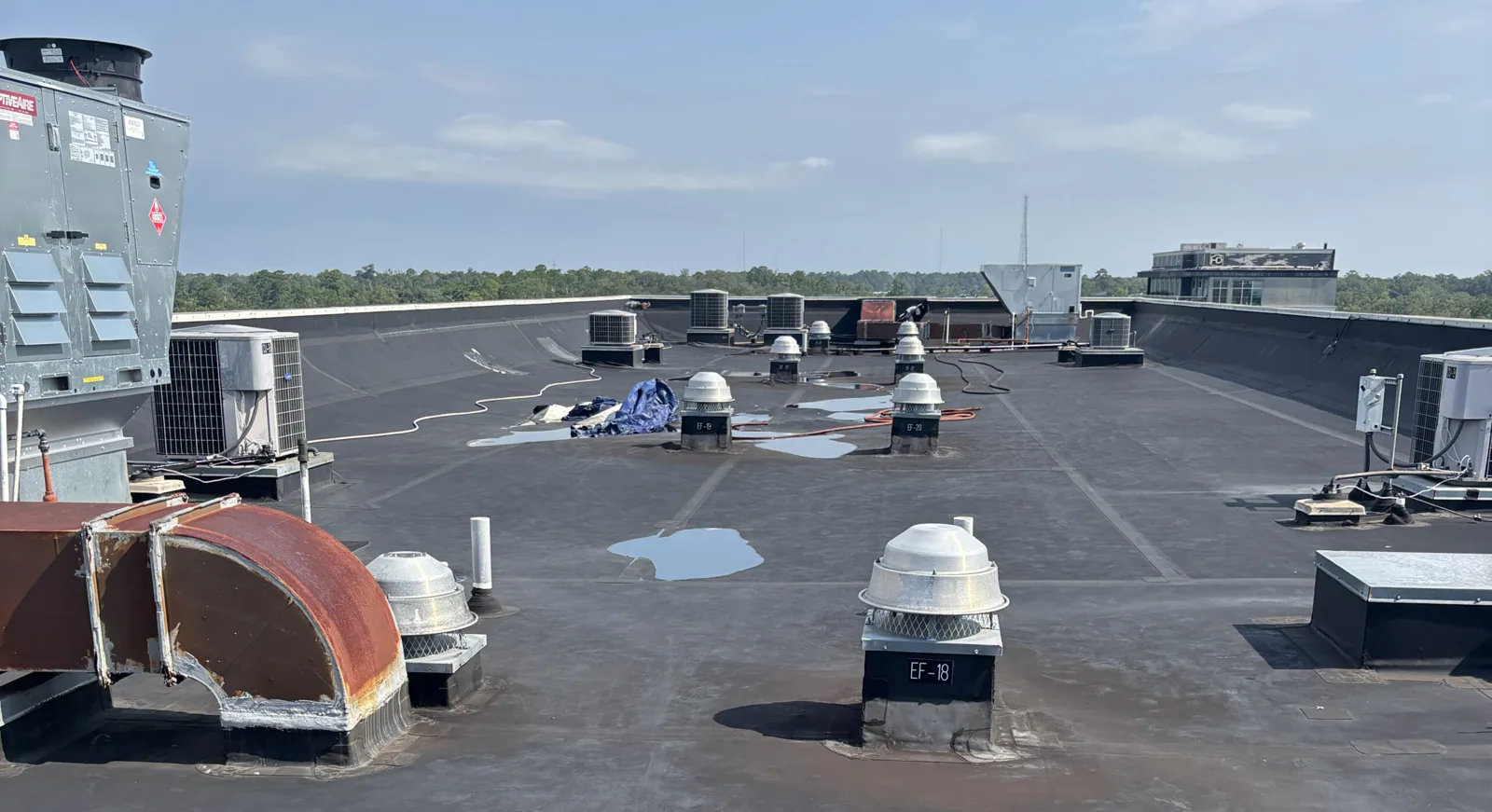
Before work begins, the owner should identify which decision the project needs to support: a repair, a coating, a recover, or removal to the deck. We record existing conditions, proposed layers, transitions, and exclusions in a written scope. If indoor temperature or energy use is part of the goal, the facility can compare its own operating records before and after work; we do not promise a specific utility change from roof color alone. The roof inspection can also record surface condition and drainage at the next maintenance visit.
Clarksville weather has both high summer temperatures and rainfall distributed through the year, so installation timing and future upkeep matter. We provide photos, a roof-area plan, and a sequence with the access and handback points. A facility near Rossview Road or Tiny Town Road receives a building-specific scope rather than a corridor assumption. Schedule a roof walk and compare the existing condition with a photographic condition record before selecting the reflective system.
Schedule a roof walk in Clarksville. We will map the existing assembly, review drainage and equipment details, and prepare a phased scope around your facility's operating schedule.