
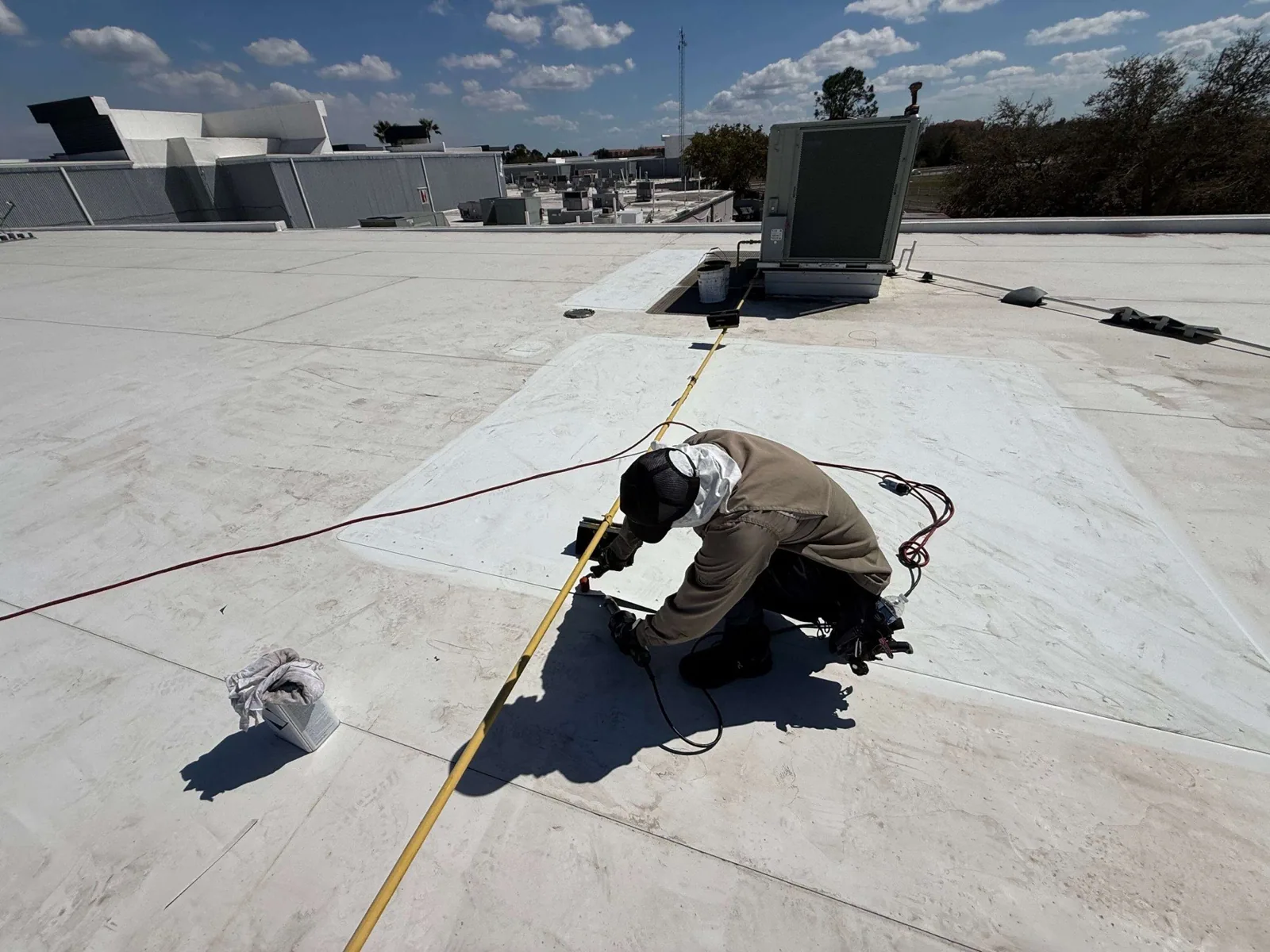
A leak beside a wall or curb does not always begin at the point where water appears indoors. Roof flashing is a transition, and a failure can sit uphill, behind a termination bar, or beneath a layer that looks intact from the access path. We trace the route from the interior report to the roof detail, photograph the transition, and separate confirmed openings from conditions that still need testing. The repair plan names the material, boundary, access needs, and close-in point. For facilities around Clarksville, including multi-property employment areas such as North Park and East Park, the specific roof assembly and wall construction matter more than the district label.
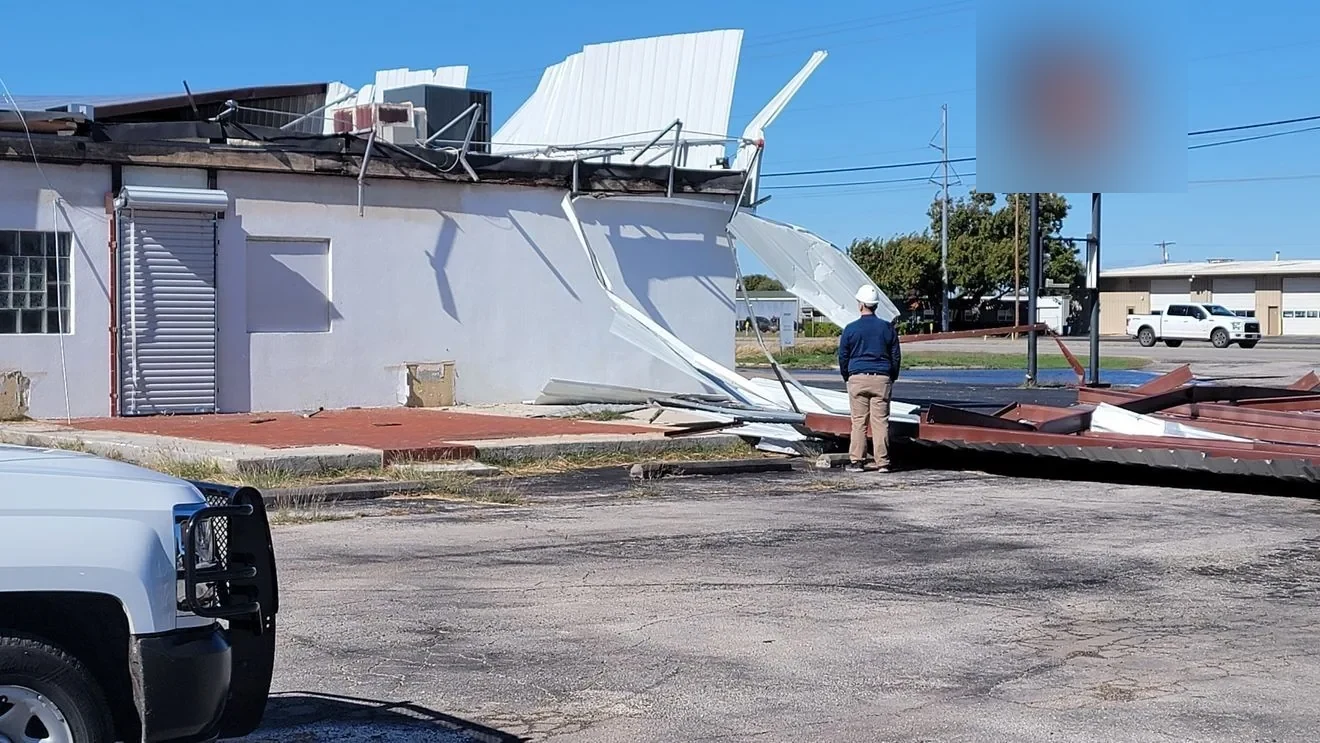
Begin with the interior evidence. Note the room, ceiling stain, equipment, and timing, then compare it with penetrations, walls, curbs, and roof drains above. Water can travel along a deck or insulation layer before it becomes visible, so a straight line from a ceiling mark to a roof opening may be misleading. We mark likely paths on a plan and photograph each transition from a safe working position. A commercial roof inspection can extend the review to adjacent details and establish a condition baseline.
At the flashing, inspect laps, corners, end dams, termination bars, counterflashing, fasteners, sealant, and the surface behind the detail. Look for a split, pull-away, fishmouth, puncture, corrosion, or movement that breaks continuity. The surrounding membrane or metal needs to be sound enough to accept a tie-in. If it is not, the scope must extend to stable material rather than stop at the visible edge. A marked condition report records which items are confirmed, suspected, or inaccessible.
Different transitions need different details. A wall termination may require the flashing to rise behind counterflashing, while a curb needs a continuous wrap and secure corners. A pipe or conduit penetration needs a compatible boot or formed detail sized to its movement. Metal panels, single-ply membranes, and built-up assemblies cannot be treated as interchangeable surfaces. We identify the roof type, existing layers, attachment method, and exposure before choosing a patch or replacement detail.
If the proposed flashing change affects a rated wall, structural edge, or another regulated detail, the project team should confirm the applicable review with its design professional. Our scope documents the existing transition and proposed tie-in. We describe the existing condition and proposed work, and note where design review is needed. If the flashing failure crosses a membrane lap, a seam-failure review can distinguish the transition issue from an open field seam. If the roof is standing seam metal, an assessment of the panel system helps confirm clips, movement, and closure details before the repair is selected.
When water is actively entering, protect the interior and secure the exposed roof area before starting a larger investigation. Temporary cover should extend beyond the opening, resist expected movement, and leave a safe path for inspection. We note the material and boundary, photograph the condition before and after protection, and set the next review. A temporary patch is not evidence that the underlying transition has been corrected. The facility contact should know what remains open, what is protected, and which conditions require another visit.
Our emergency repair response can focus on active openings and interior protection while the permanent scope is prepared. In Clarksville, main thoroughfares include Wilma Rudolph Boulevard/US 79 and Fort Campbell Boulevard/US 41A. Those corridors help orient local service but do not establish a property's entrance or roof access. We confirm gate instructions, staging, and escort needs with the building contact before dispatch.
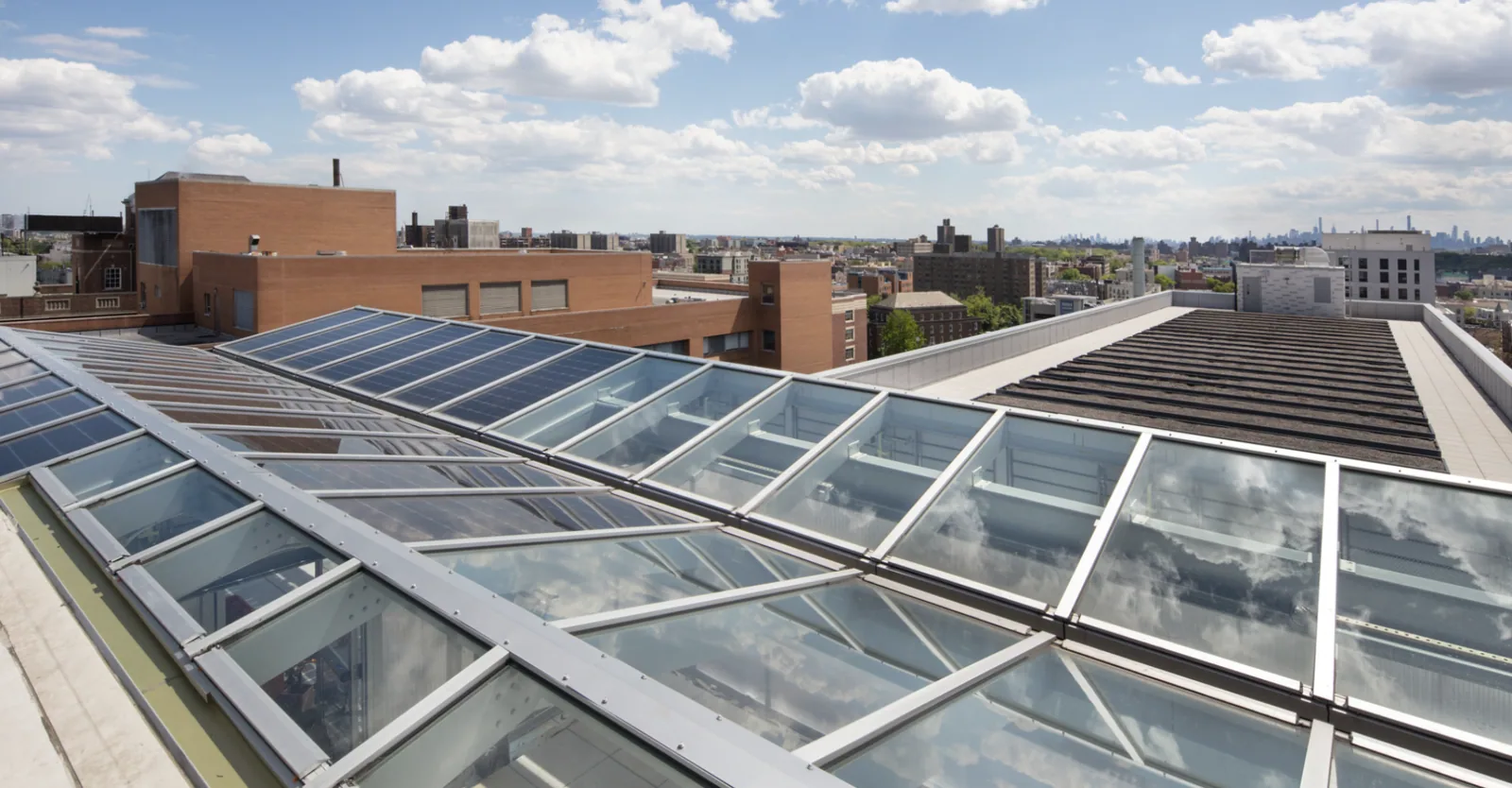
A permanent repair should restore continuity at the transition and connect to material that can hold the detail. We remove failed flashing and loose sealant only within the agreed scope, prepare the substrate, install compatible replacement material, and secure laps and terminations according to the system. Corners, ends, fasteners, and changes in plane deserve close inspection because a small gap can interrupt the entire water-shedding path. If the substrate is wet or deteriorated, the work pauses for a documented decision rather than covering the condition.
Clarksville's climate records show that rainfall recurs beyond a single wet season. The crew therefore sets a close-in boundary from the actual forecast and roof condition, not from a monthly average. If water also collects at the repaired transition, a ponding-water repair review can document the drainage path separately. The proposal lists preparation, materials, tie-in limits, and any testing required to close the repair.
Movement, poor attachment, incompatible materials, aged sealant, corrosion, or an opening in the adjacent roof can all contribute. Inspection should identify the transition and the condition on both sides before a repair boundary is selected.
Not necessarily. Water can travel beneath roof layers or along a deck. We compare the interior report with roof details uphill and around the opening, then mark what is confirmed and what needs further checking.
Only if the existing material and substrate are sound and the system accepts that method. Loose, wet, corroded, or poorly attached material may need removal and replacement to a stable tie-in.
The duration depends on access, weather, roof type, repair extent, and whether hidden deterioration changes the scope. The proposal should set a work sequence, dry-in point, and any decision that could extend the schedule.
A roof plan, photos of the interior stain and exterior wall or curb, access instructions, and the timing of recent leaks help us prepare. Avoid climbing onto the roof unless your safety program authorizes it.
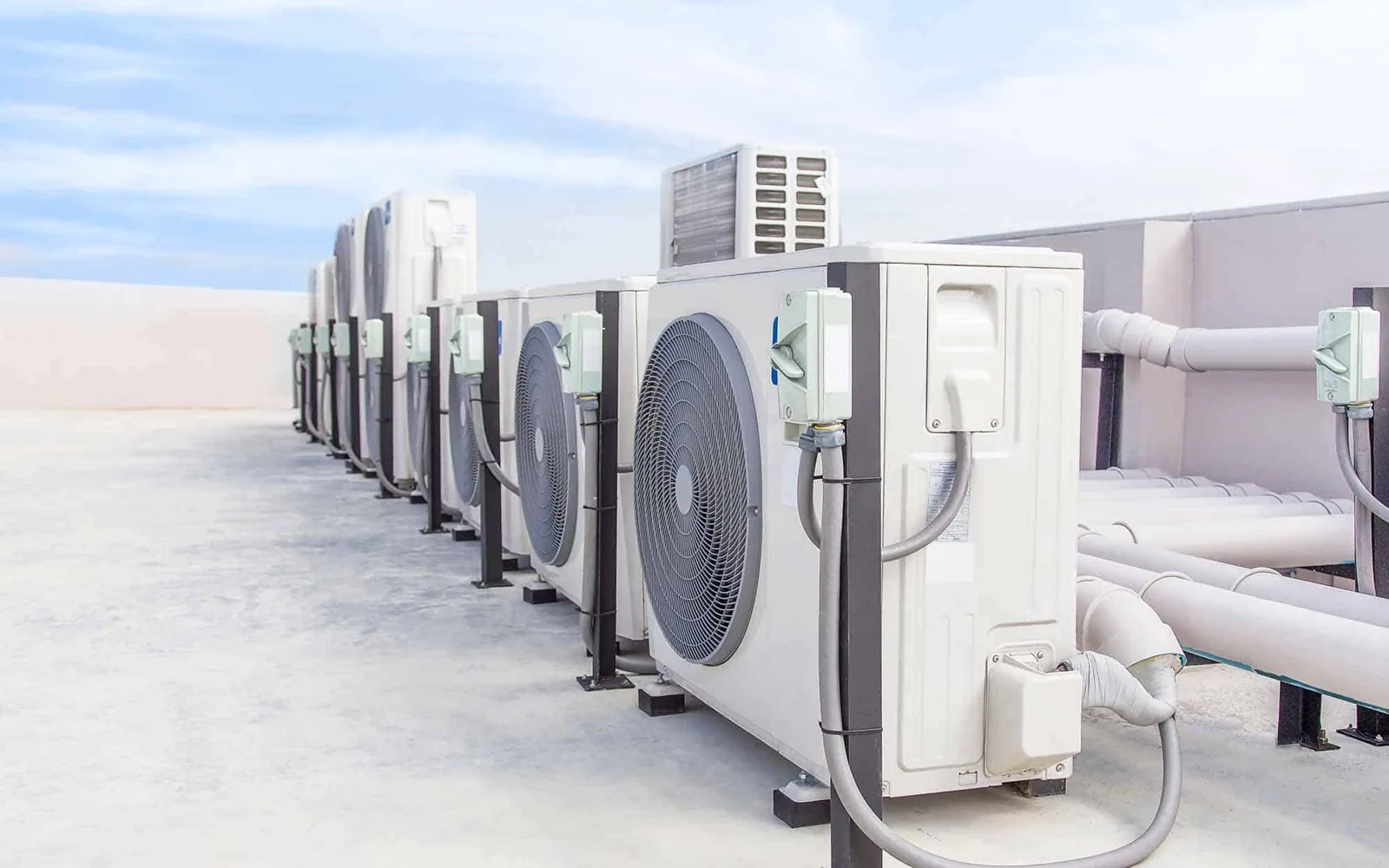
Flashing repairs often happen near rooftop equipment, service ladders, loading areas, or active tenant spaces. Before work starts, confirm roof access, fall-protection needs, staging, equipment clearances, pedestrian circulation, and any hot-work rules. Mark the repair zone and the route the crew will use. If the building remains occupied, agree on noisy periods and the point where each day's work will be watertight. A work plan for an occupied building can help coordinate access and handback when the repair expands across several sections.
For properties near North Park or along the Fort Campbell Boulevard corridor, the actual gate, truck path, and roof access must still be verified on site. At closeout, we share photos, identify the completed transition, and note any adjacent condition that remains outside the repair. The next inspection point should be clear enough for a facilities manager to compare the same corner or penetration later.
Closeout checks the continuity of the new flashing, secure terminations, prepared tie-ins, and the condition of the surrounding roof. We photograph corners and lap ends, record material and installation conditions, and compare the final boundary with the approved scope. If water testing is appropriate for the system, the method and limits should be agreed before it begins. If not, the report can define a later observation after suitable weather rather than claim an unperformed test.
A useful repair record also captures what could not be confirmed. It may call for monitoring, a test opening, or a separate repair if water continues to appear. Clarksville's road network includes routes such as Trenton Road/SR 48 and Rossview Road/SR 237, but geographic proximity does not confirm a roof condition; the mapped transition and interior evidence do. For continued coverage, a preventive maintenance visit can recheck the repaired detail and neighboring drains on an agreed schedule.
Share the leak location, roof plan, and access requirements. We will inspect the transition, distinguish confirmed openings from suspected paths, and return a repair boundary with protection and verification steps.