
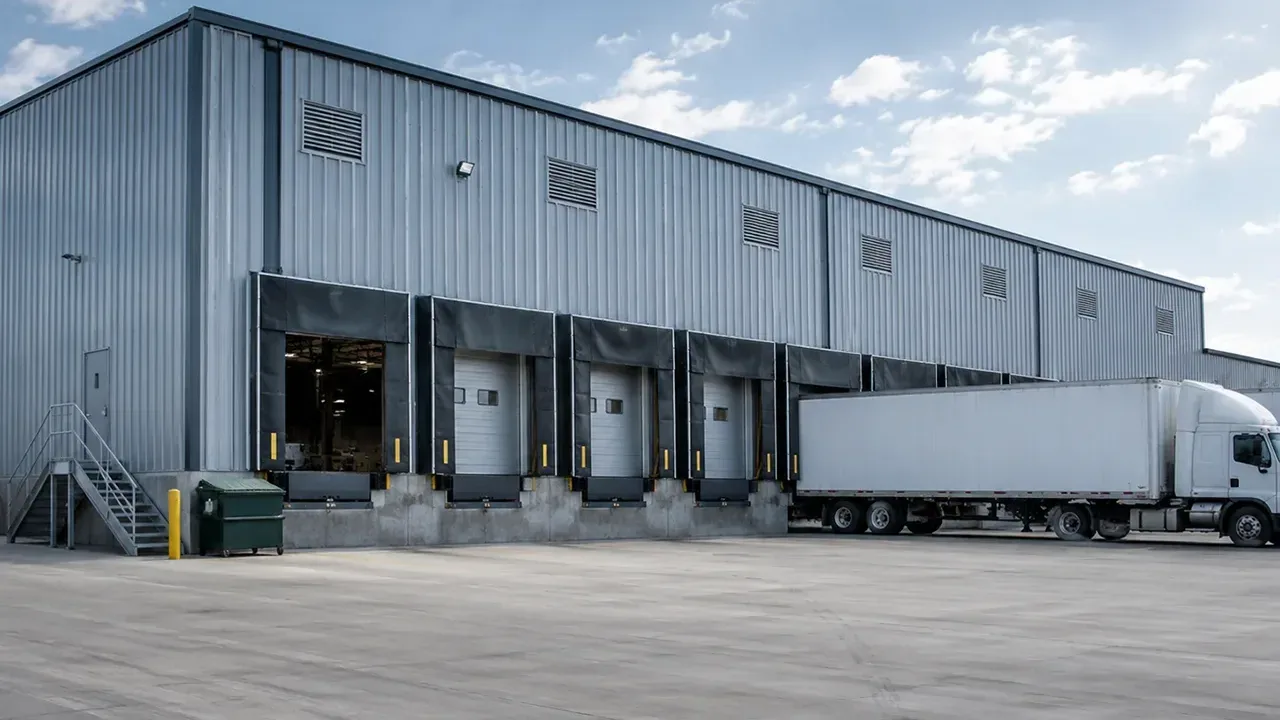
A roof scope can stall a project when the curb, edge, or dry-in boundary sits between trades. Clarksville's rain extends across the year, and warm summer conditions influence installation windows, so the roofing sequence belongs in the look-ahead schedule before a roof is opened. We work as the commercial roofing trade, documenting the existing assembly, tie-in conditions, and access needs for the general contractor. The written scope identifies roofing work, exclusions, and coordination points with mechanical, electrical, and sheet-metal crews. That gives the superintendent a clear handoff instead of an allowance that leaves roof responsibility unresolved.
Before pricing, we review roof plans and field conditions for seams, wall transitions, equipment curbs, drains, edge metal, penetrations, and any prior patch or overlay. We state what is included, what needs confirmation, and where removal may expose a different deck or insulation condition. The scope calls out substrate preparation, membrane tie-ins, temporary protection, disposal, flashing, and who furnishes or resets rooftop equipment.
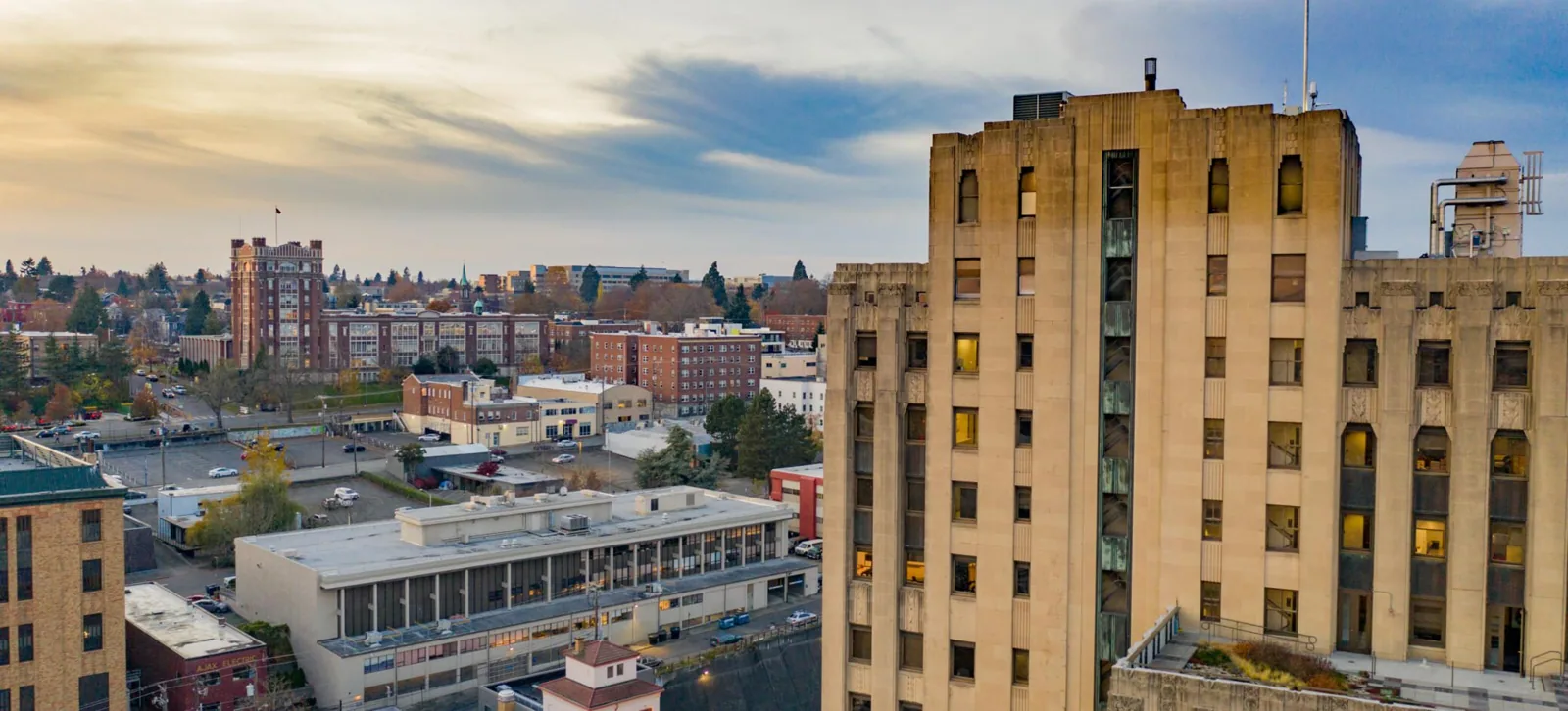
Clarksville's industrial map shows employment districts within road and rail context, and the area includes manufacturing and distribution users. Those facts point to commercial project variety, not a standard roof detail. A manufacturing building coordination plan can help where production access matters, while distribution work sequencing can address dock and freight restrictions. The GC still confirms the project-specific contract set and division of responsibility.
Keep trade assumptions visible in the bid tab: who furnishes protection, who removes abandoned equipment, and who signs off a new curb before membrane is installed. A short written answer can prevent roof work from waiting on an undefined interface.
Roofing and mechanical scopes often meet at a curb, support, duct, or new penetration. We review dimensions, attachment, flashing height, and water flow around each item before the roof crew starts. If equipment must move, the schedule names who disconnects and resets it, who protects the opening, and who checks operation afterward. A new curb should not be placed until its support and roofing detail are coordinated.
Clarksville's roadway plan lists Rossview Road and Fort Campbell Boulevard among the city's main thoroughfares. Those corridors may help orient deliveries and lifts, but a project site controls its own gate and staging. We coordinate with the superintendent on crane access, roof loading, material path, and tie-off before mobilization. A curb and support scope can spell out that trade interface, while the roof edge and drainage transition should be confirmed in the field.
Clarksville's climate normals record average precipitation through the year, including a high monthly value in May and another wet period in November. A phased roof opening must be sized to the area the crew can dry in before the shift ends or the forecast changes. We agree on the secure point, temporary cover, and inspection responsibility. If other trades need the roof exposed for a penetration or equipment set, the sequence identifies when roofing returns to complete the tie-in.
The NWS also documents a tornado that crossed the Clarksville area in December 2023 and hail reports from May 2024. Those regional events make edge, flashing, and impact inspection relevant during repairs, but they do not establish conditions at a construction site. The field record should show what was found. A roof walk can confirm the substrate and detail before a change order, and storm-related repair work should stay limited to observed conditions and approved scope.
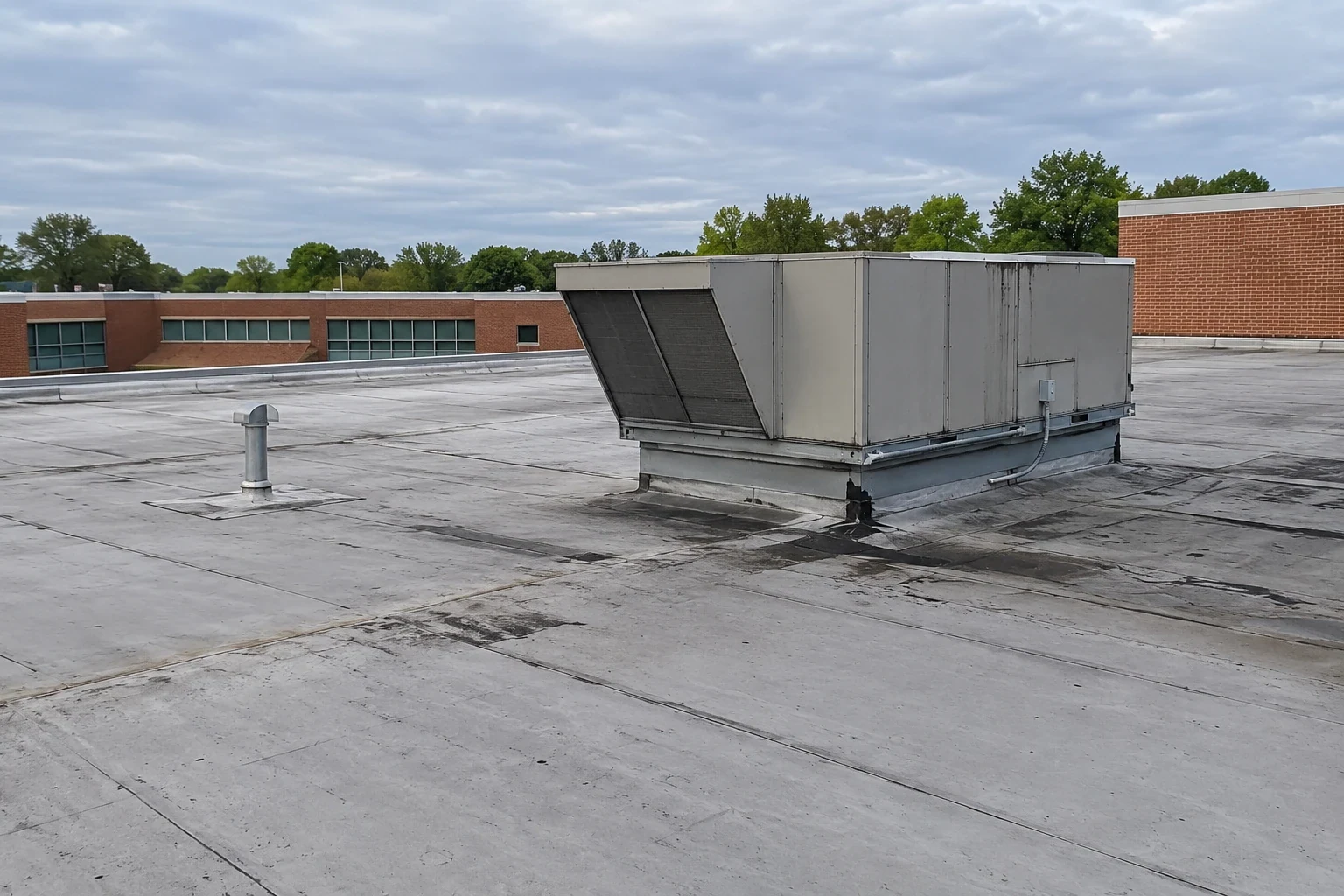
The roofing sequence depends on deck readiness, equipment set, insulation delivery, fastening pattern, adhesive cure, inspections, and dry-in. We identify predecessor work and the latest point where a roof area can be safely opened. If the GC schedules interior finishes below, the daily handback notes whether the roof is watertight, what protection remains, and which trade may enter the area next.
A repair may be a small tie-in around a new penetration; a full replacement includes broader tear-off, deck review, insulation, edge work, and roof-wide handback. A defined repair scope and a replacement proposal should call out the same assumptions about crane access, disposal, and weather protection. If the building remains occupied, phased reroofing can set boundaries for the GC and facility contact together.
At bid review, we identify whether the number includes tear-off, insulation, cover board, membrane, edge work, curb flashing, disposal, and temporary dry-in. We also state assumptions for deck repair and material access. That lets the estimator align the roofing bid with structural, mechanical, and sheet-metal scopes before award, and gives the superintendent a clearer list of decisions to settle before mobilization.
Provide current roof plans, assembly details, curb and penetration schedules, phasing, access limits, insulation and deck assumptions, and the project calendar. We identify field questions and exclusions before pricing. If the plans do not show existing conditions, the proposal states what a site walk must verify.
The contract should assign unit support, disconnect and reset, curb dimensions, temporary protection, flashing, and post-installation testing. We can define the roofing tie-in and coordinate the sequence with the mechanical trade. The GC confirms who accepts each interface before work starts.
Only when the opening can be protected and secured within the weather window. We coordinate the work area and dry-in point with the superintendent, then identify who controls temporary cover if another trade is delayed. A schedule should not leave insulation or deck exposed without a responsible handoff.
It should tie the added condition to a roof zone, photographs, measured work, material and labor effect, schedule impact, and approval point. We document concealed conditions before extending the scope. That gives the owner and GC a field record for the change rather than a general note after the area is closed.
The GC and facility contact identify entrances, loading, noise windows, overhead protection, and areas that must remain available. We set a phase boundary and daily handback around those constraints. The scope says what becomes watertight and what access remains restricted before the next trade works below.
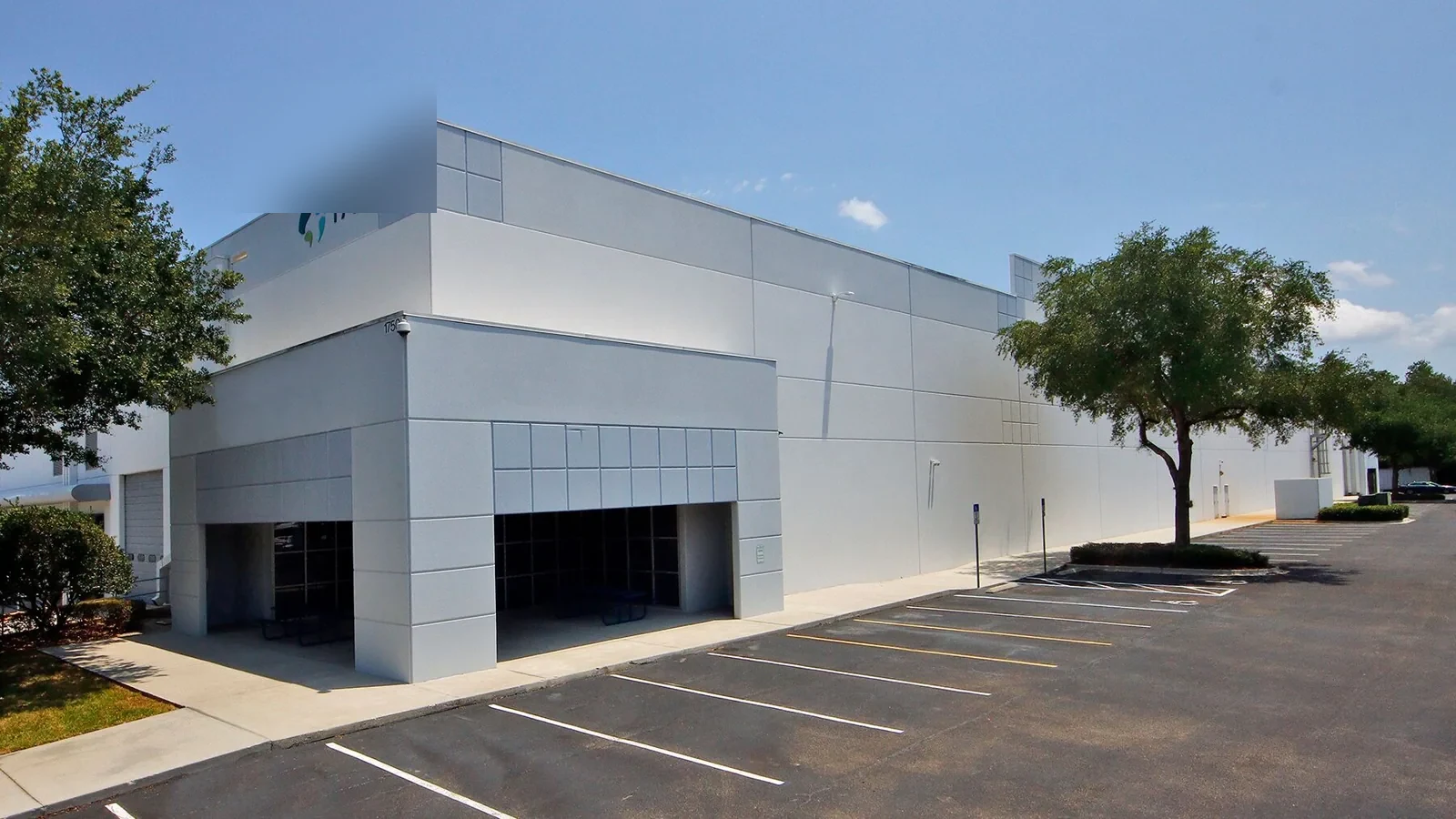
Before demobilizing, we identify completed areas, material and attachment details, photographs, test or inspection records, and any item still awaiting another trade. The superintendent can match the closeout to the roof plan and confirm that the opening, curb, wall, and edge transitions have a clear owner. If concealed deck damage altered the work, the approved change and field photos remain connected to the same roof zone.
For a project near Rossview Road or accessed from I-24, we verify the actual delivery route and jobsite rules with the GC. A roof condition record can preserve the final observation for the owner after construction. We then review the handback with the superintendent, identify remaining protection, and leave a next-step list that distinguishes roofing completion from pending mechanical or electrical work.
The superintendent should also know the crew demobilization time, open punch items, and whether another trade may disturb completed flashing or membrane. We can tag those areas on the closeout map and describe the repair boundary in field terms. Before the roof is accepted, the GC can walk the tie-ins and confirm that temporary weather protection is removed only after permanent work is complete. The owner can retain the accepted detail with warranty documents and maintenance contacts for later service.
Share the Clarksville project plans, schedule, and known roof conditions. We will review tie-ins, access, equipment interfaces, and weather protection with your superintendent before the work sequence is set.