
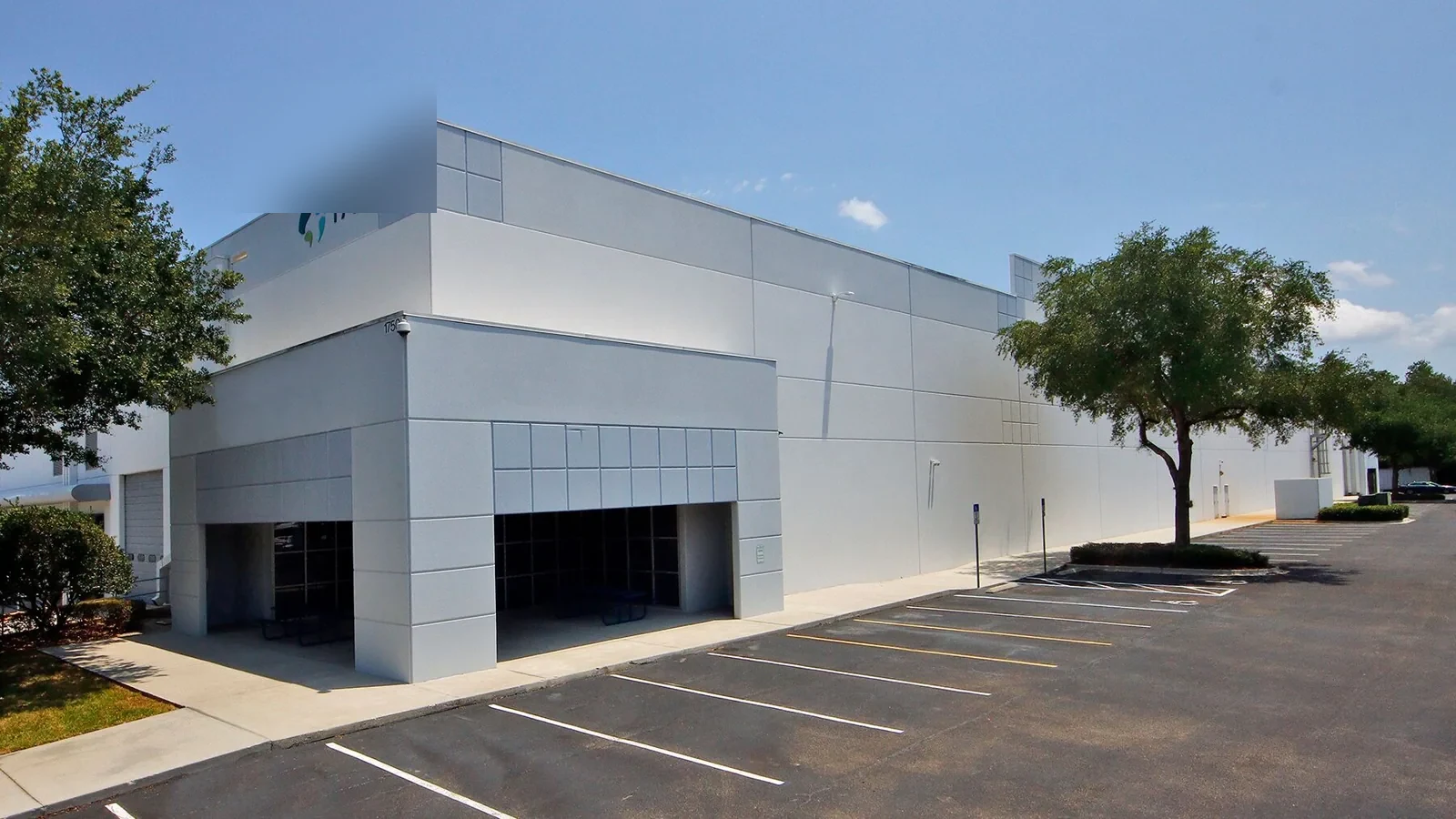
Guest arrivals keep a property moving while roof work is underway. Clarksville's warm summers and rain across the calendar make the dry-in point as important as the access schedule. We inspect the roof zones above guest rooms, kitchens, meeting space, and service areas, then coordinate which doors and equipment routes can remain available. A hotel group's buildings may share a brand standard but differ in assembly, repair history, and access. We document each roof separately and set the work sequence with the property engineer or facilities lead so an occupied floor has a clear protection and handback plan.
The property contact identifies check-in peaks, housekeeping routes, food deliveries, event schedules, loading access, and rooms below the reported leak. We confirm where a lift can stage, which path can stay open, and whether a service area needs a temporary closure. If noise or odor must be limited, the work plan records the window and who can approve a change. The crew works only on a roof opening that can be secured before the next shift or weather change.
Clarksville's commercial context includes Governor's Square and the Wilma Rudolph Boulevard corridor, with hospitality properties serving different guest and event uses. Those broad references do not describe any particular roof. A retail and restaurant operations plan can offer useful delivery coordination, while property-level maintenance records keep the ownership and operating contacts clear when a hotel has a separate management company.
When a meeting or wedding occupies a ballroom, facilities can mark the load-in period, service corridor, and room ceiling beneath a planned roof section. We can stage materials in another window and return the area after the work boundary is secured. That coordination keeps housekeeping and event staff working from the same schedule, with one person confirming access changes and the daily handback.
A ceiling mark in a guest room, corridor, or banquet area may be several roof details away from the entry point. We compare the room number and timing with seams, penetrations, curbs, drains, skylights, and wall transitions above. Water can travel through insulation or along a deck before appearing indoors. Photographs identify the visible defect and its roof-zone position; if moisture boundaries are uncertain, we state whether a survey or test opening is needed before removing material.
Clarksville's rainfall normals show wet conditions in May and November as well as summer showers. The repair plan identifies what can be opened and dried in within the available window. We protect exposed insulation and set a handback before the crew leaves the property. A commercial roof inspection can map the condition; for a suspected hidden wet area, infrared moisture review can guide where a test cut would answer the next question.
Hotels may have kitchen exhaust, make-up air, air handlers, refrigeration equipment, pool systems, and service lines on the roof. We inspect curb flashing and supports, check how runoff passes around the equipment, and coordinate shutdown or lifting with the responsible trade. A new penetration or moved unit needs a defined roof tie-in, with one party responsible for restoring the connection. The scope should show both the roofing detail and the operating test required before the unit returns to service.
Where rooms stay occupied, we also plan dust protection, ceiling access, stairwell restrictions, and a route for workers that does not cross guest circulation at peak times. A phased occupied-building sequence can separate roof sections when the assembly and forecast permit. If a curb or penetration is the issue, equipment transition work can be scoped beside the membrane repair.
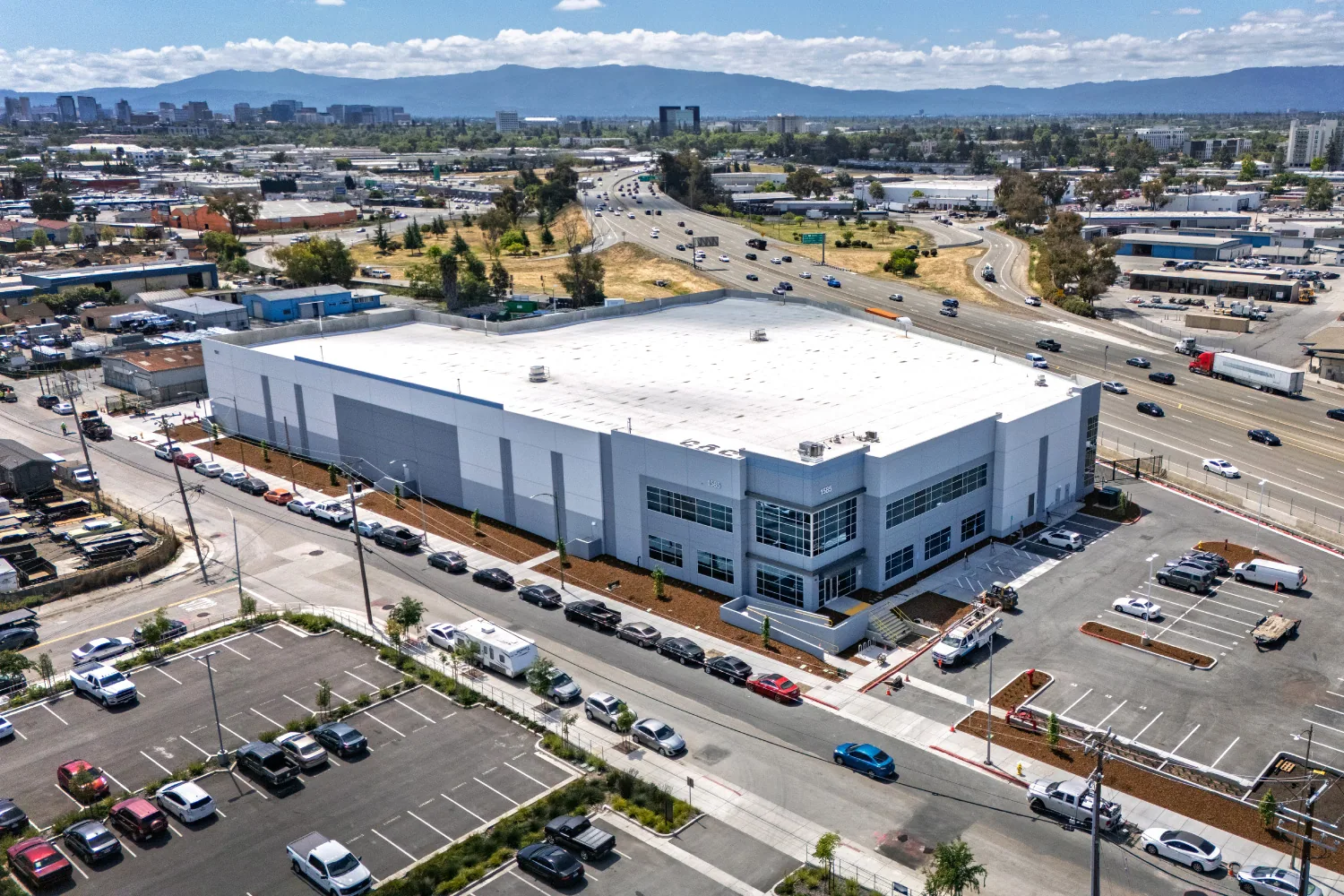
A small opening or failed flashing can often be scoped as a repair when adjacent material is sound and the tie-in has a stable boundary. Repeated leaks, wet insulation over several rooms, or failing edges can require a wider review. We record confirmed conditions and areas needing tests, then compare repair and replacement without turning a single room report into a building-wide conclusion. The owner can align that decision with occupancy, event dates, and maintenance staffing.
Cost and timing change with access, equipment resets, deck repair, insulation removal, edge metal, disposal, and guest protection. We identify those drivers and the approval point for concealed conditions before work begins. A replacement evaluation can use the same roof zones as a repair estimate. If the group manages multiple buildings, a multi-property roof schedule can track work and next inspections while preserving each building's own record.
The facilities contact identifies busy arrival windows, event schedules, loading, and guest routes. We set lift and material access outside those periods when possible, then define any temporary closure and handback. If a work zone affects an entrance or room, the property approves the alternate route and communication plan before the crew begins.
We record the room and timing, then inspect above and nearby seams, curbs, drains, and penetrations. Water can travel through the assembly before appearing indoors. If the path remains uncertain, the report identifies a moisture survey or test opening rather than assigning a cause from the ceiling mark alone.
That depends on the affected roof detail and whether equipment must be shut down, disconnected, or lifted. We coordinate with the responsible trade and property engineer, then state who restores and tests each connection. The roof cannot be handed back until the agreed flashing and equipment checks are complete.
Use common labels for roof zones and photographs while preserving a separate history for each building. We record findings, work limits, access notes, and open follow-up so a later engineer can compare the same detail. A shared portfolio schedule can track due dates without treating every property's roof as identical.
Recurring failures, wet insulation across multiple areas, failing edges, or ongoing drainage problems may justify a broader assessment. We document what is confirmed, what needs testing, and how each scope option handles the observed condition. The group can then fit a capital phase around occupancy and event commitments.
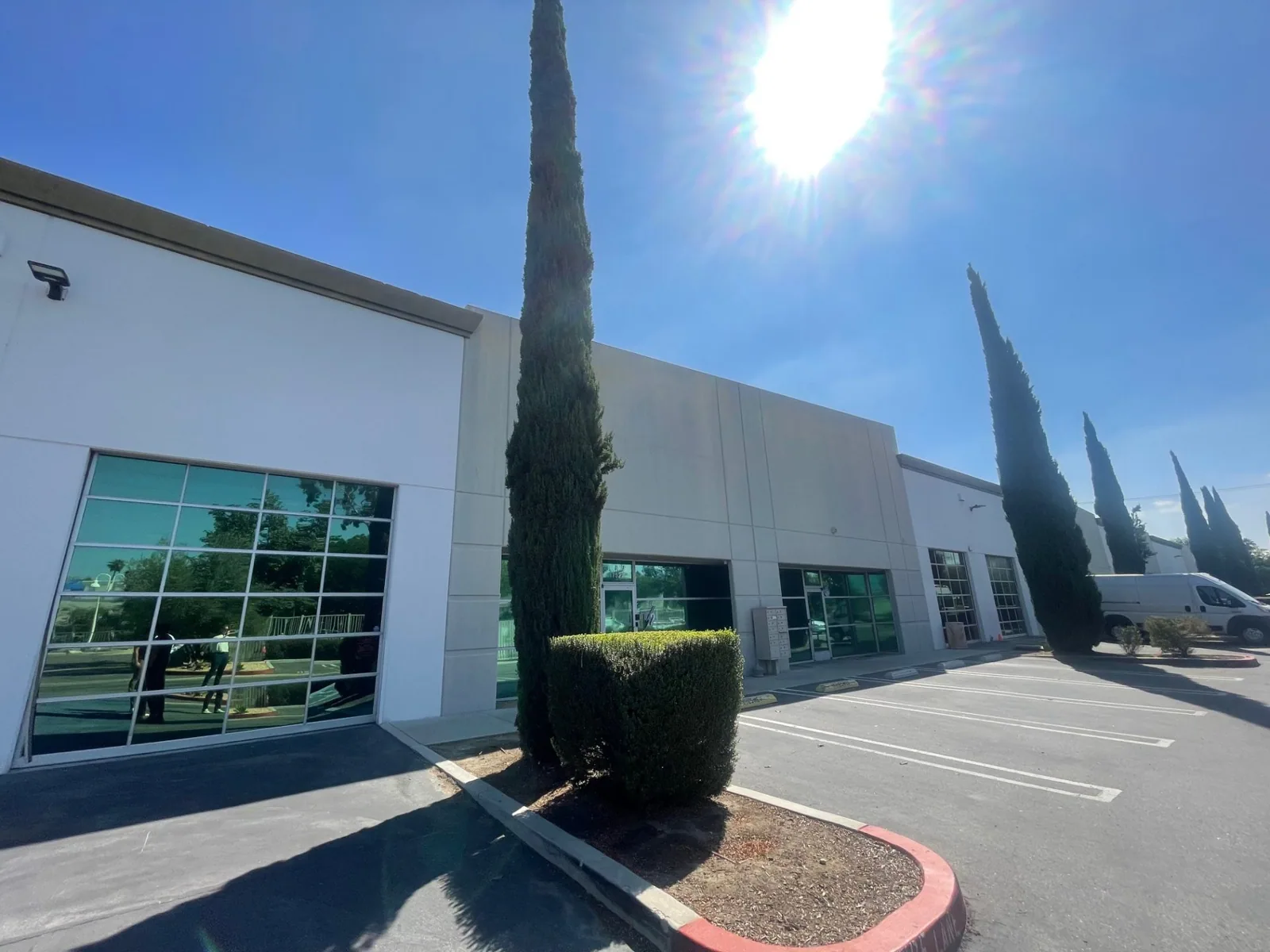
Each closeout identifies the completed roof area, materials and tie-ins, photographs, remaining restrictions, and any follow-up condition. The property engineer needs to know which guest or service area can return to normal use and whether a temporary protection remains. We review that boundary with the facilities contact before leaving. The record can note the next inspection after rain or equipment service without claiming that the roof will never need attention again.
A hotel near Governor's Square or along Rossview Road may have different arrivals and deliveries, so we confirm the actual approach and contact for each building. The local road plan identifies Rossview Road as a main corridor, useful for orientation but not a substitute for site access planning. The existing assembly can inform future capital planning when the owner is weighing a repair, recover, or replacement. The property engineer receives the roof-zone map, open items, and contact for a next inspection after the work closes. Staff can return the guest floor only after the protection boundary is cleared.
Schedule a Clarksville roof walk with the property engineer or facilities lead. We will document the condition, coordinate guest and service access, and prepare a repair sequence with clear handbacks.