
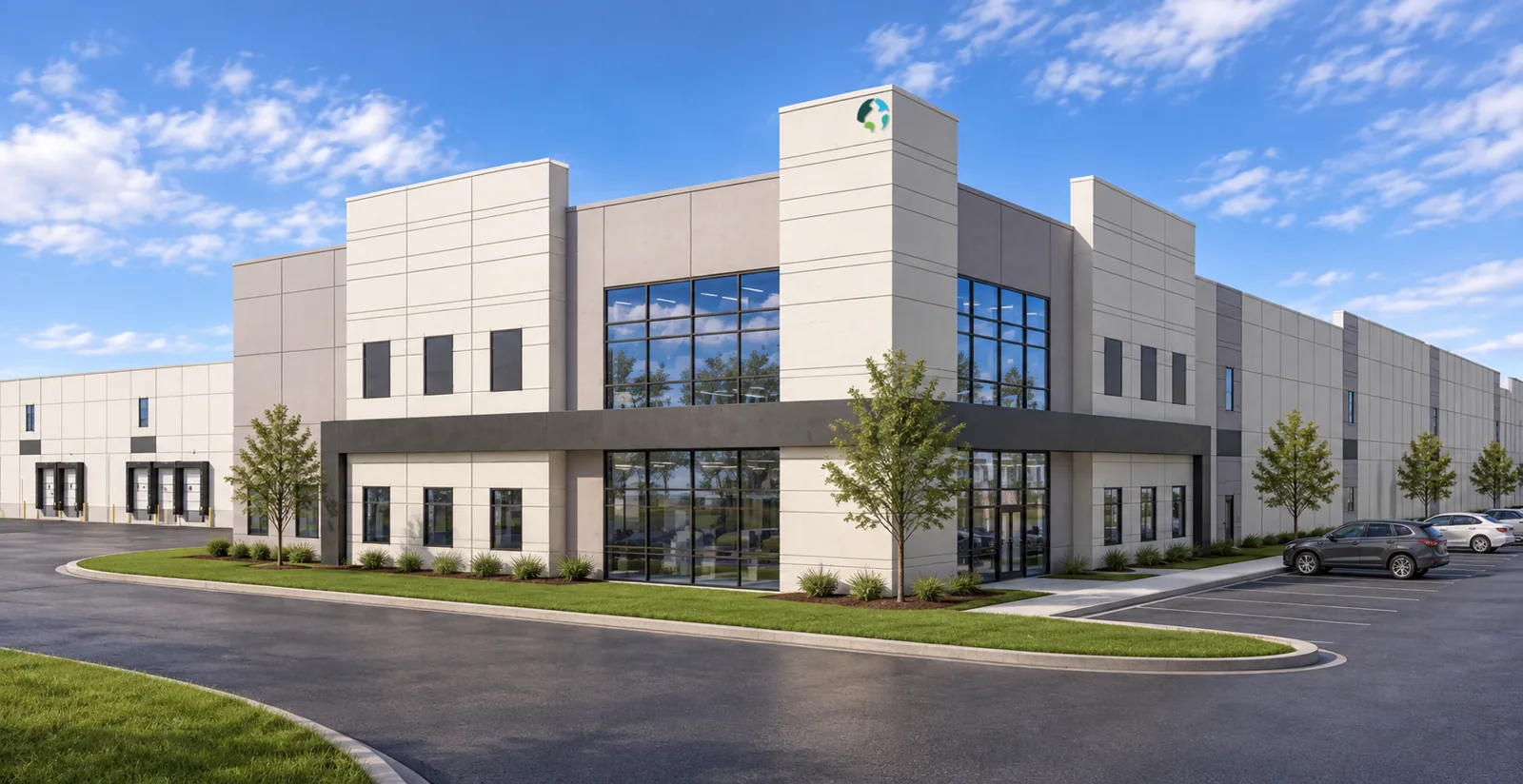
Customer traffic and kitchen service do not follow a roofing crew's preferred start time. Clarksville's rain spans the calendar, with warm summer conditions that affect installation windows, so a chain needs a store-by-store access plan as well as a roof scope. We inspect the membrane, drains, grease and exhaust penetrations, curb flashing, and perimeter details, then map the work area against deliveries and entrance activity. A repair at a freestanding restaurant is not automatically the same as work at a multi-tenant retail building. We document each property, identify the affected roof zone, and coordinate the next handback with the operator responsible for that location.
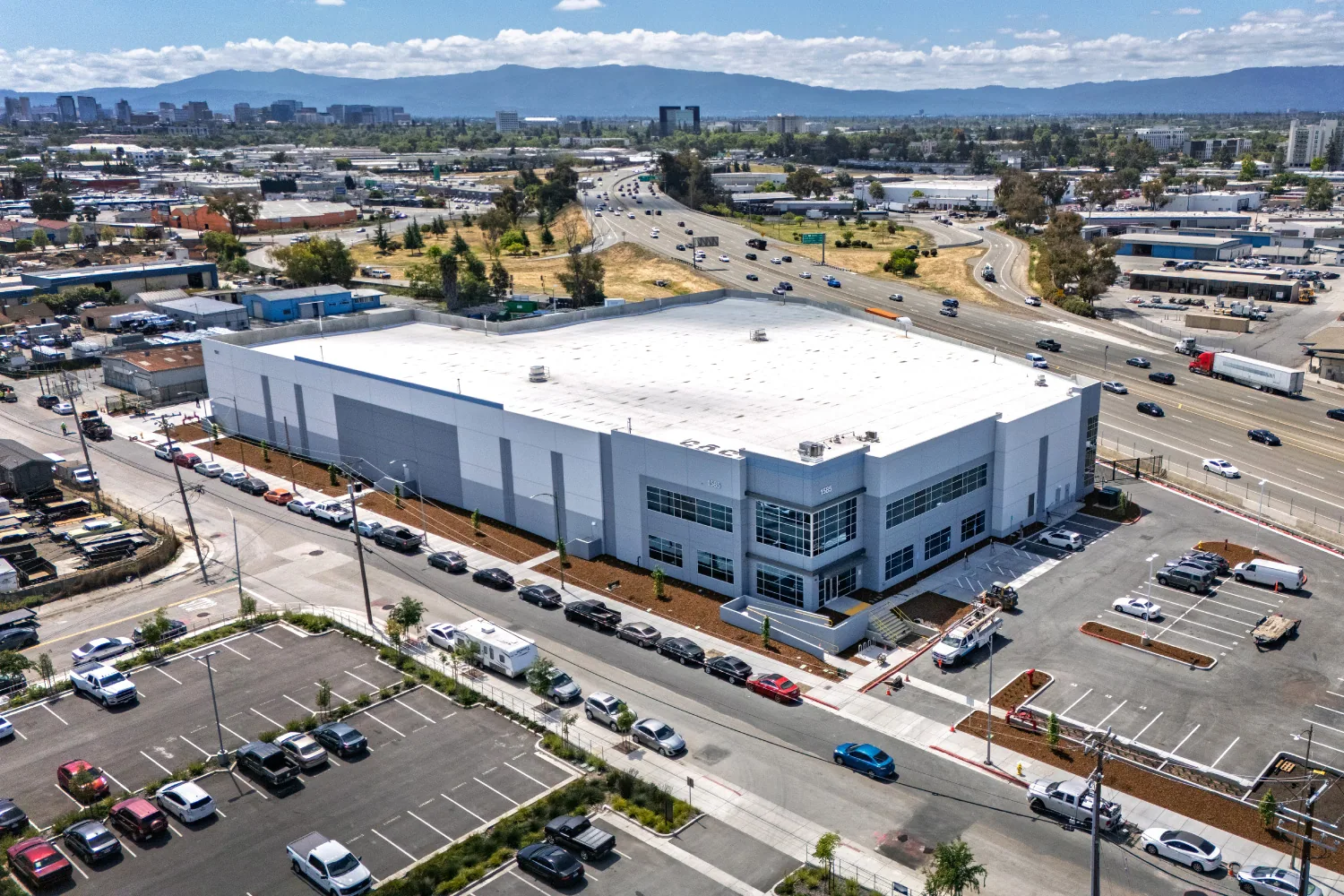
A regional facilities team may receive the same leak report format from every store, but each roof has its own assembly, repair history, and operating constraints. We tie photographs to the location and roof zone, note interior reports and timing, and record access limits or equipment shutdowns. The chain can use a consistent format while keeping the repair scope unique to the building. That prevents a recurring issue at one restaurant from becoming an unverified assumption about another roof.
Clarksville's 2022 retail sales measure shows retail activity at the city level, while the city identifies Wilma Rudolph Boulevard and Governor's Square as part of its commercial context. Those broad references help orient a chain's local footprint; they do not describe the roof of a particular shop. A building maintenance record can separate tenant and owner responsibilities, and hospitality portfolio planning can help where the same operator manages lodging and food-service properties.
For recurring reports, keep the store number, date, affected room, rain or equipment timing, and any temporary protection in one case record. We can use those details to select the inspection area and avoid a second visit just to identify the complaint. If another location reports a similar symptom, we still verify its own assembly and water path instead of copying the first repair scope.
Restaurant roofs may carry exhaust hoods, grease duct transitions, makeup air, refrigeration lines, and plumbing vents. We inspect flashing and attachment around these details and coordinate with the kitchen-equipment or mechanical trade before any shutdown or lift. Inside, the operator identifies prep periods, cold-storage areas, and any room that cannot be exposed to dust or water. The work zone stays limited to material that can be secured within the weather window, with a dry-in point recorded before the store returns to full use.
On a retail property, the same roof may cover sales floors, stock rooms, offices, and tenant demising walls. A ceiling stain in one bay can come from a roof opening farther away, so we trace water rather than treating the room directly above it as the source. A hands-on roof inspection records the observed details; curb and support work can be scoped when an equipment transition is the confirmed issue. A service window should also state when the hood can restart and who verifies its connection after the roof tie-in is complete.
Those two local storm periods are useful prompts for a store-by-store review of edge metal, rooftop screens, seams, skylights, and curbs, not proof that any location was affected. These events make edge metal, rooftop screens, seams, skylights, and equipment curbs useful inspection points. They do not establish that a particular store was damaged. We photograph actual displacement or openings and keep observed conditions separate from routine maintenance or a prior patch whose date is unknown.
Clarksville's official roadway plan includes Wilma Rudolph Boulevard and the Governor's Square Mall Bypass among its arterial routes. A property in that commercial area still needs a site-specific plan for customer doors, curbside pickup, truck deliveries, and parking. We coordinate temporary restrictions with the store manager, and the commercial corridor context is only an orientation for the work team. If a leak follows a storm, a hail observation review can help document impact without promising an insurance decision.
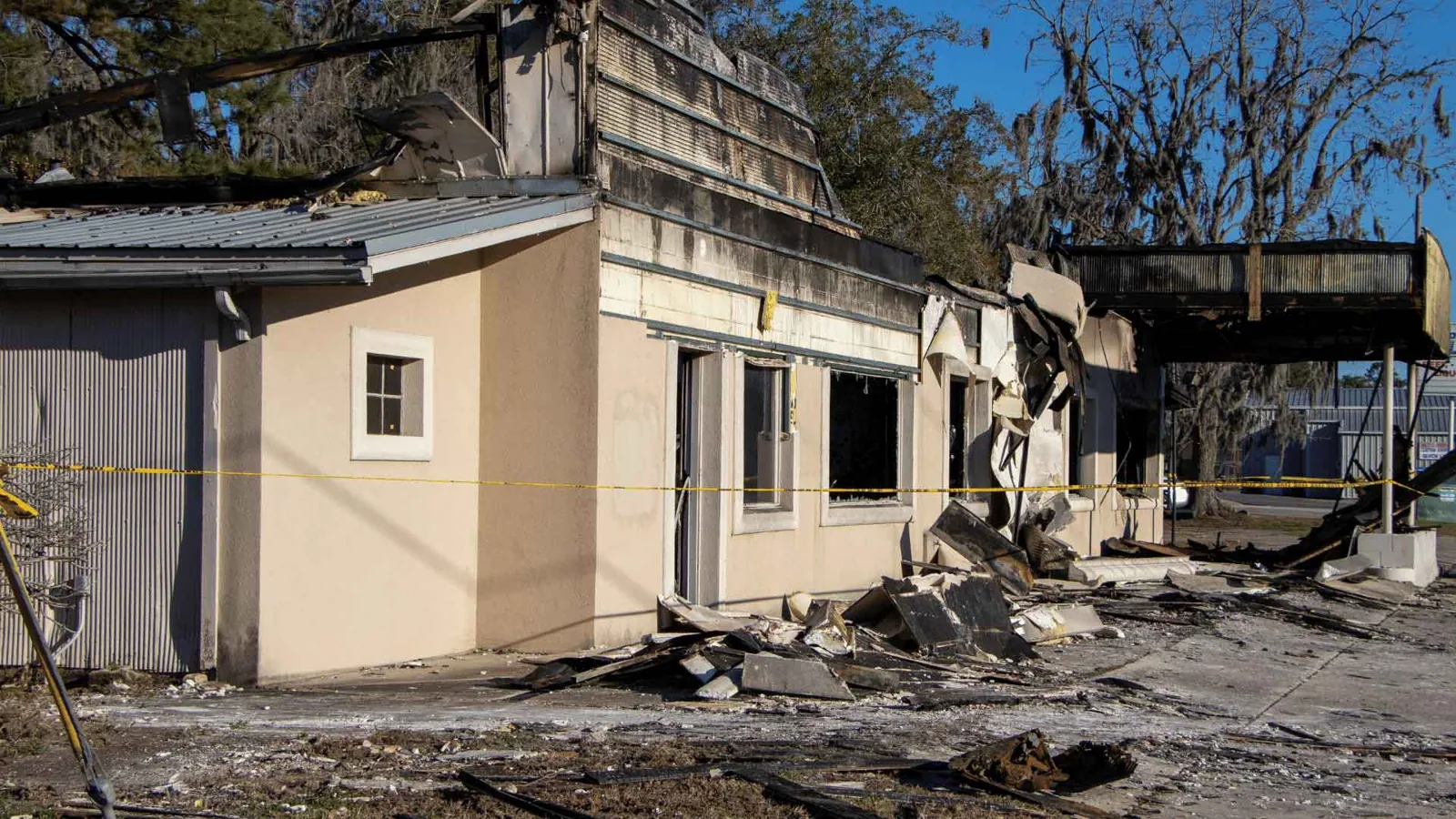
A useful schedule names delivery windows, customer peaks, lift placement, rooftop equipment access, and any room or entrance that must close temporarily. We confirm who can authorize a shutdown and who receives the daily handback. For a chain, the corporate contact may approve scope while a local manager controls access. Both roles belong in the plan before the crew arrives.
Repair is a reasonable path when the leak is limited and surrounding membrane is sound. Repeated failures, wet insulation over several zones, or deteriorated edge details may justify broader replacement. A defined repair scope and a replacement evaluation should use the same roof map and operating assumptions. We identify what is known, what needs testing, and any approval point for concealed conditions. An occupied-building sequence can move by roof zone where the assembly and weather allow the store to remain open.
Often the work can be confined to a roof zone, but customer access, deliveries, kitchen operation, and protection below determine the schedule. We coordinate the boundary with the local manager and state which area remains restricted. The handback identifies when a door, stock room, or equipment area is released.
We inspect the curb and flashing, then coordinate any shutdown or lift with the mechanical or kitchen-equipment trade. The scope identifies who disconnects and reconnects equipment and how the roof tie-in will be checked. That keeps the roofing repair from leaving a service connection unresolved.
Share the store address, room or sales area affected, when the leak appeared, recent roof work, access contact, and operating restrictions. We inspect that building and map the roof zone. A consistent corporate report format is useful, but the findings and repair limits remain location-specific.
No. Regional weather records do not show the condition of an individual property. We inspect the roof and photograph any observed impact, displaced metal, opened seam, or water path. Repair and any insurance review follow the documented building condition, not the event record alone.
Repeated openings, widespread wet insulation, ongoing drainage issues, or failing edges can make a roof-wide review worthwhile. We document confirmed conditions and testing needs, then compare a defined repair with replacement using the same assumptions. The owner can align the scope with store hours and tenant access before scheduling work.
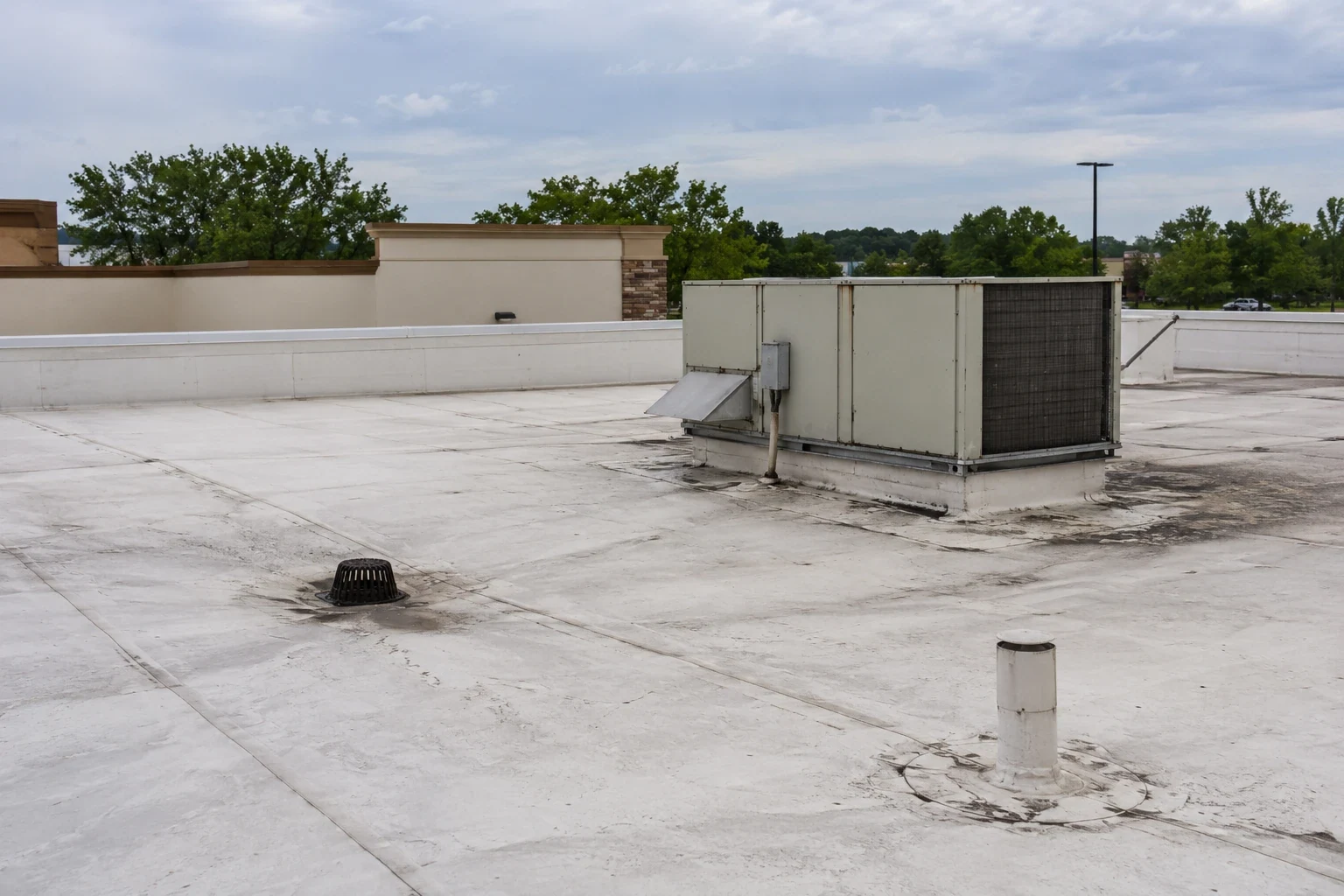
At completion, we record the roof section, materials and tie-ins, photographs, remaining restrictions, and any follow-up check. The store manager should know which entrance or stock area is released, whether equipment can resume normal service, and who to call if water returns. The corporate file can preserve a portfolio calendar without collapsing each location's inspection record into one general entry. A photographic roof condition report helps link the field finding to the next capital or maintenance review.
A store near Wilma Rudolph Boulevard may see a different delivery cadence from one in another Clarksville district, but our crew confirms the actual route and contact at each site. We review the completed area with the local manager and identify any item that remains open. The next inspection can compare the same curb, seam, drain, or edge against the closeout photographs, giving the chain a clear record before a new service request arrives.
Schedule a Clarksville roof walk with the facilities contact and store manager. We will document the roof condition, coordinate customer and delivery access, and prepare a clear repair or replacement scope.