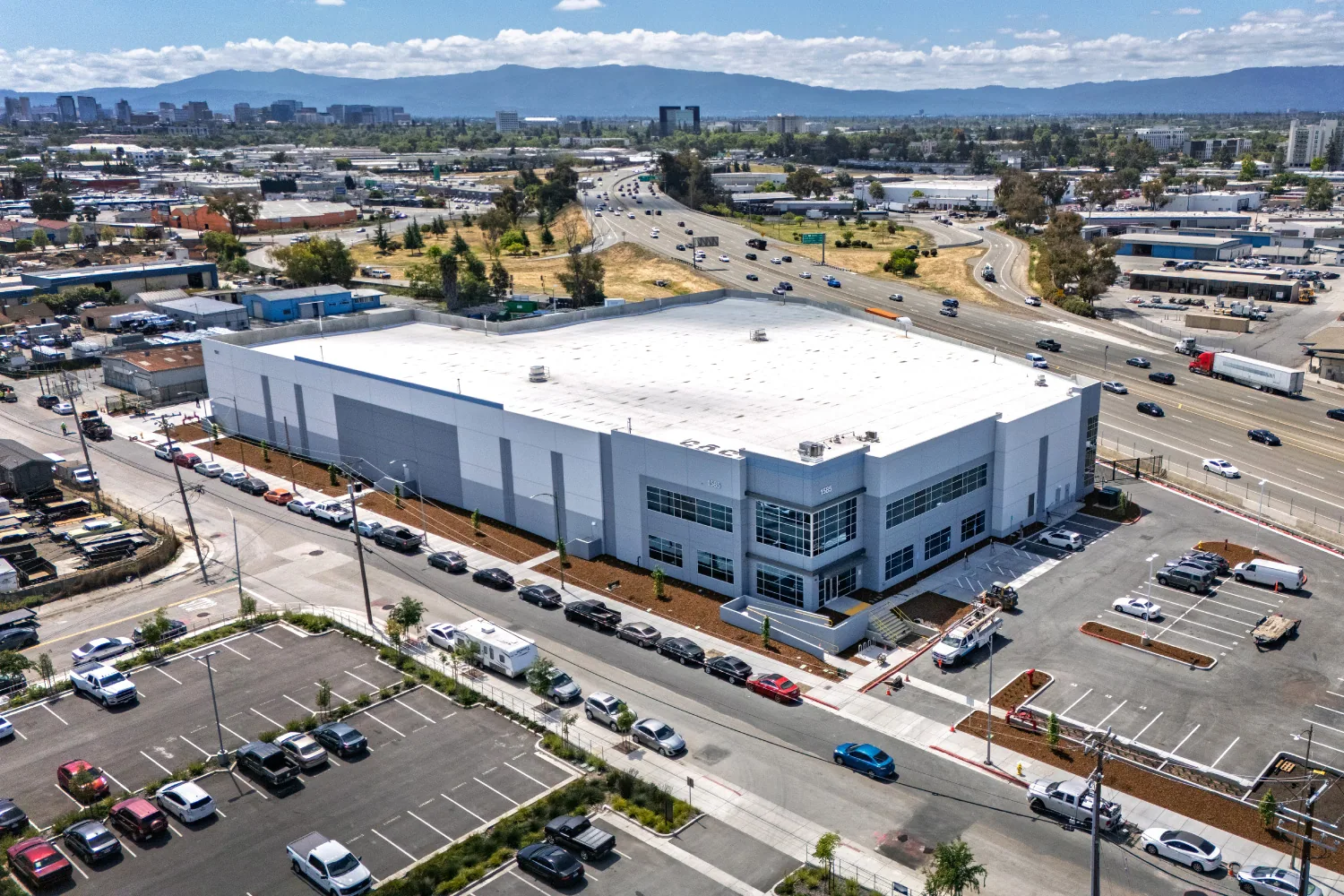
Public buildings stay in service while the approval record moves from facilities to procurement and back. In Clarksville, warm summer conditions and rain throughout the year make it important to define the roof opening and dry-in point before a work window is set. We inspect the building, photograph the observed conditions, and prepare a scope that identifies the roof area, access route, protection below, and any decision requiring owner approval. A city office, maintenance building, and community facility do not share one roof history. The work file should make each finding traceable to the structure and use it affects.
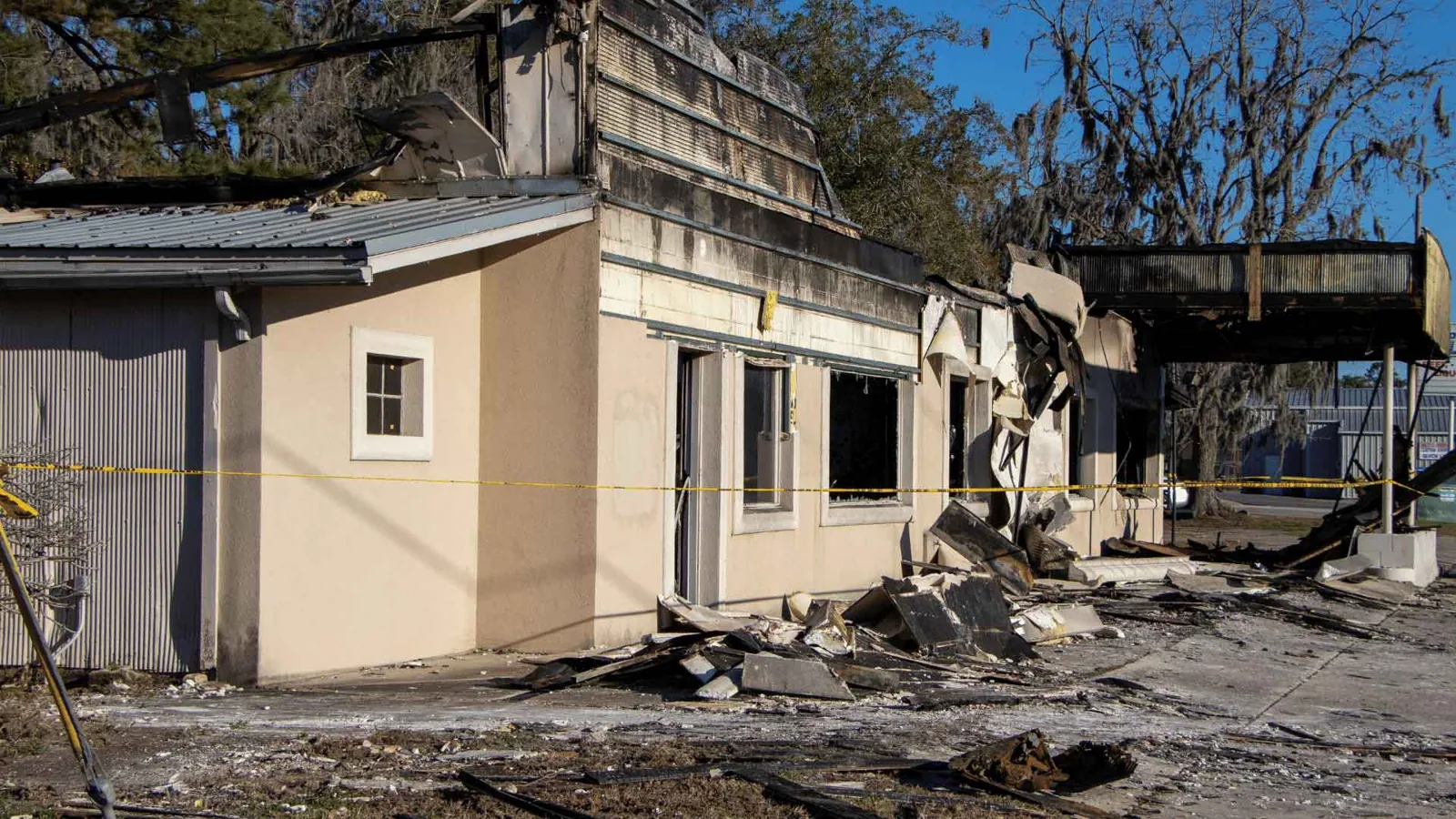
A public owner needs more than a roof-wide label. We identify the defect, its location, the repair boundary, materials and tie-ins, access, temporary protection, and what could change after removal. Where a test opening is necessary, the scope says why and where it will occur. This lets a reviewer distinguish a confirmed repair from an allowance or follow-up item before an authorization is issued.
Clarksville's current adopted-code list includes the 2018 International Building Code and Existing Building Code. A roofing scope does not determine compliance on its own, so the owner and design professional can confirm the applicable review path before work. A school district roof record may involve calendar and student-area coordination, while health facility planning can require patient-area protections. We document the work conditions that the agency must approve instead of assuming its procurement procedure.
We check seams, wall flashings, curbs, penetrations, skylights, drains, scuppers, edge metal, and rooftop equipment. When an interior report points to a roof zone, we compare its timing and room location with the surfaces above. Water can travel through an assembly before it becomes visible indoors. The report records what is confirmed, where access was limited, and whether moisture testing or a selective opening is needed to determine the repair extent.
The regional storm record makes perimeter restraint and exposed metal sensible items on a public-building inspection checklist; it cannot establish damage without roof-level observations. Those events make wind and impact observations relevant, but the building inspection must establish any actual condition. We distinguish a storm-related observation from routine wear or earlier repair when the evidence supports that distinction. A commercial roof inspection can create a mapped baseline, and a photo condition report keeps the evidence available for the agency file.
Libraries, service counters, offices, and public works buildings may have regular hours, public entrances, deliveries, and restricted rooms. The agency contact identifies those hours and routes before material arrives. We mark overhead work, lift placement, staging, and any temporary closure, then confirm the handback needed to reopen a door or area. If noise or access must be limited during a meeting or public service period, that window belongs in the schedule.
Clarksville's roadway plan identifies College Street and Warfield Boulevard among the area's arterial corridors. A building on either route still has its own gate, loading approach, and public circulation plan. We confirm those details with facilities and avoid blocking a route simply because it is convenient for the crew. For phased work, an occupied-building sequence can define the daily boundary; a drainage repair scope can address an outlet without expanding the work beyond the observed issue.
Where a facility has public service hours, we mark a detour before crews begin and state who can approve a temporary change. The staff member overseeing the entrance can coordinate signs, accessible paths, deliveries, and room reopening. Those details belong in the same daily plan as roof protection so visitors and employees do not encounter an unannounced work boundary.
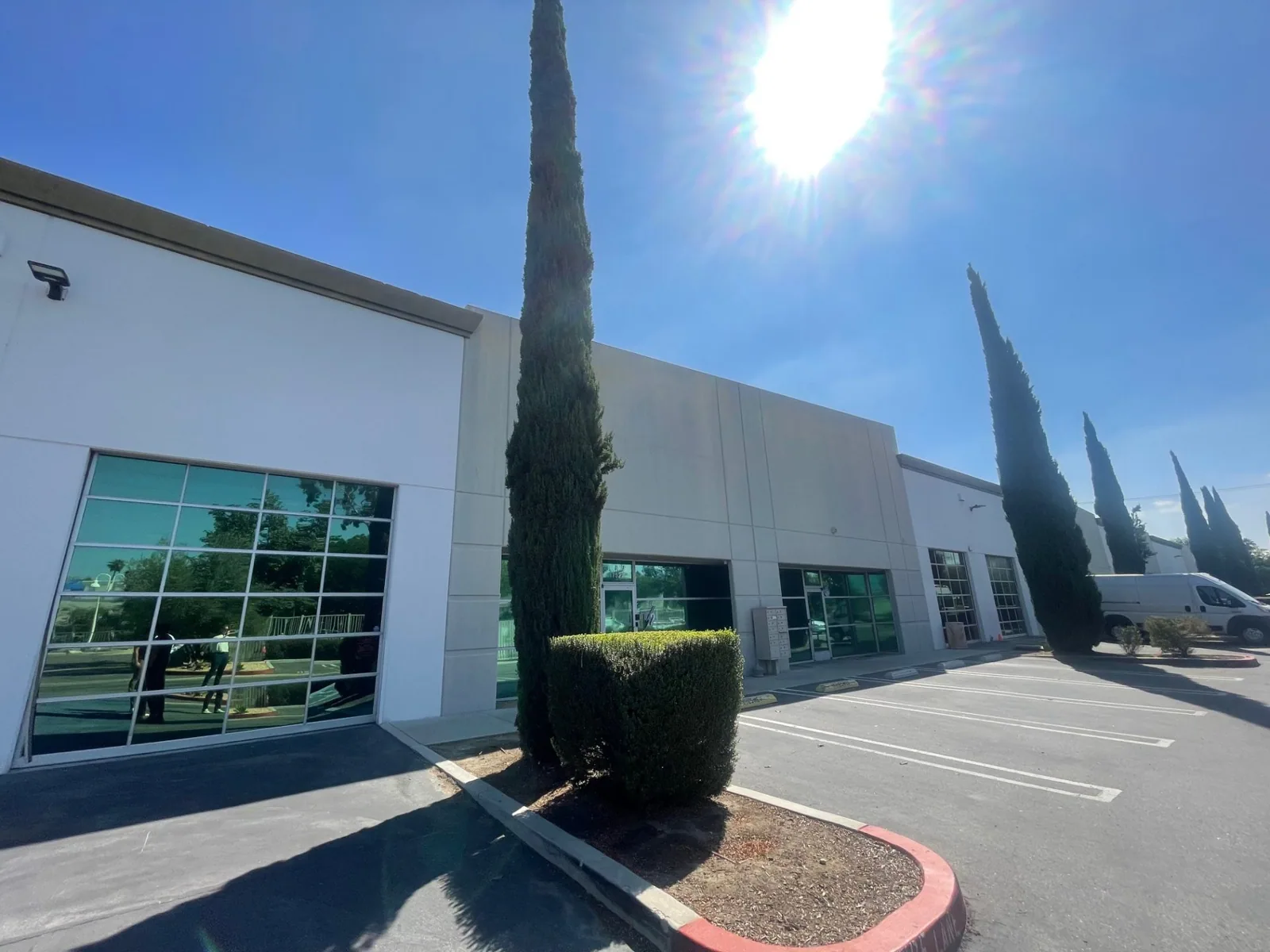
A localized opening may support repair when surrounding materials remain stable and the tie-in can be made on sound substrate. Recurring leaks, wet insulation across roof areas, failing edge details, or widespread drainage problems can justify a broader assessment. We show the confirmed condition, the test still needed, and the limit of each option. That gives a public owner a factual basis for setting priority without treating one leak report as a building-wide conclusion.
Schedule and cost can shift with roof height, equipment reset, deck repair, access, disposal, insulation removal, and weather protection. We list those drivers in the scope and identify approvals needed if conditions change. A defined repair can be compared with a replacement option using the same roof map and work assumptions. The file should say what is included and who can authorize added work before the crew reaches a concealed condition.
For bid review, the owner can ask each proposal to identify removal limits, insulation assumptions, roof edge work, equipment resets, traffic control, and protection inside occupied rooms. We organize those items as scope elements rather than a generic allowance. If the facility cannot be closed, the schedule should also state where operations continue and when the work zone is released. That helps procurement compare comparable roofing work while preserving the agency's review and approval path.
It should name the building and roof zone, observed condition, repair limits, access and protection plan, materials, tie-ins, and the approval step for concealed conditions. We state what is included and what remains uncertain. That gives reviewers a defined work item instead of a general roof allowance.
No. It identifies the city's currently listed code editions, but project-specific review belongs with the owner, design professional, and applicable authority. We document the existing roof and proposed work so those reviewers can address code questions. A field inspection should not be presented as a compliance determination.
We coordinate public entrances, service hours, deliveries, overhead protection, and temporary closures with the building contact. The work zone is marked, and the handback names when the route or room can reopen. If the public cannot be rerouted safely, we schedule that roof section for a different window.
Keep dated interior reports, photographs of visible exterior damage, and the building's roof-zone map together. We inspect for actual displacement, openings, or impact and distinguish those observations from ordinary wear. The scope records the condition found; event history alone does not establish damage at the property.
The authorization should state what is known, how concealed conditions will be photographed, and who can approve added work. We identify the expected boundary and pause at the agreed review point if removal reveals a different assembly condition. The agency then has a documented decision before the scope changes.
At each phase, we record what was opened, repaired, and secured, along with photographs and any remaining access restriction. The agency contact receives the completed roof-zone map and a clear note about temporary protection or follow-up. That makes it easier for facilities staff to compare a later leak report with the work already performed. The condition record can keep observations and recommendations separate for future review.
A Clarksville public building near College Street and one by Warfield Boulevard may need different staging, even when both require similar seam work. We walk the finished area with facilities, confirm the handback, and state which item remains open. The file should be usable by procurement, the building operator, and the next inspector: roof location, observed condition, authorized work, completed work, and next decision in the same sequence.
Schedule a Clarksville roof walk with facilities and procurement contacts. We will document the visible condition, access plan, and approval points for the work area under review.