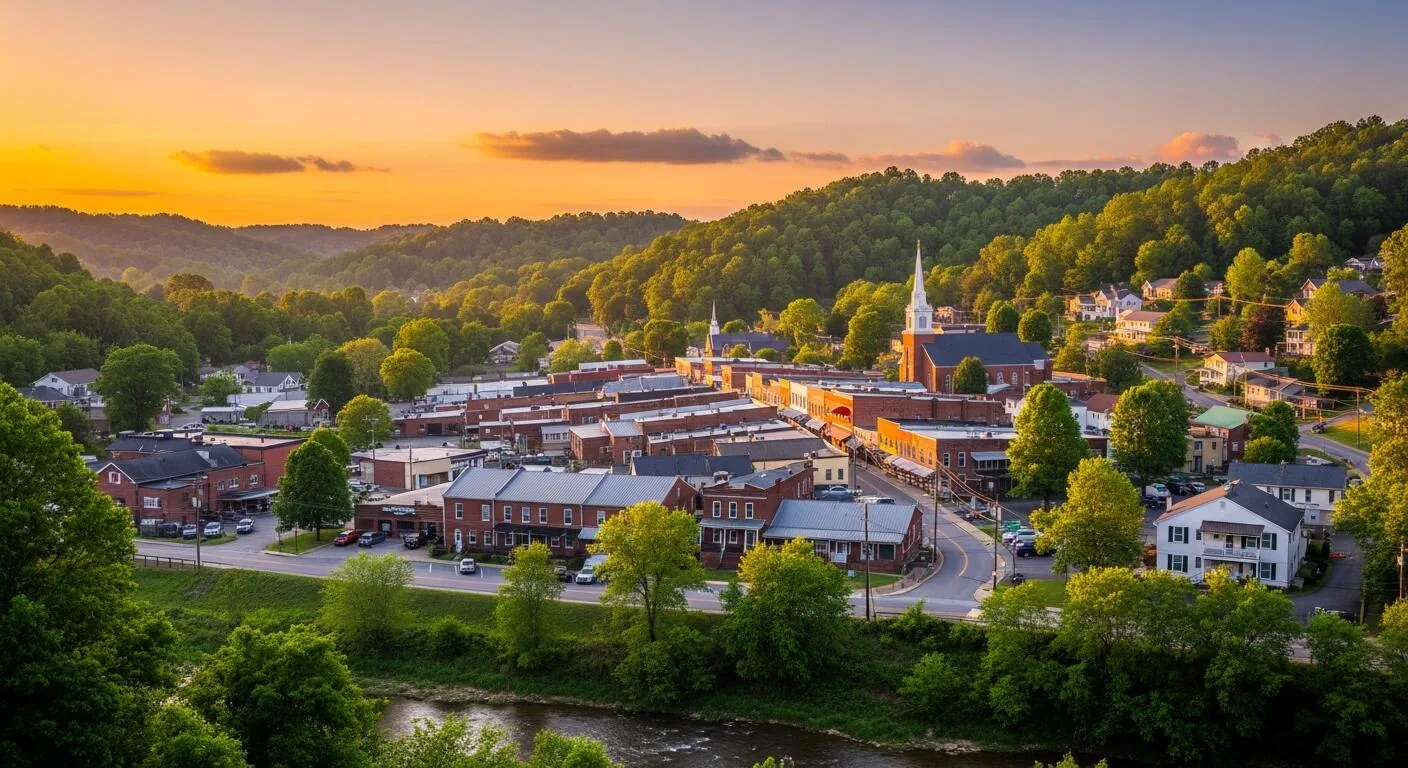
On Ashland City Road, a roof call starts with the building's exposure and the work that must remain accessible. Ashland City Road (SR 12) is a Clarksville arterial extending from 41-A Bypass toward the county line. That corridor detail helps orient dispatch, but it does not establish a property's roof type, traffic pattern, or entrance. We confirm the assembly, active leak location, and operating limits on site before setting the repair boundary. A commercial roof inspection gives the facility lead a roof-zone record tied to those conditions.
A ceiling stain can mark where water arrived, not where it entered. We compare the interior report with the roof plan, then trace above it through seams, drains, penetrations, curbs, wall transitions, and roof edges. The walk records the membrane or metal type, visible layers, prior patches, and areas that could not be reached. If concealed insulation or deck could change the scope, we identify a test opening and approval point before removal expands.
Membrane work focuses on laps, termination bars, flashing, and patches that may have separated. Metal work follows panel seams, fasteners, closures, and the details at curbs and penetrations. We also follow the drainage path and check whether outlets or overflow points remain open. A drainage review can help when ponding, staining, or overflow suggests that water is not reaching the intended outlet. The repair record should name what was observed and what still requires testing.
When a repair has been made before, we compare the patch edge with the surrounding assembly and note whether it is still bonded. A moisture survey can help map a broader area, but it does not replace a close look at a seam or flashing. We explain which finding is visible, which remains concealed, and what a test would answer. That keeps the decision tied to the roof rather than to the room where water first appeared.
Clarksville's climate normals show a 5.50-inch average precipitation total in May and 4.31 inches in November, while rainfall is present in other months too. July and August mean temperatures reach 79.4°F and 78.7°F. These are city-level conditions, not a forecast for an individual roof along Ashland City Road. We check the current weather and roof surface before setting the area that can be opened, prepared, tied in, and protected in one shift.
A membrane seam needs a suitable surface and a clean bond area; coating work has separate preparation and cure requirements. The crew agrees on a dry-in point and keeps drains clear while an opening is active. If weather interrupts the sequence, the facility contact should know exactly which zone has temporary protection and when it will be reviewed. For water entering now, our emergency roof response can secure the opening while the permanent scope is completed and scheduled.
A localized puncture, failed flashing, or separated lap may be repaired when the surrounding material can accept a sound tie-in. We mark the limits, preparation, compatible repair material, and inspection point. Repeated leaks, moisture across several zones, unstable edges, or repairs without a reliable boundary can call for a wider review. We document each confirmed condition separately so the owner can compare a focused repair with a broader scope using the same roof-zone record.
A repair proposal should name the defect and stop at sound material. A recover evaluation checks existing layers, attachment, drainage, and available edge height before another assembly is added. If the roof needs removal, a replacement sequence identifies the demolition limit, insulation and deck checks, and how each section reaches a protected close-in point. Cost and timing turn on access, roof height, tear-off, detail count, concealed conditions, and the amount of work that fits the weather window, not the route name alone.
Before work starts, we confirm material compatibility and how the new detail meets the existing roof. The estimate identifies preparation, the limits of removal, and the point where the owner approves additional concealed work. If the project is phased, each section has a close-in line and a check before the crew moves on. Those details help operations plan deliveries, interior protection, and the next usable roof area.
At the end of each shift, we record the closed boundary and the next area scheduled for work.
A corridor address does not tell us where a lift can stand or how a tenant enters the building. We confirm the property entrance, roof hatch, overhead clearance, loading windows, staging area, fire access, and pedestrian path with the facility contact. If a work zone sits above an active door or service area, the scope identifies a protected route or a timed closure before the roof is opened. The daily handback names what is available and which temporary limits remain.
Ashland City Road begins at 41-A Bypass and extends to County line in the roadway network. Another property along 41-A Bypass or College Street still receives its own access review and roof inspection. We coordinate noise, debris movement, deliveries, and tenant circulation around the actual operating schedule. An occupied-building sequence can phase roof zones while keeping a defined route below and a checkable close-in point above.
No. It is a broad arterial corridor in the Clarksville network. We confirm the property address, roof assembly, entrance, and access restrictions with the owner before the inspection or repair begins.
We follow the water path and inspect the adjacent membrane, flashing, insulation, and edge details. The written scope identifies the tie-in to sound material and any test that could change the boundary.
We size the exposed area to the preparation and close-in work that can be completed in the available window. The handback identifies the dry-in point, drain protection, and any temporary cover that needs another check.
Widespread moisture, recurring leaks in separate zones, or edges that no longer provide a reliable tie-in can justify a larger review. We record confirmed conditions and identify concealed questions before removal is approved.
Provide roof access, work hours, delivery limits, overhead restrictions, and any entrance or equipment that must stay available. We use those limits to set staging, barriers, the open area, and the daily handback.
At closeout, we inspect the tie-in, confirm drains are clear, remove loose debris, and photograph the completed area. The record includes material, repair limits, any area not accessed, and conditions that remain concealed. If temporary protection stays in place, the file names its boundary and the next review time. That information helps the facility team see what changed and what still needs a decision after another rain.
At the next visit, we compare the repaired detail with its surrounding membrane, flashing, and drainage path. The service record identifies what changed since the previous inspection and whether any new water mark needs a separate trace. A maintenance visit can return to those marked edges, seams, and drains before they require an urgent response. The roof condition stays attached to the actual property, with a clear owner for the next action.
If concealed work is proposed, the owner can review the test result against the original repair limit before authorizing a wider removal area.
Share the roof plan, leak locations, access rules, and operating hours. We will trace the condition, document the repair boundary, and return a written work sequence with a clear close-in and handback.