
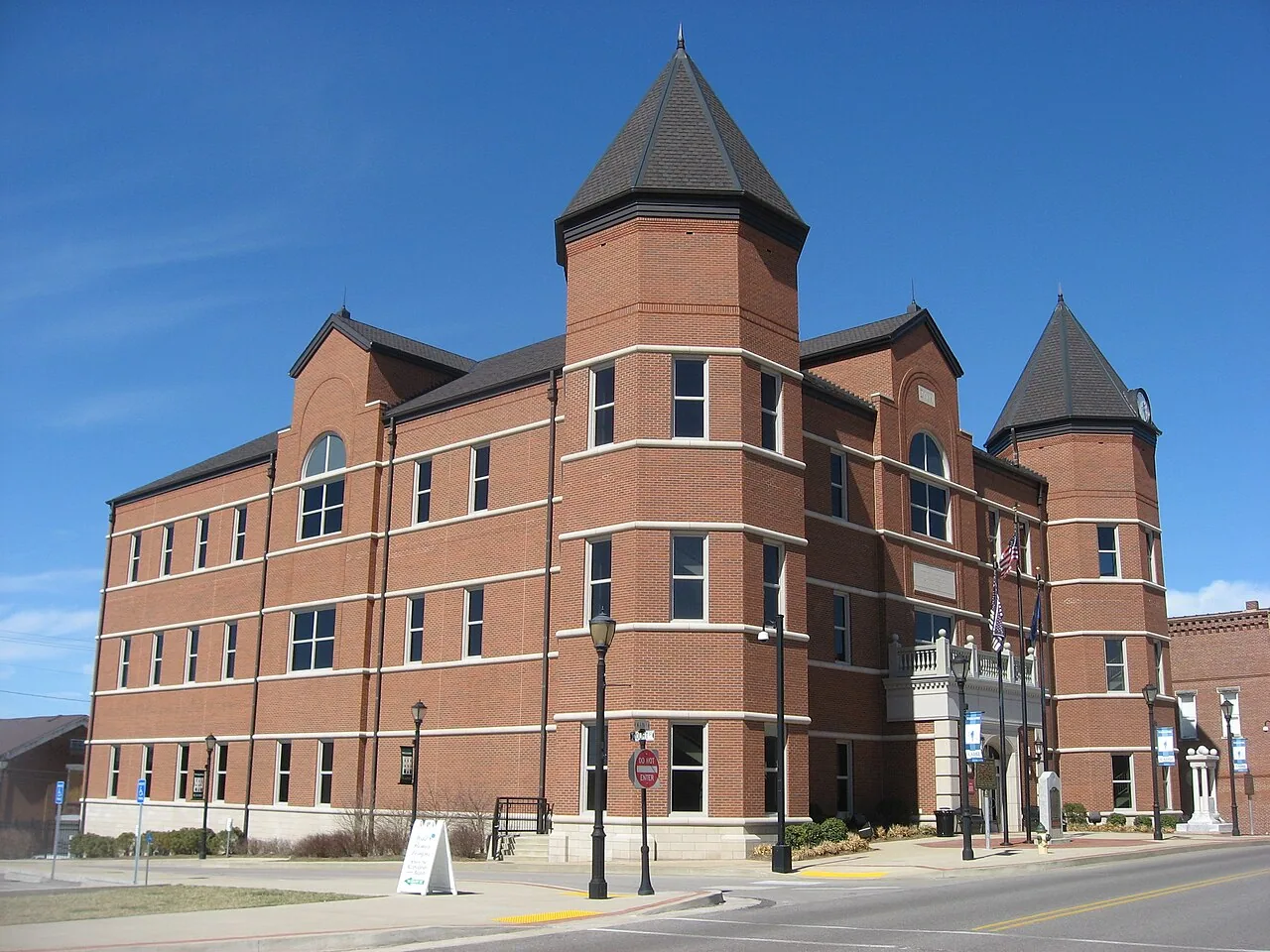
Rain across the calendar changes how a roof opening on Peachers Mill Road should be staged. The Clarksville arterial corridor runs from Providence Boulevard toward Tiny Town Road, useful orientation for dispatch but no description of any one property. We confirm the building, roof access, and reported leak with the facility contact before setting a work zone. Then we trace the drainage path, inspect the affected assembly, and agree on a dry-in point that fits the occupied schedule.
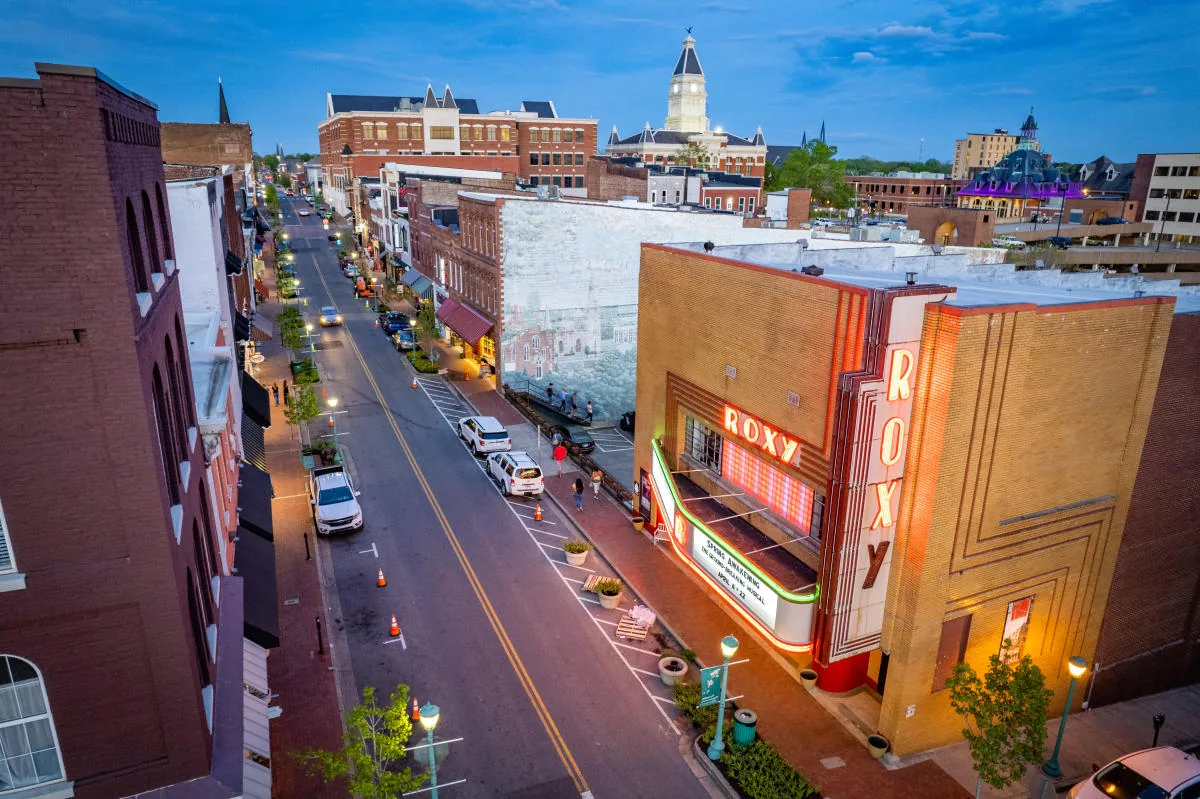
A ceiling mark gives us a room to investigate, not a roof opening to patch by guesswork. We compare the report with the roof plan, then inspect seams, penetrations, curbs, wall transitions, perimeter metal, and drains above that area. Water can travel between the deck and insulation before it appears indoors. We photograph the likely entry and any condition that remains uncertain, then tie each finding to a roof zone in a commercial roof inspection.
Drainage gets its own check. We follow runoff from the high side to each drain or scupper and look for debris, a loose strainer, a displaced ring, or a low area that holds water. Clearing an obstruction may improve flow, but it will not correct a depressed deck or open seam. The report separates those conditions so the owner can authorize a specific correction instead of treating every symptom as one repair. We also note whether the outlet can be reached without moving rooftop equipment, and whether a safe route exists for maintenance after the repair is complete. That distinction helps staff schedule follow-up without reopening the active work zone.
When moisture may extend beyond the visible stain, we mark the boundary for further testing. An infrared moisture survey can help select test cuts, but the scan does not replace a controlled opening where confirmation matters. Before cutting, we identify how the roof will be restored and who approves the test. The finding then informs the repair limit, not an automatic replacement recommendation.
The climate table records a 5.50-inch average for May and 4.31 inches for November; precipitation appears throughout the year in Clarksville. A short forecast window is not the same as a dry roof surface. We stage compatible material, prepare the tie-in, and decide how much area the crew can open and close before the next weather change. The daily handback should leave no exposed edge or blocked drainage route.
For wind or hail damage, photographs need to distinguish a puncture, displaced edge, impact mark, and pre-existing seam condition. A wind damage roof assessment records the observed area and the temporary protection separately from permanent work. If water is entering now, our around-the-clock response can secure the opening while we document what the roof can support. A follow-up inspection checks that the temporary cover has not shifted or trapped runoff.
A local repair makes sense when nearby membrane or metal is stable and the new material can bond or fasten to a sound surface. We remove loose material to the chosen tie-in, prepare the substrate, and restore flashing or edge details that would otherwise leave a second path for water. The scope names the work zone and what remains outside it. A targeted repair keeps confirmed damage distinct from a test area or maintenance item.
Repeated leaks, wet insulation in separate zones, or movement at the perimeter can change the decision. We compare repair, recover, and removal based on the existing assembly, attachment, drainage, and access for materials. A TPO assembly review is useful only where the observed roof and project conditions support that system; the corridor name does not identify a roof type. The written scope states the preparation, tie-in, and concealed condition that would require approval before the quantity changes.
For August, the mean is 78.7°F with 3.17 inches of precipitation, following July's 79.4°F and 3.64 inches. That combination makes surface temperature, adhesion instructions, and the close-in sequence relevant to coating or membrane work. We check the manufacturer's installation conditions for the selected material and keep each open section small enough to protect. The owner receives a sequence tied to actual field conditions rather than a calendar promise. When a storm report is involved, we photograph the affected zone, adjacent seams, and edge details separately so impact evidence does not get merged with an unrelated maintenance item.
Peachers Mill Road meets Providence Boulevard at one end and continues toward Tiny Town Road. Those public endpoints help locate the service area; the property contact still establishes the gate, roof hatch, lift position, truck route, and safe material staging. We verify overhead lines, loading activity, fire lanes, and tenant circulation before mobilization. If access changes during a shift, the work plan names who can approve the revised route.
On an occupied facility, separation below matters as much as the roof detail above. We set barriers, protect equipment and interiors beneath the repair, and agree on noisy work windows. An occupied-building sequence defines how a crew moves from one zone to the next and when each area is returned. A drainage repair scope can be sequenced with the membrane work when outlets or overflow paths affect the same zone.
Give us the building contact, room or equipment affected, roof plan if available, and a safe access route. We match that report to drains, seams, penetrations, and transitions overhead before setting the repair boundary.
The crew needs a workable surface and enough time to complete a protected tie-in. We stage the material first, limit the open zone, and set a close-in point that fits the conditions at the property.
We photograph the reported area, adjacent seams, edges, and prior repairs, then label what is visible and what needs testing. Temporary protection is recorded separately so the permanent scope stays tied to observed damage.
Moisture in multiple zones, repeated failures, or unstable attachment at an edge can justify a wider inspection. We show the additional area and approval point before testing or removal changes the work.
We confirm truck and lift positions with the property contact, keep fire lanes clear, and set barriers below the work area. The daily handback identifies which zone is complete and who accepts it.
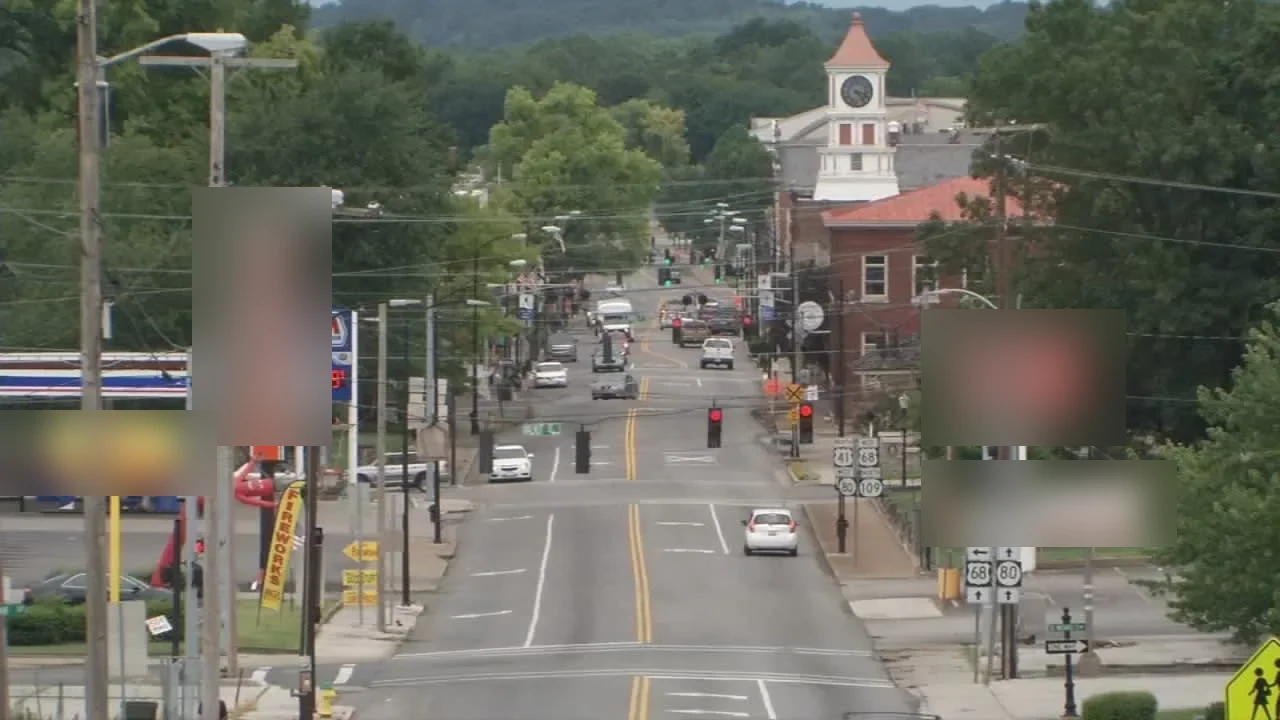
Closeout photographs show the completed tie-in, adjacent details, and any temporary protection still in place. We record the materials used, the repair boundary, the drainage check, and any roof area we could not reach. The facility contact receives the remaining items as separate decisions, with the next inspection point identified. This record helps staff compare a later leak with the condition seen during this visit instead of reopening the same investigation.
A Peachers Mill Road dispatch can be oriented by Providence Boulevard or Tiny Town Road, but the roof record belongs to the specific property and assembly. If a wider capital review is warranted, we identify which additional zones need testing and which can remain in service. That gives the owner a defined next step, whether it is a scheduled maintenance walk, a limited repair, or a phased replacement plan.
Send the property location, access instructions, and reported roof condition. We will map the work zone, confirm the weather window, and return a repair sequence with a clear daily handback.