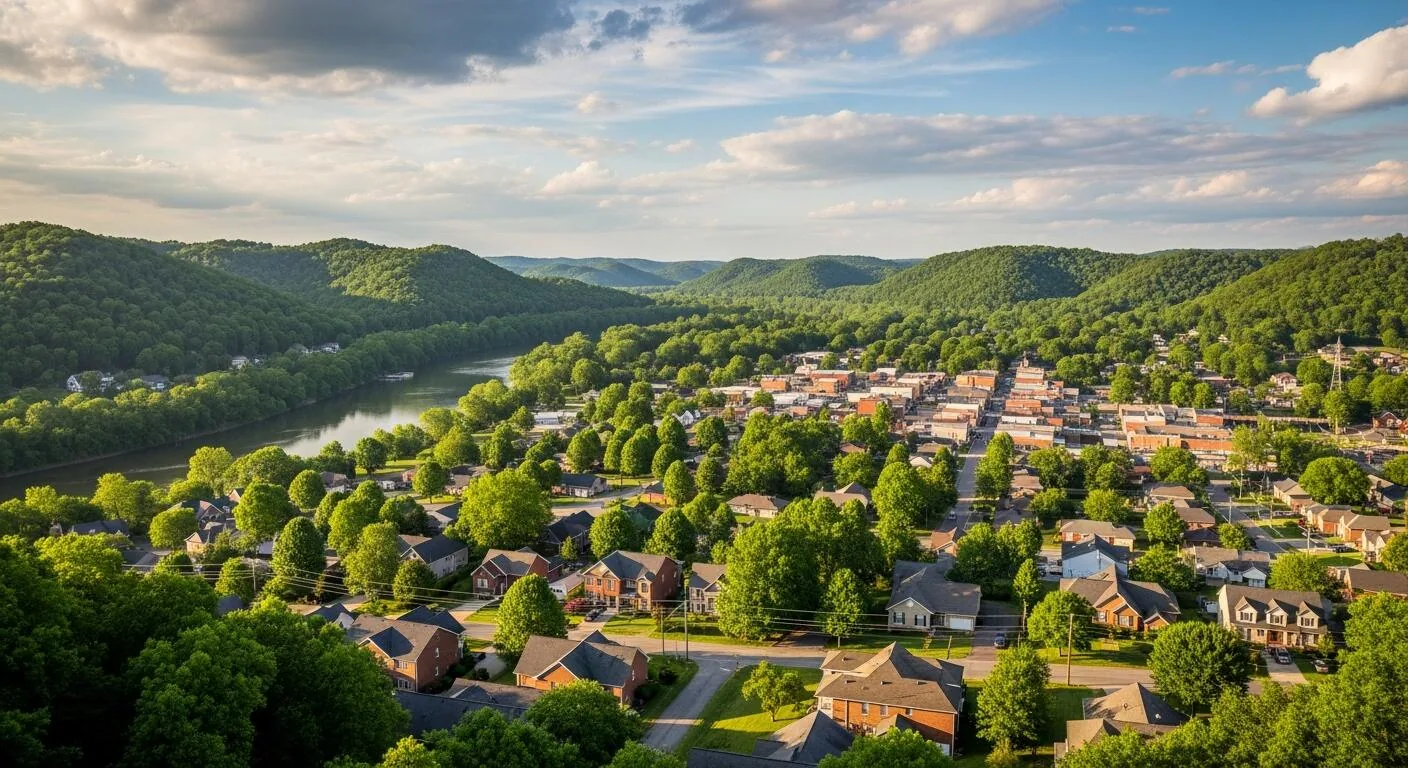
On Providence Boulevard, an occupied building can limit how much roof area is opened in one shift. The SR 12 corridor begins by Riverside Drive and extends toward Dover Road, which locates the route without identifying any particular property or roof. We confirm the facility entrance, roof access, and operating hours with the contact on site. From there, we trace the leak or planned replacement area and set a dry-in point the crew can reach before the weather window closes.
A leak near a wall, curb, or drain can travel before it appears inside. We compare the reported room with the roof plan, inspect the membrane or metal assembly, and check seams, flashing, fasteners, and penetrations along the likely path. A hands-on roof inspection records the condition by zone and separates visible damage from areas that need testing. Photographs show both the suspect detail and the surrounding material used for the tie-in.
At a drain, we look for blockage, a loose clamping ring, an open flange, and water that remains after nearby outlets are clear. At the parapet or edge, we check termination bars, coping, and attachment where wind can work on a loose detail. If the deck or insulation is soft, we mark the area and identify the test that would establish the extent. The owner sees which observations support repair and which need approval before removal changes the scope.
Providence Boulevard connects with Riverside Drive at one end and Dover Road at the other. A property is not defined by those junctions, so we use the roadway only to orient dispatch. The building contact confirms the exact gate, hatch, loading schedule, and access restrictions. That first coordination keeps the inspection route useful without treating corridor geography as a substitute for a roof walk.
May is the wettest normal month at 5.50 inches, while November shows 4.31; Clarksville's precipitation continues beyond those dates. We plan temporary protection so runoff still reaches drains and overflow paths while a repair zone is open. Before mobilization, compatible materials are staged and the crew agrees on the maximum area that can be opened and closed within the day's conditions. A clear close-in line matters as much as the material selected.
When water is entering, an emergency roof response can secure the opening and limit exposure while the permanent repair is defined. We record the covered area, how runoff is routed, and who checks the protection after weather moves through. If the leak is at a scupper or downspout connection, a drainage repair may be needed alongside membrane work. The scope keeps each item separate so a temporary measure is not mistaken for a completed roof correction. After the next rainfall, we can check the same reference points and compare runoff, interior reports, and the protected edge. That follow-up is especially useful when the first response had to happen before the surface was ready for a permanent tie-in.
A repair can be isolated when the adjacent surface is sound and the new material has a stable tie-in. We remove loose material, prepare the substrate, restore the flashing detail, and photograph the finished boundary. Repeated failures or wet insulation across more than one zone call for a larger comparison. A replacement plan should account for removal, protection below, daily closure, and the facility's hours, not just the membrane specification.
A recover may limit disruption when the existing layers, deck, drainage, and attachment can support another assembly. We verify those conditions before presenting a roof recover option. If concealed moisture or deck damage changes the basis, the written scope names the additional test and the approval point. The owner can compare a limited repair, phased recover, or tear-off using the same roof zones and operating constraints.
Clarksville's summer normals reach mean temperatures of 79.4°F in July and 78.7°F in August, while those months also receive average precipitation. For adhesive, coating, and membrane work, actual surface conditions and product instructions govern the sequence. We check temperature, moisture, and the tie-in before opening more roof. This avoids setting a crew schedule that outruns the time needed to complete and protect the selected detail.

A roof project on a busy arterial still depends on one building's safe route. We confirm lift placement, truck access, overhead conditions, roof hatch, tenant circulation, and fire lanes before materials arrive. The site contact identifies spaces that cannot be blocked and hours when noise or interior protection require extra coordination. A phased occupied-building plan assigns a barrier, daily handback, and contact for each work zone.
For an inspection involving a larger portfolio, a photo condition report keeps the repair history and open questions tied to the same roof sketch. We note any area not reached and schedule that limitation as a distinct follow-up. Access notes then carry forward to maintenance instead of being rediscovered during the next leak call.
When loading or deliveries share the service drive, we sequence material movement before the crew reaches the roof. The contact names a receiving window, the equipment that cannot be interrupted, and a route that avoids tenant entries. We also identify where removed membrane and insulation can be staged without covering drains or blocking emergency access. At shift end, the handback confirms that barriers, temporary cover, and interior protection match the agreed boundary.
No roadway identifies a roof assembly. We inspect the actual membrane or metal, visible layers, seams, and prior repairs, then tie the recommendation to those field conditions.
We stage compatible material, limit the open zone, and set a close-in point before removal begins. The daily plan also preserves drainage and names who checks temporary protection.
They can share a work window when the same zone is affected, but each item stays identifiable. We document the leak path, outlet condition, and any separate approval needed for hidden damage.
The existing layers, deck, moisture, attachment, drainage, and access determine whether another system can be installed. We record what supports recover and what test or removal would change that conclusion.
Closeout includes photographs, the repair boundary, materials used, unresolved items, and the next inspection point. The handback also identifies which roof area and interior route have returned to service.
At closeout, we verify the tie-in, drains, edge details, and temporary protection before the crew leaves. Photographs identify the completed zone and any condition that remains outside the approved scope. The record includes materials, test results, repair limits, and the person receiving the update. That gives the facility team a clear next inspection point and keeps a later change from being blended with today's work.
Riverside Drive and Dover Road help orient the Providence Boulevard corridor, while each roof needs its own property access plan and assembly record. If a wider capital decision is indicated, we map the added zones and name what must be tested before a price or schedule is revised. The owner can then move from a leak response to planned maintenance or phased replacement with a defined approval step.
Share the property location, roof concern, and operating limits. We will confirm access, trace the affected zone, and return a repair or replacement sequence with a defined close-in point.