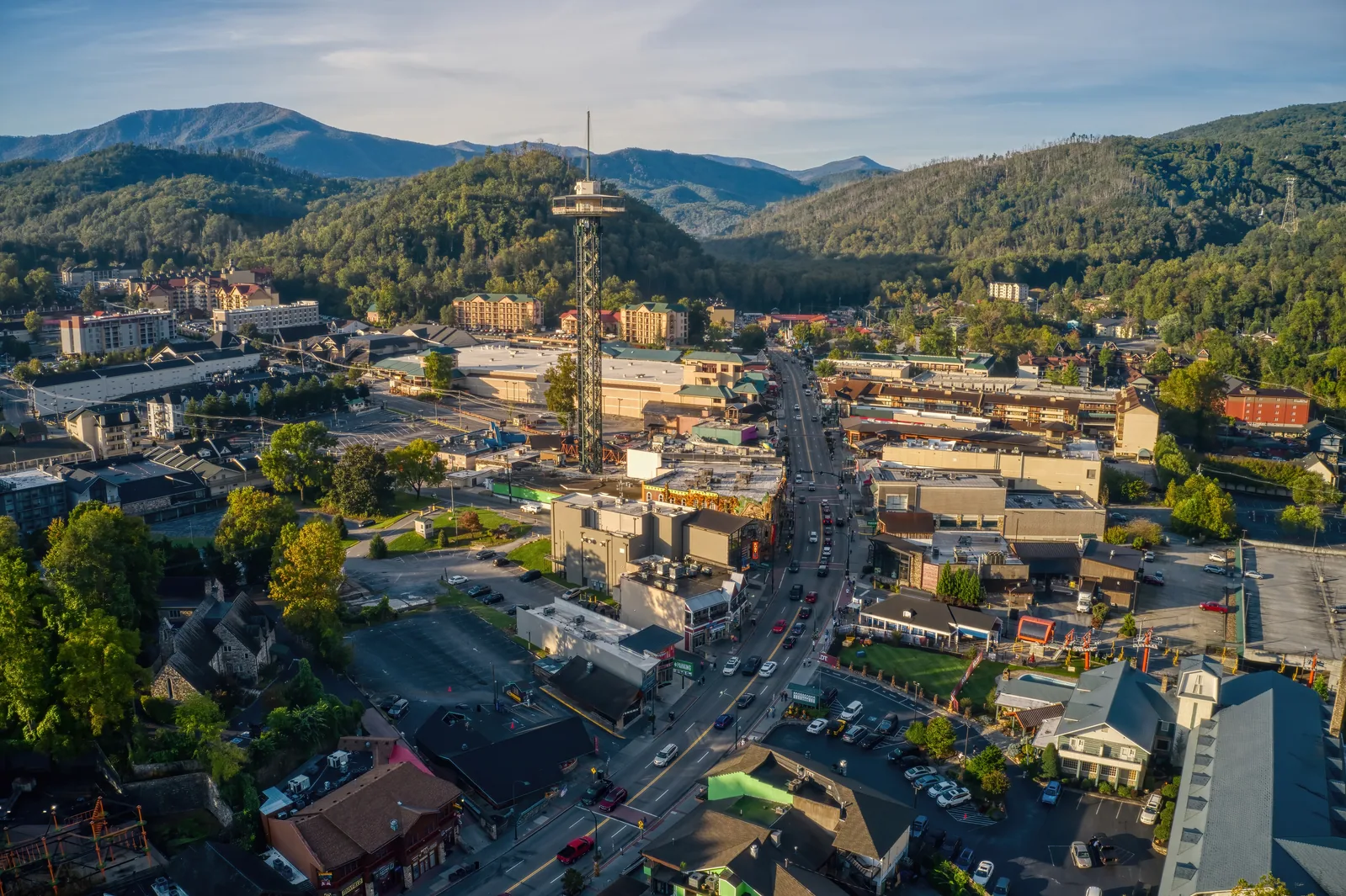
A wind-facing edge deserves a measured check after a severe-weather report. Purple Heart Parkway, SR 374, is a Clarksville arterial that runs from the county line to Fort Campbell Boulevard. That route helps orient a service call; it does not tell us the roof type or condition at any property. We confirm the facility, inspect the reported roof zone, and document attachment, flashing, and drainage before recommending a repair or wider review.
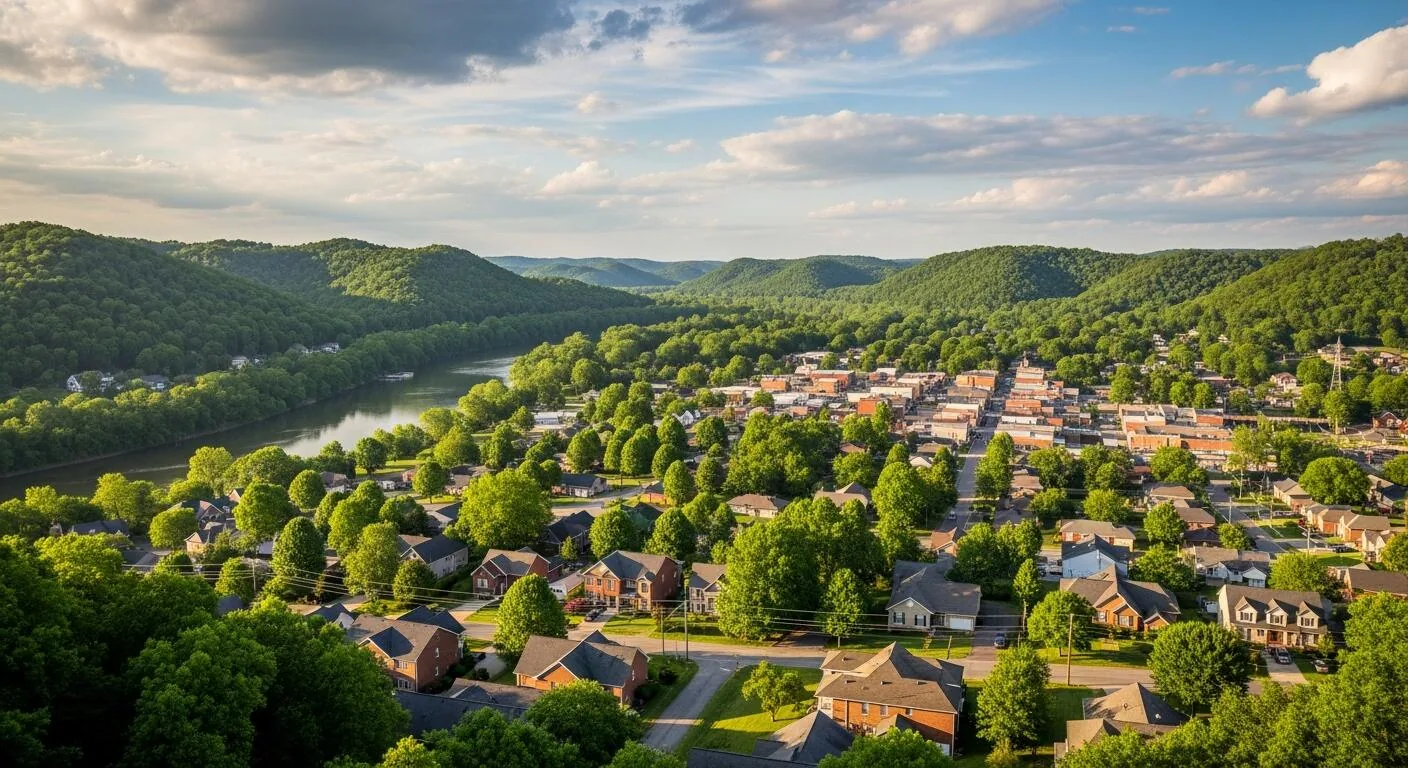
After wind, we begin at corners, perimeters, coping, and transitions where pressure can work a loose detail. We look for lifted membrane, displaced metal, opened seams, fastener movement, and fresh debris. A commercial roof inspection records what is visible and connects each photograph to a roof sketch. If the edge remains attached, we still check the next seam and penetration before calling the condition isolated.
Clarksville's December 2023 tornado crossed the area with estimated peak winds of 150 mph. That event supports a careful local wind context, not a claim that a particular Purple Heart Parkway building was affected. We use the weather report only to set inspection questions, then compare them with field evidence: edge attachment, flashing continuity, rooftop equipment, and any interior water report. A tornado damage assessment keeps temporary dry-in separate from permanent scope.
When hail is also reported, impact marks need their own review. We photograph membrane and metal surfaces at a consistent angle, note locations, and distinguish observed marks from conditions that need testing. The hail inspection process helps the owner preserve a clear record without treating every discoloration as a functional failure. We identify the next test only where it changes the repair decision. A camera view helps locate a displaced panel or lifted sheet, but attachment and substrate still need a close inspection from a safe route. We note panel laps, fastener rows, seam width, and the condition of adjacent material before selecting a replacement detail. If a repair needs a test cut, we set its location, restoration method, and approval point before opening the roof. This keeps the storm response tied to a repair that can be closed and checked.
Wind debris can move toward a drain, while a displaced edge or flashing can create a second route for water. We follow the roof slope to each outlet, check strainers and clamping rings, and note any ponding that remains after obstructions are cleared. A drain correction and a membrane repair can share a mobilization, but they stay separate in the scope. The facility can see which condition affects runoff and which detail is being restored.
The Clarksville monthly record reaches its precipitation high in May at 5.50 inches; November's average is 4.31 inches. Rainfall occurs in other months as well. We plan protection and close-in for the actual forecast, keep the open zone within the crew's capacity, and confirm that overflow paths remain available. If an opening has to be secured before permanent work is ready, our emergency response records the temporary boundary and return check.
A limited repair can be appropriate when adjacent material is sound and the replacement detail can tie into it. We identify the substrate preparation, fasteners or membrane tie-in, flashing, and edge metal required to restore the zone. If water has reached insulation or the deck, we mark that boundary before deciding how much material to remove. A focused repair scope names the confirmed work and the concealed condition that would need separate approval.
Several loose edges, repeated leaks, or moisture across separate areas can justify a broader comparison. We evaluate repair, recover, and replacement against the assembly, attachment, deck, drainage, and disruption to operations. A recover evaluation checks whether existing layers and structure can support an added system. If removal is the safer path, the phase plan sets how each zone will be closed and handed back.
Summer heat matters during installation even when a storm report started the call. August's Clarksville mean is 78.7°F with 3.17 inches of precipitation; July is 79.4°F with 3.64 inches. We follow the selected product's surface and moisture requirements and stage enough compatible material to finish the detail. The repair sequence should fit those conditions rather than assuming that a weather event fixes the schedule.
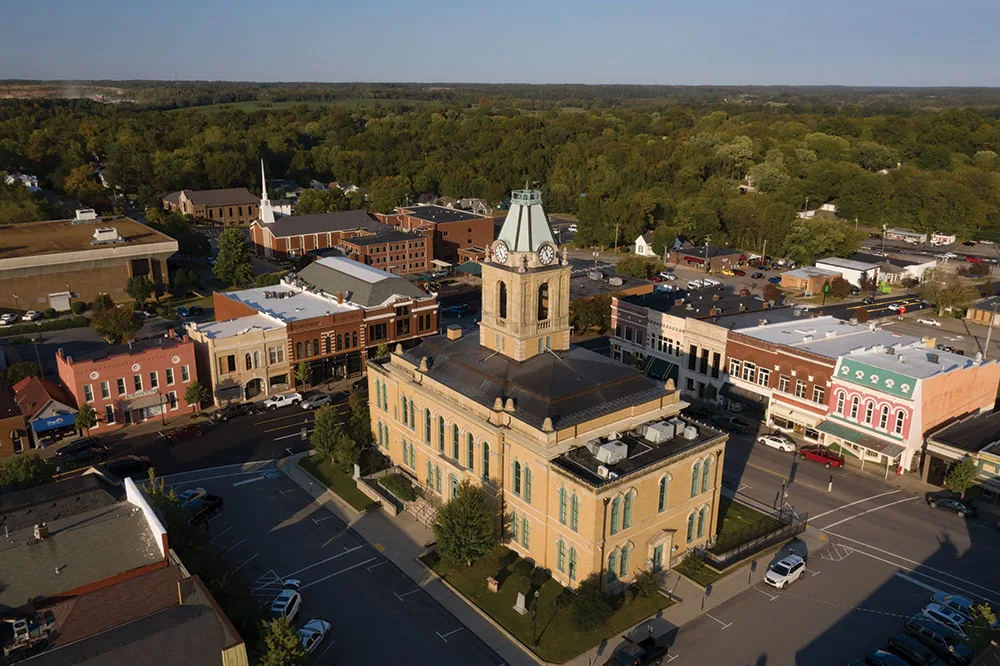
The parkway ends at Fort Campbell Boulevard, and the broader city route includes 101st Airborne Division Parkway among its main thoroughfares. A street name is dispatch context, not an access plan. The property contact confirms the roof hatch, gate, lift position, overhead restrictions, deliveries, fire lanes, and tenant circulation. We mark where materials can be staged and which space must stay open before a crew mobilizes.
For an operating facility, barriers and interior protection need an owner-approved boundary. We sequence noisy work around occupied hours, keep the weather opening limited, and name the person who accepts the daily handback. A phased occupied-building plan can coordinate those steps with separate trades or active loading. If the site has multiple roof sections, a photo condition report keeps findings and follow-up tied to the correct zone.
We inspect corners, perimeters, coping, seams, and penetrations, then compare those details with interior reports and debris patterns. The record separates fresh visible movement from older conditions and identifies any test needed.
No event report establishes an individual roof condition. We use the local wind context to set inspection questions, then document the actual attachment, flashing, membrane, and drainage observed at the property.
We define a temporary cover boundary, protect runoff routes, and set a return check. The closeout notes what was secured and what still needs a permanent tie-in once the surface and weather allow it.
Separate wet zones, repeated edge movement, or a deck condition beyond the reported area can justify a broader survey. We map the added area and approval point before testing or removal expands the work.
We need the approved gate and hatch route, lift or truck position, delivery windows, overhead limits, and spaces that must remain clear. The site contact also names who accepts each daily handback.
Before leaving, we check the completed tie-in, edge attachment, drainage, and any temporary cover. Photographs show the repair limit and the surrounding details that informed the decision. We list materials, test results, inaccessible areas, and any follow-up that remains outside the approved work. Facility staff receive the next inspection point and know which contact will review a change in the roof condition.
The county line and Fort Campbell Boulevard orient the Purple Heart Parkway corridor, while the roof scope remains specific to a property and assembly. For a facility contact coordinating more than one route, the Fort Campbell Boulevard and 101st Airborne Division Parkway corridors provide additional road context within Clarksville. If the survey uncovers a wider capital issue, we identify the additional zones and tests needed before revising cost or schedule. That keeps a rapid weather response from turning into an unbounded replacement decision and lets the owner compare a staged repair with a planned project.
Share the property location, storm or leak report, and operating constraints. We will document the affected roof zone, confirm access, and return a repair sequence with a defined close-in point.