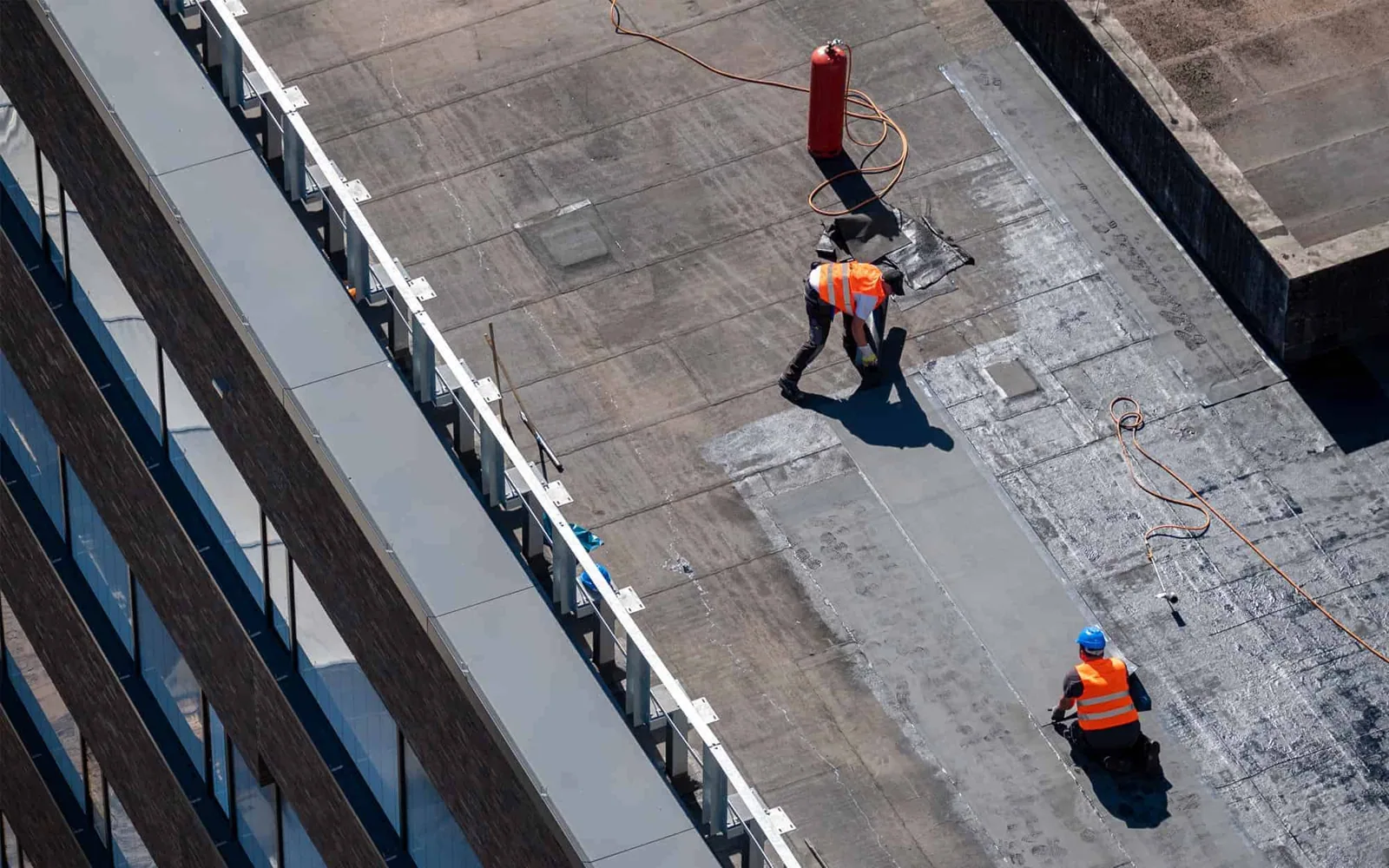
Warm afternoons and recurring rain make the surface condition matter before a coating is considered in Clarksville, TN. A coating can renew a sound, compatible roof, but it does not bridge a wet assembly, repair failed insulation, or correct a drain that leaves water standing. We inspect the existing membrane, seams, flashings, penetrations, and drainage path, then identify what must be repaired before application. That distinction matters for a distribution building near East Park as much as for a commercial property along Wilma Rudolph Boulevard. The roof walk records where the existing surface remains serviceable, where preparation is needed, and where restoration would hide a problem rather than solve it.
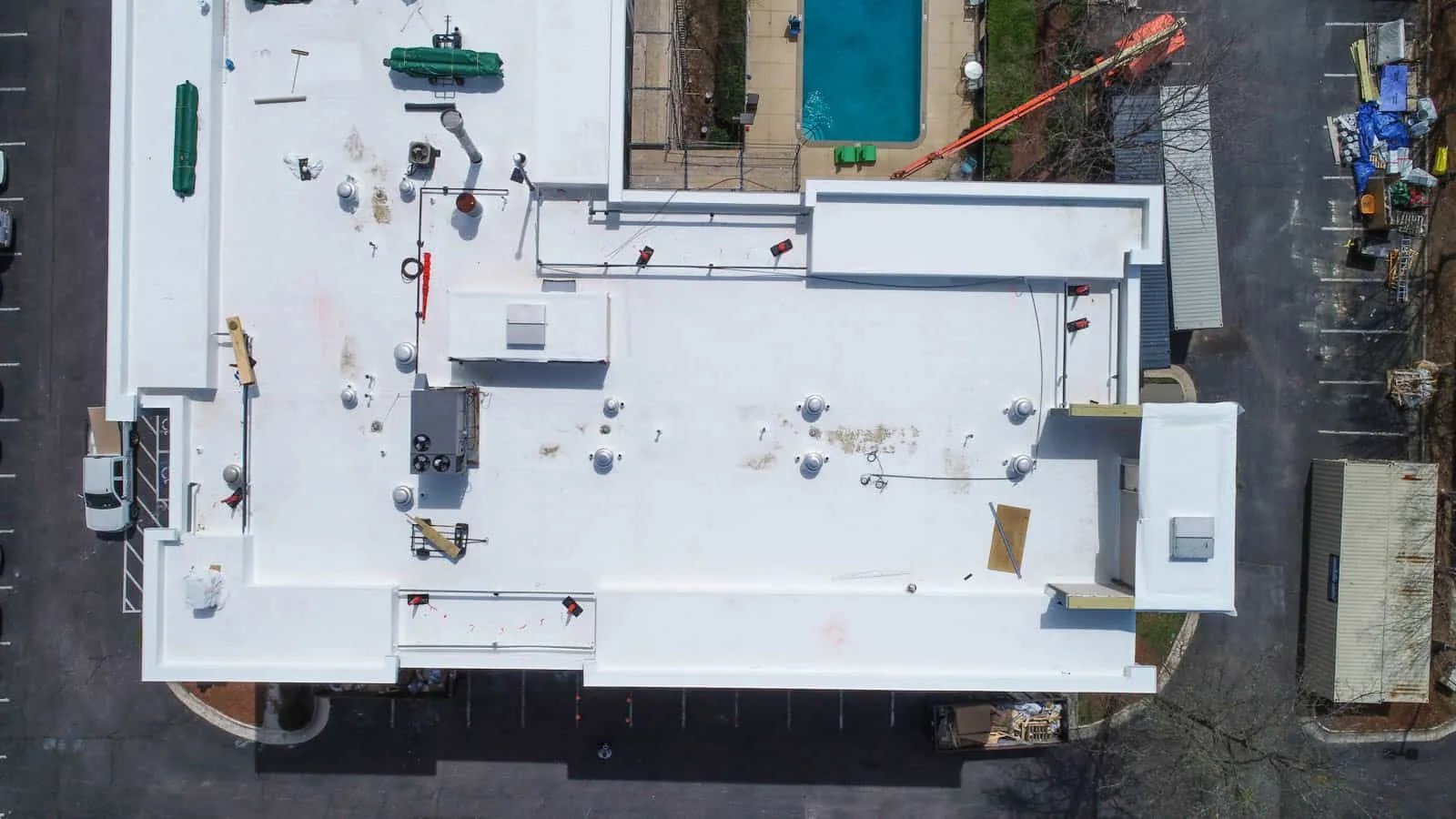
We check adhesion, exposed reinforcement, open laps, brittle or worn areas, prior patches, and transitions at curbs and perimeter metal. A coating system depends on the substrate being sound and dry enough for the specified preparation. Where moisture is suspected, we identify a test area or survey instead of coating over uncertainty. If sections use different materials, each needs its own compatibility review. The resulting scope separates repair, cleaning, primer, reinforcement, and finish coat so the facility can see the work order before a crew reaches the roof.
Long-term averages show 5.50 inches of rain in May and 4.31 in November for Clarksville; coating restoration must be scheduled around the actual forecast and the chosen product's cure requirements. That pattern makes a credible weather window and a dry-in plan part of the coating decision. We schedule around forecast conditions and the cure requirements of the selected system, protect active openings, and define what happens if rain threatens a shift. A hands-on roof inspection can document the starting condition, while a moisture survey helps target areas that need further testing.
Surface preparation is not a cosmetic pass. We remove dirt and loose material, address existing defects, and make test patches where adhesion or compatibility is uncertain. Metal, modified bitumen, single-ply membranes, and prior coating layers can call for different primers and reinforcement details. The product choice follows the roof condition and manufacturer instructions; a generic application across unlike surfaces risks weak bonds or missed transitions. Our scope identifies the substrate by area and notes any detail that needs replacement rather than encapsulation.
Hail reports from May 8, 2024 included estimates as large as three inches in Clarksville, but that event does not establish impact damage on a particular roof. We inspect the actual surface for punctures, displaced metal, fractures, and compromised flashings before recommending restoration. Where coating is not the right repair, we can prepare a localized repair scope or compare a recover option when the existing assembly qualifies. Conditions at South Park or elsewhere in the market still require a roof-specific check.
Before application, we agree on access, staging, equipment shutdowns, and the roof area that can be closed. The crew protects drains from preparation debris and keeps pedestrians below the work zone clear of overhead activity. Each shift has a planned stopping point, a secure edge or tie-in where needed, and a daily handback for the facility contact. If a coating requires a longer cure before foot traffic or rain exposure, that hold time belongs on the schedule instead of being left to a verbal update.
The Exit 4 Retail District and Trenton Road connect different building uses and arrival patterns in Clarksville. A street or district does not establish roof access, so we confirm the receiving entrance, escort rules, and occupied hours with each facility. For roof equipment or curbs, the scope can coordinate support and flashing work before the coating pass. We can also review drains and scuppers so water has a clear path once the restored surface is in service.
Production should begin only after the surface is accepted for the chosen system. We note the areas washed or mechanically prepared, any patch material that must cure, and the point where primer or reinforcing fabric begins. That record matters when equipment bases interrupt a field coat or when a roof has several substrates. If the facility runs multiple shifts, we agree on who can reopen a route and which temporary barricades stay in place. The closeout lists any section held for a later weather window, rather than treating an incomplete cure as a routine handback.
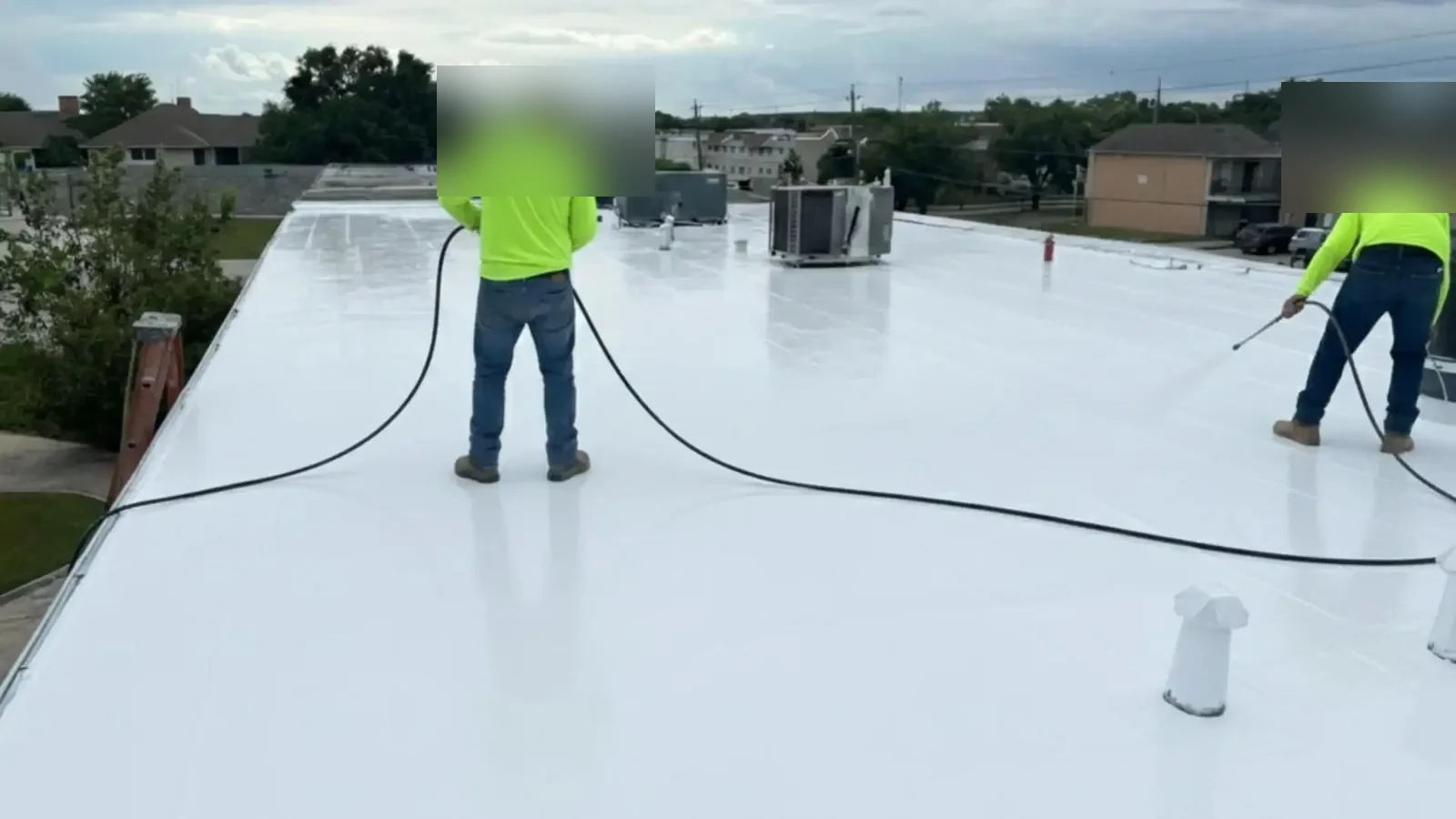
A coating may suit a roof with sound attachment and manageable repairs. Widespread wet insulation, unstable substrate, recurring seam failure, or details that cannot be made watertight can point toward a larger project. We document those conditions and explain which remain uncertain. The owner can compare preparation and repair scope with replacement planning without treating the coating as a shortcut around an assembly problem. Material condition, access, roof geometry, cure windows, and coordination with other trades drive timing and cost.
Clarksville's industrial map shows North Park, East Park, and South Park in a wider road and rail setting, yet no district label tells us what membrane is installed at any building. We inspect each roof in its own right and keep the findings tied to its area map. A photographed condition report gives capital reviewers the basis for comparing options; silicone roof coating details can help a team understand the system class, and East Park is a broad employment area rather than a single-property target.
We also compare expected disruption, not just installed material. Restoration can involve cleaning and cure time across a broad surface; replacement can add tear-off, disposal, deck review, and renewed edge details. Neither schedule is automatic. We show the areas available for work, weather constraints, and decisions that remain open, then let the owner weigh those against budget timing and the condition report.
The membrane and substrate need to be sound enough for preparation and adhesion, with active leaks, loose seams, and incompatible layers addressed first. We inspect representative areas, identify moisture questions, and perform compatibility checks when the existing surface is unclear. The scope separates repairs from primer, reinforcement, and finish work.
A coating does not correct a low area or blocked drain by itself. We trace the drainage path, check drain bowls and scuppers, and identify whether slope correction or a separate repair is needed. The recommendation should state what water condition remains after restoration and who will verify it.
We select a forecast window that fits the system's preparation, application, and cure requirements. The plan identifies a stopping boundary, protected openings, and the response if conditions change. Clarksville's rainfall is distributed through the year, so the facility contact should receive a clear daily handback and revised access plan when weather interrupts work.
Only after the roof is inspected and the affected details are repaired or replaced as needed. A regional hail report does not confirm damage at your property. We document observed punctures, fractures, or displaced components and determine whether the substrate still supports restoration before selecting a coating system.
Widespread wet insulation, unstable attachment, repeated seam failures, or damaged deck can make a coating a poor fit. We map those findings and compare the restoration scope with replacement options. A test cut or other opening may be needed when the assembly below the membrane cannot be confirmed from the surface.
Schedule a Clarksville roof walk. We will document the existing surface, check drainage and details, and outline the preparation and weather sequence for your facility.