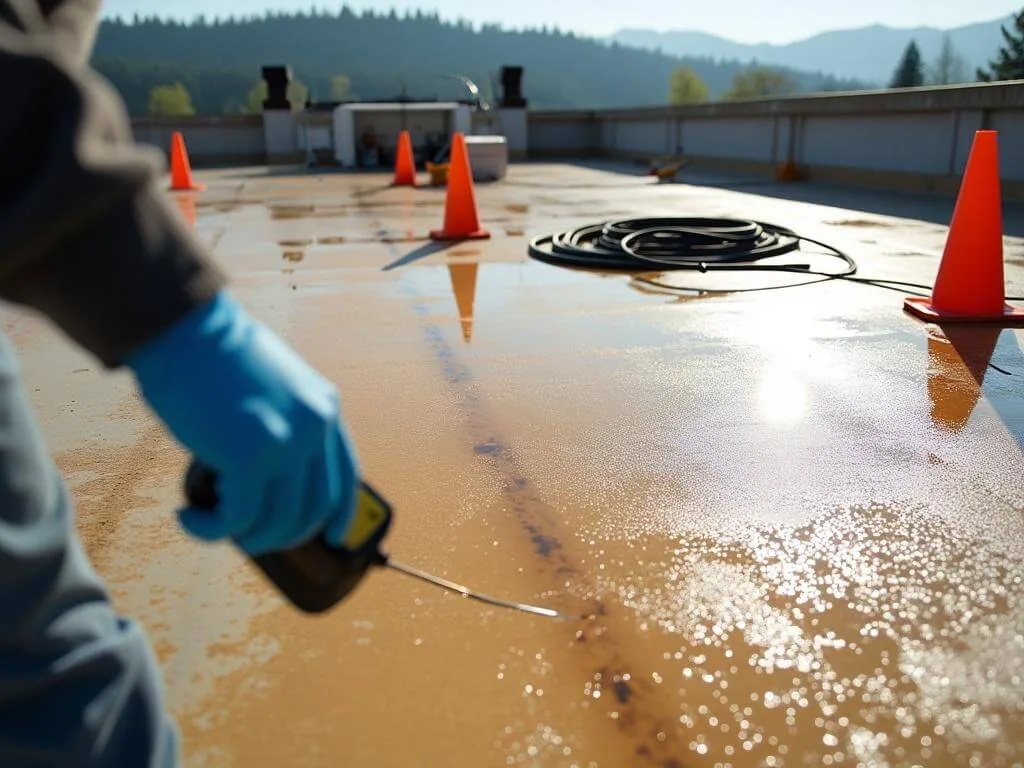
Persistent ponding changes the first coating question: does water need a drainage correction before the roof is restored? We first trace the water, inspect the existing membrane or surfacing, and confirm whether the roof can accept another layer. Clarksville's normals show rainfall in every season, with May averaging 5.50 inches in the cited climate table. That makes drains and low areas part of the coating decision. A silicone restoration can be useful where the substrate is sound, details can be prepared, and the water path is understood. The roof walk sets those limits before we discuss coverage, access, or the facility's work window.
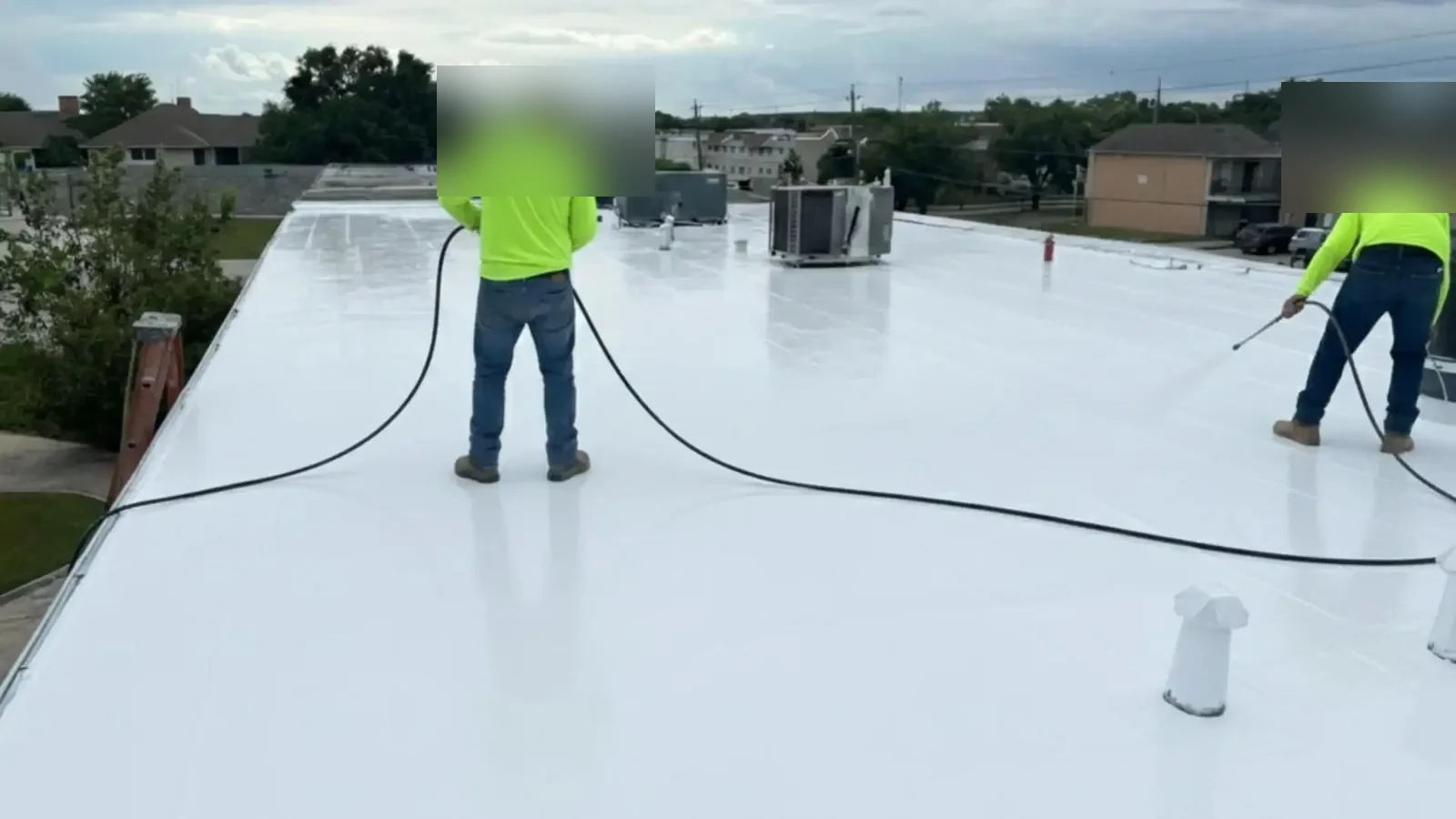
We inspect the existing surface for loose coating, exposed membrane, open seams, trapped moisture, blisters, splits, and repairs that have lost adhesion. A coating needs a clean and suitable substrate. It cannot restore wet insulation, failed attachment, or a drain that has stopped working. We identify representative test areas and note whether a repair must happen before the larger application. The condition report separates a sound field from transitions that need reinforcement, such as curbs, penetrations, walls, and metal edges. If an opening is needed, its location and decision value are recorded before it is made.
North, East, and South Park are named Clarksville-Montgomery County employment districts; those broad locations help frame industrial service coverage, not a claim about any specific roof assembly. A property in one of those broad areas may have a different roof assembly and operating schedule from its neighbor. We record the actual building, roof sections, and observed material. A comparison with acrylic coatings can help clarify how the facility's slope, exposure, and maintenance plan affect product selection. A spray foam roof assessment addresses a different assembly in which the foam profile is part of drainage.
We follow water from the high points to the outlet and check whether ponding comes from settlement, blocked drainage, counterflashing, or a changed roof level. The scope identifies each drain, scupper, gutter, and low area that may need correction. Silicone can tolerate standing water better than some coating chemistries, but that does not make a neglected outlet acceptable. We evaluate how the coating terminates at drains and whether the detail remains serviceable for cleaning and future inspection. An owner should know which drainage work is included and which condition needs a separate repair.
May and November precipitation averages in Clarksville's long-term normals are 5.50 and 4.31 inches. We use that local pattern to plan application windows and the daily close-in boundary, not to predict weather on a particular work date. A drain and scupper assessment documents the outlet path. If moisture may be beneath the membrane, an infrared moisture survey can help select test areas when the assembly and conditions support the method. We compare the result with visual inspection and any approved opening before calling the roof ready.
Surface preparation includes cleaning, removal of loose material, repair of defects, and treatment at details. We test adhesion in agreed areas and use the result to confirm primer or preparation needs. On a roof with mixed materials, each substrate can respond differently, so a single test at one corner is not a blanket approval. The work plan lists the zones, repair sequence, material staging, and conditions that pause application. It also identifies equipment, air intakes, and occupied areas that need protection during cleaning and coating.
Summer is a meaningful scheduling factor in Clarksville: the long-term July and August mean temperatures are 79.4 and 78.7 degrees Fahrenheit. Those figures describe the climate record, not the roof surface or a coating's actual cure time. We follow product requirements and site conditions for temperature, moisture, and recoat windows. For a roof near Trenton Road, the city's official road list identifies the corridor as a main thoroughfare, but the facility must still confirm its delivery entrance and roof access. A Trenton Road service-area inspection follows that same site-specific access check.
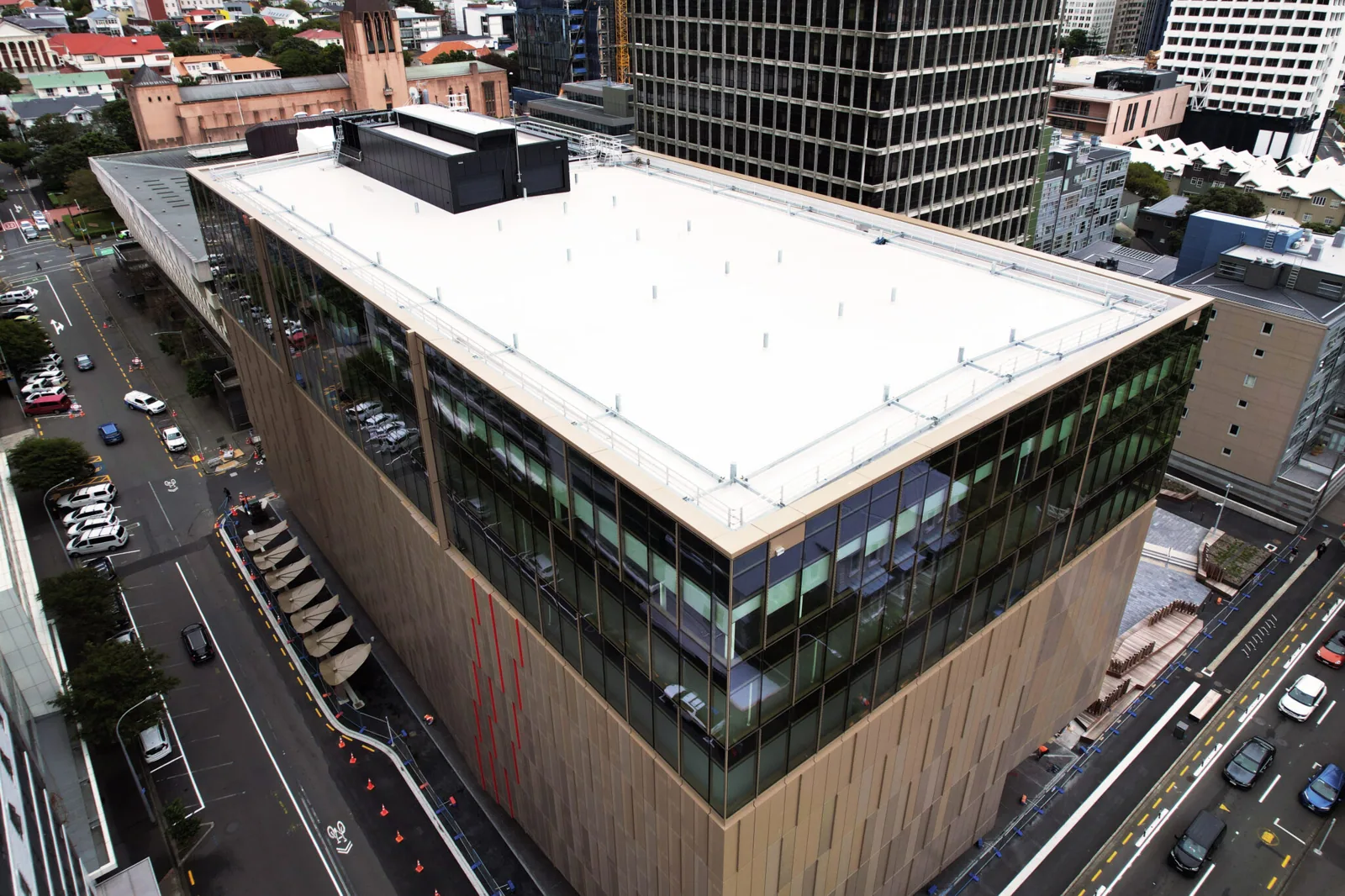
Coating scope is driven by measured roof area, preparation, existing repairs, detail count, moisture findings, and the amount of drainage or flashing correction. We record the application limits and describe the surface profile the crew expects to receive. If damaged membrane requires replacement, the repair is itemized before coating begins. At a parapet or curb, the scope explains how the coating connects to the detail and how the edge will be protected. Those definitions matter more than a broad statement that a roof is suitable for restoration.
Where coating is not an appropriate path, we compare recover or replacement based on the existing assembly, moisture, deck condition, and roof height at drains and walls. A restoration evaluation can map the preparation and repairs first. A recover assessment checks whether another layer is feasible, and a replacement scope identifies removal and deck review. We set cost drivers qualitatively until the condition and quantities are documented, then the facility can compare a defined repair with a broader capital option.
No. We inspect the existing membrane or surfacing, adhesion, moisture, repairs, drainage, and details first. The roof must be a suitable substrate, and defects that cannot support the coating need repair or removal. Test areas help confirm preparation and compatibility before the proposal sets application limits.
It can protect a suitable surface exposed to standing water, but it does not correct a blocked drain or change a low roof profile. We trace the path and identify any outlet or slope work in the scope. The coating recommendation follows that drainage review.
We compare the surface inspection, moisture survey where appropriate, and test openings approved by the owner. The report maps the locations checked and any uncertainty that could change the scope. A coating is delayed or limited if moisture or substrate failure remains unresolved.
Preparation, existing repairs, penetrations, edge details, moisture findings, access, and drainage correction affect the work. We measure the field and list repair areas separately so the facility can see what is included. Conditions that require removal or a test opening are identified before quantities are finalized.
We agree on the work zones, air-intake precautions, staging, approved hours, tenant circulation, and daily handback point. The crew records conditions and stops at a secure boundary if rain or moisture changes the application window. The facility contact receives a closeout by roof section.
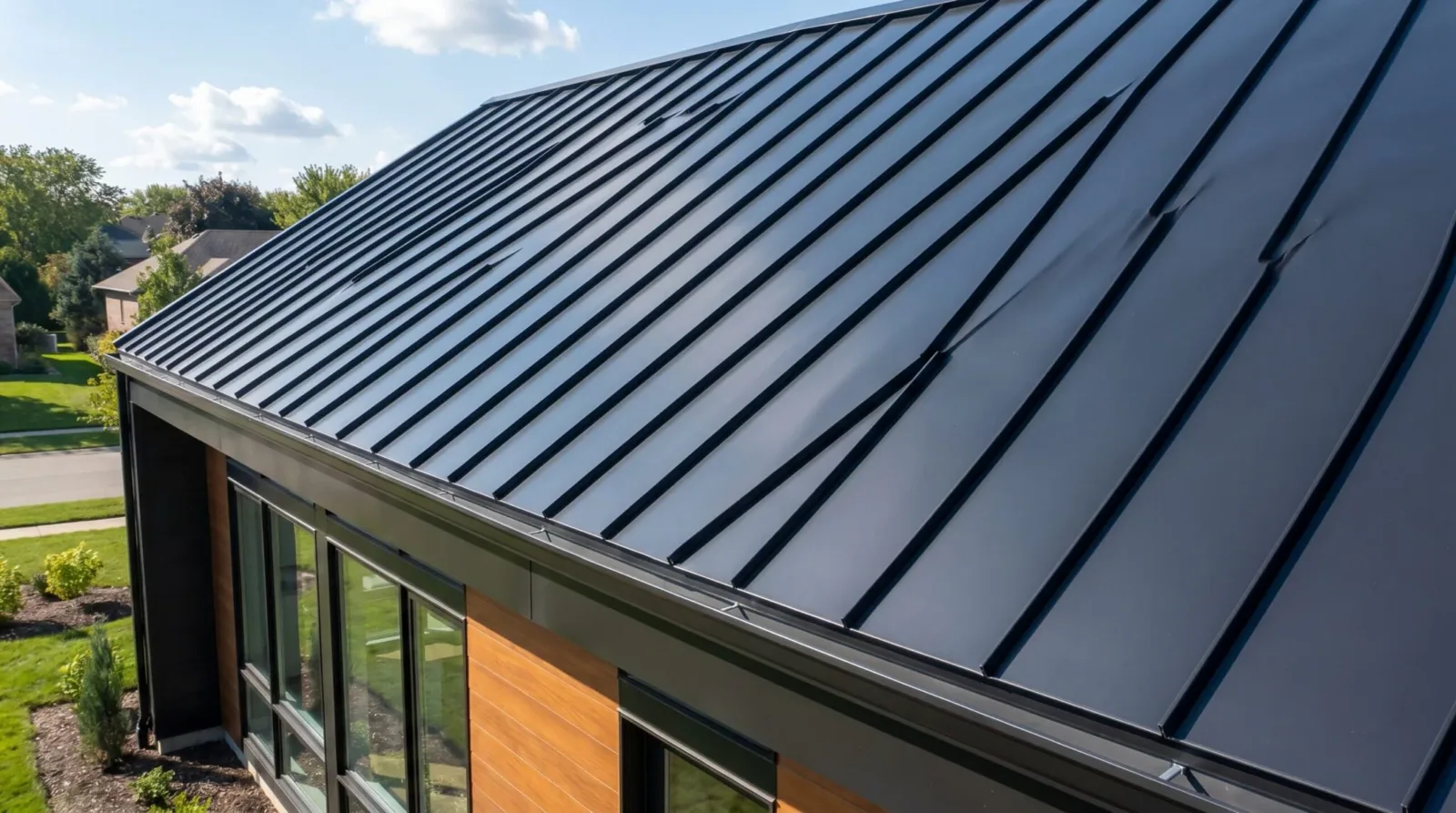
We divide the roof into areas small enough to prepare, coat, inspect, and hand back within an agreed shift. The plan records the crew route, staging zone, rooftop equipment restrictions, and temporary protection for exposed sections. A site contact confirms tenant circulation and any hours when odor, noise, or access affects operations. The daily report identifies the prepared area, application status, weather condition, and boundary left secure. If rain or surface moisture interrupts the work, the crew stops at the defined limit rather than spreading a coating into an unsuitable zone.
Clarksville's I-24-connected employment districts and its main routes, including Warfield Boulevard, help orient mobilization but do not replace an on-site access plan. We confirm truck restrictions, gate procedures, lift location, and safe roof access with the facility. Around-the-clock emergency response is available on weekends and holidays to secure an active opening while the permanent scope is prepared. The closeout records coated areas, repaired details, test results, photographs, and a next inspection point so staff can monitor seams, drains, and coating wear.
Share the roof plan, drainage concerns, repair history, and operating constraints. We will inspect the surface and details, then document whether a coating, repair, or larger renewal path fits the building.