A solar array adds a second work plan to a roof that already has to move water and protect the building. A solar-ready roof review should identify the drainage path and its inspection access before array layout fixes panel rows or conduit locations. Check roof drainage and planned penetrations before solar equipment is installed. Those conditions make drainage, penetrations, and temporary dry-in part of the roof discussion before equipment reaches the deck. We inspect the existing membrane, seams, edge attachment, curbs, and insulation, then coordinate proposed array supports with the solar and structural teams. A property near Wilma Rudolph Boulevard or Rossview Road still needs a building-specific review. The first decision is whether the roof can support the planned work and expected service period, not where panels might fit on a drawing.
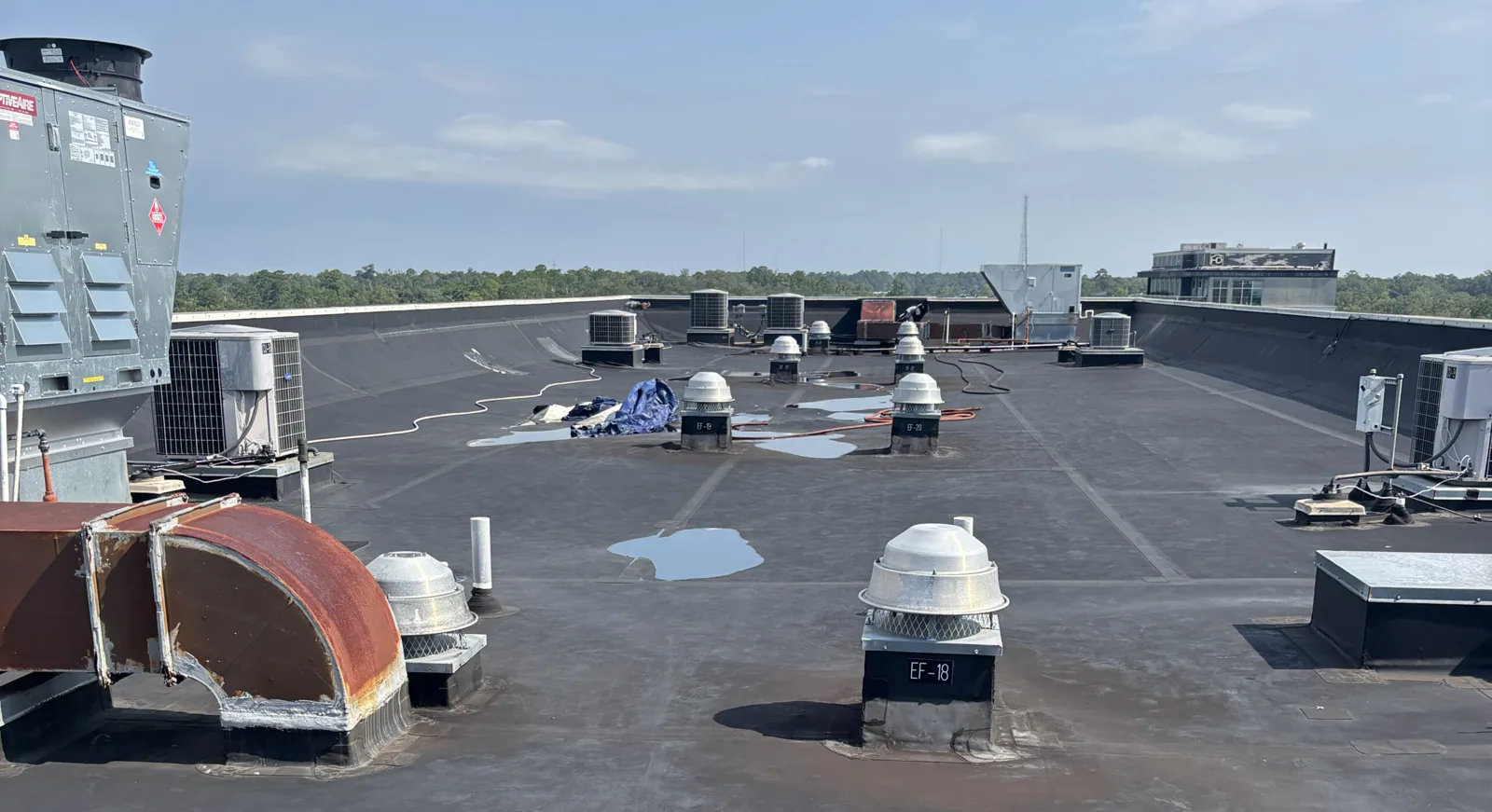
We document the existing roof system, age information available from the owner, visible repairs, moisture concerns, and areas that need testing. The review includes membrane seams, penetrations, drains, perimeter attachment, and rooftop equipment that may limit array placement or service paths. If the deck or insulation condition is uncertain, we identify a test location before loads or supports are designed around an assumption. A hands-on commercial inspection records the accessible condition; an infrared survey can help target openings when moisture is suspected but not visible.
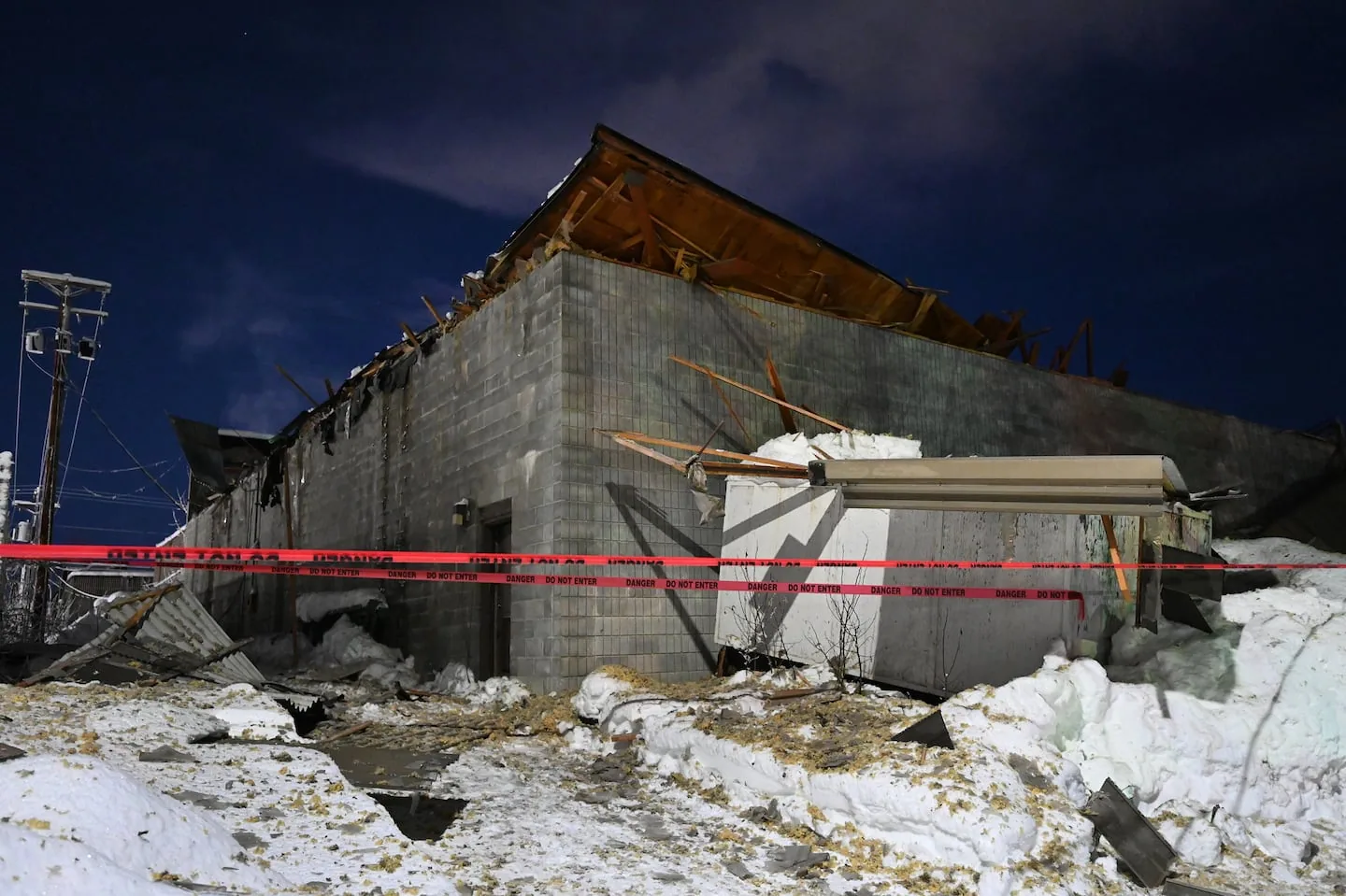
Clarksville recorded an EF3 tornado in December 2023, and local hail reports followed in May 2024. The storm history is a reason to assess attachment and edge details, not proof that a roof at a particular property is damaged or unsuitable. We record the condition that exists now and share roof-system information with the project team. If replacement timing is near, it may be more practical to complete a roof replacement before setting solar supports, rather than remove and reinstall an array during later work.
Solar supports transfer loads to a roof assembly or structural frame. The structural and solar designers must determine the load path and attachment; our roofing scope details the weatherproofing at approved penetrations or supports. We do not substitute a roof walk for structural calculations. Before construction, the team confirms support locations, ballast or attachment approach, conduit paths, walkway clearance, fire access requirements, and the sequence for flashing each penetration. We flag locations that cross drains, expansion joints, equipment service zones, or roof areas with unresolved moisture.
Roof access matters during installation and future maintenance. The facility contact coordinates lift areas, delivery timing, electrical shutdowns, and routes that remain clear for building operations. At a Clarksville property near Wilma Rudolph Boulevard or Rossview Road, those streets provide context, but they do not establish a site's gate, receiving area, or roof layout. We work from the owner's access plan and the issued project drawings, then record the actual field condition before cutting or fastening. A curb and support review helps resolve conflicts with existing rooftop equipment.
Each roof opening needs a planned dry-in point and a compatible tie-in to the existing assembly. Roofing and electrical crews agree on who prepares the opening, who installs the support, who completes the flashing, and when the area can be returned to service. We keep the exposed work zone limited to what can be secured within the forecast window. If rain interrupts installation, the facility needs a defined temporary protection method and a point of contact for checking it. Conduits and supports should not leave water paths blocked or make a drain inaccessible.
The system choice influences the detail. A thermoplastic membrane uses different flashing methods from EPDM or modified bitumen. We identify the existing assembly, review the proposed interface, and show how each penetration will be repaired or reinforced. If the roof is approaching renewal, compare recovery with removal and replacement before solar installation. A coating may also be reviewed on a suitable surface, but it does not correct wet insulation or failed attachment.
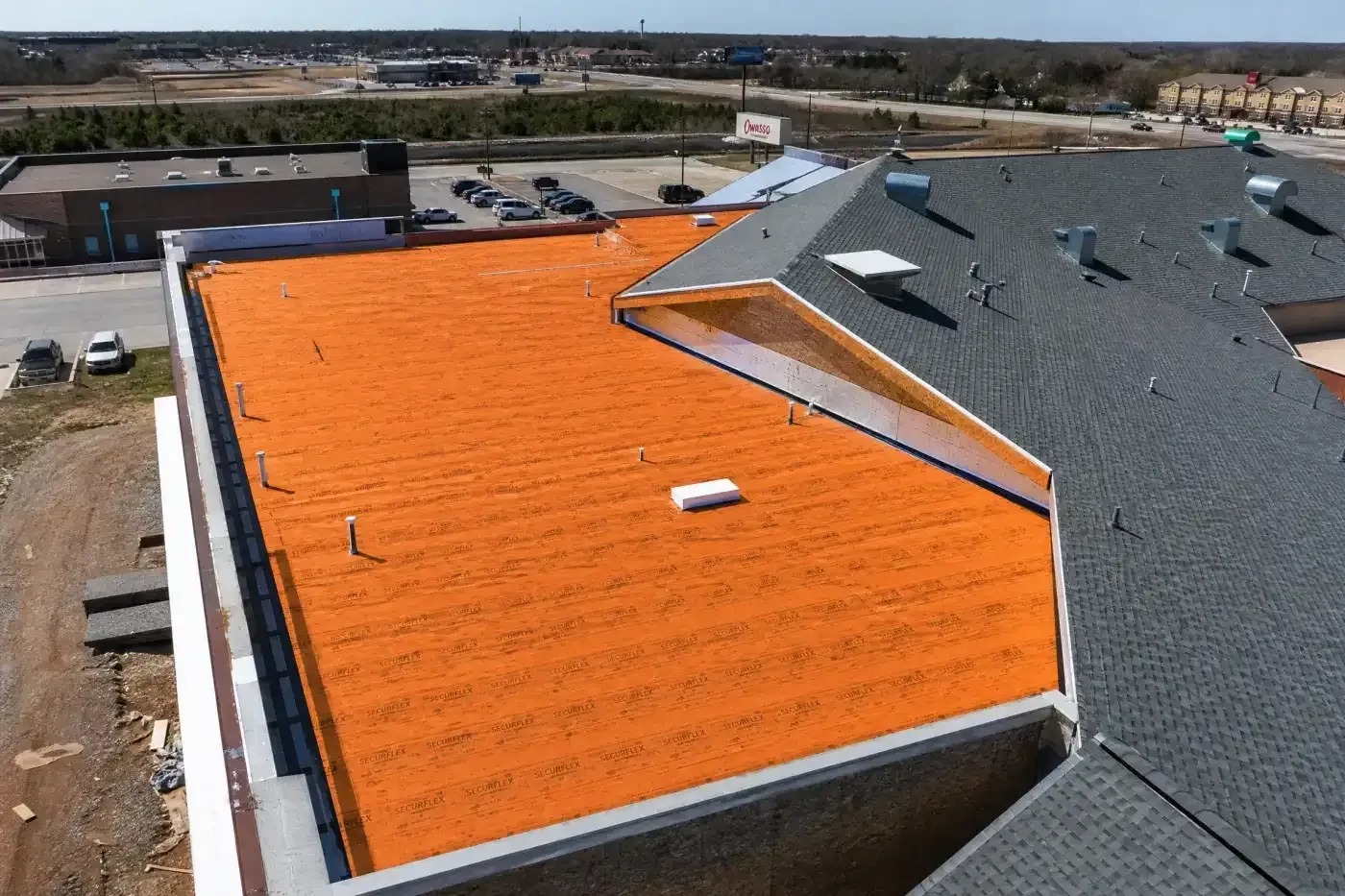
A solar-ready roof should remain serviceable after the panels are installed. The plan marks access lanes, drains, roof hatches, equipment clearances, and locations where panels or conduit could obstruct inspection. We coordinate these routes with the solar layout and facility team. If the roof includes areas of different age or material, each zone should be documented so later repairs do not disturb the wrong assembly. A clear record also helps the next maintenance crew understand which trade is responsible for a flashing detail or support connection.
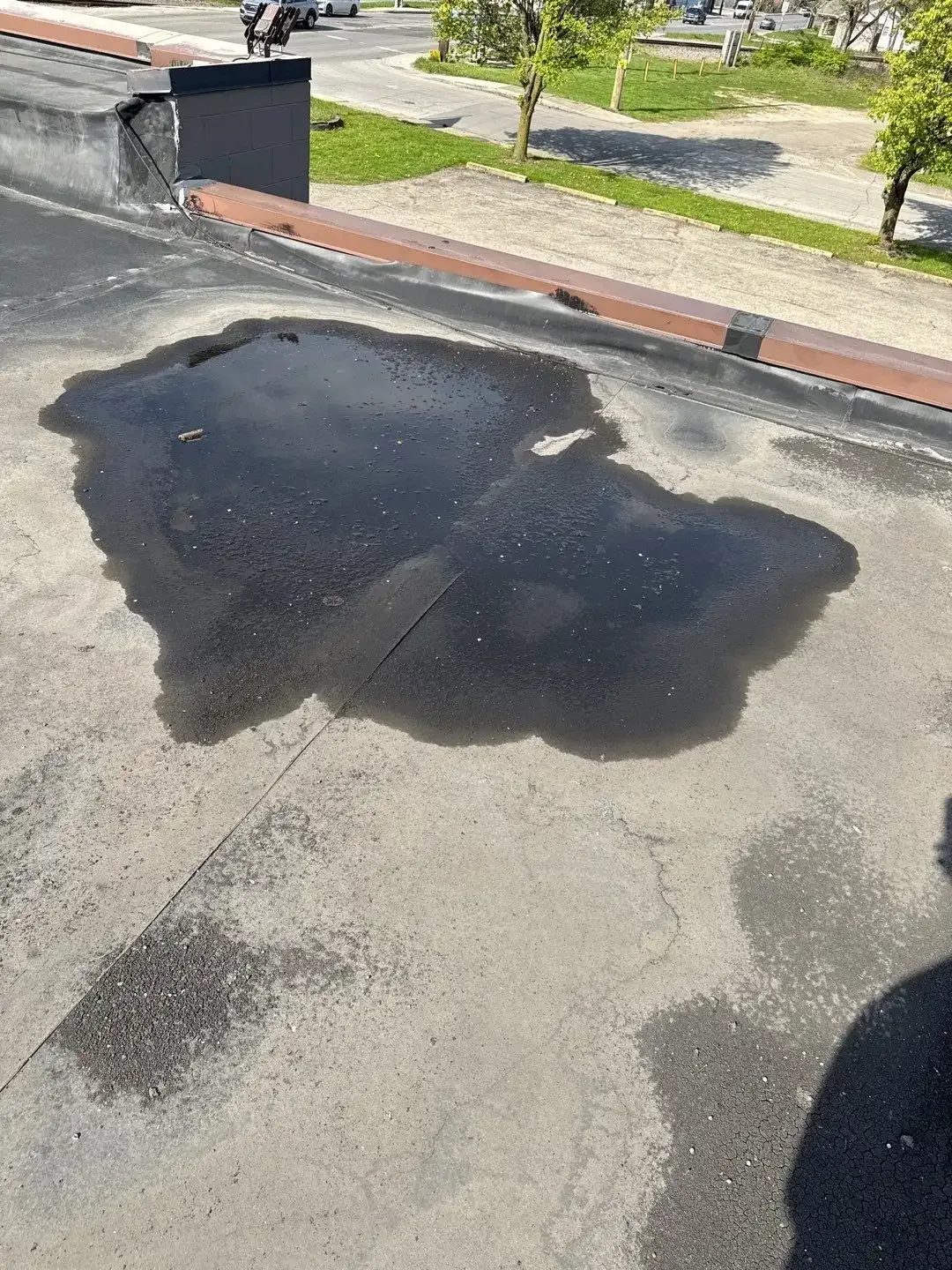
Clarksville's rainfall distribution makes a clear drainage path useful through more than one season. We check that supports, conduit, and walkway pads do not create dams or conceal drains. The closeout can include roof-area photographs, marked support locations, flashing materials, and any follow-up inspection interval agreed by the project team. A photographic condition record helps coordinate roof observations and array service. The owner retains the roof record alongside the solar drawings.
We inspect the accessible roof condition, document the existing system, and identify repairs, moisture questions, drainage conflicts, and support locations that need design review. Structural capacity and array layout remain with the qualified project designers. The roof report gives them observed conditions instead of assumptions about the membrane or deck.
That depends on documented roof condition and the project's timing. If widespread deterioration or wet insulation is present, replacing before the array can avoid lifting equipment for later roofing work. When the assembly remains serviceable, a repair or recover review may be enough. We compare the roof findings with the expected project sequence and show what each option requires.
The roofing scope should identify the party responsible for each opening and the approved flashing detail. We coordinate with the solar installer and design team so support placement, membrane preparation, and weatherproofing happen in the right order. The closeout records the material and location for later inspection.
The layout should preserve drainage outlets, service clearances, and safe access routes. We review the roof plan with the facility and solar teams, then flag conflicts such as supports near drains or conduits across inspection paths. The final layout and any required code clearances are confirmed by the responsible project designers.
Keep the roof condition report, marked support and penetration locations, photographs, flashing details, and solar drawings together. We can document repair limits and the next roof inspection points. That record helps the facility distinguish roof maintenance from array service when a future leak or equipment change occurs.
The roof condition, remaining service life information, structural review, and array schedule determine the practical next step. We identify repairs that should happen before installation, areas where testing is still needed, and details that require design coordination. If only part of the roof is ready, the plan can distinguish approved zones from work that should wait. The owner receives a written scope that states what the roofer will prepare and what remains with the solar contractor or engineer.
We do not set panel layout or promise energy production. We give the team a roof condition and a weatherproofing sequence to use with its engineering and electrical decisions. A facility near Wilma Rudolph Boulevard or Rossview Road receives the same building-specific review as another Clarksville site. Before equipment is ordered, schedule a roof walk and compare the conditions with the existing membrane system and drainage details.
Arrange a Clarksville roof walk with your solar and facility teams. We will document the existing assembly, identify weatherproofing needs, and set a clear sequence for supports and roof work.