
After a storm, a commercial roof needs a safe first look before anyone moves debris or covers a damaged area. In Clarksville, TN, a December 2023 tornado crossed the area, and local hail reports followed in May 2024. Those events establish regional exposure, not damage at your property. We begin with the reported leak, visible opening, displaced edge, or interior interruption, then set a work zone and determine what can be secured safely. The first objective is to protect the building and document the condition; permanent repairs follow once the affected assembly, access, and weather window are clear.
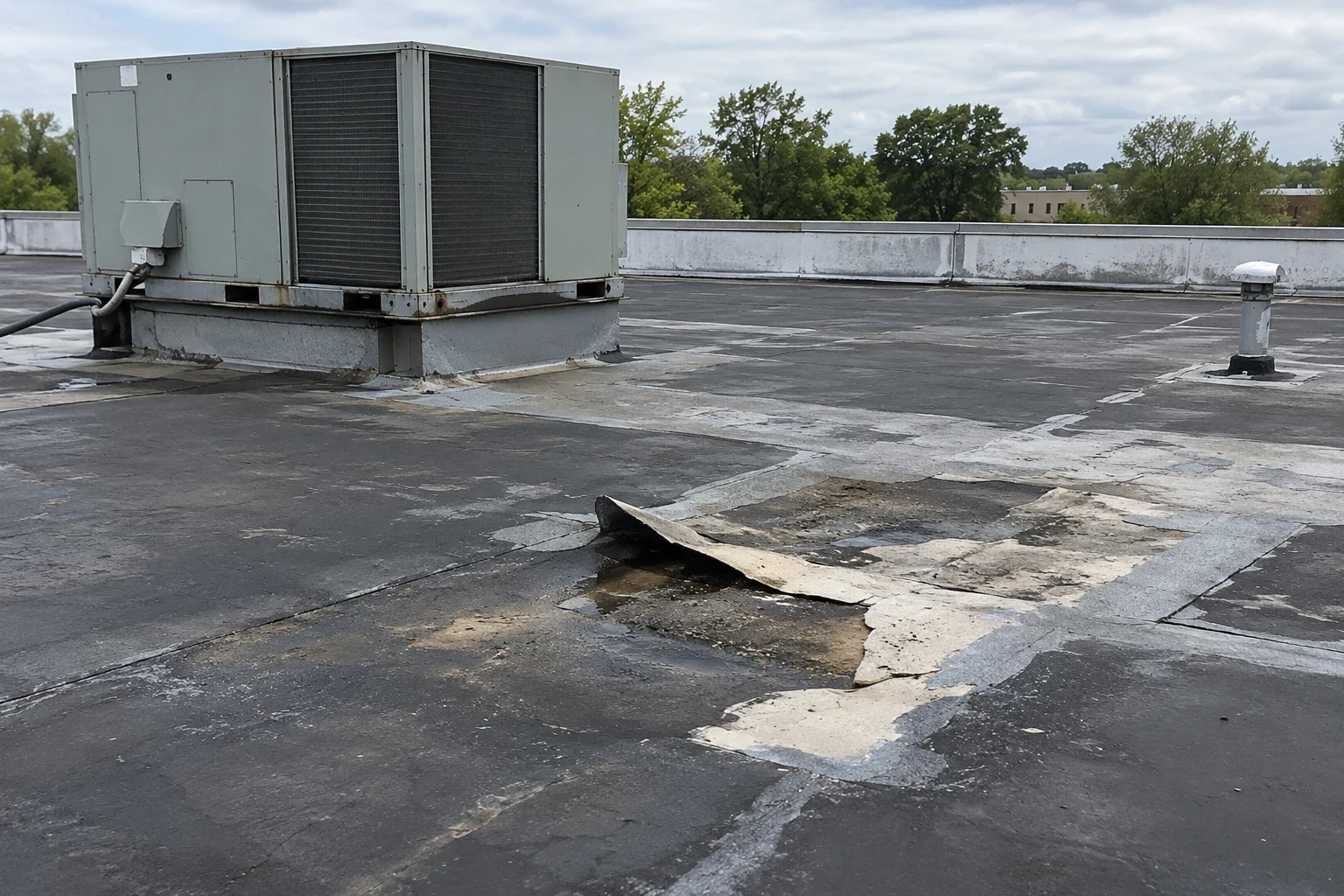
We identify the entry point if it is safe to reach, photograph the membrane or metal condition, and note any water path reported inside. Temporary dry-in is sized to the opening and tied off so it does not create a loose edge in changing wind. Drains stay open, debris is handled without driving it into the roof, and staff receive a clear boundary around the work area. If the deck or structure appears compromised, we isolate that zone and coordinate access before moving materials across it.
A Clarksville-region tornado on December 9, 2023 reached EF3 intensity, tracked 47.75 miles, and had estimated peak winds of 150 mph; inspection findings must establish damage at the property being repaired. A later storm survey included hail estimates up to three inches in Clarksville. The records explain why wind-facing edges, penetrations, seams, and impact points deserve inspection, but the repair scope relies on what we observe. For immediate stabilization, our around-the-clock emergency response can address an active opening, followed by a hands-on inspection once access is safe.
Wind can lift perimeter metal, loosen fasteners, pull at membrane seams, and move rooftop components. Hail can bruise or fracture some surfaces, while falling limbs or equipment can puncture a membrane. We document each condition by roof area and compare it with pre-event records when the owner has them. A fresh opening, a prior patch, and ordinary wear should not be blended into one damage label. We identify observed impact, water entry, and uncertain areas separately so the owner can decide whether testing or a second trade is needed.
For a building near North Park or along Rossview Road, the facility contact can help identify affected rooms, equipment, and operating periods. We trace the likely water path from the interior report to roof details such as curbs, skylights, seams, drains, and edge metal. When damage sits beside a drain, the scope may include drain and scupper repair; when the membrane is punctured, we map the repair boundaries and compatible tie-in rather than applying a general patch across dissimilar layers.
A permanent scope states what will be removed, what remains, how the new detail ties into the existing roof, and how the area will be dried in before a shift ends. We coordinate access, equipment restrictions, delivery timing, and interior protection with the facility lead. If water reached a production or tenant area, we agree on the path below the work zone and any shutdown needed before opening the assembly. Each day's handback identifies temporary protection, completed repairs, and what remains exposed or restricted.
Clarksville's main thoroughfares include Trenton Road and Wilma Rudolph Boulevard, but street context does not determine site access or crew staging. We confirm the entrance and receiving plan for each building, whether it sits near the Exit 4 Retail District or in another part of the market. If broader replacement is under consideration, a repair assessment can be compared with replacement planning, with photos and a condition report kept in the same facility file.
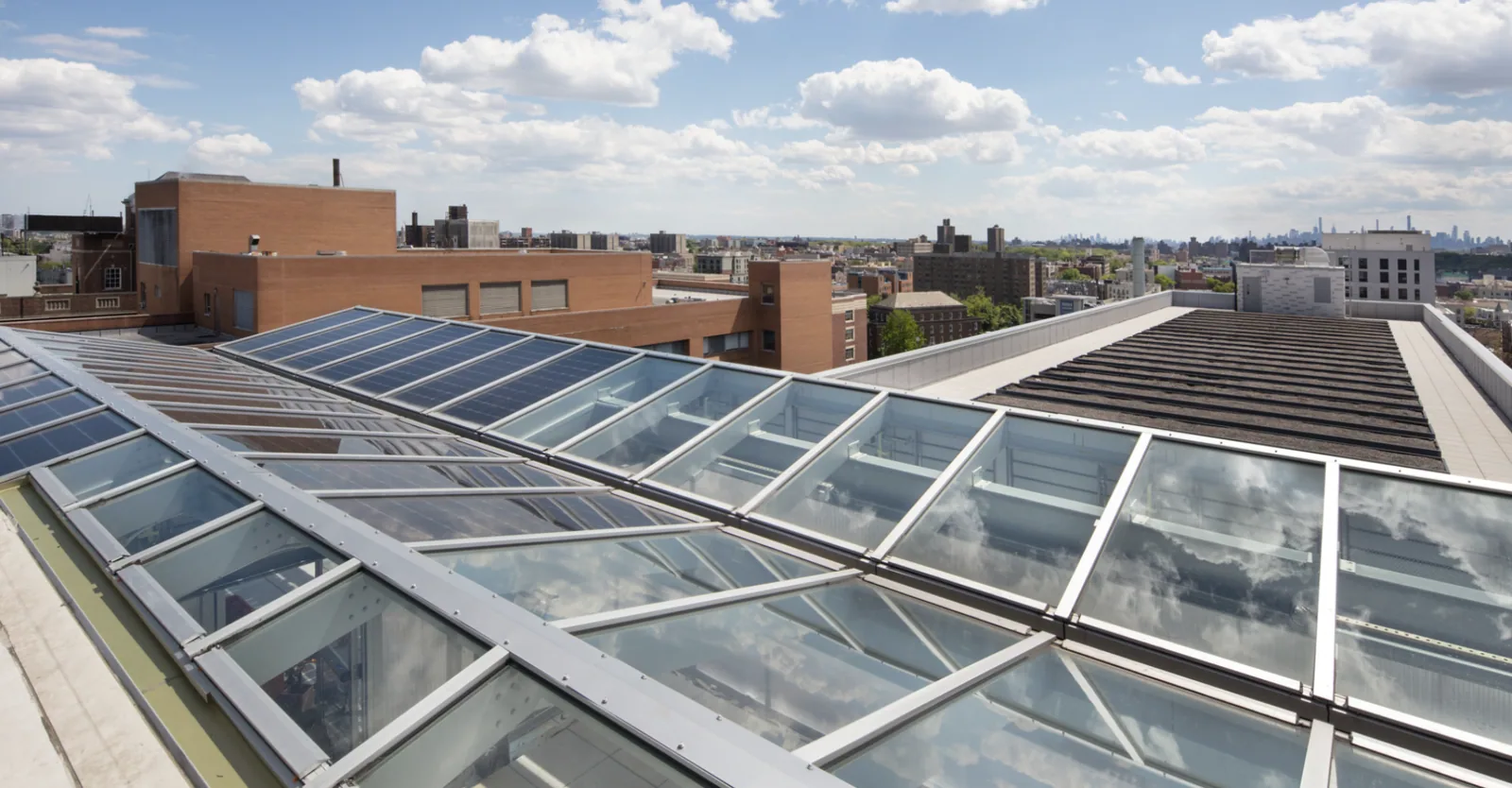
The closeout should link each photographed condition to a repair, temporary measure, or open question. We label roof areas, note material transitions, record the weather-related access limits, and identify the next inspection point. For an insurance review, contemporaneous photos and a scope description help the owner assemble a building record; coverage decisions remain with the insurer. If the first walk could not reach a section safely, the report says so and explains what access is required before that area is evaluated.
Rainfall normals for Clarksville show precipitation in both May and November and through the rest of the calendar. A temporary covering therefore needs a clear inspection interval and a permanent work date that accounts for the next weather window. We can prepare a photo-based condition record and coordinate claim documentation without treating a regional storm report as proof of property damage. A facilities manager near East Park can use the same roof-area labels at each follow-up walk.
Once repairs are complete, we check the tie-in, surrounding drainage, and protection removed from the work zone. We give the facility contact a daily handback note and identify any follow-up observation, such as a repaired seam to revisit after the next rain. That check records current condition; it does not promise an outcome under future weather. If the event affected several roof sections, each remains separately mapped so an owner can authorize additional work without confusing unrelated areas. The file should also show which roof sections were opened, what materials were installed, and whether any temporary protection remains for a later shift. We also note which drains were checked, how the repair meets the existing membrane, and any area that needs observation after the next rainfall. If interior finishes were affected, the facilities contact can compare the roof record with the room report and keep both in the same incident file. That gives the next reviewer a clean boundary between roof work and interior restoration.
Keep people away from a suspected structural area, report interior water locations, and avoid walking onto a wet or damaged roof. We coordinate a safe access route with the facility contact and decide whether emergency stabilization can proceed. Photos from the ground or interior can help direct that first look, but they do not replace the roof assessment.
No. Regional tornado or hail records explain exposure, while our findings must come from the roof and interior conditions at your property. We photograph observed openings, displacement, and water entry, then separate those from prior repairs or ordinary wear. The report states any area that could not be reached safely.
That depends on the material, attachment, exposure, and forecast. We identify a follow-up date and inspect the dry-in after changing weather or before permanent work begins. Temporary protection remains a managed condition, so the facility receives a contact and a clear area boundary rather than an indefinite cover.
Often we can divide the work into a limited zone, but noise, falling debris, access, and interior water risk set the limits. We agree on shutdowns and circulation with the facility lead, secure the opening at the end of each shift, and document the daily handback. A zone that cannot be dried in safely does not proceed.
Keep dated photos, the initial condition notes, temporary protection details, repair scope, and follow-up documentation together. We can prepare a roof condition record and describe the work performed. The insurer determines coverage and required forms, so our documentation supports the building file without predicting a claim decision.
Call for a Clarksville commercial roof assessment. We will coordinate safe access, protect active openings, and prepare a permanent repair sequence around the building's operating needs.