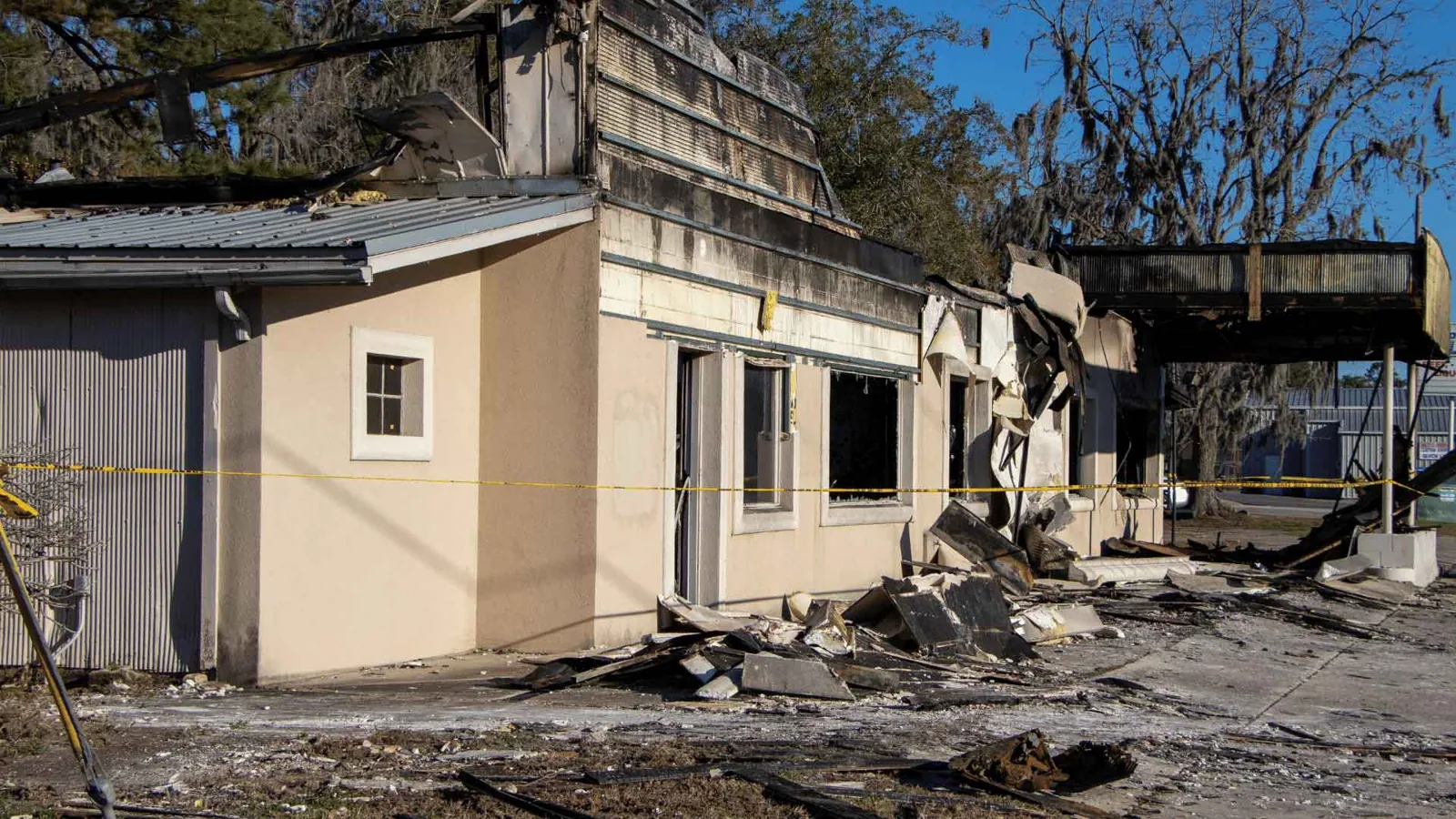
A claim file is easier to review when the roof condition, date, and action stay connected. For Clarksville, TN facilities, storm exposure is part of the operating context, but a regional event does not establish damage or coverage at an individual building. We document what we can observe, photograph affected areas, note interior reports, and identify any temporary protection already installed. The owner receives a repair scope tied to the roof location and a clear list of questions that remain open. Coverage decisions belong to the insurer; our work is to make the building condition and roofing response understandable. We can also separate the initial stabilization from permanent repair so an urgent action does not disappear inside a later estimate. Each entry records who authorized access, what was visible at the time, and whether another visit is needed. That sequence helps facilities staff reconcile the roof file with incident logs, interior cleanup, and the insurer's requests without turning a technical observation into a conclusion about policy coverage.
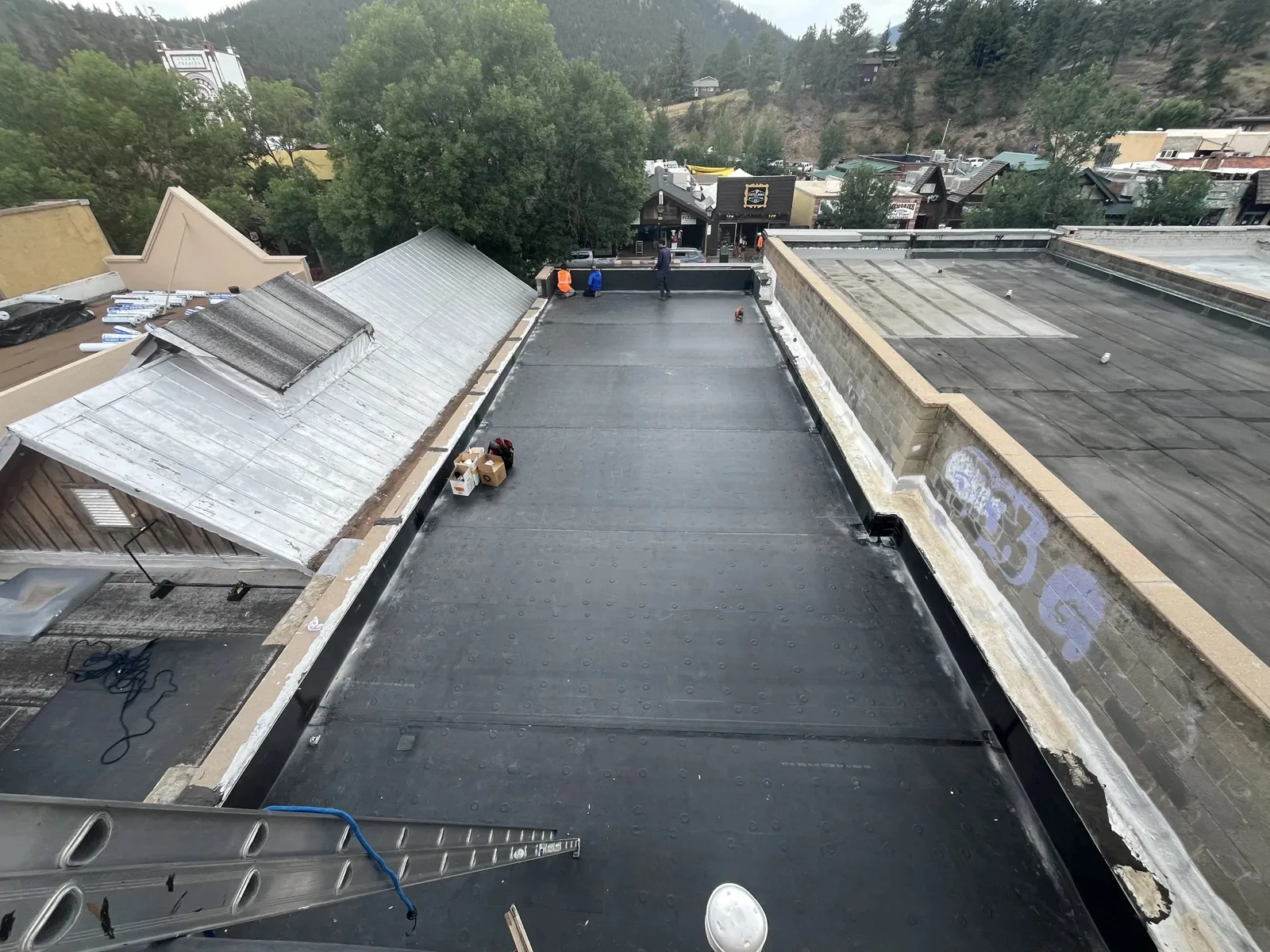
We start with the time the facility noticed water or physical change, the rooms involved, and any immediate actions taken. The roof walk records the affected area, visible membrane or metal condition, drainage nearby, and the route between the reported interior point and roof detail. Photographs should show both the specific condition and its location in the larger roof plan. If a section is unsafe or inaccessible, we record that limit and schedule another look rather than describing it as inspected.
NWS documented an EF3 tornado across the Clarksville area on December 9, 2023, and storm reports from May 8, 2024 include hail estimates in town. These public records may provide event context for a chronology, but they do not prove that a specific seam, curb, or membrane was damaged by that event. A storm damage assessment can separate observed conditions from prior wear; a photographed condition report keeps the roof-area references consistent.
A useful file distinguishes a new opening or displaced component from an older patch, clogged drain, or routine wear. We label each item as observed, repaired, temporarily protected, or awaiting further access. When the roof assembly may contain moisture, a test cut or survey can help answer that question; the file should not turn a stain into an unsupported claim about the insulation below. We include the repair method, materials used, and the completed boundary when work has already begun.
Long-term weather normals for Clarksville average 5.50 inches of May precipitation and 4.31 inches for November; dated inspection photos help distinguish a new claim event from routine wet-weather effects. That makes dates and photographs useful when water appears after separate weather periods, but rainfall alone cannot date a roof defect. We compare the event timeline with facility logs and the roof observations. For an interior report that has not yet been traced, a leak investigation or a moisture survey can help narrow the next inspection area.
The facilities lead can help preserve access and operational records while the roof work is documented. We agree on the roof route, escort or key requirements, equipment that must remain active, and any room below the repair zone that needs protection. If a temporary dry-in is needed, the file states where it is attached, when it was installed, and when it should be revisited. Permanent repairs are described by roof area and transition, not just by a generic line item.
North Park, East Park, and South Park are mapped as multi-property employment areas in Clarksville's industrial geography. That context helps frame a market with varied building uses, but it says nothing about a particular property's claim. We keep each building's photographs and work notes separate. A repair scope may include drain details or perimeter metal when inspection shows those components are affected, and a South Park facility can use its own roof plan rather than a district-level assumption.
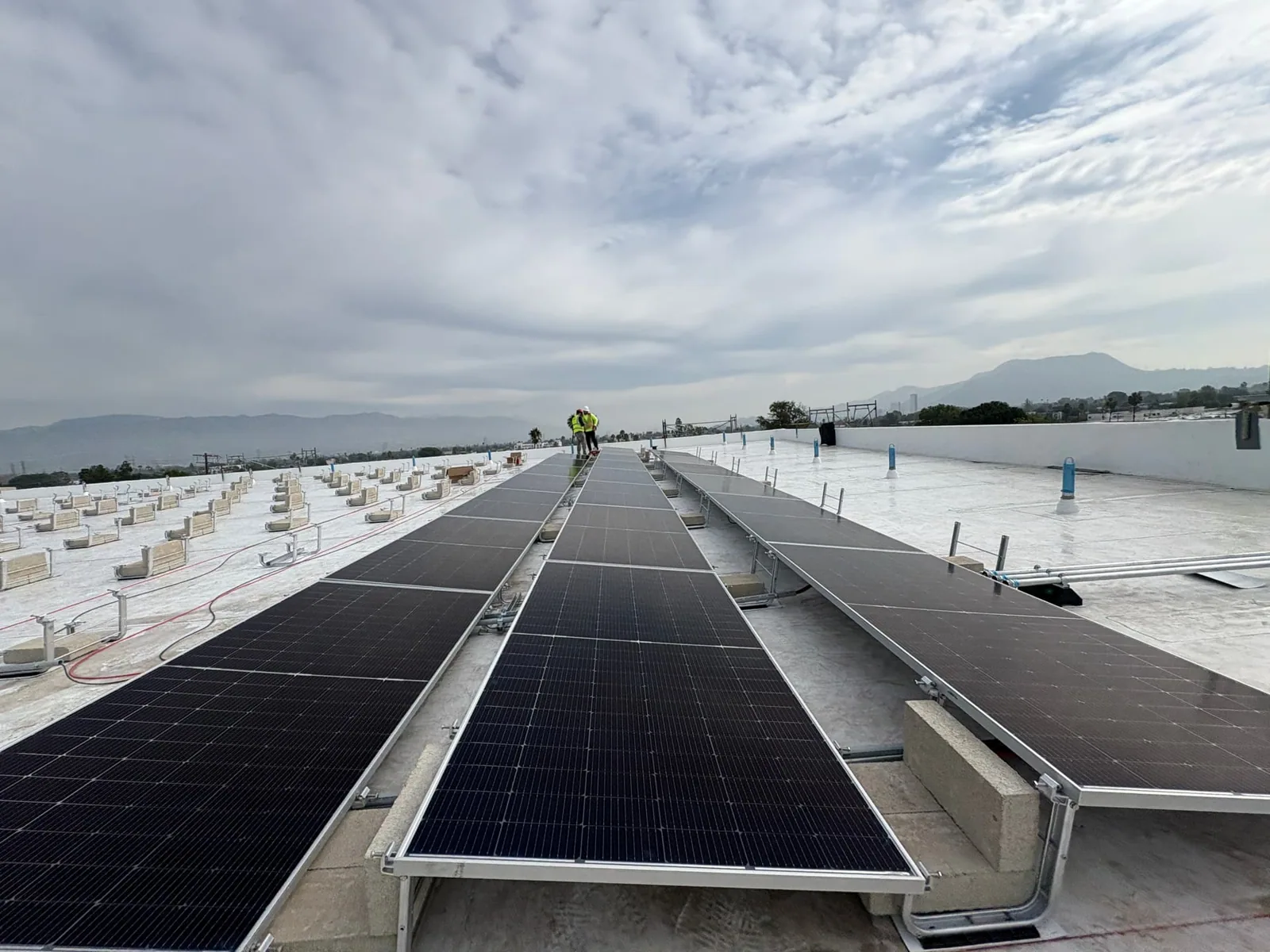
A well-ordered package can include the initial condition report, dated photos, roof plan marks, temporary protection notes, repair estimates, and closeout photographs. We identify what was repaired and what still needs evaluation. If the insurer requests a particular form or inspection protocol, the owner can share that request so our field documentation addresses the roofing portion. We do not decide whether a loss is covered, and our report should not be presented as a coverage determination.
Trenton Road and Wilma Rudolph Boulevard are among Clarksville's main thoroughfares, while each facility has its own entry and delivery rules. We confirm those logistics before a follow-up visit, especially when the roof is over active loading, healthcare, or tenant space. If the building's long-range need also includes capital planning, a roof capital review can use the same condition record; repair work remains tied to the documented roof area and approved scope.
At handback, we give the contact a record of the work-zone boundary and any protection still in place. The file should let a different shift locate the repaired area without relying on memory or an undocumented verbal update. When a later rain prompts a new report, that reviewer can compare the location, photos, and repair date with the earlier record. We keep that trail factual and concise so the next decision begins with what was observed and completed.
No. Coverage and claim decisions belong to the insurer and the policy terms. We can document roof conditions, prepare a repair scope, and answer technical questions about the work performed. The facility should provide any insurer-specific forms or inspection requirements before the visit so our records address the roofing details requested. We label each photo with the roof area and direction where it helps a reviewer relocate the condition. A wide view, detail view, and note about nearby transitions are more useful together than a folder of isolated close-ups. When a photograph does not establish a concealed condition, the scope identifies the test or access needed to resolve it.
Use dated views that show the condition close up and its position on the roof plan, plus interior locations where water appeared. We add photographs of temporary protection and completed repairs. If a location cannot be accessed safely, we note that limitation instead of implying the image set covers the full roof.
We record its location, attachment, installation date, and follow-up interval, then coordinate a permanent repair window. A temporary measure should be checked after changing conditions and kept within a defined work boundary. We also protect drains and make clear who can release roof access for the next visit.
They establish regional context only. Our report describes what is visible at the building, distinguishes existing conditions from observed changes, and identifies any testing still needed. A storm date can be included in the facility chronology, but it cannot substitute for evidence from the roof itself.
Keep the original condition notes, roof-area map, dated repair photographs, material description, temporary protection record, and final handback together. We can organize the roofing documentation and identify unresolved observations. The insurer may request additional items, and its instructions control the claim review.
Schedule a Clarksville roof assessment. We will document visible conditions, coordinate access, and prepare a repair record the facility can share with its insurer.