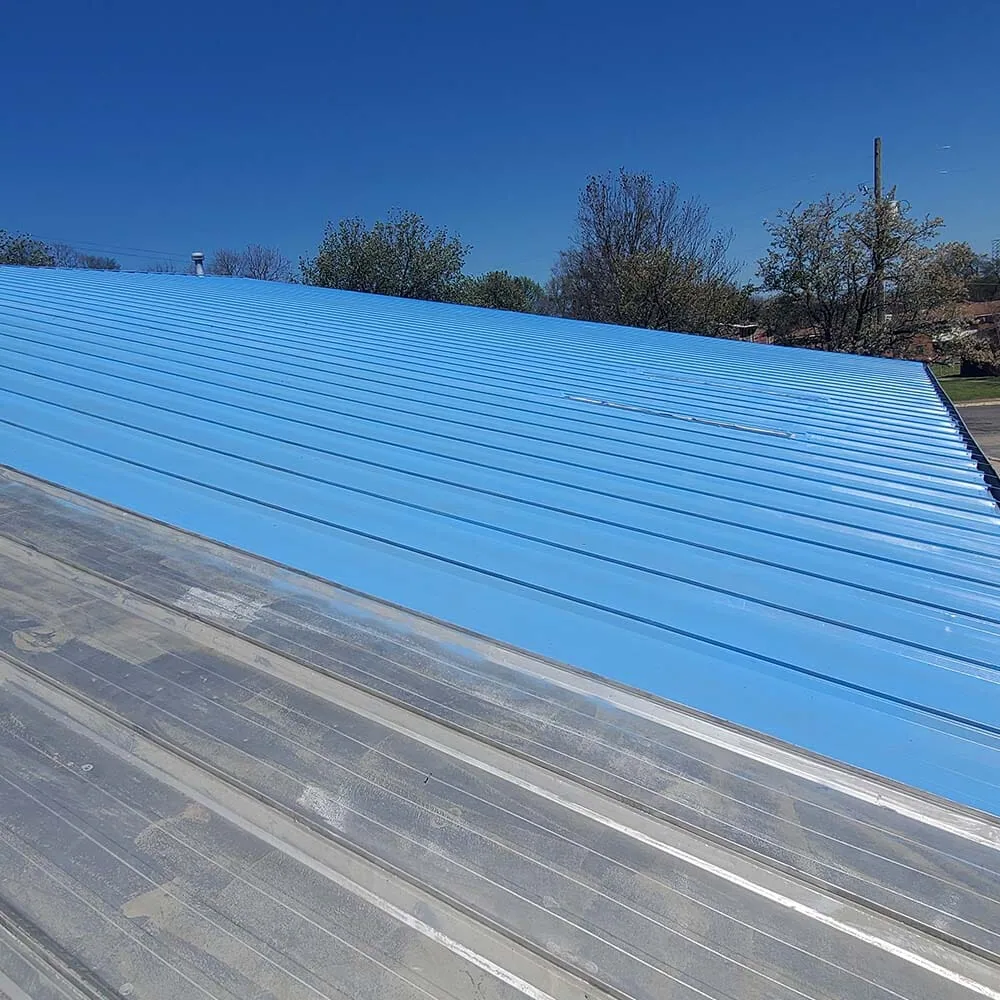
After a rooftop or interior fire, visible damage may not show the full repair boundary. Flame, heat, smoke, water, and suppression activity can affect different materials and spaces. We coordinate with the owner and qualified fire-response professionals, then inspect the roof only when access is cleared and safe. The initial record maps burned or displaced material, open areas, wet insulation, and conditions that remain concealed. For a Clarksville facility in a multi-building employment area such as South Park or North Park, each structure needs its own roof map and handback plan.
Do not send staff onto a roof while responders, building officials, or safety personnel have restricted access. Once the area is released for inspection, confirm structural safety, electrical isolation, fall protection, hot spots, and any debris that could shift underfoot. We coordinate the roof route with the incident lead and facility contact. If a section remains unsafe or hidden damage may affect support, record the limit and defer inspection rather than cross a restricted area.
Document the incident timeline, affected rooms, equipment shutdowns, and where water entered. A ceiling stain after suppression may not sit beneath the roof breach, so we compare interior reports with roof penetrations, drains, curbs, and the observed fire area. A commercial roof inspection begins only when the site is cleared; the written record preserves photos, marked limits, and decisions still pending.
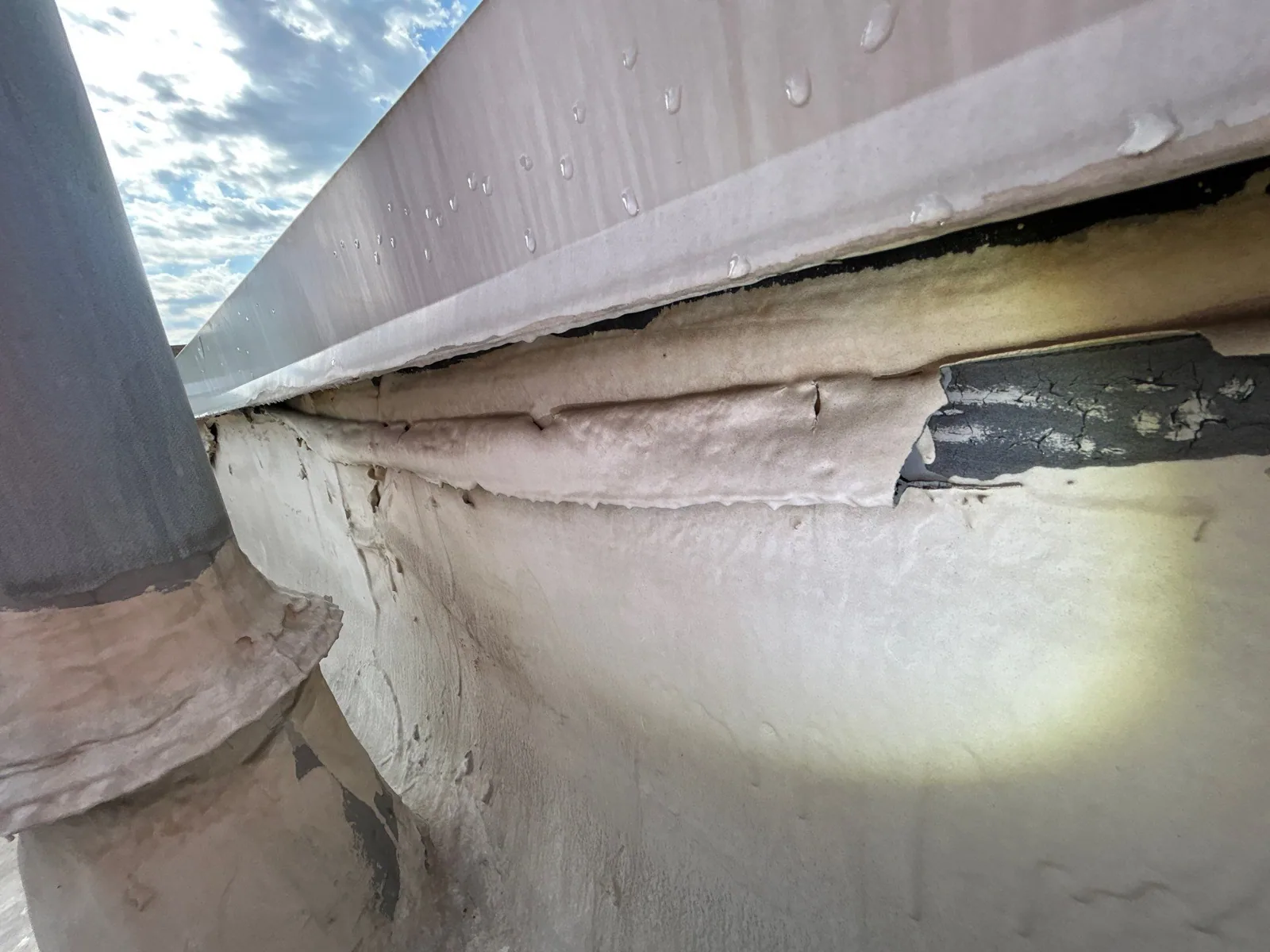
Fire can damage a roof membrane, insulation, deck, edge metal, flashing, and rooftop equipment in different ways. Heat may distort or embrittle nearby material; flame may leave char or an opening; smoke residue may travel beyond the visible burn; suppression water can enter through a breach or pond in a low area. We record each observed condition by layer and location, then identify what needs a test opening or specialist review. We do not label concealed components as damaged without evidence.
Photographs should include close views and context views with a roof-plan reference. Mark the boundary of material removed for access or emergency control so the permanent repair does not confuse those cuts with original fire damage. Keep separate notes for conditions found during cleaning, temporary protection, and final repair. If water remains trapped, a ponding-water assessment can trace drainage independently of the burned area. Where metal or membrane has opened, a membrane opening repair review can help define the temporary and permanent boundary.
Temporary dry-in protects the building while the permanent scope is assembled. The protection should cover the opening, resist expected movement, and preserve a safe route for any approved follow-up. We record where the cover begins and ends, which roof areas remain exposed, and when it should be revisited. An emergency patch is a protective step, not a substitute for determining whether the deck, insulation, or attachment needs replacement.
Our emergency repair response can address an active opening once the work area is released. We coordinate with facility leadership about interior containment and equipment that must remain offline. Roof access after a fire depends on release from the officials and qualified professionals responsible for the affected area; our inspection begins only after that clearance. We document the work completed without representing that the roof has been cleared for occupancy or that a fire official's review is complete.
Permanent repair may involve selective membrane replacement, insulation and deck replacement, new flashing, edge metal, or a larger roof section. The scope identifies the layer to remove, how far demolition may extend, what substrate condition changes the work, and how new material will tie into the remaining system. If a test opening is needed, state its size, temporary close-in method, and who approves the result. Coordination with structural, electrical, mechanical, and fire-recovery teams can affect sequence and access.
If the repair changes structural components, insulation, or a protected assembly, the owner should have the design team establish the review and permit requirements before permanent work is priced. For a broad replacement scope, commercial roof replacement planning can organize phased work and close-in points. The proposal separates known repair items from allowances or conditions that need investigation, so a cost or schedule change can be tied to a documented discovery.
Only after the area is cleared for access by the responsible safety and incident personnel. A roof may have unstable structure, electrical hazards, hot spots, or falling debris that make immediate entry unsafe.
Not by itself. The inspection should identify which roof materials were affected, whether performance is compromised, and what testing or cleaning is appropriate. The repair boundary follows verified conditions.
It can add water that needs to be traced through drains, low areas, and the roof assembly. Document suppression-related water separately from direct flame or heat damage so the scope accounts for each condition.
It may be necessary, but its limits and inspection timing should be recorded. The cover needs to protect the opening without blocking drainage or concealing damage that still requires review.
It should mark the affected zones, identify layers to remove and replace, describe tie-ins and close-in steps, state assumptions, and show which discoveries would change cost or schedule.
Roof repair is one part of a recovery sequence. The project team may need to protect interior equipment, restore utilities, remove debris, and coordinate inspections before normal operations resume. We identify which roof zones are available, what access must remain clear, where cranes or lifts can stage, and which rooms or loading areas must stay protected. A daily handback notes the covered boundary and any open decision; a route around debris or damaged equipment is not assumed safe without approval.
Before a shift, the facility lead can identify rooms that must remain isolated, equipment that cannot tolerate dust or moisture, and delivery windows that need a clear lane. The crew sequences roof access and debris removal around those limits. At day's end, the work log notes whether each opening is repaired, temporarily covered, or awaiting a decision. That coordination supports recovery without treating roofing work as a substitute for fire, electrical, or structural clearance.
Clarksville's official FAQ identifies Wilma Rudolph Boulevard/US 79 and Fort Campbell Boulevard/US 41A among the main thoroughfares. Those broad routes help orient service, but the facility contact must confirm property access, escorts, and emergency vehicle clearance. Near North Park or the Fort Campbell Boulevard corridor, separate roof records prevent findings from one building being applied to another. An occupied-building work plan can set zones and handbacks when unaffected operations continue.
Closeout includes before-and-after photos, marked roof locations, materials installed, concealed conditions found, and any limits on testing. The report also notes what remains outside scope, such as a neighboring equipment issue or interior finish work. If a follow-up observation is needed after rain or after equipment is restored, give it a date or condition rather than leaving it as a vague recommendation.
A post-repair inspection can compare seams, edge details, drains, and temporary protection removal against the baseline. For a Clarksville commercial property, an agreed maintenance visit can fold repaired areas into the next roof review. The goal is a clean transfer: the facility team knows which zone was rebuilt, which details were tested, and who owns any remaining investigation. That record supports maintenance and project coordination without claiming that roof repair alone completes broader fire recovery.
Once roof access is cleared, share the incident timeline, affected areas, roof plan, and site restrictions. We will document visible conditions, secure openings, and develop a repair scope around verified damage and reopening needs.