
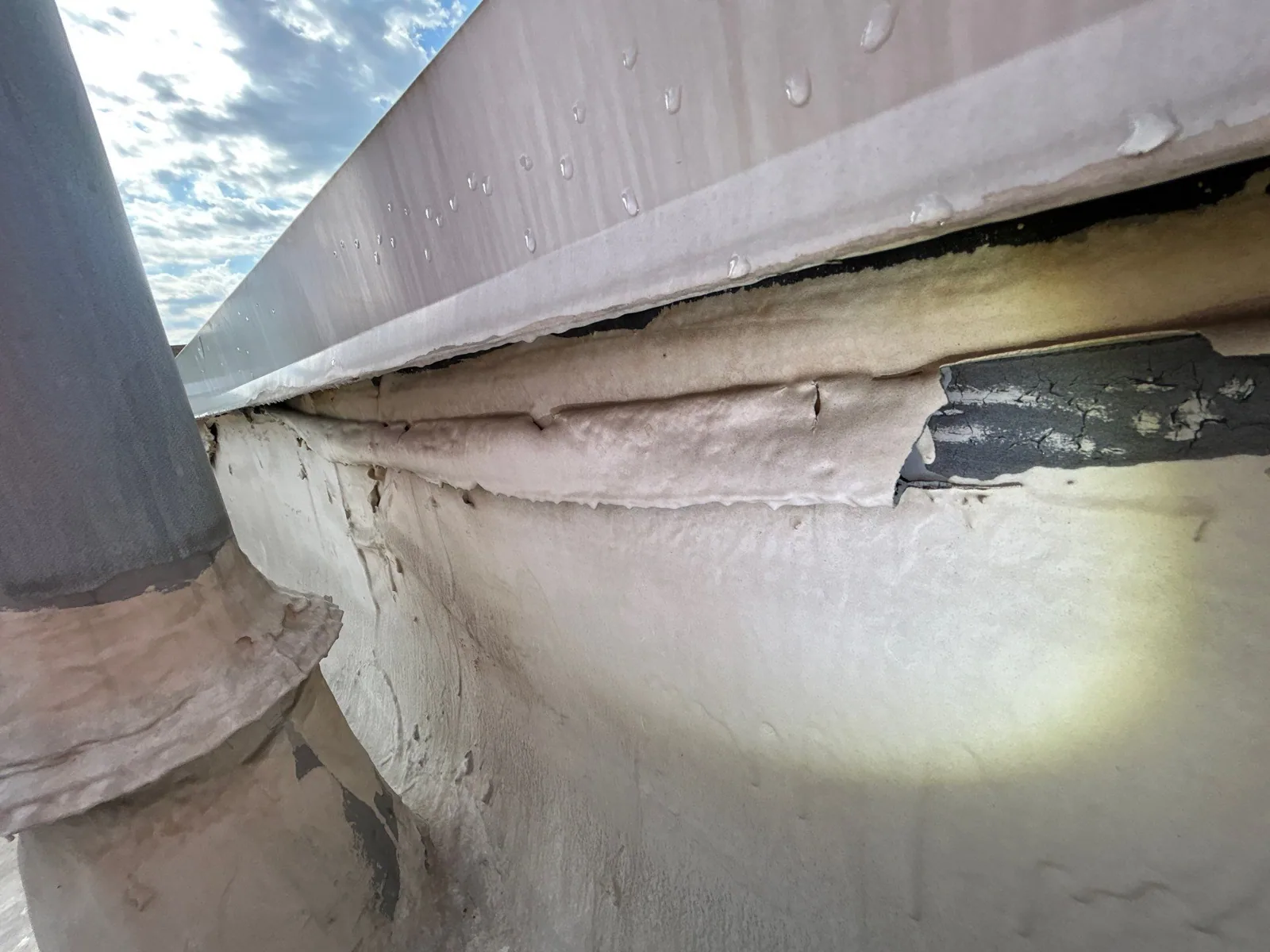
A puncture can be small on the surface and still create a large interior problem. Fasteners, dropped tools, sharp debris, repeated foot traffic, and equipment movement can breach a membrane or damage the layers beneath it. We locate the opening, inspect the surrounding field, and document whether water has moved into the assembly before defining a repair. The repair boundary must reach material that can accept a compatible patch. In Clarksville, roofs across North Park, East Park, and South Park serve varied properties; each visit starts with the actual membrane, access route, and roof plan.
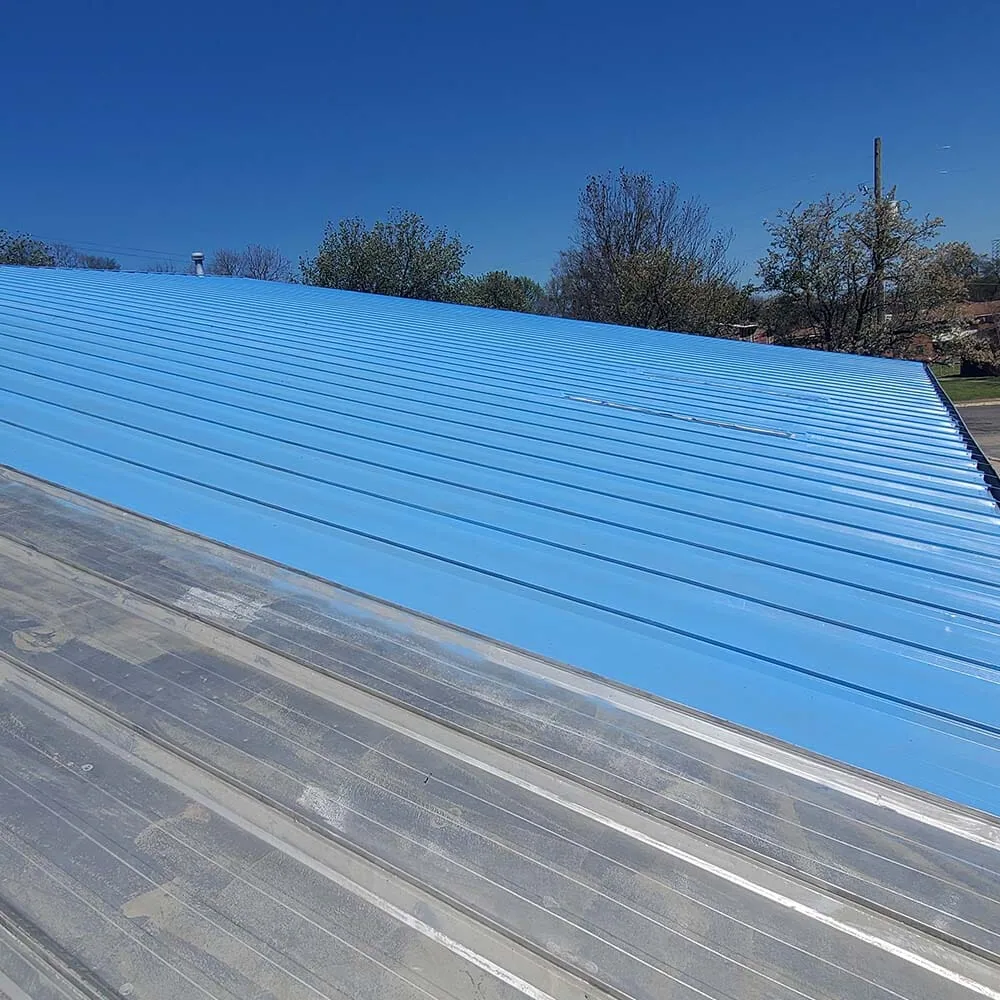
Begin with the interior report, roof access notes, and any recent rooftop work. Photograph the puncture before cleaning it, then record its dimensions, nearby seams, equipment, walk pads, and drainage features. A cluster of small cuts may point to a traffic route or service activity, while one isolated hole may have a different cause. We separate visible damage from the suspected path below and avoid enlarging the opening until the scope calls for a test.
Water can travel beneath a membrane before it appears indoors. We compare the surface location with ceiling marks, insulation transitions, drains, curbs, and deck joints. If the cause is uncertain, a controlled test opening can show whether insulation is wet or compressed; the proposal should state its location, size, temporary protection, and decision point. A commercial roof inspection can check adjacent areas, and a marked roof condition report ties each photo to a plan location.
Repeated access can abrade a surface long before a puncture becomes obvious. We inspect walk paths between roof hatches, service points, ladders, and mechanical equipment. Look for scuffing, crushed insulation, loose protection, dropped hardware, and footprints in dirt or moisture. If maintenance teams cross the same route, permanent walk pads or a revised access plan may reduce future wear. Any change must preserve drainage and avoid bridging a seam or blocking a drain.
Clarksville's official roadway FAQ lists Wilma Rudolph Boulevard/US 79, Trenton Road/SR 48, and Rossview Road/SR 237 among the area's main thoroughfares. Those corridors help orient local service, while the property contact confirms the actual gate, escort, and rooftop route. We also ask which equipment vendors need roof access and whether a service log can identify when the damage first appeared. That context helps the repair team distinguish a one-time puncture from recurring exposure.
Permanent repair starts with system identification. TPO, PVC, EPDM, and other membranes require compatible materials and preparation methods; the patch should not be selected by color alone. We remove loose or contaminated material within the scope, prepare the surface, and extend the repair onto sound membrane. The edge must be sealed continuously, and the detail should account for nearby seams or penetrations. If the membrane has stretched or the substrate is damaged, a surface patch may not be enough.
Clarksville's adopted-code listing includes the 2018 International Building Code, but a field repair scope does not determine permit or design requirements. The owner and project professional confirm what applies to the specific work. We record system type, repair material, preparation limits, and any test or observation planned for closeout. If a puncture reaches a seam, a seam-failure assessment can review that lap separately. If the membrane has split at a wall or curb, a flashing repair review follows the transition.
Patch adhesion depends on clean surfaces and conditions suitable for the chosen material. We check moisture, surface temperature, wind, and forecast before starting. A temporary cover can limit water entry while the surface dries, but the crew should mark its perimeter and return point so it is not mistaken for permanent work. Installation records capture the conditions that affect cure or weld quality and identify anything that needs a later check.
The Tennessee monitoring plan reports Clarksville long-term July normals of 79.4°F and 3.64 inches of precipitation. That climate context does not tell us the membrane's actual surface temperature or whether a roof is dry at installation. We measure job conditions and follow the material system. If the puncture is part of broader heat-related wear, a heat and UV damage assessment can map the wider membrane condition rather than treating a single hole in isolation.
When an opening has been exposed to water, ask the crew to record any drying or cleaning step before patch placement. Dirt, trapped moisture, and loose membrane at the edge can weaken the bond or hide a larger cut. Photos taken before and after preparation make that boundary easier to review. The repair file should also note whether nearby equipment created a recurring service path that needs a walk pad or a changed access route.
Sometimes, if the surface is safe, dry, clean, and compatible with the repair method. If moisture or substrate damage is present, temporary protection may be needed before a permanent patch can be installed.
The repair must extend beyond loose or damaged material onto sound membrane. The exact dimensions depend on system, damage, and manufacturer requirements; a narrow cover over a weak edge can fail again.
Not automatically. We inspect the surface and interior evidence, then recommend a controlled opening only when conditions support it. The report should distinguish confirmed moisture from a suspected path.
Recurring foot traffic, unsecured tools, maintenance work, sharp debris, or inadequate protection around equipment can expose the same roof area. Reviewing access patterns helps address the cause as well as the current hole.
Yes, with a marked route and clear instructions. Let the facility team and vendors know where the repair is, which materials need protection, and whether a new walk pad or access rule is part of the closeout.
Before mobilization, confirm fall protection, roof access, staging, overhead hazards, and any occupied areas below the repair. Mark the route between hatch and work area, protect sensitive equipment, and keep tools secured. A small repair still needs a daily handback if weather or operations interrupt the work. The facility contact should know where a temporary cover remains, what has cured, and which routes are open to other trades.
For a multi-building portfolio near East Park or the Rossview Road corridor, use separate roof plans and work records for each property. The IDB industrial map depicts North, East, and South Park as multi-property areas with roads and rail context; the district map does not identify a particular tenant's roof. Access, escort instructions, and equipment clearances still come from the building contact.
Closeout photographs show the patch, its edge, surrounding field, and the nearest seam or equipment point. We record what was removed, what materials were applied, and whether any test was completed. The report also identifies unresolved moisture concerns or adjacent damage outside the agreed boundary. If water continues to enter, compare the new evidence with the original map before extending the patch.
Prevention can be practical: add a durable route to service equipment, remove sharp scrap, keep tools and fasteners controlled, and brief vendors on roof access rules. A maintenance visit can check patches, walk pads, and traffic patterns at an agreed interval. For an active opening that cannot wait for permanent work, emergency roof repair can secure the exposure and protect the occupied space while the final detail is arranged.
Share the roof plan, interior report, and recent rooftop work history. We will inspect the breach, check surrounding material, and return a patch scope with access controls and a practical prevention step.