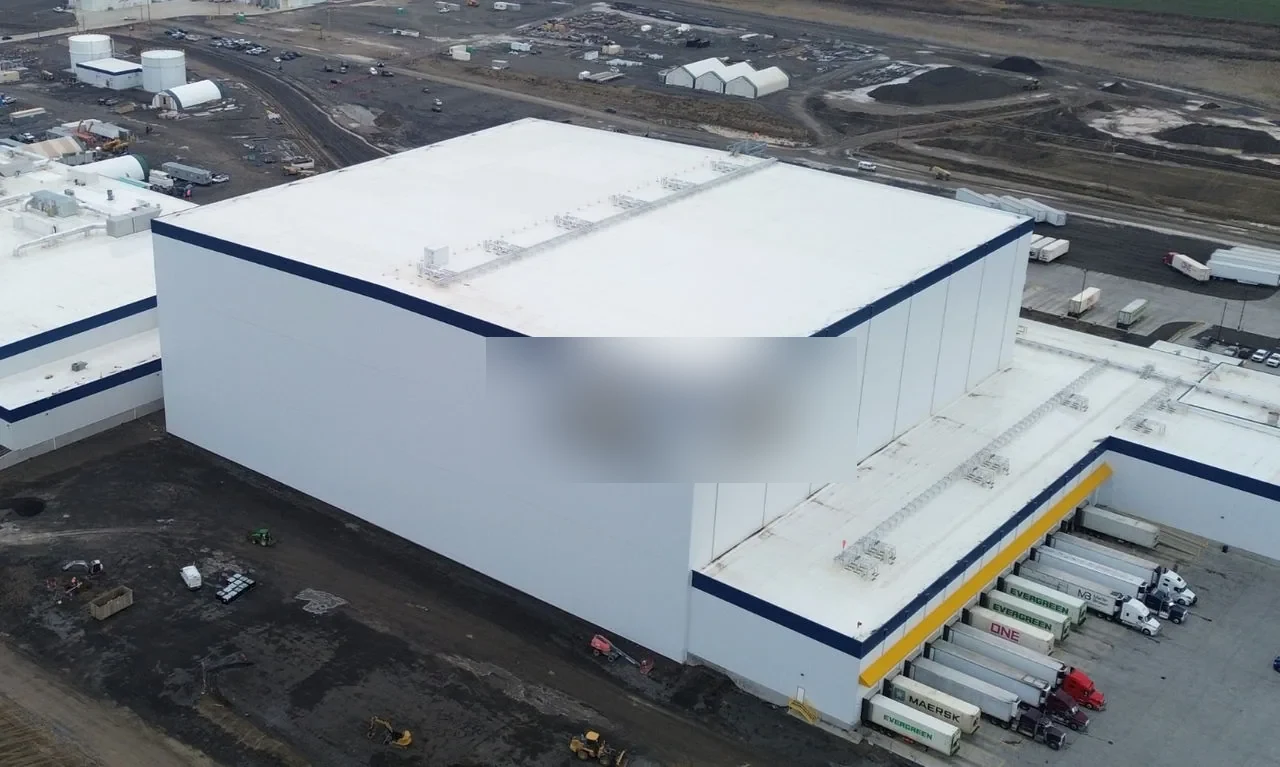
Heat gathering over an active roof can narrow the safe work window before a crew ever opens the first section in Clarksville, TN. Holcim Elevate's commercial range includes EPDM, TPO, PVC, insulation, metal, and asphaltic options. The manufacturer name does not tell us which assembly is on a building or whether a previous recover changed the layers. We match records to the membrane, attachment, edge, drains, and penetrations we can inspect. For facilities near South Park or Warfield Boulevard, we also set the access route and occupied schedule before deciding how large a zone can be left open.
The field report separates what is confirmed from what needs a test opening. A repair recommendation then fits the installed roof and the facility's operating needs, rather than a catalog family alone.
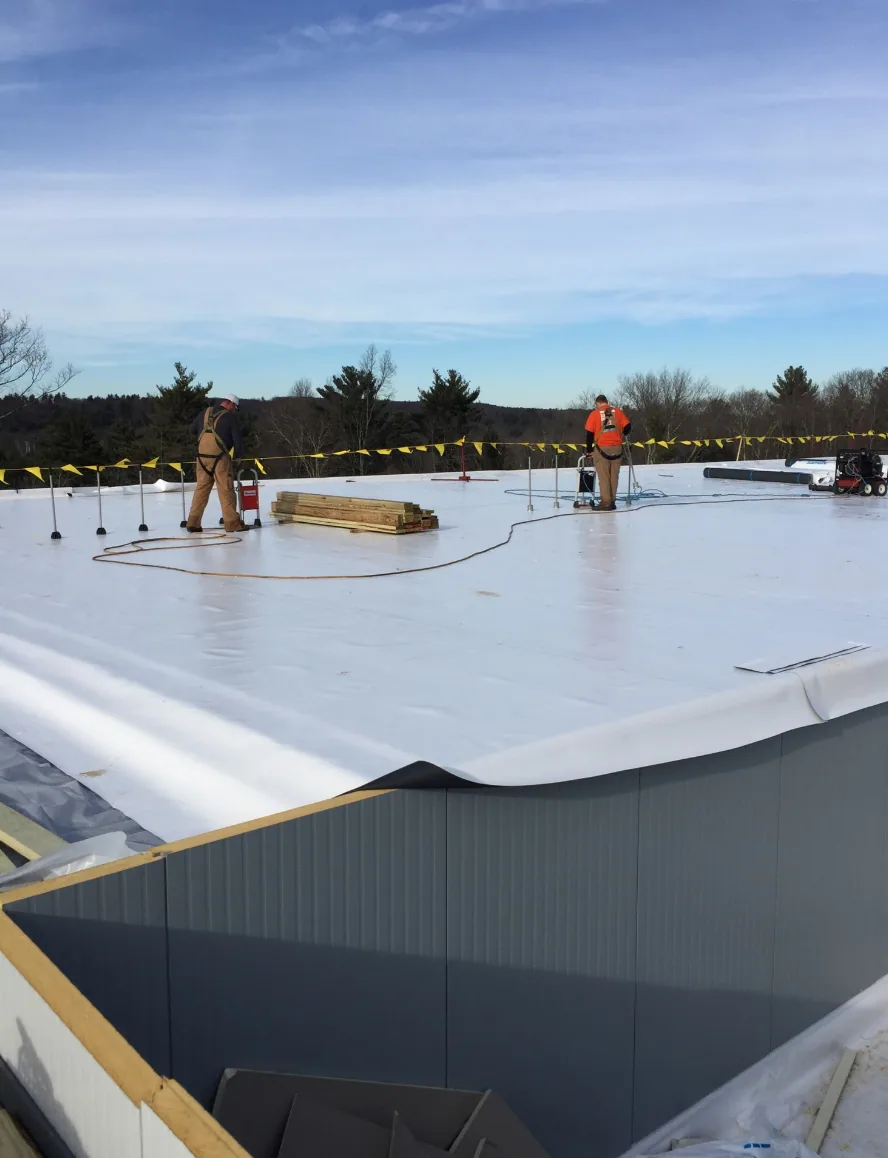
Holcim Elevate offers commercial EPDM and thermoplastic systems, along with other roof assemblies. UltraPly TPO and RubberGard EPDM are named product families; each has different seam methods and accessory requirements. PVC and asphaltic options also require their own details. We first verify the existing sheet and the layers below it, then note whether the field is adhered, mechanically fastened, or part of another assembly. Product names in a maintenance file do not confirm that the same materials remain throughout every addition.
For comparison, a GAF system review or Sika Sarnafil membrane discussion can help the owner compare families after the roof has been mapped. The selected assembly still needs to address substrate, attachment, drainage, edge conditions, equipment loads, and building use. We do not treat manufacturer product families as interchangeable simply because both serve low-slope roofs.
TPO seams are heat welded, while EPDM joint details use compatible seam products and a different surface-preparation sequence. PVC welds also require the right material and preparation. During the walk, we check accessible laps, corners, T-joints, wall terminations, and equipment curbs, then mark a weak bond or split by roof zone. A repair record should show how the new material ties into the existing field and where the detail stops. If an old coating, adhesive, or contamination affects preparation, a test area may be needed before quantities are set.
The December 2023 EF3 tornado crossed the Clarksville area, but that event is not evidence that a particular membrane was damaged. We inspect the roof for actual movement, punctures, displaced metal, or compromised flashing. A wind-condition review can record those observations, while a seam repair scope stays limited to confirmed separations and their adjoining sheet.
Insulation and cover board affect both recover feasibility and the way the membrane is attached. We note soft areas, surface displacement, ponding patterns, and signs that moisture may be present. Those observations are not a substitute for testing when the concealed layer could change the recommendation. If the existing board is wet or the substrate will not hold the proposed fastener, adding membrane can preserve an unresolved problem under a new surface. The scope records the approval point before removal begins.
Clarksville has multi-property employment districts that include North Park, East Park, and South Park. A district can help frame an operations conversation, but each building's roof condition and access route still require direct review. A moisture survey can identify areas for follow-up, and insulation and cover-board work can be specified after the field assembly and test results are understood. The property still receives its own findings and access plan.
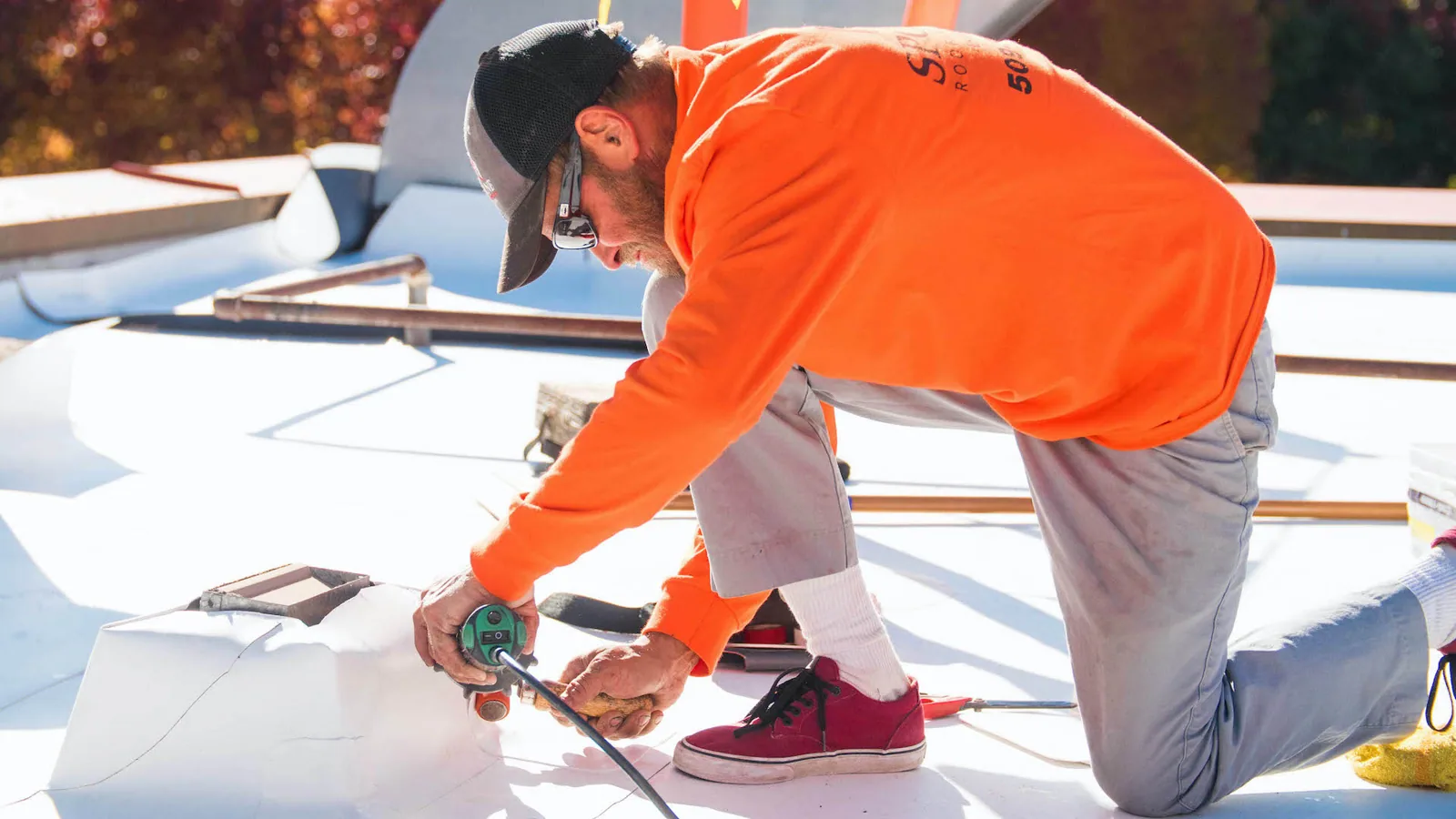
Clarksville's July and August averages are warm, with rainfall also occurring in both months. That mix makes daily boundaries important when adhesive, weld, or tear-off work is planned. We pick a zone the crew can close, name the temporary protection point, and coordinate rooftop units and tenant movement with the facility. If weather changes the available shift, the planned edge is secured before the work moves elsewhere. The next inspection should be able to identify the exact area completed and any open item.
Warfield Boulevard and the employment areas around I-24 are parts of the local movement network, but a route does not determine a site's delivery permission. The facility contact approves the entrance, lift location, and material staging. A phased occupied-roof schedule defines notification and handback, while a roof walk in the South Park area begins with the building's specific work-hour and access limits.
We compare product records with the visible sheet, seam method, attachment, flashing, and roof-zone history. A facility can have additions or repairs with different materials. Where observation and records do not settle the system, we note what testing or documentation would be needed before selecting compatible material.
A storm record gives local exposure context, not a diagnosis for an individual building. We inspect the roof for observed movement, punctures, edge changes, and water entry, then photograph confirmed conditions. The recommendation follows the roof findings, not the storm record by itself.
No. The membrane families use different joining methods and materials. We confirm each roof section before specifying the repair, and we keep transitions in the scope where two systems meet. The field record prevents a product substitution based only on appearance.
The existing layers, moisture, attachment, drainage, perimeter details, penetrations, and substrate condition all matter. If a concealed condition could change removal or fastener design, we identify a test or approval point before the recover is priced as a complete solution.
We divide the roof into work zones, coordinate rooftop equipment and access, and agree on a daily dry-in and handback point. The facility confirms tenant circulation and material staging. A change in conditions requires the crew to secure its assigned section and protect the temporary edge before shifting work elsewhere.
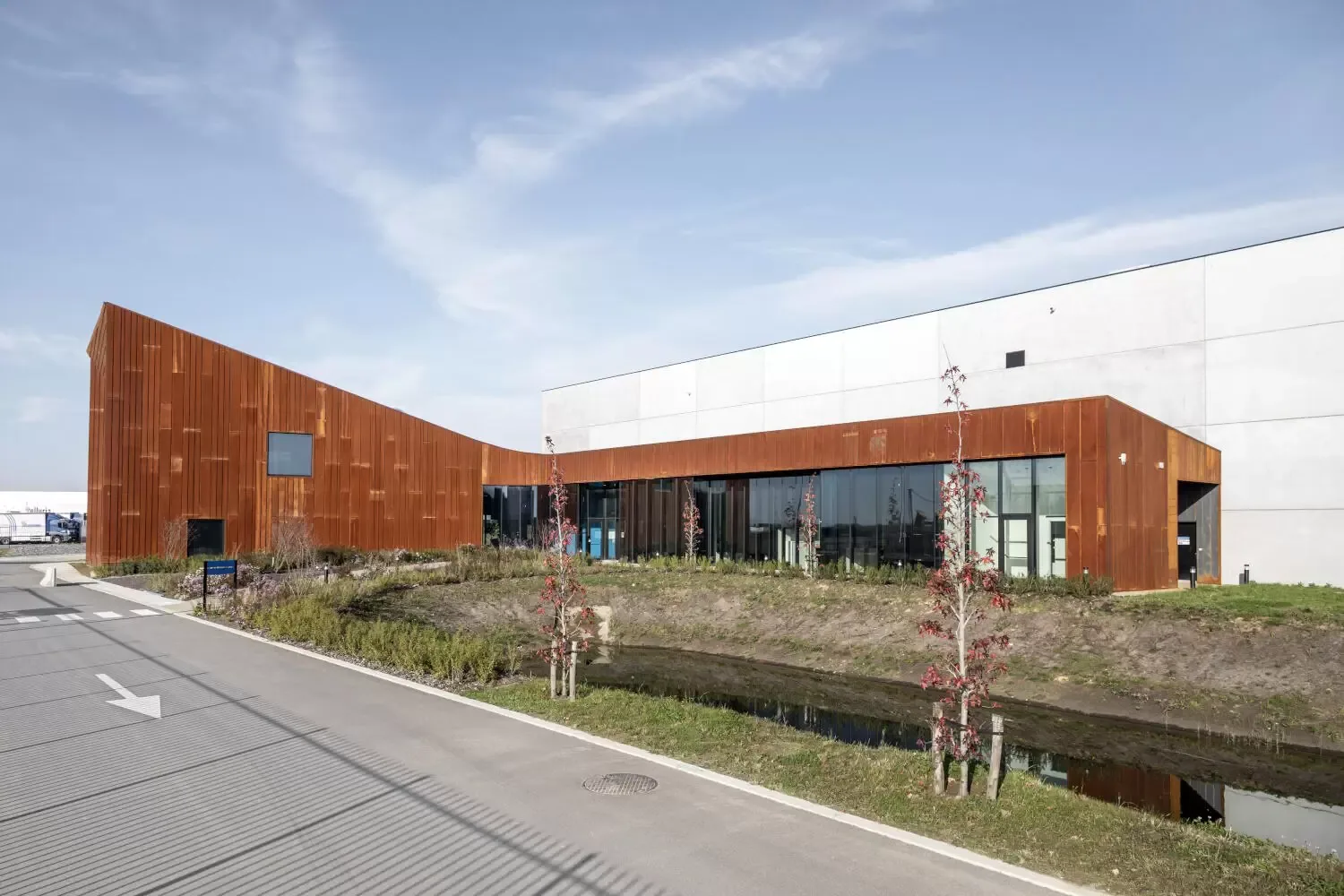
A local flashing or seam correction can be appropriate when adjoining membrane and attachment remain suitable. Repeated leaks, broad wet insulation, loose perimeter securement, or several roof sections with different histories may justify comparing a larger scope. We identify the observable condition and the roof area it affects, then explain which concealed detail could change the recommendation. The owner sees the repair boundary, the recover conditions, and the removal questions before approving a wider project.
Price and schedule reflect the number of transitions, insulation and cover-board work, edge metal, equipment curbs, access equipment, protection, and required trade coordination. If a roof supports active operations, the sequence can keep one section available while another is closed. A replacement scope review can set removal and edge work, while a capital plan separates immediate repair from future renewal choices.
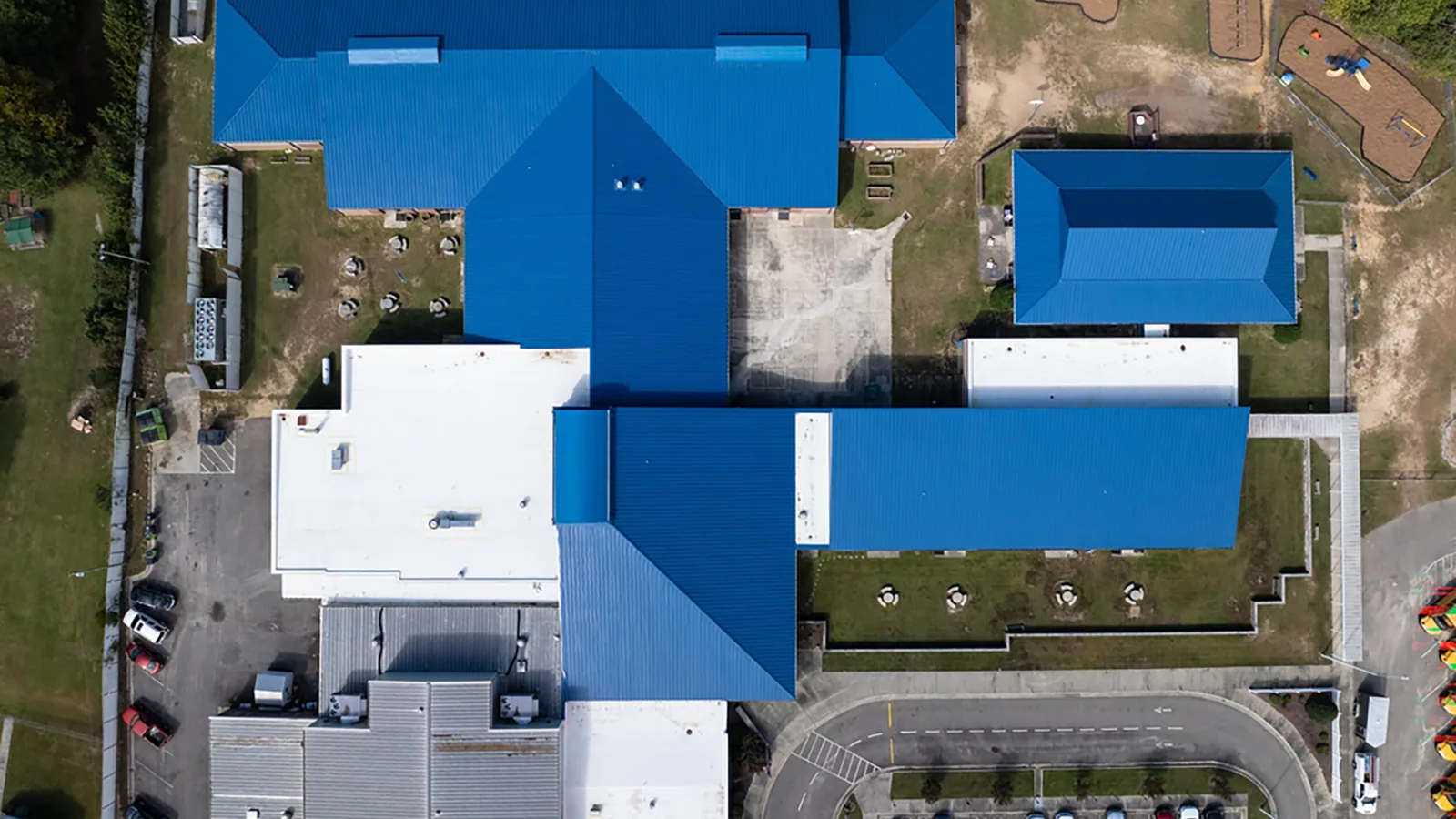
Closeout photographs should show the repaired field, seam or flashing, adjacent drainage point, and the limits of the work. We list the confirmed product family, materials used, preparation, any test location, and the condition left outside the approved scope. If the system could not be identified, the record says so. That helps the next facilities review avoid treating a manufacturer name or an older invoice as a current roof survey.
At a property near Spring Creek Parkway, planned road connections do not replace site approval or an access plan. The facility confirms any current circulation change and keeps the work boundary clear for occupants. A photo condition report can preserve the repair location, and scheduled roof maintenance can revisit seams, drains, and perimeter details after the work is handed back.
Share available system records, leak locations, repair history, and operating hours. We will document the membrane and details, then prepare a repair, test, or renewal sequence for the facility.