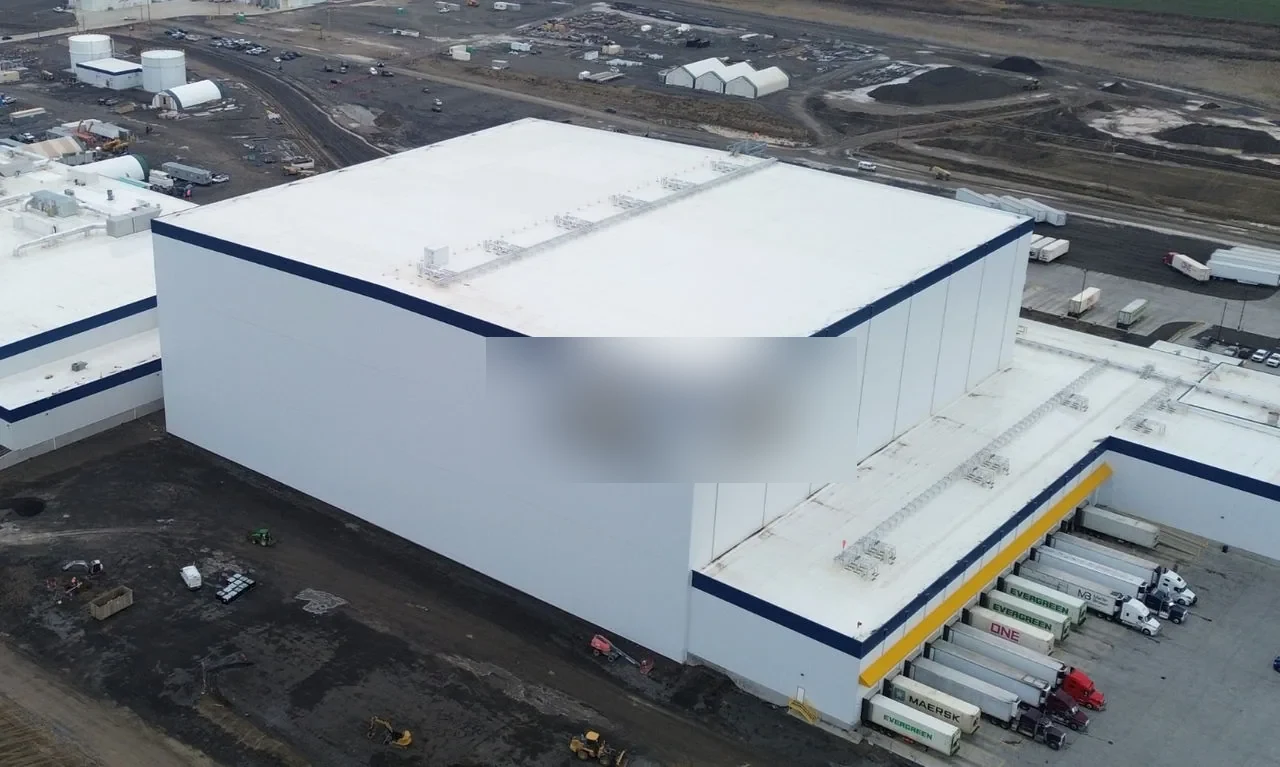
A roof with several layers or a history of patching needs its substrate identified before a new Soprema detail is selected in Clarksville, TN. Soprema makes commercial products that include Sentinel PVC membranes, SBS-modified bitumen, and Alsan liquid-applied systems. Those product families follow different preparation, attachment, and flashing requirements. We inspect the visible assembly and compare it with the roof records, then mark what remains concealed. Near Exit 4 Retail District or College Street, the facility access plan and occupied hours shape how a zone can be opened and handed back.
Our report does not treat a product label as proof of the installed roof. It identifies the membrane or surfacing where confirmed and sets the next test or repair step around the building's schedule.
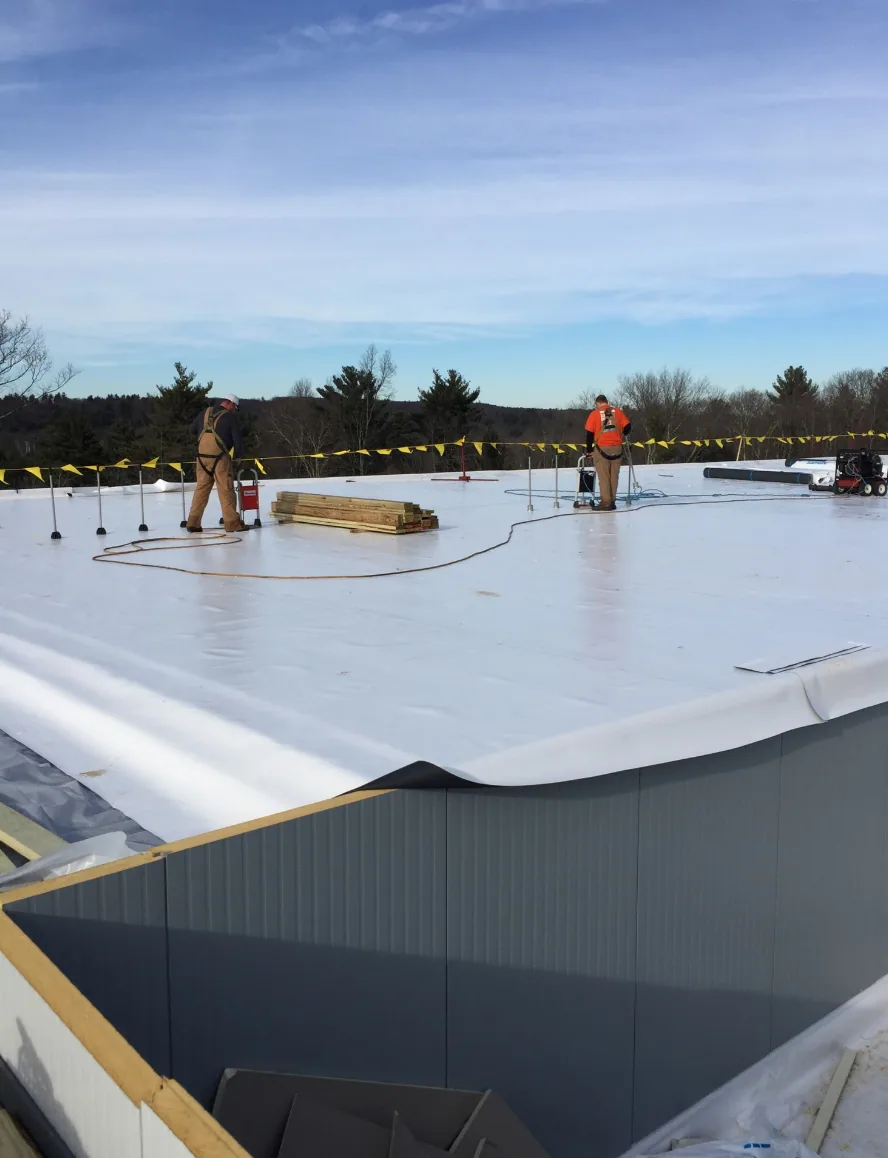
Sentinel PVC is a thermoplastic membrane, while SBS-modified bitumen uses built-up plies and a different flashing approach. Alsan liquid-applied products have their own substrate and application requirements. We determine which family is present and identify whether the roof is adhered, mechanically fastened, or part of a multi-ply assembly. A new product should not be selected until the substrate, drainage, edge, penetrations, and prior repair materials are understood. A roof with an addition may require separate notes for each system.
The owner can compare Duro-Last PVC details or GAF commercial roof systems once the existing assembly is mapped. That discussion should compare the proposed materials and installation method, not broad brand claims. We list the section, required preparation, and any test area that could change the final scope.
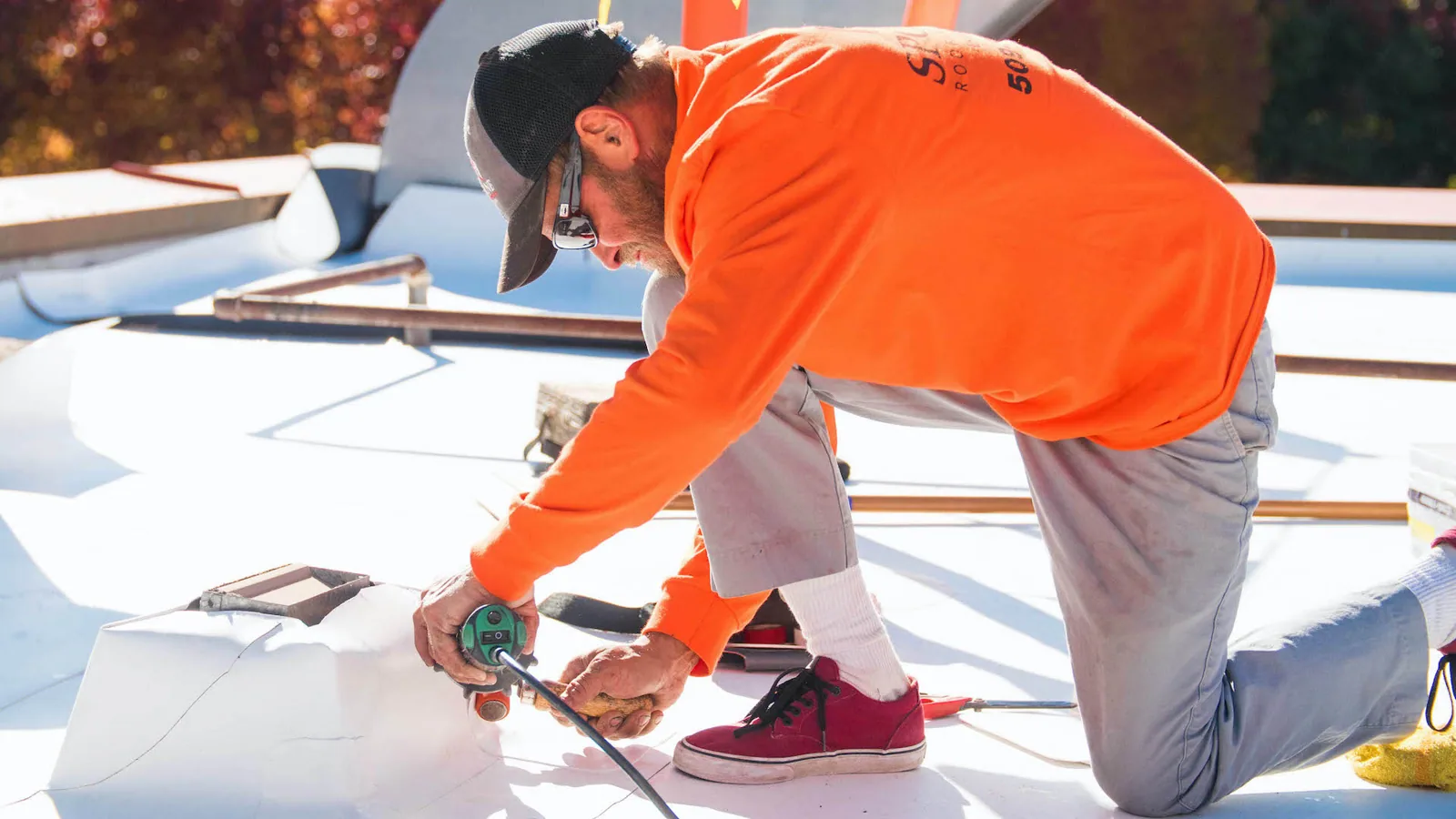
For a PVC roof, we inspect heat-welded seams, corners, curb flashing, and penetrations for an open edge or failed tie-in. A modified-bitumen assembly needs a different look at laps, surfacing, plies, and transitions. Liquid-applied work depends on substrate preparation, reinforcement where specified, and the condition of the surrounding field. We document the observed failure instead of specifying a patch by the nearest stain. If an earlier coating or repair changes adhesion, a small test area can be appropriate before broader work is priced.
An EF3 tornado crossed the Clarksville area in December 2023. That event places severe wind in the local context, but it does not establish damage on an individual Soprema roof. We check the actual edge metal, membrane, flashing, and rooftop attachments. A tornado-condition review can document visible changes, and a flashing repair plan defines the repair boundary at a wall, curb, or penetration.
A membrane repair can fail when the bond surface or underlying board cannot support the chosen detail. We check for loose surfacing, soft insulation, trapped moisture indicators, and previous materials that may affect preparation. The inspection notes where an opening or adhesion test would settle the question. If a new roof assembly will bridge an existing layer, the design also has to address attachment, edge height, drainage, and the way penetrations will be reflashed.
Clarksville rainfall is distributed across the year, so the crew needs a work boundary that can be protected at shift end. Along College Street, roof access and staging still depend on the specific property rather than the corridor name. A moisture survey can help identify follow-up locations, while a cover-board review can document the layer condition before recover or replacement is compared.
Alsan liquid-applied systems are not a shortcut over an uncertain surface. We check substrate condition, cleanliness, existing coating or membrane compatibility, reinforcement details, and the weather conditions required for application. The scope identifies transitions, terminations, and areas where liquid material will not solve a drainage or structural issue. If preparation reveals loose surfacing or moisture, work pauses at the agreed approval point so the next layer is not placed over an unsuitable base.
Clarksville experienced hail in May 2024, with preliminary estimates recorded in the city. After a storm, we inspect for actual punctures, displaced accessories, and disturbed flashing before discussing a restoration approach. A coating and restoration evaluation can determine whether the substrate and existing assembly are candidates for the specified system. Product compatibility and preparation requirements remain part of the written scope, not an assumption based on appearance.
We compare records and visible field characteristics, then inspect seams, surfacing, plies, and flashing. If the roof has additions or past recover work, each zone is identified separately. The report states when a test opening is needed before selecting a compatible repair.
That depends on the existing surface, preparation, and compatibility requirements for the chosen system. We inspect adhesion, moisture indicators, and transitions, then recommend a test area where the bond is uncertain. The scope identifies any loose or unsuitable material that must be addressed first.
No. The storm record is local exposure context, not a building finding. We inspect the actual membrane, edge details, curbs, and penetrations for movement or damage, then document confirmed conditions and areas that do not need repair.
Ply count, surfacing, adhesion, drainage, and concealed moisture can affect both preparation and removal. We identify an approval point before opening a section, protect the exposed area, and keep the facility informed if the assembly differs from available records.
We choose a daily work boundary the crew can protect, name the temporary dry-in point, and coordinate the sequence around occupied hours. If a weather window shortens, the area is secured before crews move to another zone.
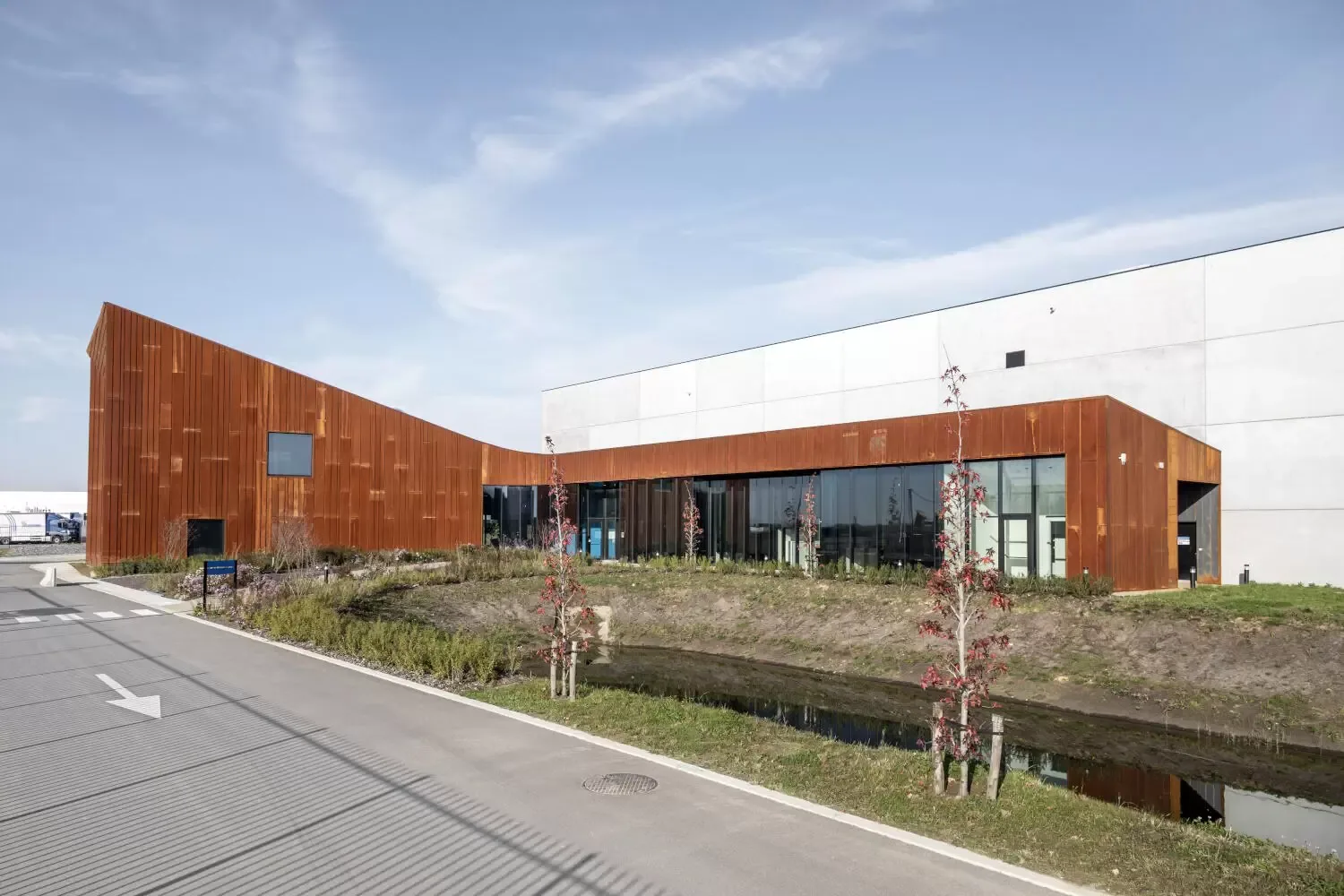
Repair timing depends on the system, surface preparation, moisture findings, and weather window. We set a zone size that can be closed before the crew leaves, then coordinate material staging, rooftop equipment, and tenant circulation. The daily plan names the temporary protection line and the person who accepts handback. If weather shifts or a concealed condition appears after removal, the work remains at a secure boundary until the facility approves the next step.
Exit 4 is a named broad retail district in Clarksville, while each tenant or property has separate delivery and operating rules. The same distinction matters for a building along College Street: a corridor gives location context, but the site contact approves access. A phased occupied-site sequence can set notifications and return-to-service points, and a roof walk near Exit 4 begins with the property's own access constraints.
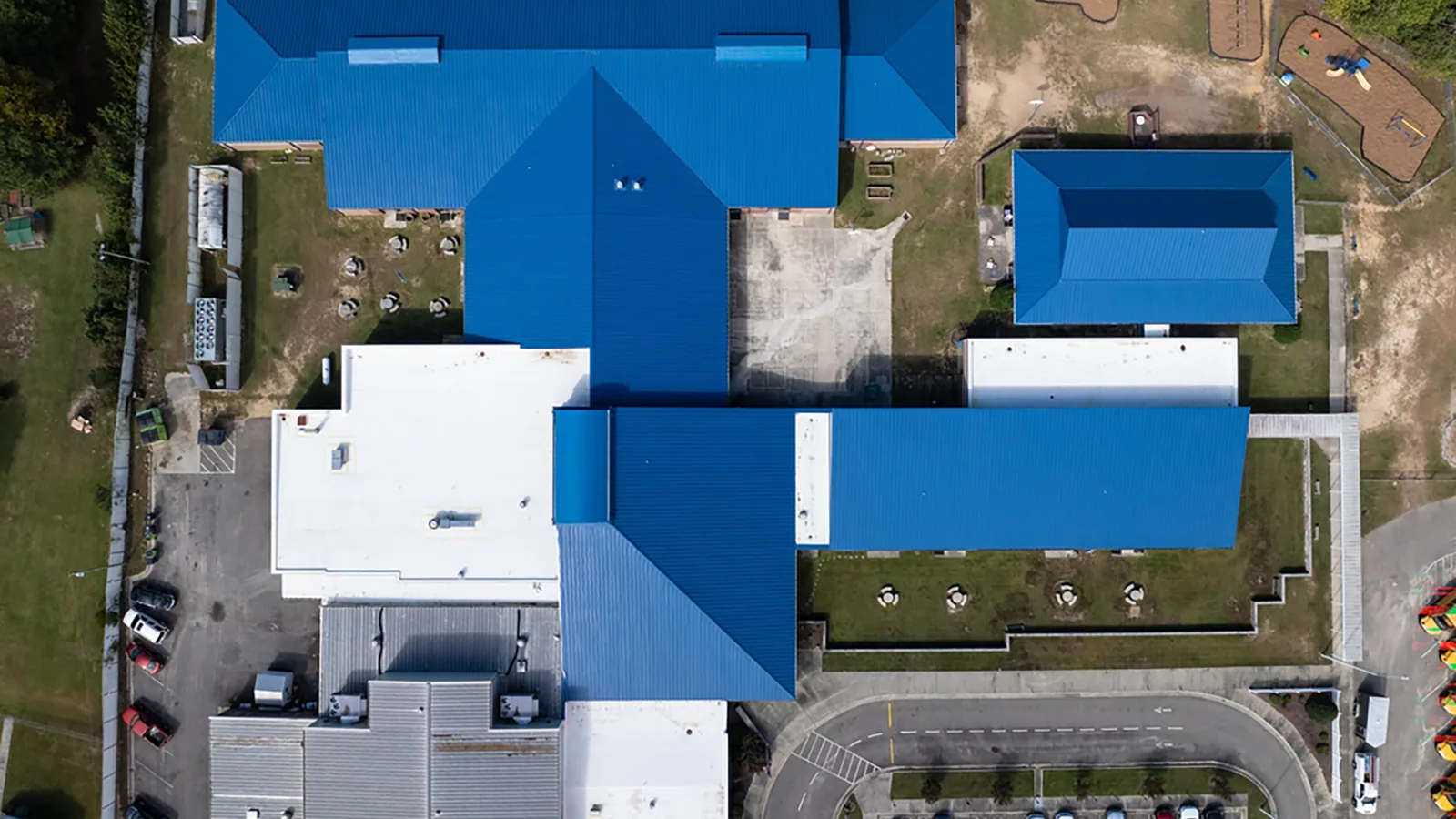
A small PVC weld or flashing repair may be enough when the adjoining sheet and substrate are sound. A modified-bitumen roof with broad splits, wet insulation, or recurring lap failures may require a larger comparison. Liquid-applied restoration should only be considered after compatibility and preparation are confirmed. We state which areas are supported by field evidence, which layers remain concealed, and whether a test opening could change the recommendation. The proposal separates confirmed repairs from work that depends on removal findings. Our estimate also distinguishes penetration work from the field membrane, with sequencing set after the facility approves a clear access route and the crew confirms the weather window.
Cost and duration reflect material removal, ply count, edge and penetration details, access, waste handling, weather protection, and coordination with other trades. A replacement evaluation can document tear-off and transition requirements, while a photo condition report carries the known and unresolved details into the next budget review.
Share roof records, prior repair notes, leak locations, and the building schedule. We will inspect the material and substrate, then set a repair, test, or renewal boundary that can be protected at handback.